Cities in motion - Volume VII: 'What’s on the (Mobility) Menu?'
The seventh volume of Cities in motion, 'What’s on the (Mobility) Menu?', explores urban mobility as a menu—where each city and region serves its own selection of specialties.

Scan the QR code!
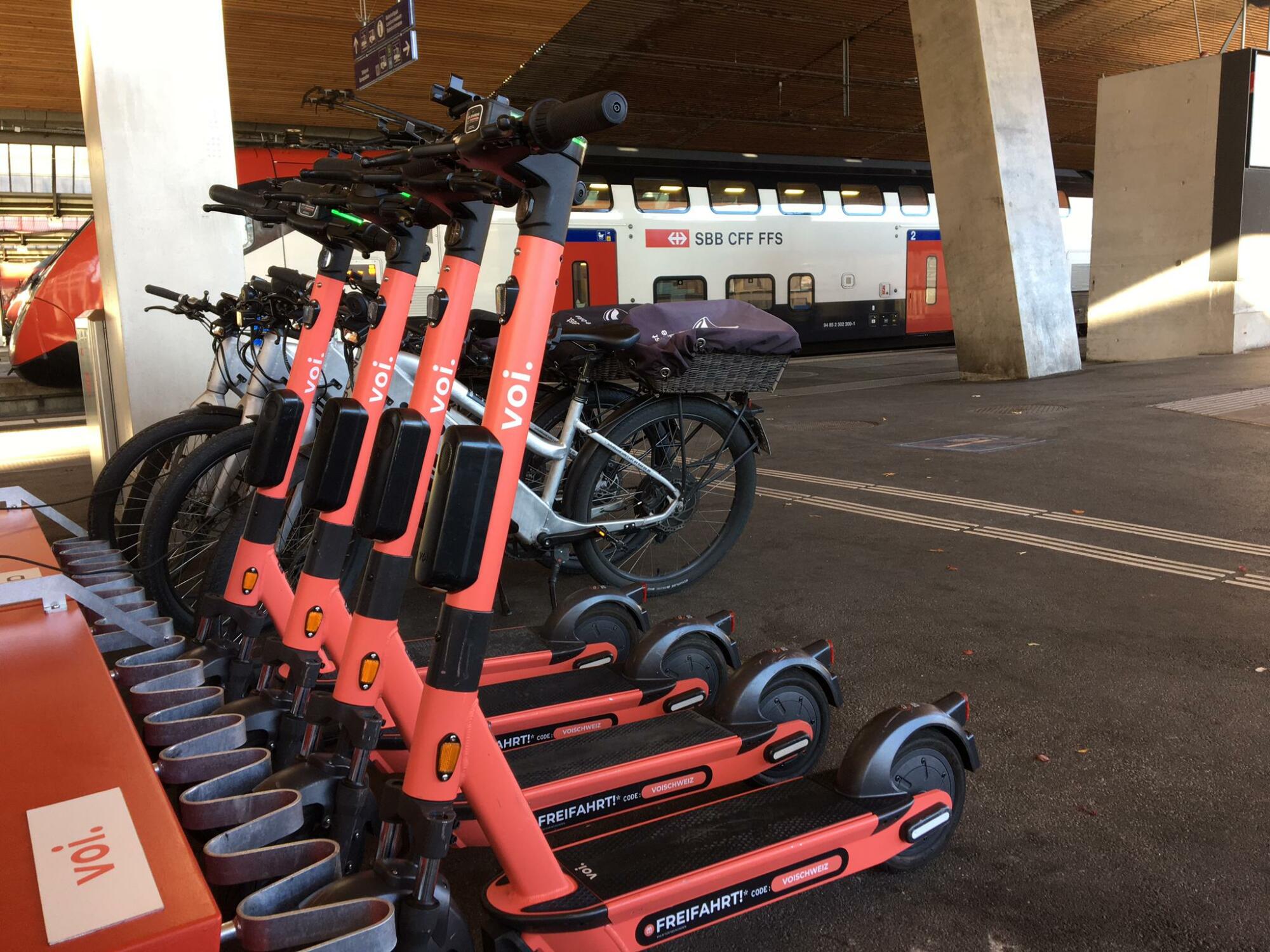
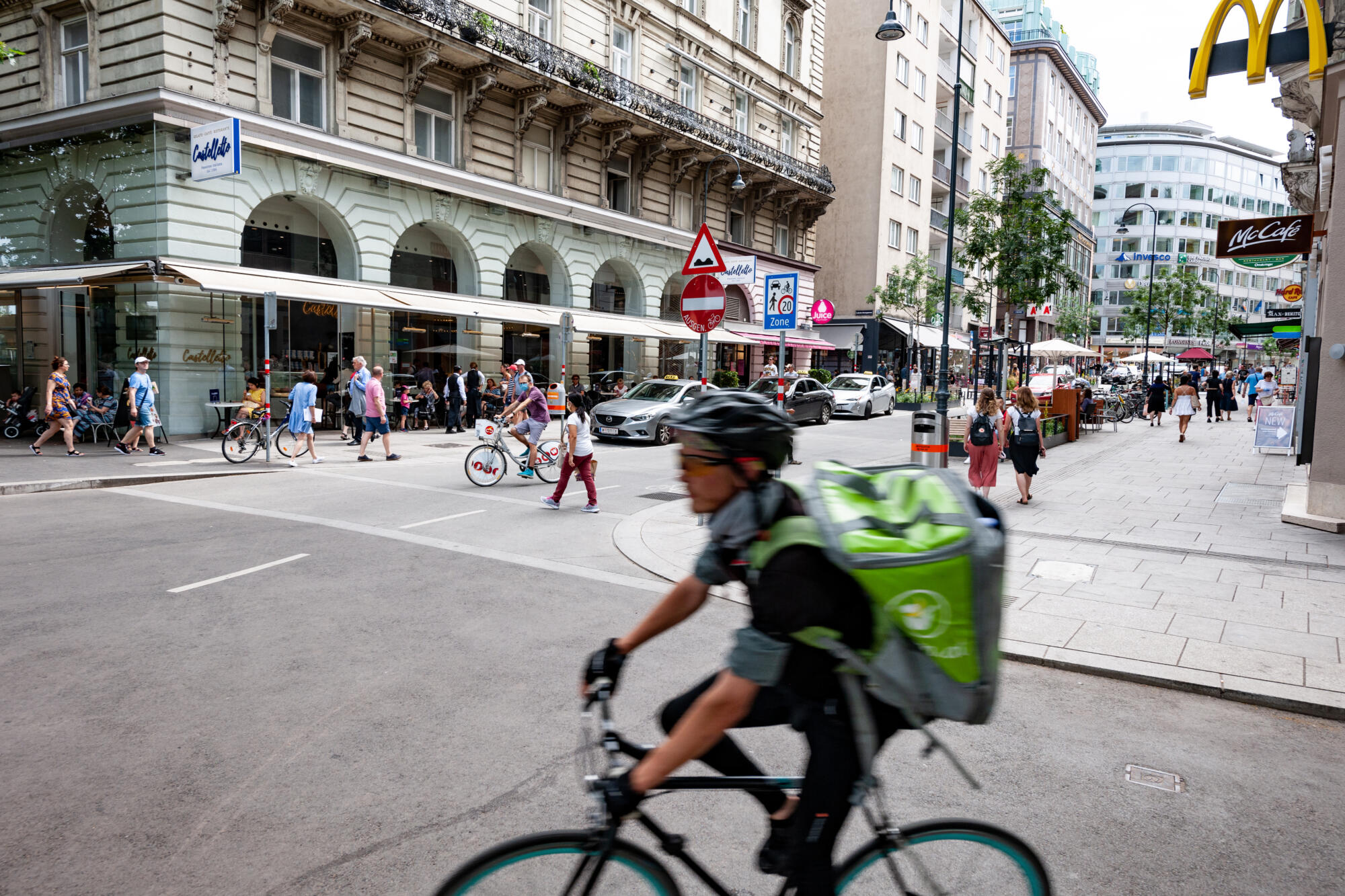
From the essential staples of walking, wheeling, and cycling to more complex courses like buses, trains, shared vehicles, and micromobility, this issue examines how thoughtful planning, innovation, and inclusivity can create mobility that nourishes everyone.
A menu for all
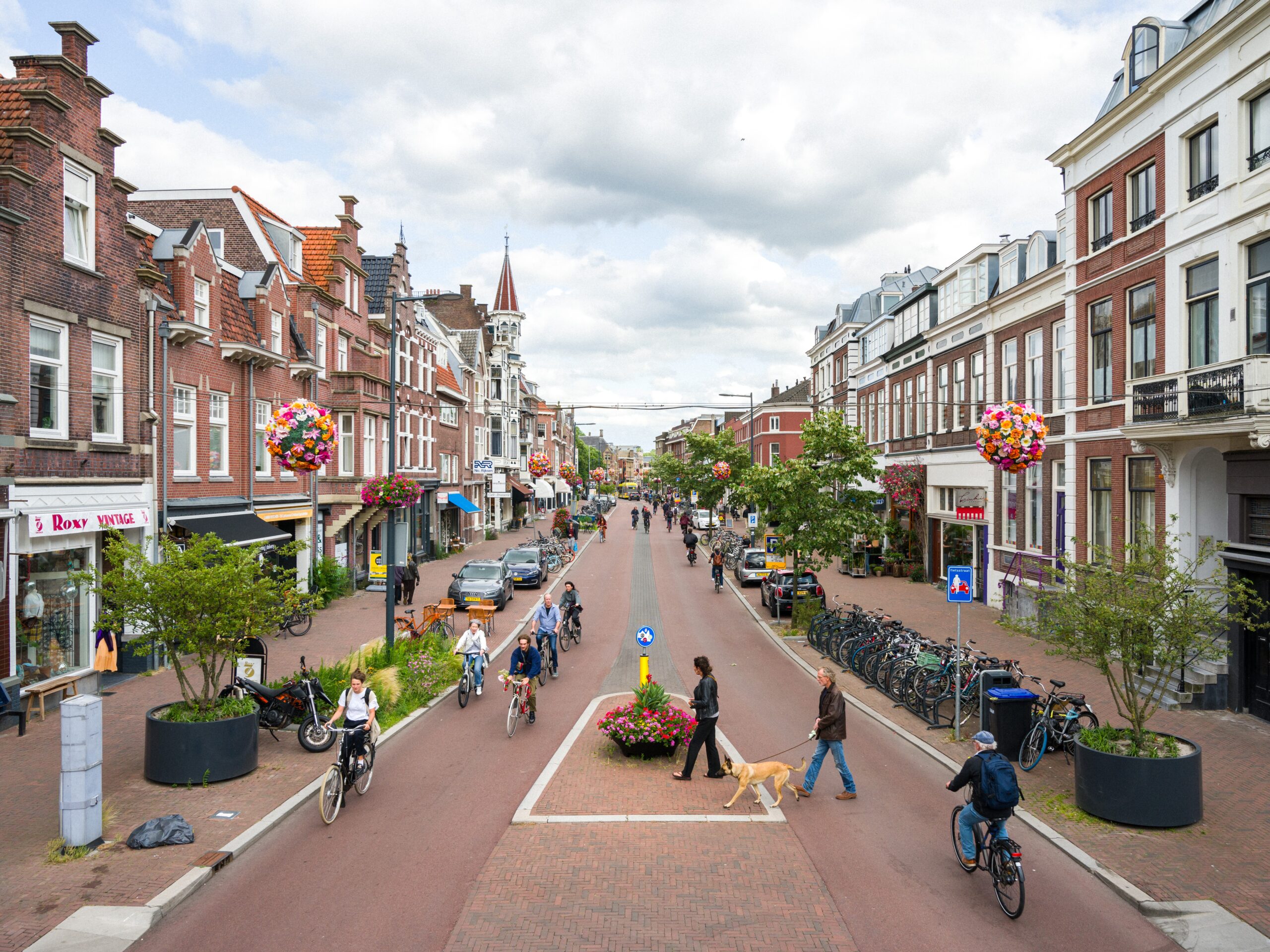
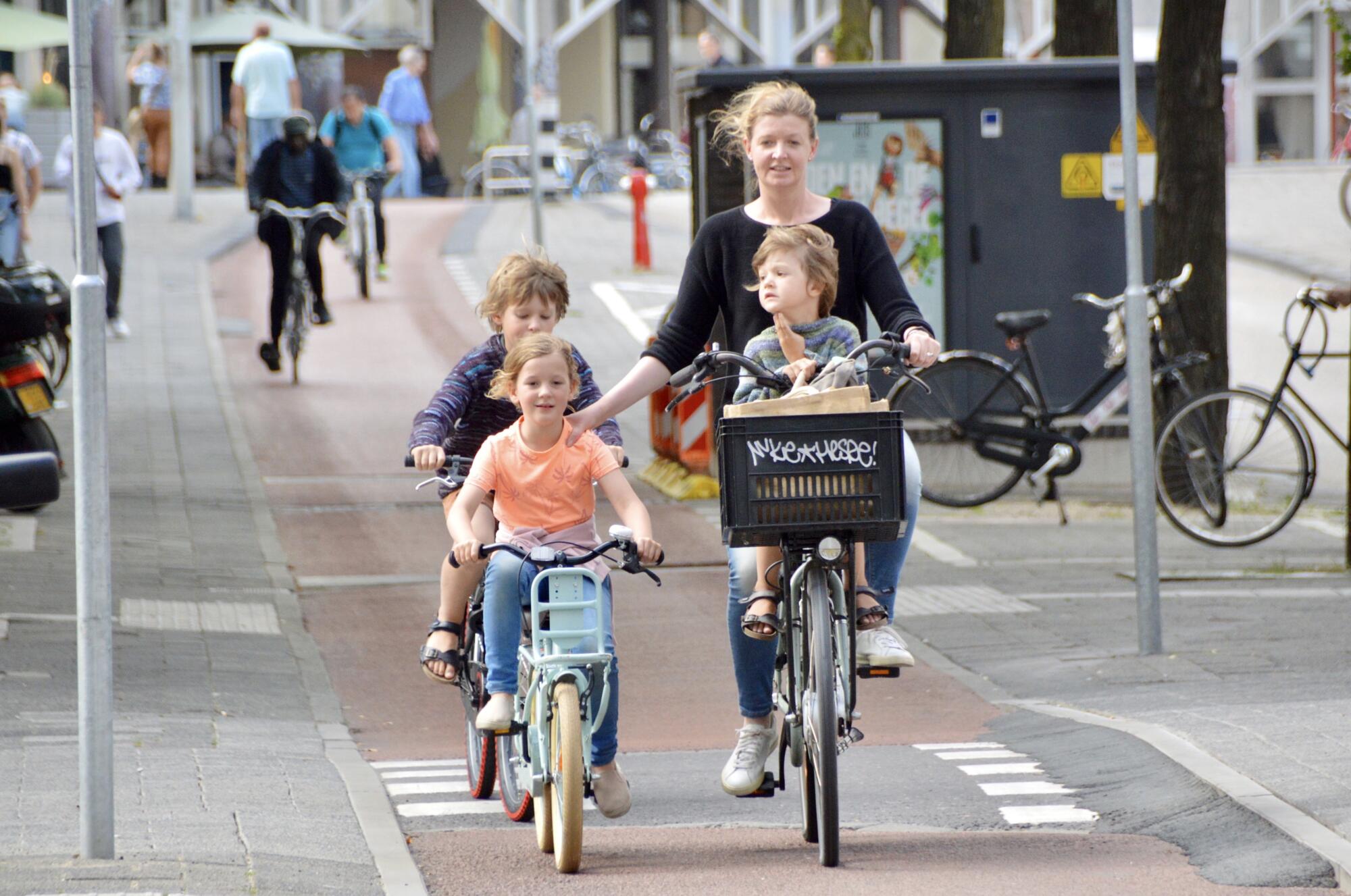
 Some cities serve a lavish spread: abundant, balanced, and accessible to all. Others leave tables nearly empty, offering only small bites that satisfy a lucky few. Some options may look costly but fail to delight, while others appear modest or overlooked yet transform everyday travel into something joyful and nourishing. Across this issue, we explore how cities can curate a menu that works for everyone—where health, sustainability, and equity are the main course.
Across the world, cities are experimenting with innovative mobility solutions. Sam Johnson of the World Bank proposes dedicating up to 10% of national road budgets to active mobility—a simple ingredient with the potential to reshape cities, improve public health, and tackle climate change. Professor Jan Peter Balkenende highlights mobility poverty as a social hunger, leaving many without access to education, work, or healthcare, and shows how targeted, inclusive initiatives can bring everyone to the table.
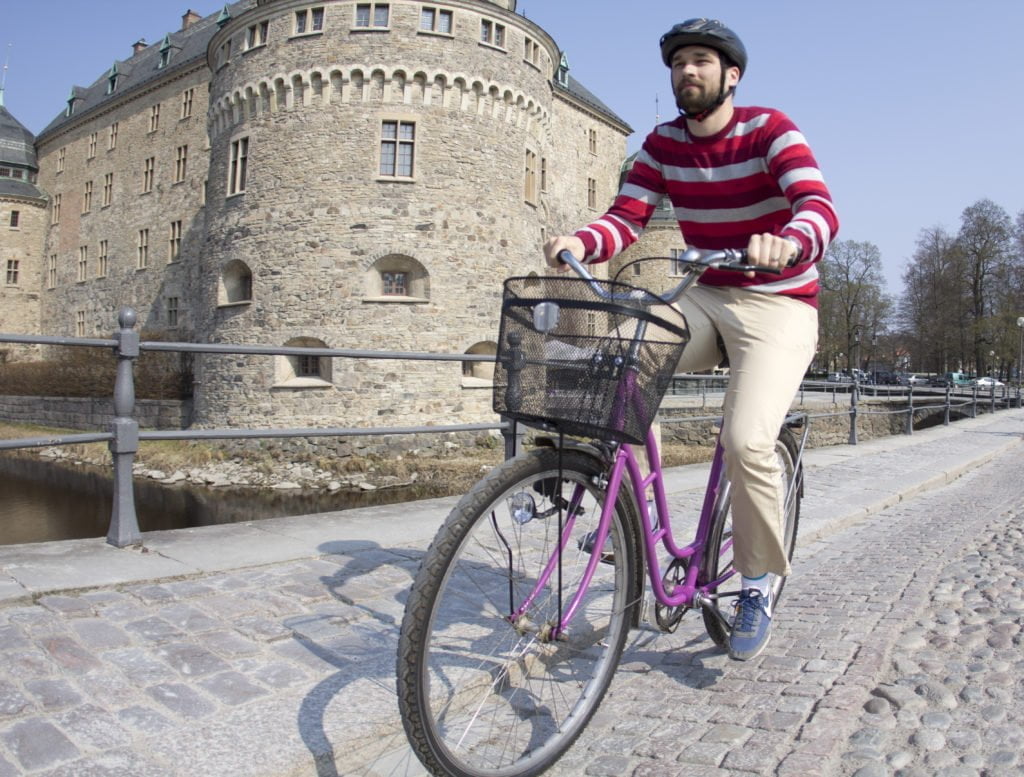
 From Catalonia’s interurban and demand-responsive services to Japan’s Smart Mobility Platform, where smaller towns combine technology, health promotion, and community engagement, each example reveals how careful planning and collaboration can create systems that truly nourish daily life. Örebro, Sweden, demonstrates how push and pull measures anchored in smart parking policy can guide travel choices while maintaining public support. In Helmond, even small, data-informed interventions make a lasting impression when paired with citizen engagement and local flavour.
Innovation and equity on the menu
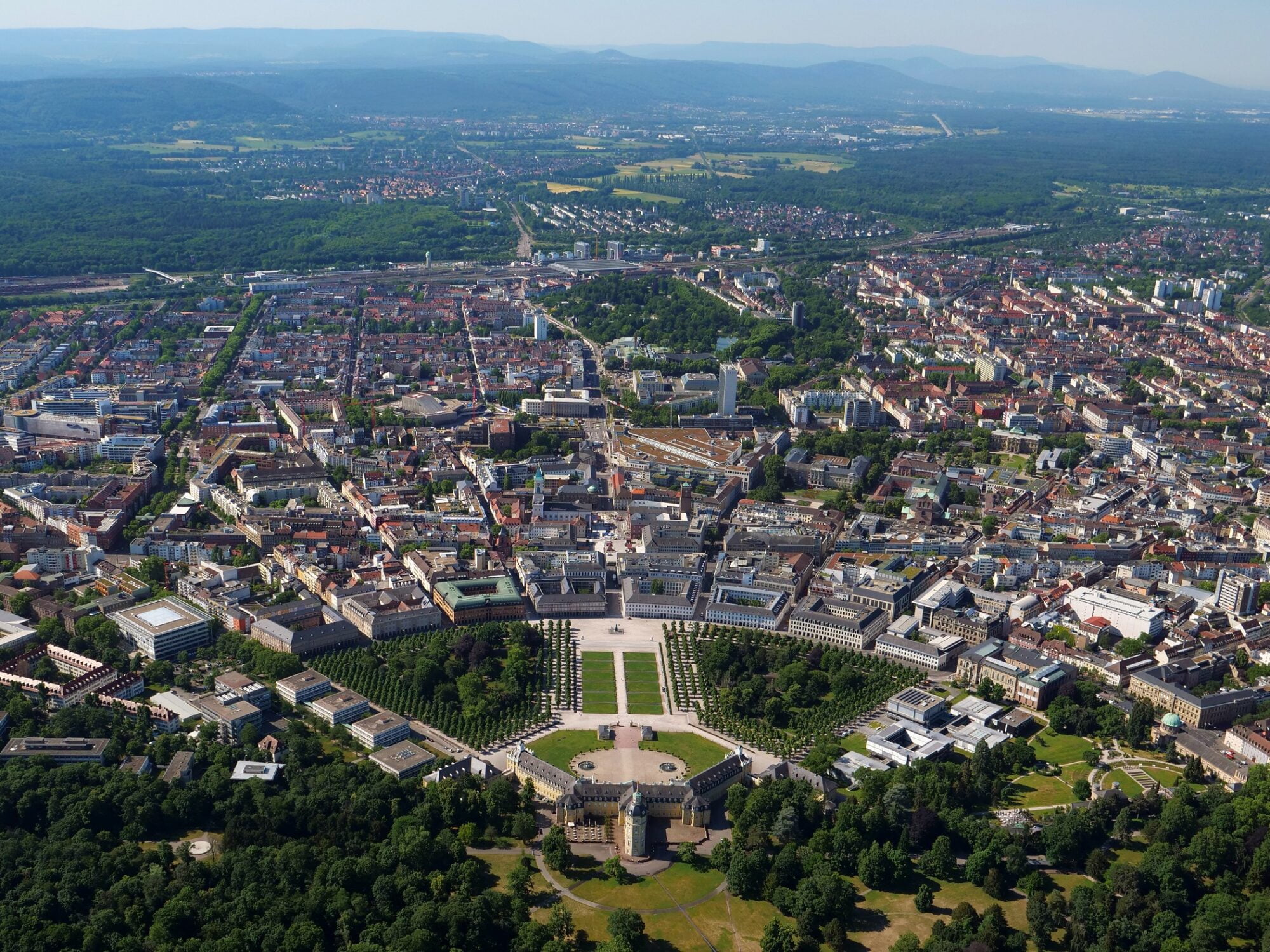
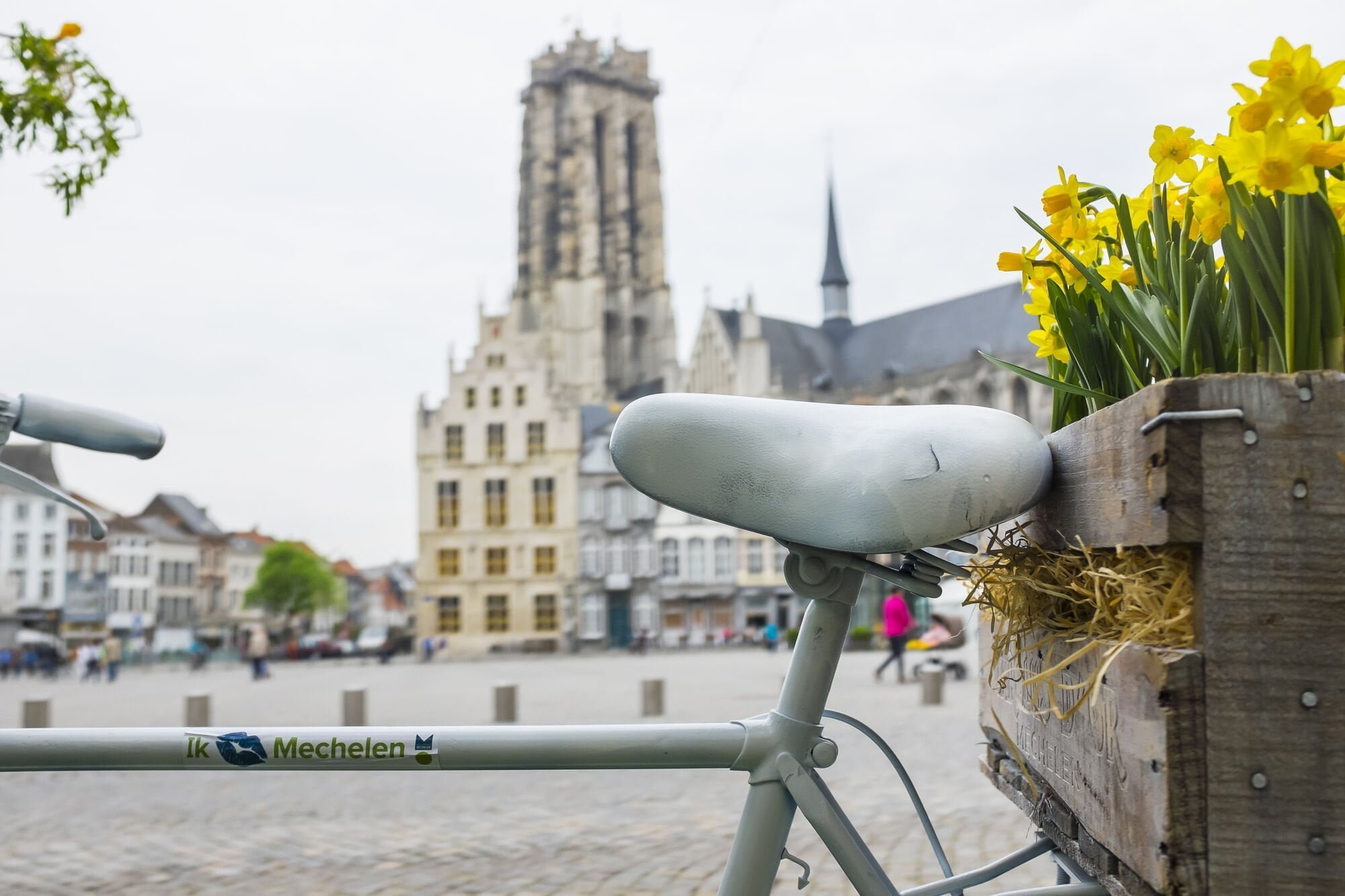
 Innovation continues to reimagine mobility’s ingredients. Lyft Urban Solutions’ adaptable micromobility networks and Europe’s Smart Cycling Roadmap enhance active travel, making it safer, greener, and more connected. Projects like URBANE in Mechelen and Karlsruhe experiment with shared parcel networks and autonomous deliveries, finding new ways to ease street congestion. Even when pilots fail, every experiment adds to the collective recipe book, proving that transport innovation, like cooking, thrives on trial, error, and creativity.
 A balanced menu is not only about variety but also fairness. MobiliseHER in India demonstrates how participatory, data-driven planning empowers women and marginalised communities. Similarly, designing streets and transport systems for people with visual impairments shows that accessibility must be baked into every stage of planning—not sprinkled on top.
The head chefs: Coordination and strategy
At the systemic level, coordination and foresight are the head chefs behind mobility transformation. Switzerland’s long-term rail strategy and Europe’s road transport research under STREnGth_M and LeMesurier illustrate how collaboration, data, and planning refine the recipe for zero-emission transport, ensuring innovation reaches the streets, communities, and citizens who depend on it.
Read Cities in motion Volume VII: 'What’s on the (Mobility) Menu?' HERE.
Happy if Healthy

Serving Better Mobility

Push, Pull, Park

Public Transport, Reimagined

Ageing Gracefully, Moving Freely
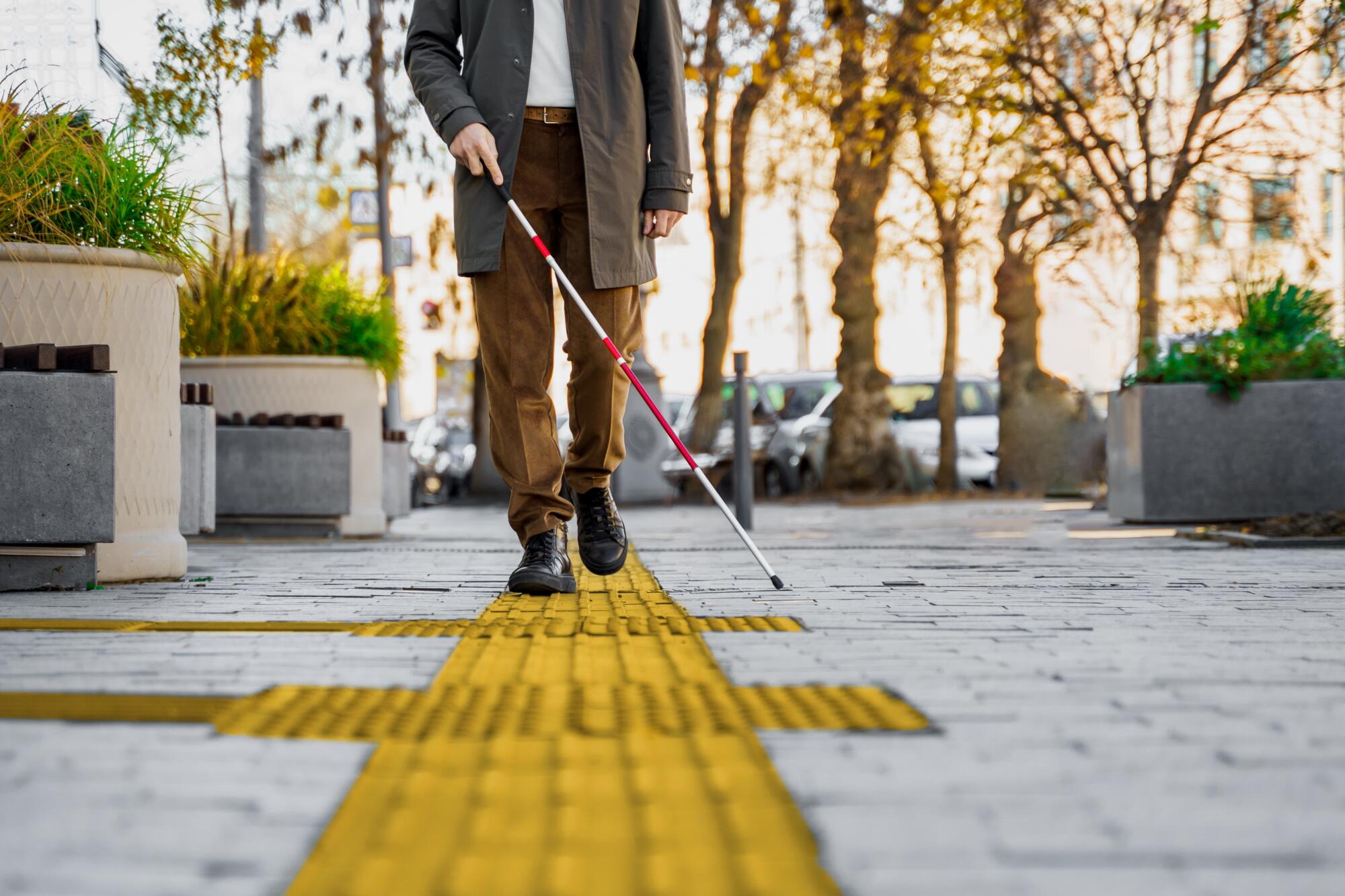
Finding the Way
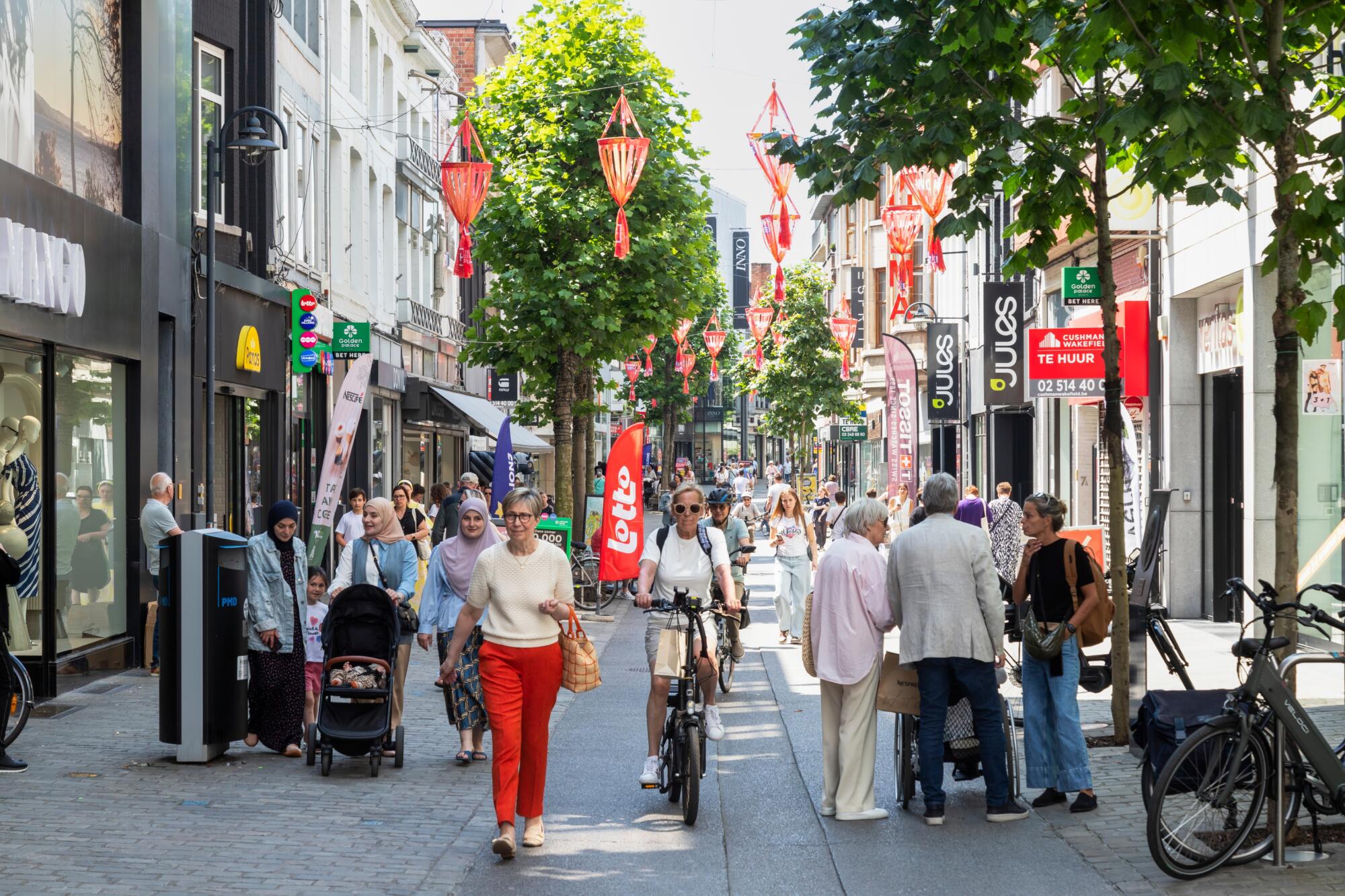
Happy—Reluctantly
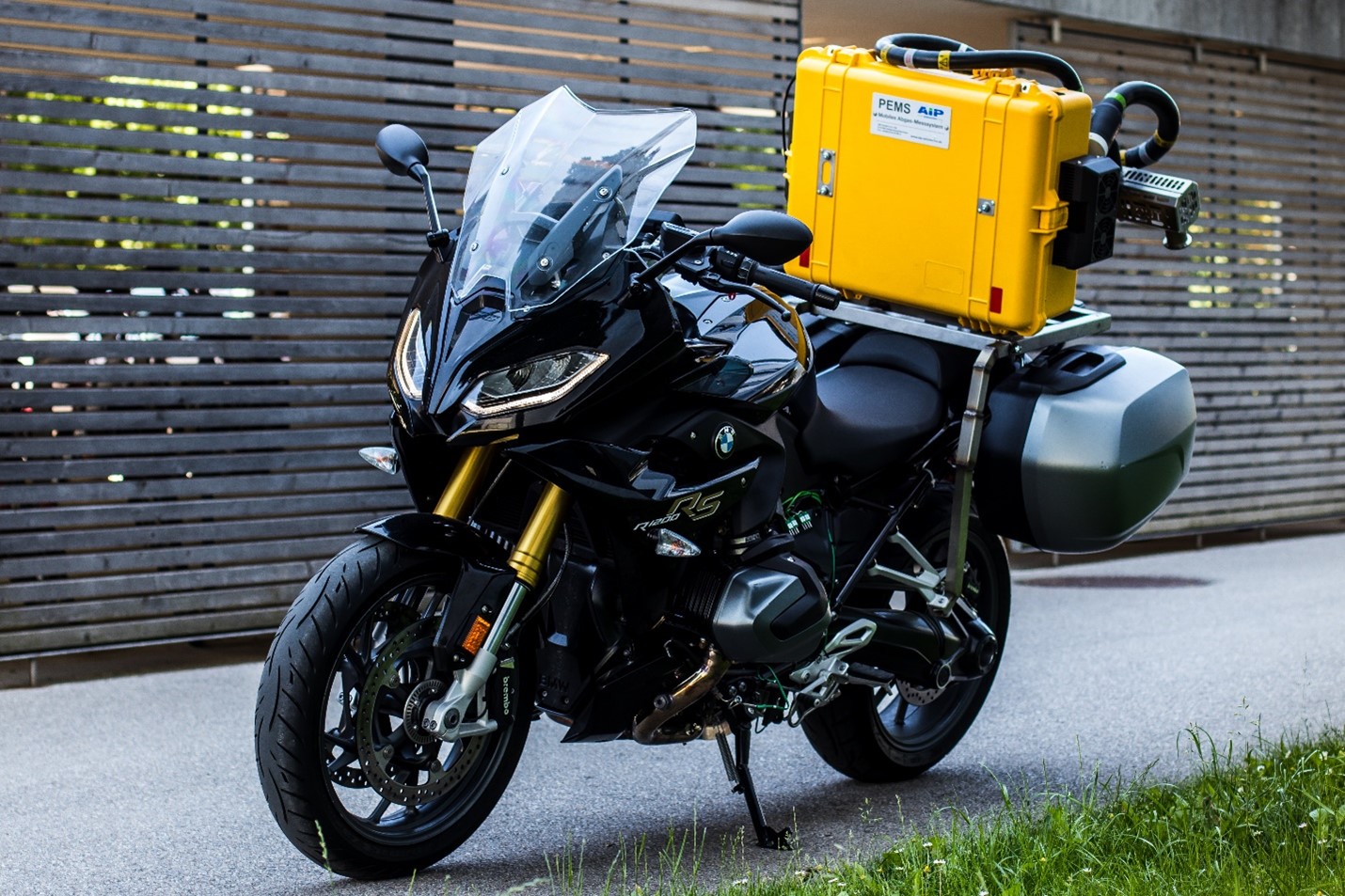
Under the LENS
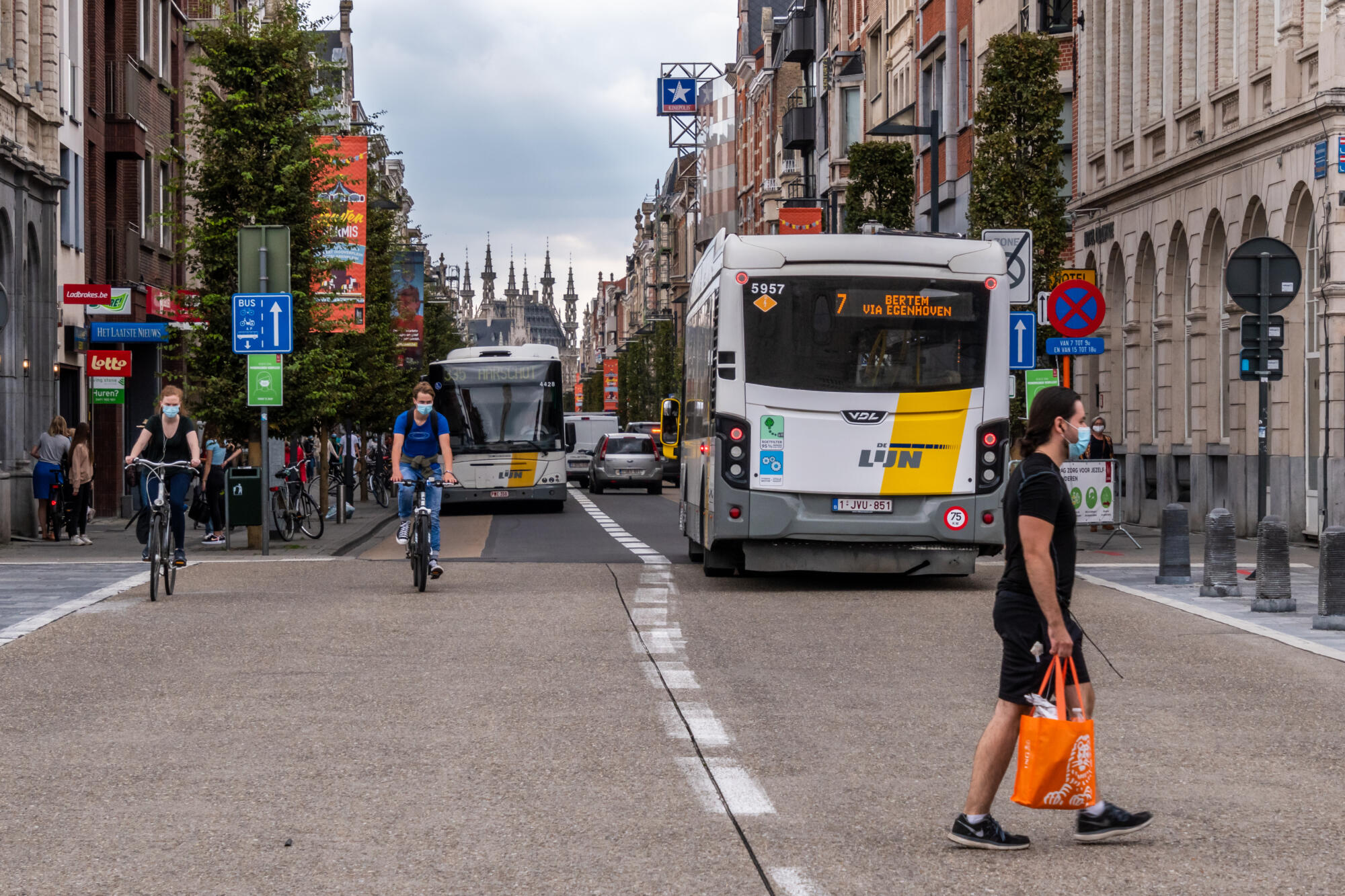
Steering Change

Healthy Living by Design
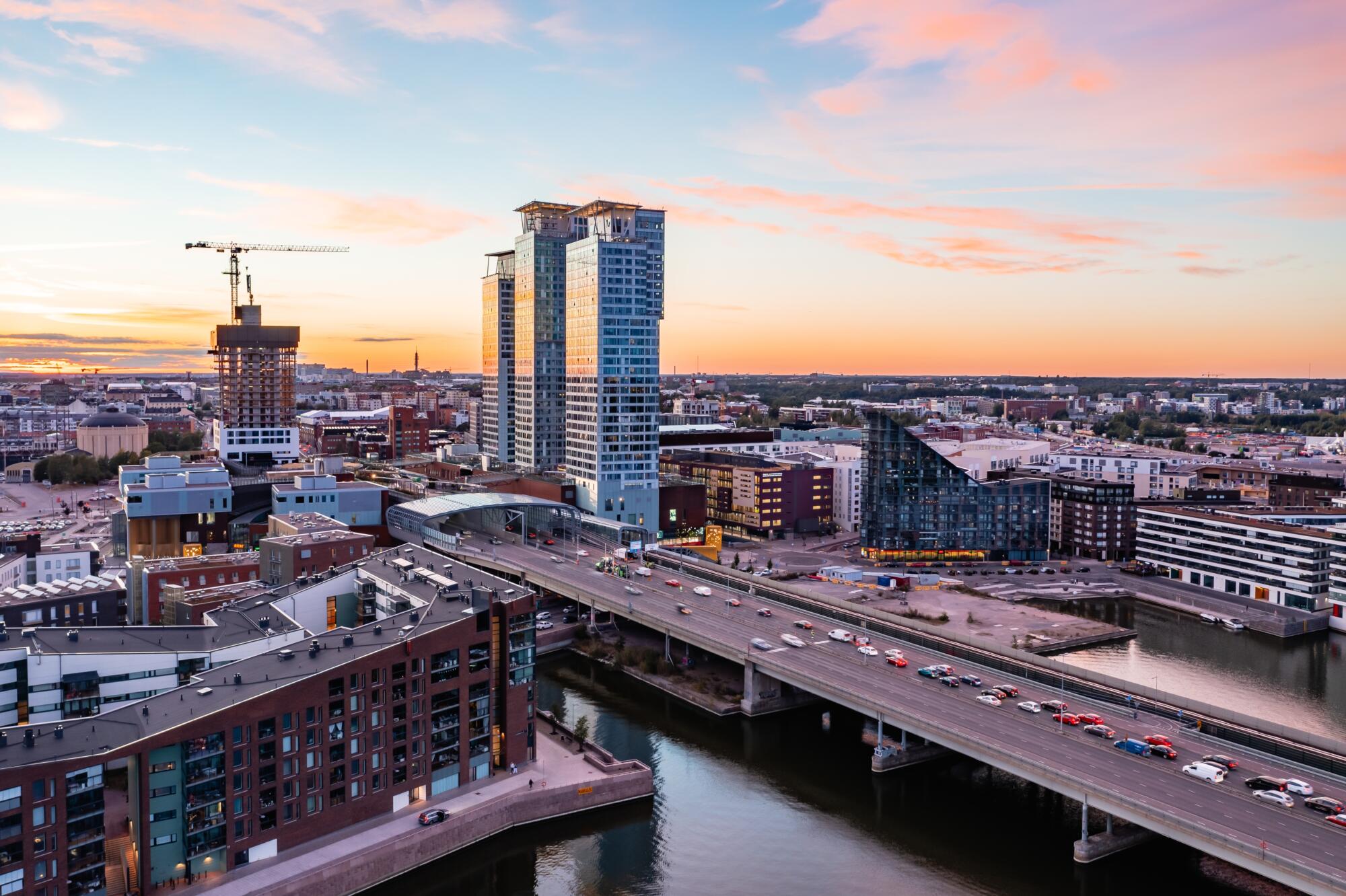
From Car Trips to Travel Chains

Micromobility, Macro Shift

Mediterranean Metamorphosis
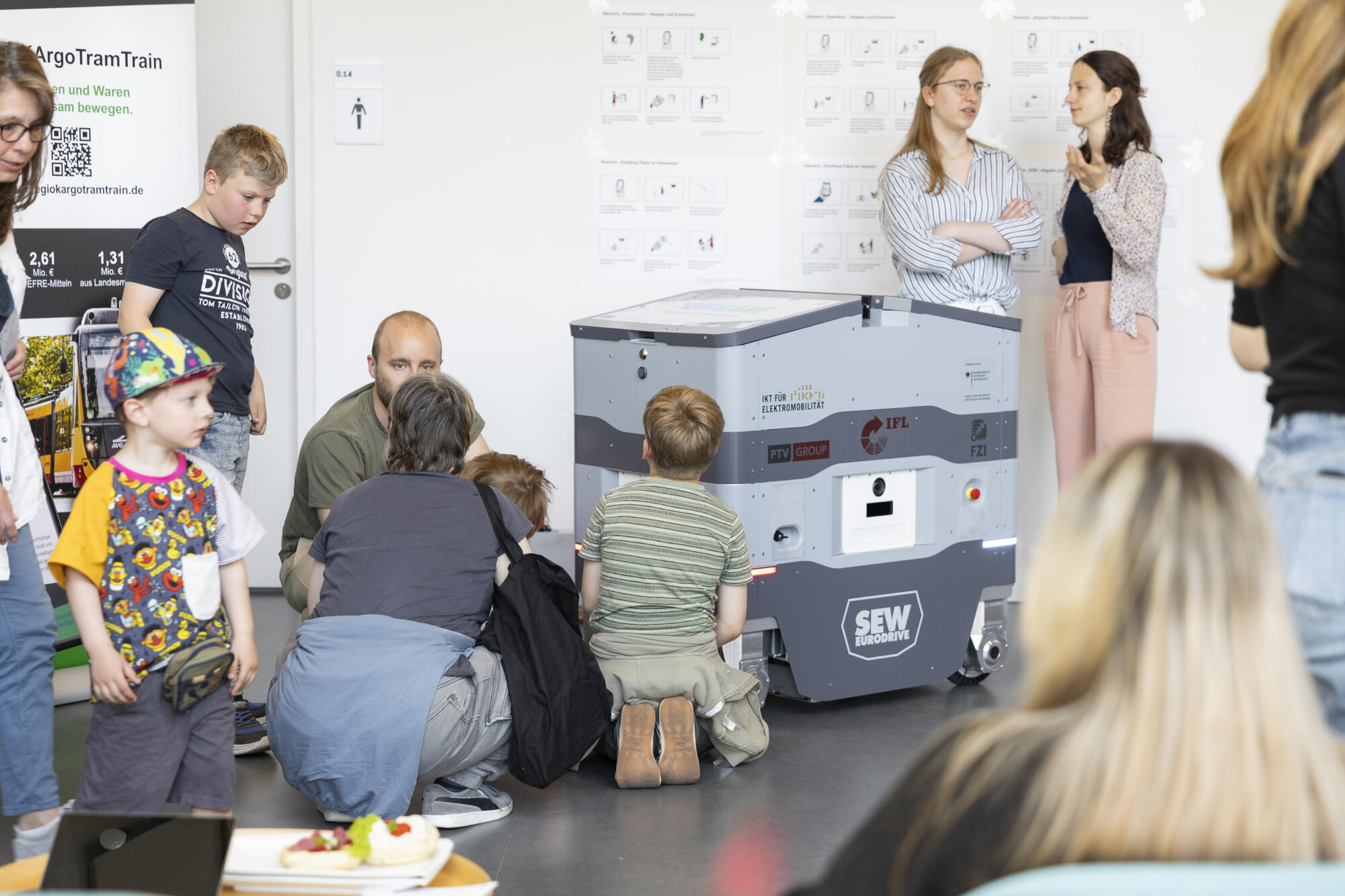
URBAN(E) Spark
Epic Fails

Starting Small

Smart Cycling Revolution


Move With Women
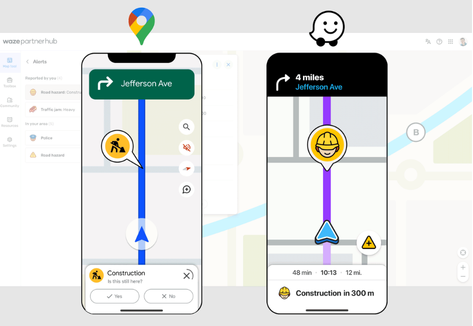
Untangling the Road Ahead

- Related News
- Related Events
- Related Projects
- Related Members
- Related Pages
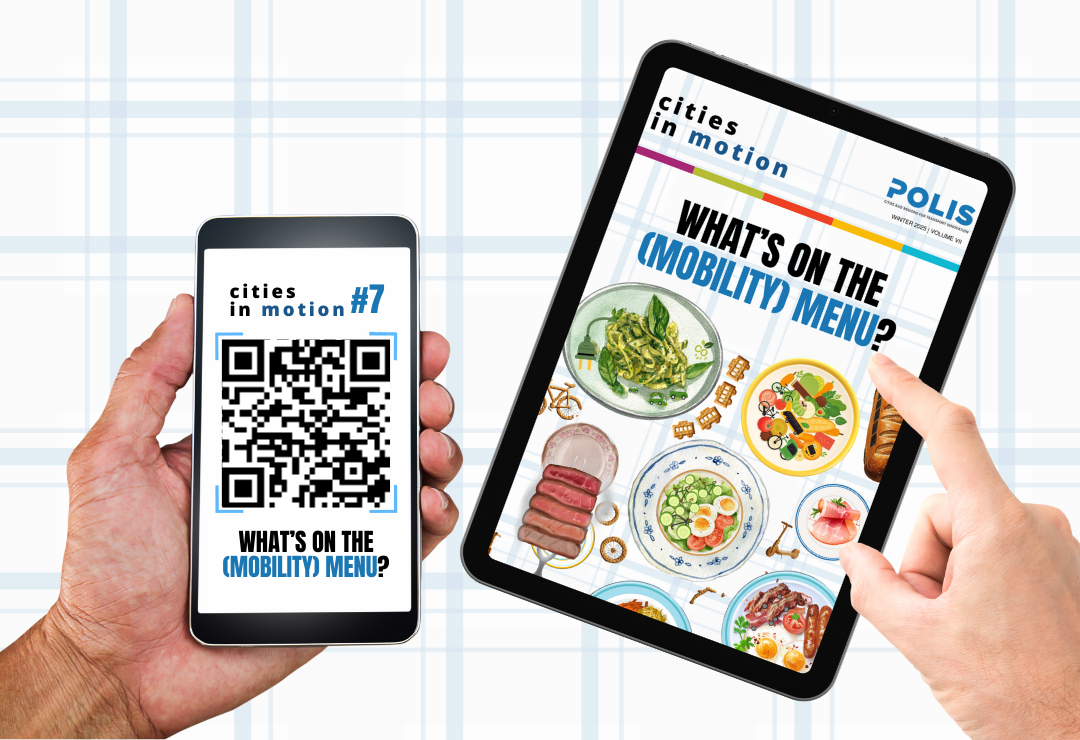
Cities, regions, and projects explore new recipes for urban mobility in new Cities in motion #7

Annual POLIS Conference 2025






Helsinki-Uusimaa Region