
Push, Pull, Park
Facilitating more sustainable travel patterns is not enough to drive real change: policy packages combining push and pull measures are required. Parking policy is a powerful yet often underutilised tool available to all cities. Experience from Örebro demonstrates that, with the right arguments, measures can gain acceptance across the political spectrum.

Digital signage directs to parking garages in and around the city centre of Örebro, Sweden, Örebro Municipality
Örebro Municipality has long pursued ambitious goals to change travel habits, aiming to create a cohesive, attractive, accessible, and socially sustainable city. The city built high-quality cycling infrastructure, sought to avoid urban sprawl, and carried out numerous campaigns promoting sustainable travel.
Despite these efforts, travel habits have remained relatively stable. A key reason is that car users have been able to continue driving with nearly the same ease as before. In recent years, awareness has grown that more powerful policy instruments are needed to bring about real change. Research shows that ‘sticks’ are what drive results, but ‘carrots’ are needed to lower barriers and build acceptance. Among the locally available instruments, access to and cost of car parking is perhaps the most powerful tool for influencing transport choices and travel patterns—parking policies can be nearly as effective as congestion charges.
At the same time, we know that parking fees are controversial and face resistance from motorists, property owners, and retailers. However, with the right packaging, these obstacles can be overcome. This will be explained shortly—but first, a brief journey through time.
Four years of major change
In 2021, Örebro implemented its first major parking fee reform in 15 years. Progressive fees were introduced in the city centre to favour short visits and direct long-term parkers to multi-storey car parks or alternative modes of transport. In the zone surrounding the city centre, parking fees were increased fivefold, and residential parking permits were introduced.
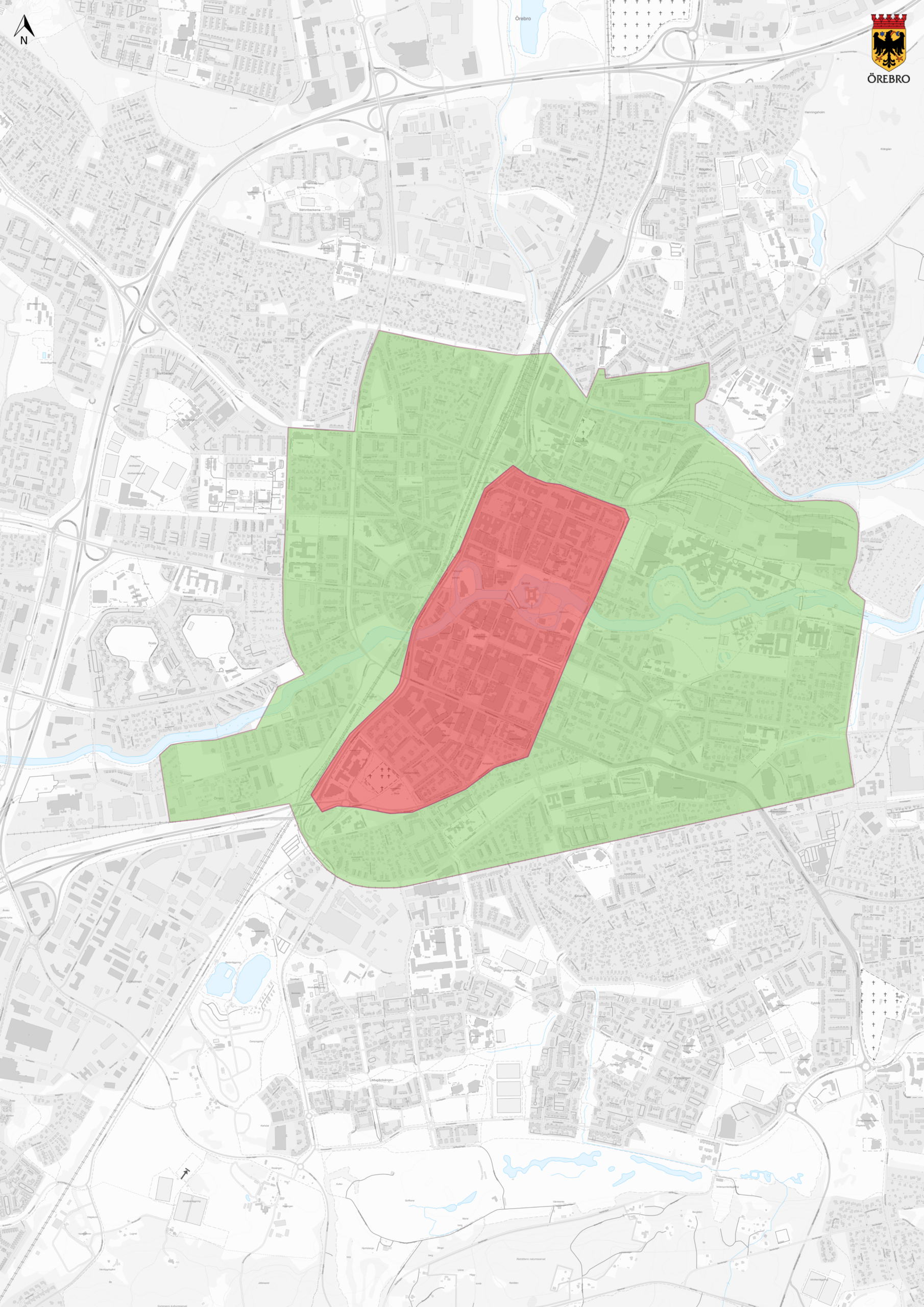
Parking zones in Örebro in 2021, Örebro Municipality
In 2022, inventories revealed that the goals of the fee reform had not been fully achieved: streets remained crowded while parking garages had ample space. That year also saw a broad survey in which residents were asked how they believe traffic in the city should be designed.
In 2023, a review of the parking situation in the southern districts of the city showed that parking was heavily subsidised both in public spaces and on private plots, creating social injustice and artificially high car ownership.
In 2024, the Swedish Transport Agency announced its decision to reject the appeal against the 2021 fee reform. This ruling, along with inventories and other studies, laid the foundation for a new reform. In October 2024, the City Council decided to more than double the size of the fee zone and increase residential parking fees by 50%. The progressive fee in the city centre, originally intended to increase turnover, was replaced by higher fees and time restrictions.
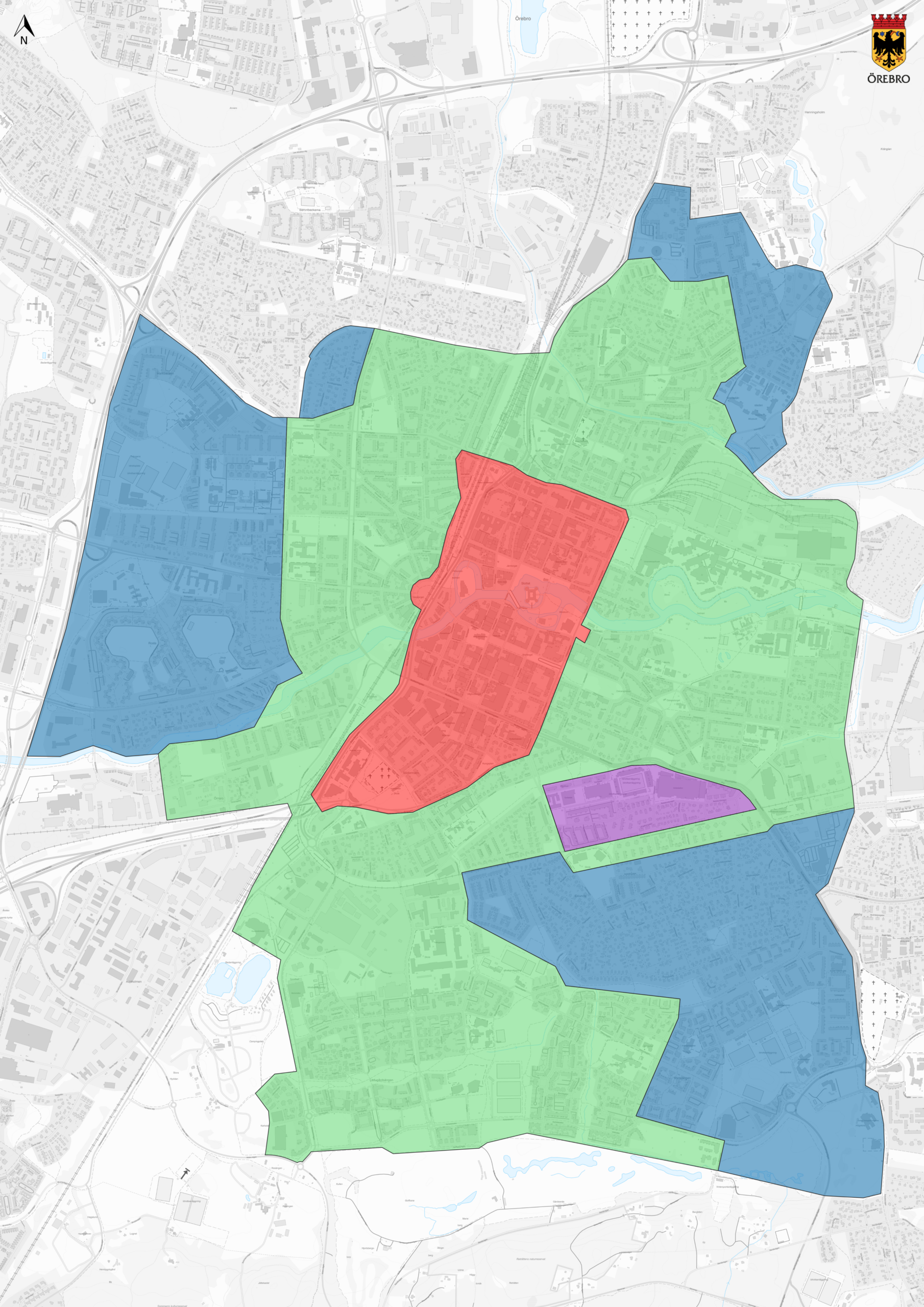
Parking zones in Örebro in 2025:
In comparison to 2021, the area has doubled in size, Örebro Municipality
The new decision in 2024—just three years after the previous fee increase—was partly to correct details but also reflected growing awareness of how much of the cost of storing private cars is borne by people other than the car owners.
Throughout 2025, the new fees have been gradually introduced, despite the decision being appealed. The city has also developed a proposal for a new mobility standard, allowing property owners greater freedom to choose whether to build parking or prioritise other mobility solutions in new developments. A decision on this is expected later this year.
Building trust over time
The development of parking as a policy instrument has occurred alongside two other major municipal projects: the expansion of a Bus Rapid Transit (BRT) system through the city centre (2021–2029) and the creation of a new mobility strategy (2021–2024). These three processes have reinforced each other through close collaboration between the administration and senior politicians, building consensus and trust.
It was particularly within the framework of the mobility strategy—developed over three years—that parking issues were discussed both broadly and in depth. This fostered mutual trust and enabled politicians to make bold decisions that went against vocal opposition and conventional interpretations of legislation. A key support in this was a 2022 survey, which showed that a broad majority of residents want the city’s transport system to develop in a more sustainable direction.
A major success factor has been that the process was knowledge-driven, grounded in research, inventories, modelling, and follow-ups. This gave politicians confidence in their decisions and the ability to justify them in debates and media.
In a local newspaper interview, for example, the councillor from the largest party, social democrat Kemal Hoso, stated, ‘Of course car traffic must decrease, because it is not a sustainable mode of transport’, while the representative of the second-largest party, conservative Johan Kumlin, said in a radio interview, ‘I would rather have a city with trees, greenery, and artistic features than long rows of cars lining the streets’.
A market that does not work
Generally, all actors are poor at charging for the actual cost of parking. Örebro’s calculations show that an average car-free household in newly developed areas pays significant monthly sums for parking to their car-owning neighbours. The market failure is largely due to outdated parking standards that have forced more parking than is demanded at real cost, and the fact that street parking in large parts of the city has long been free.
By quantifying the extent of parking subsidies and introducing the concept of ‘mobility justice’, parking as a policy tool has increasingly gained support from both parties, favouring a functioning market economy and those advocating for greater social equity.
The parking reforms are also indirectly a consequence of the BRT investment, as calculations ahead of its expansion showed that increased parking fees were a key factor in encouraging motorists to switch to improved public transport.
The road ahead
Parking must be addressed as part of a broader whole, where the main goal is not to eliminate cars in the city but to create green, safe, and attractive environments. To achieve this, push and pull measures must be combined. In Örebro, higher parking fees have been balanced with urban development, cycle paths, and more efficient public transport.
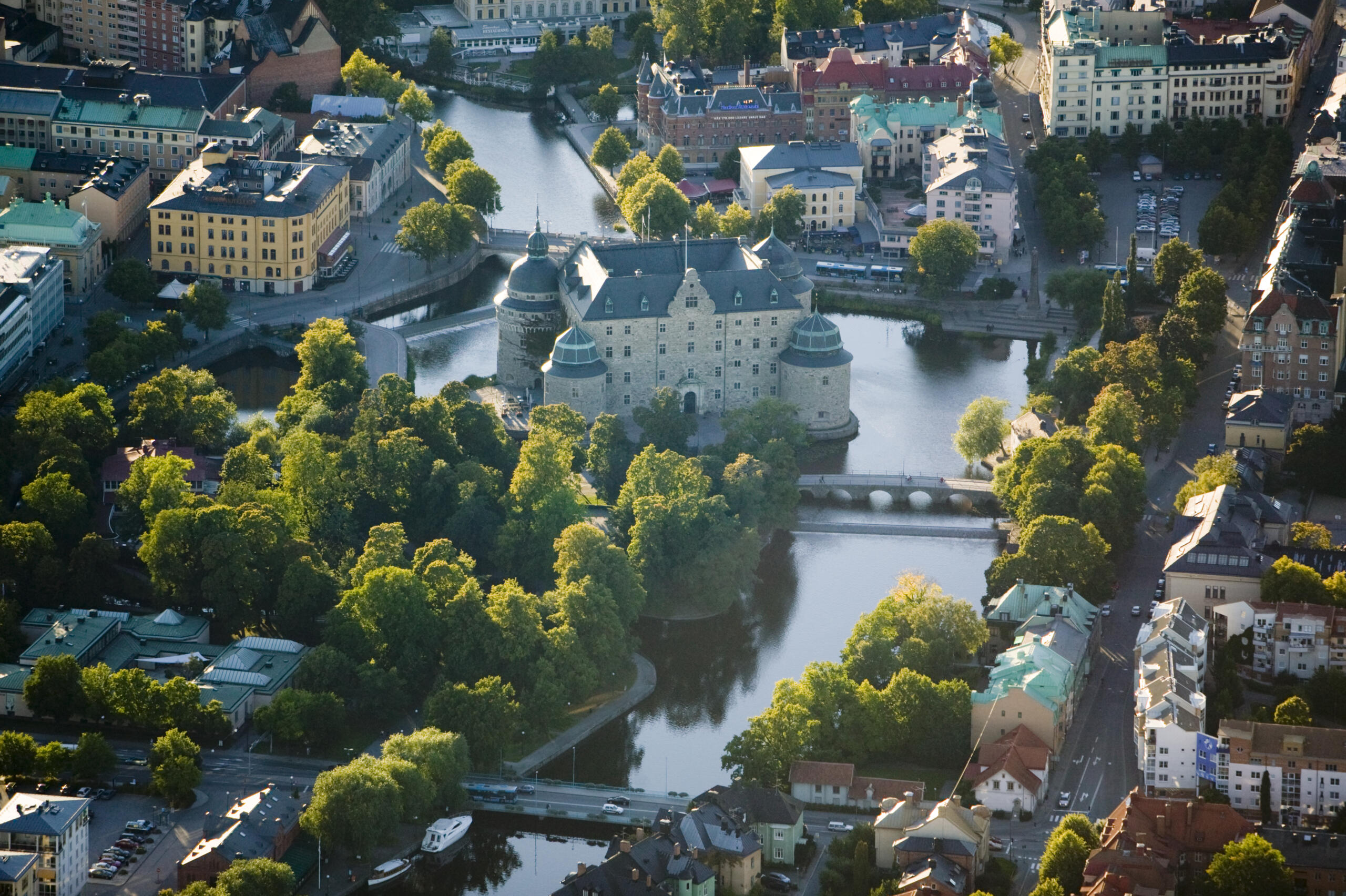
View of Örebro city centre, Örebro Municipality
There is always resistance to change, but the loudest opponents are often a relatively small group. One research report showed that half of all negative comments about BRT in the local newspaper came from just five individuals. Surveys capturing the ‘silent majority’ clearly show that a broad majority of residents want change, with less space for cars—fully in line with the municipality’s mobility strategy and parking reforms.
The car norm remains strong, and restricting and increasing the cost of parking is still controversial. Many are critical, especially regarding parking in the most central parts of the city. A strategy for the city centre will be developed in the coming year to build consensus among retailers, property owners, residents, and the municipality about the kind of city it wants in the future.
Click here to read the article in its original format.
About the authors:
Per Elvingson, Urban Planner, Örebro Municipality. Elvingson has worked with sustainable mobility for 20 years and, in recent years, has led the development of a Sustainable Urban Mobility Plan, where a key component has been reforming the municipal parking policy.
Hanna Malm, Traffic Planner, Örebro Municipality. Malm is a civil engineer who works broadly with mobility issues, ranging from strategic planning to implementation and mobility management. In recent years, parking has
been a key area of focus.
 Örebro Municipality