Cities in motion – Volume VIII: ‘Mobility Metamorphosis'
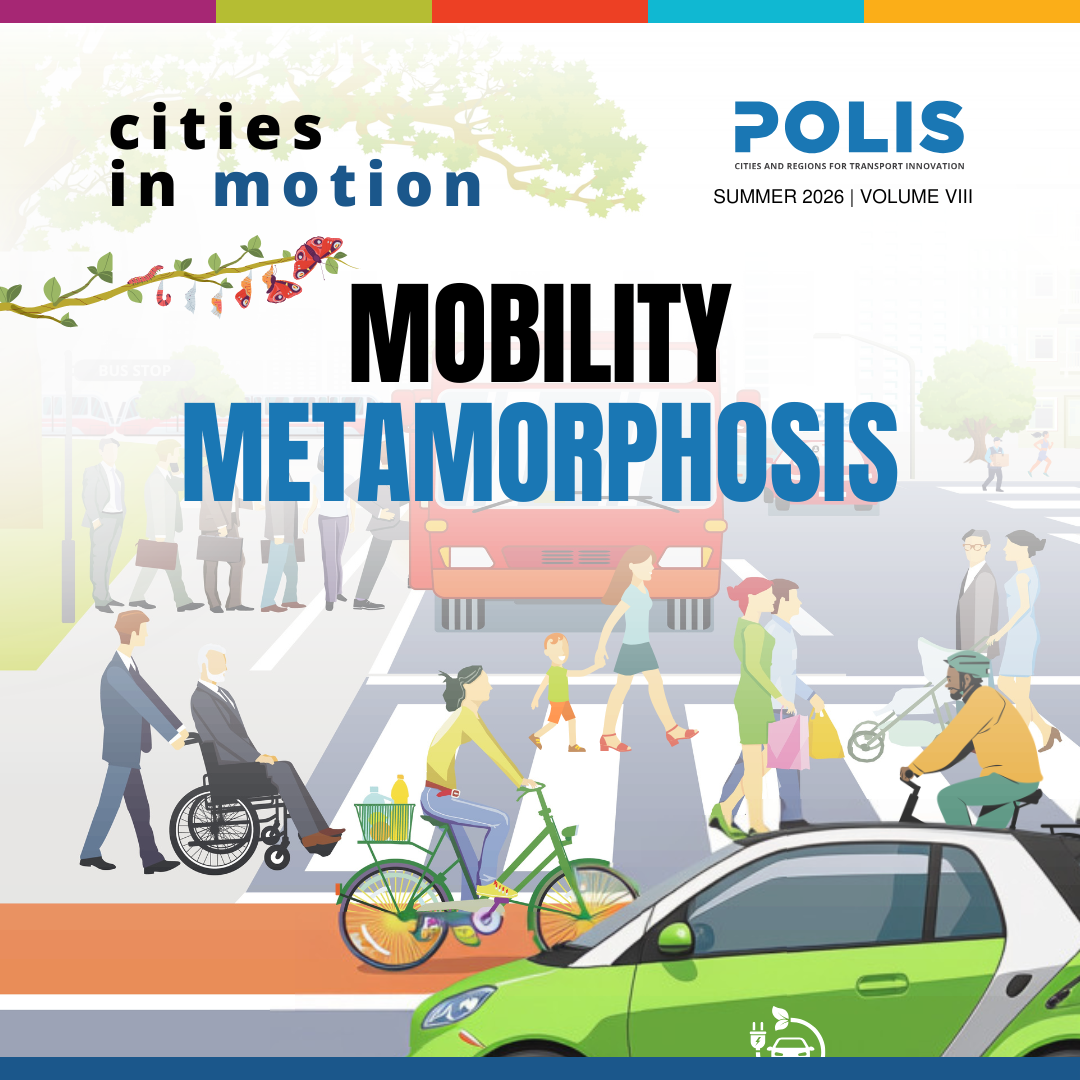
The eighth volume of Cities in motion, 'Mobility Metamorphosis', takes a closer look at how change is part of mobility itself, and how its next form is unfolding.
Transport is constantly changing and evolving, adapting to the needs and priorities of current generations, while laying the ground for future ones. In this moment, mobility is undergoing a profound shift towards sustainability, so that it can guarantee a clean, equal, and accessible future. This issue looks at the perspective of those who contribute daily to this metamorphosis: cities and regions.
Reflecting the times
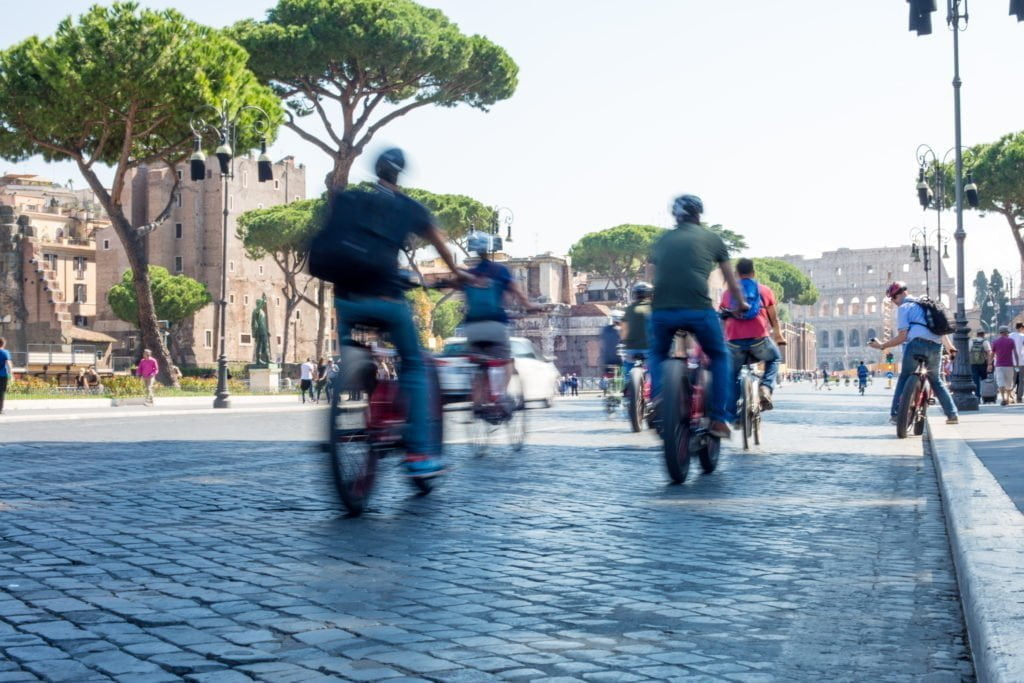
One of the most pressing challenges today is finding a balance between the liberalisation of transport services and the needs of local communities. Rome and Île-de-France know this very well. Both are popular tourist destinations attracting huge flows of visitors. While tourism has many benefits, especially economic, it raises the question of how these territories can preserve the same identity that makes them so unique and attractive while also being open to the entire world. This delicate balance is central to the upcoming EU Sustainable Tourism Strategy, which underlines how tourism and mobility can no longer be tackled separately.
In this context, the EU is also not standing still. 13 years after the first guidelines, the European Commission has recently published the third edition of the Sustainable Urban Mobility Plan (SUMP) Guidelines. This updated framework reflects the unique challenges Europe faces today and leverages a decade of real-world experiences from various cities, emphasising the importance of governance, implementation, monitoring, and political leadership.
All or none
While change is a constant in transport, navigating this transformation is not straightforward. Leaders and politicians know this very well. This was the centre of the debate that mobility leaders asked at the POLIS Leadership Summit in Zagreb: The question now is not what will happen, but how to make it happen.
Another one of the main challenges faced by the entire continent is maintaining competitiveness. The upcoming POLIS policy paper ‘The Climate & Cohesion Competitive Transport Cocktail’ will dive into the synergies between competitiveness, climate action, and cohesion. The main lesson? These three priorities are mutually reinforcing, and mobility serves as the connective tissue among them.
Moving forward...
Automation is one of the key features of smart mobility, and automated vehicles are now leaving their cocoon and appearing in streets across Europe. Despite public scepticism, cities face the challenge of integrating these innovations into public transport systems that benefit residents.
Collaboration with the private sector is vital in this endeavour. For instance, Mitsubishi Electric Europe is developing technologies to address the decarbonisation of the rail sector, highlighting the need for data-driven integration. Digital platforms such as Google Maps and Waze, alongside operators such as Voi, prioritise cooperation to ensure that technological advancements serve the public good.
... without leaving anyone behind
Radical change affects everyone, but in different ways. The sustainable mobility shift can reach its full potential only when it is responsive to the needs of all users. Inclusion must be deliberately integrated from the beginning; it does not occur automatically.
This is demonstrated in a study from the Italian region of Friuli Venezia Giulia, which has exposed the hidden inequalities faced by women in rural areas regarding transportation access. Similarly, research in Germany from the German Institute for Urban Affairs (Difu) shows that investments in cycling infrastructure do not equally benefit all communities. This is due to economic, cultural, and social barriers, which disproportionately affect migrant communities and women
In response, many initiatives are working to fill these gaps. Always in Germany, the #BIKEYGEES association teaches migrant and minority women how to bike, empowering them through newfound mobility. Additionally, cities are enhancing their transport network to better understand and meet residents' needs, particularly regarding night-time mobility. This means guaranteeing safe and reliable mobility options to healthcare workers, hospitality staff, young people, and other groups who travel outside typical commuting hours. Similarly, the case of London illustrates what happens when a city puts Vision Zero and protecting lives at the top of the agenda.
Engaging citizens is also essential for creating inclusive mobility solutions. Gamification is an underrated tool for collective feedback. The GREAT project has explored how to engage teenagers through video games by integrating short survey experiences into popular mobile games, and the results were impressive.
Connecting territories, challenges, and opportunities
Mobility shapes the relations between cities and regions. From trade to travel, transport is the fabric that ties together local realities and the wider world. North Rhine-Westphalia is one of Europe's key logistics hubs, but despite the dimension of the challenge, it is working on multiple fronts, from cycling to public transport, to make sustainable transport a realistic everyday option across the whole State. Regional cycling networks are an underrated way of exploring and travelling through Europe, and, when combined with cycling tourism initiatives, can support in tackling challenges such as transport poverty and depopulation.
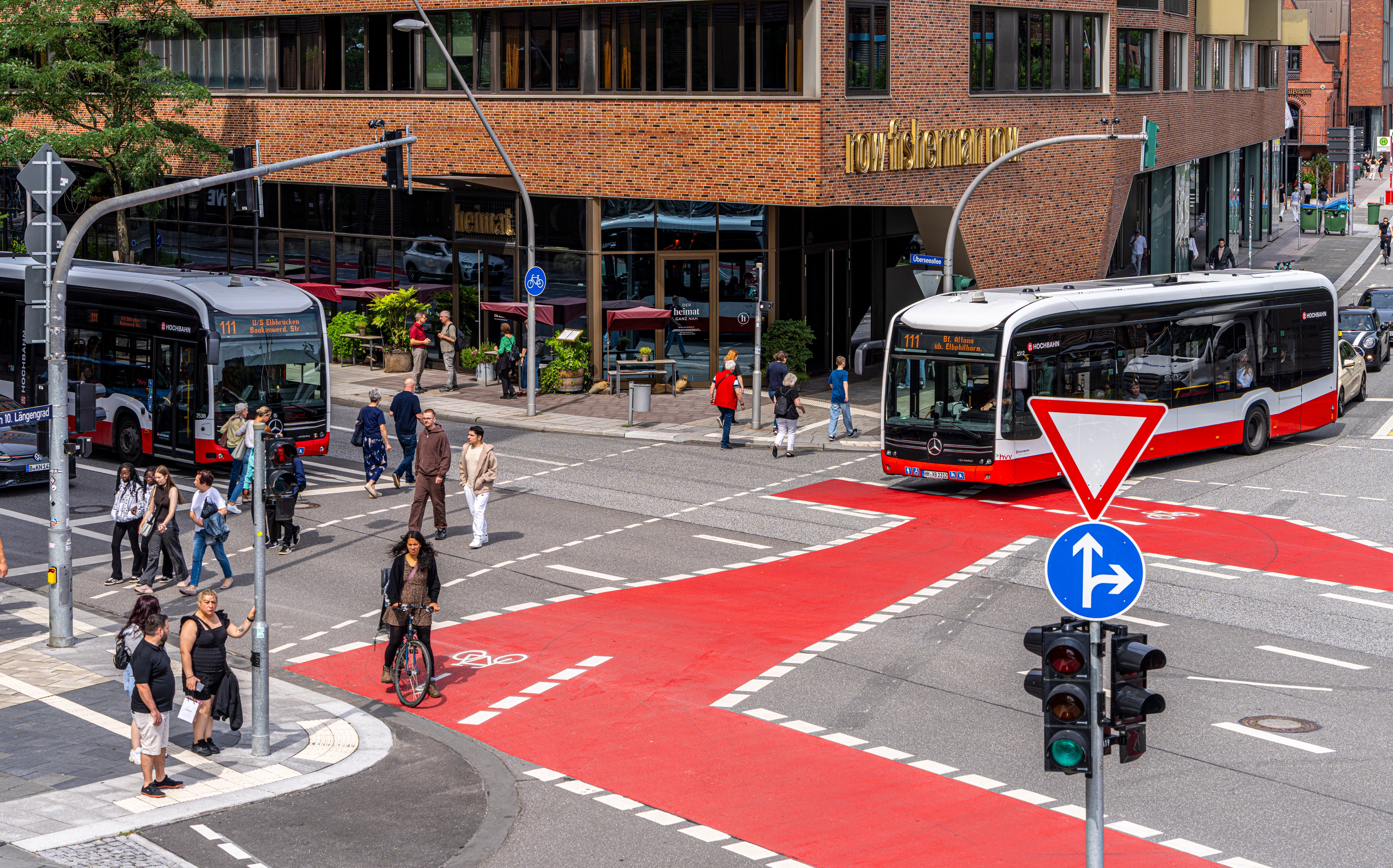
Cities across Europe are experimenting with different solutions, each tailored to their context and priorities. From Hamburg to Madrid, Zagreb to Budapest, each municipality is creating its own version of sustainable mobility, while contributing to the same ultimate goal of guaranteeing mobility as a right.
Read Cities in motion Volume VIII: 'Mobility Metamorphosis' HERE.
Over Capacity, Under Control
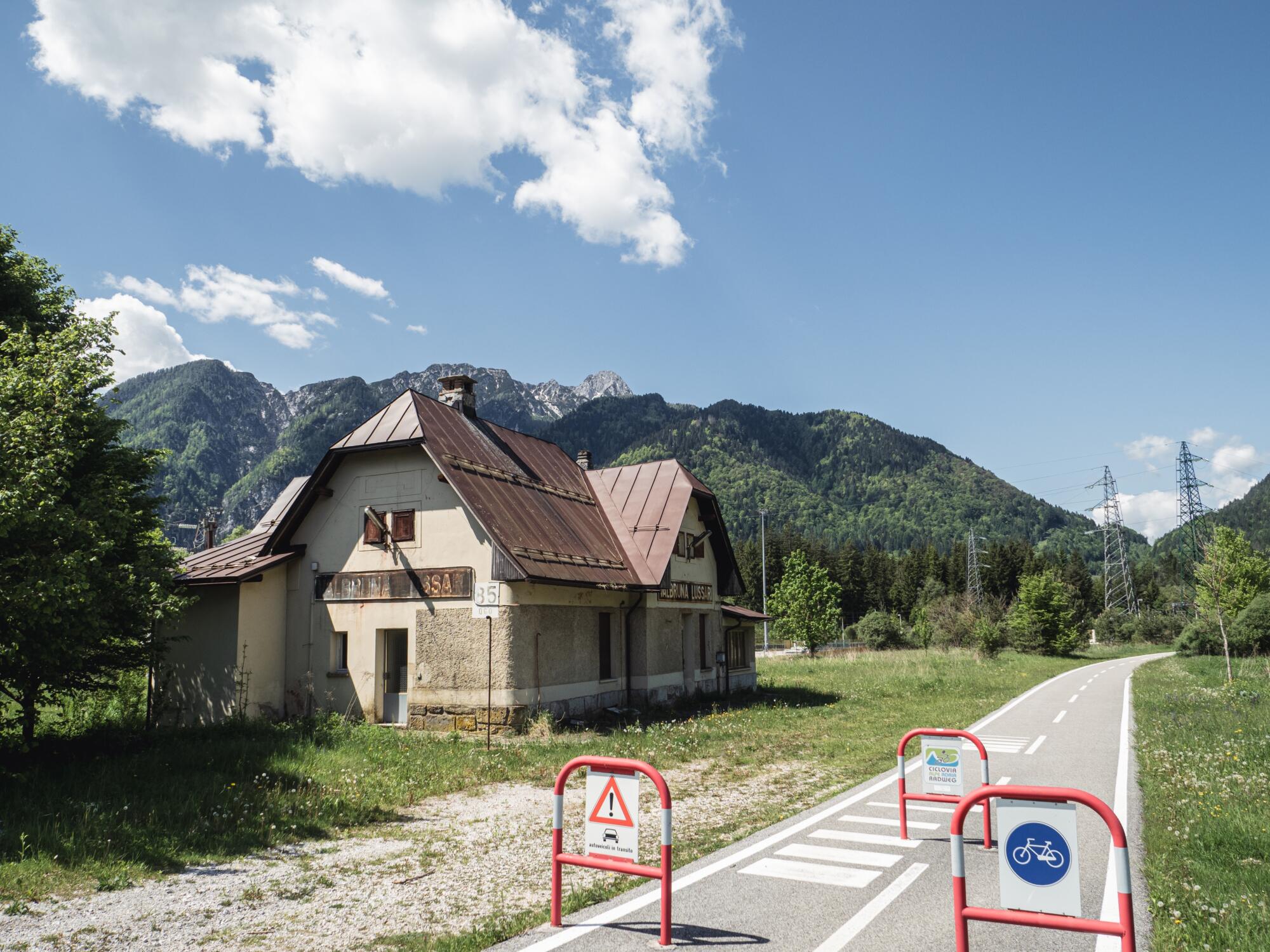
How Much Do We Move?

(Un)Equal Cycling
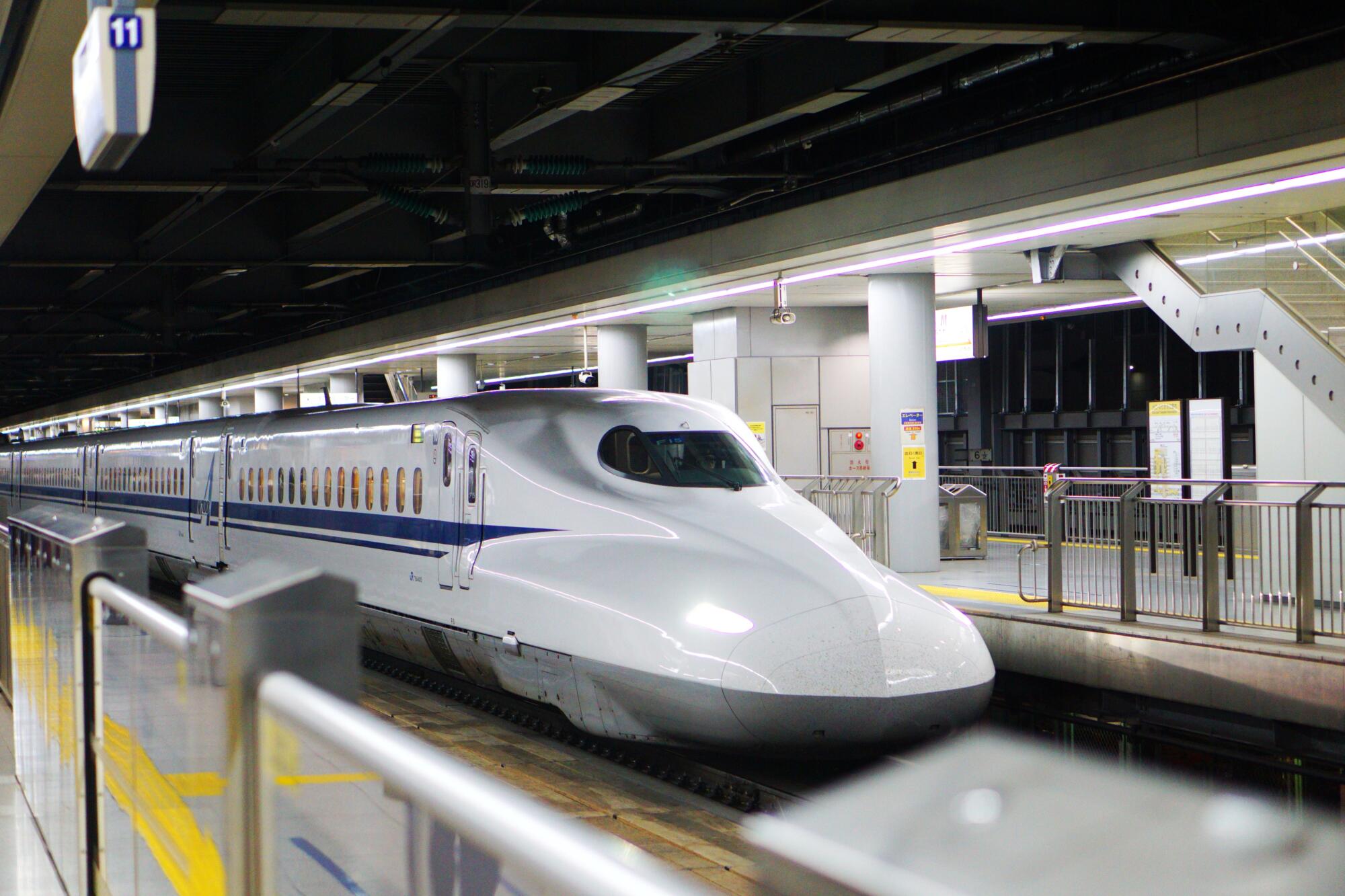
In The Train Of Thought

Cycling Lifelines
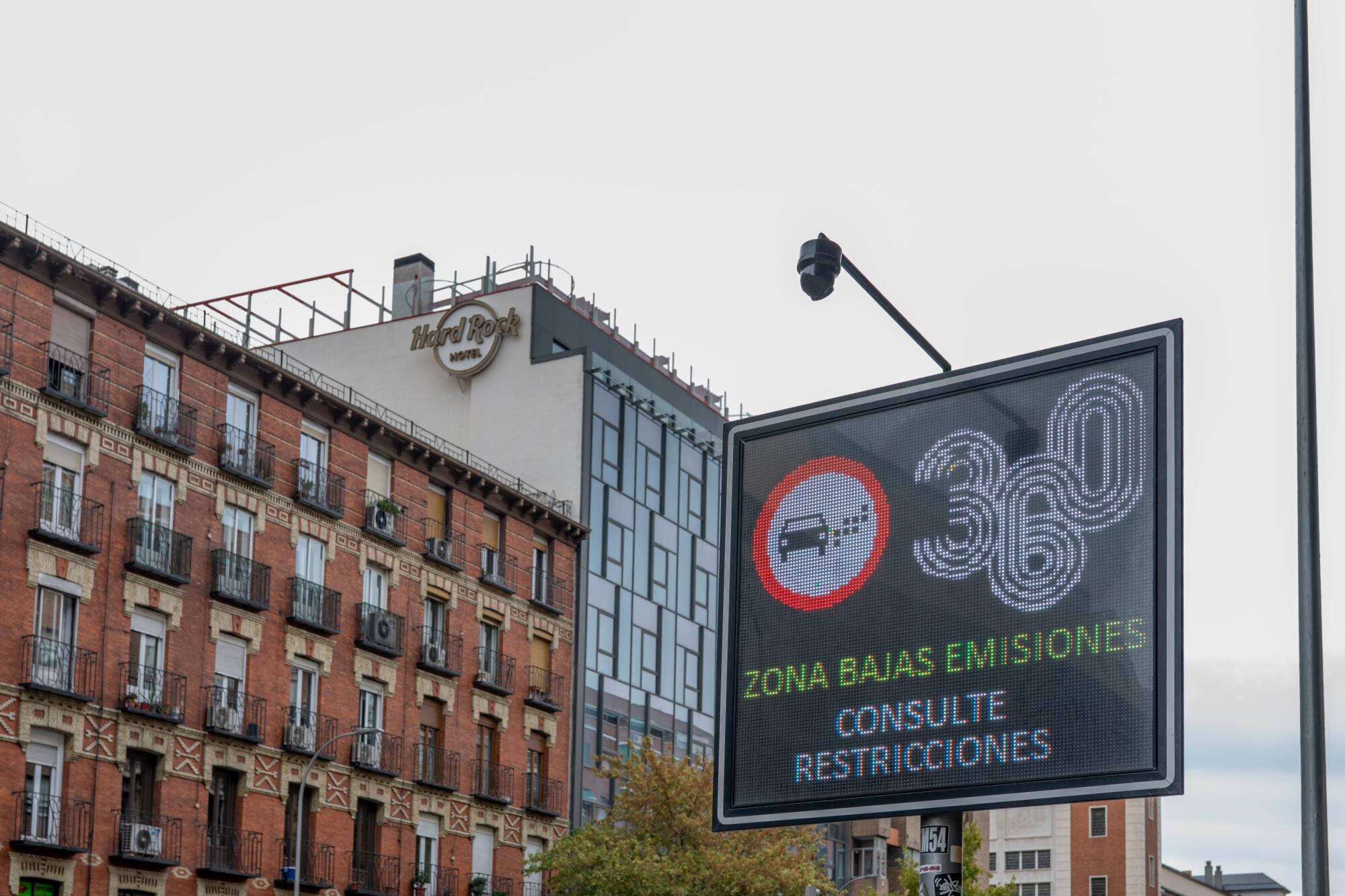
Current Of Change
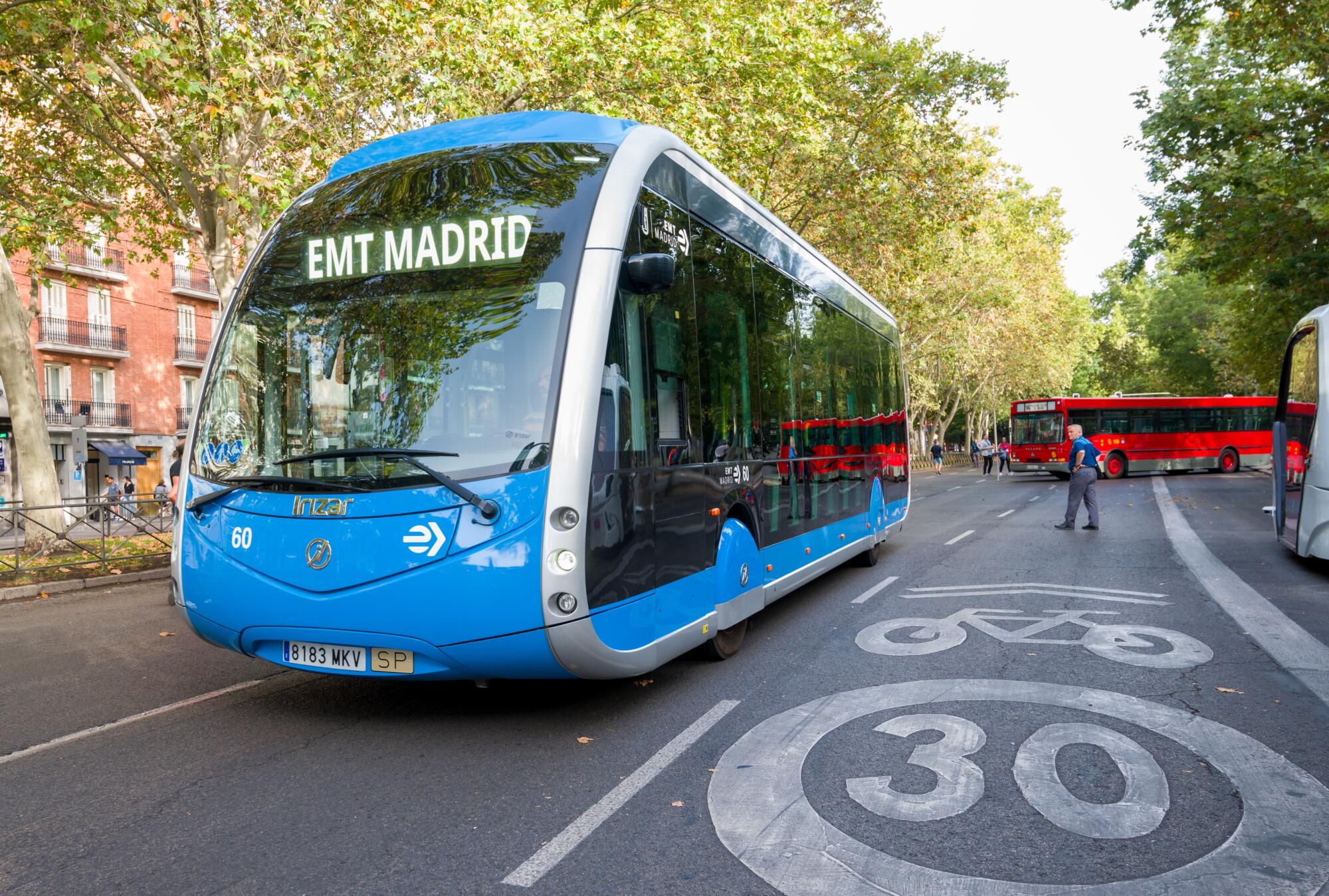
Striving Together
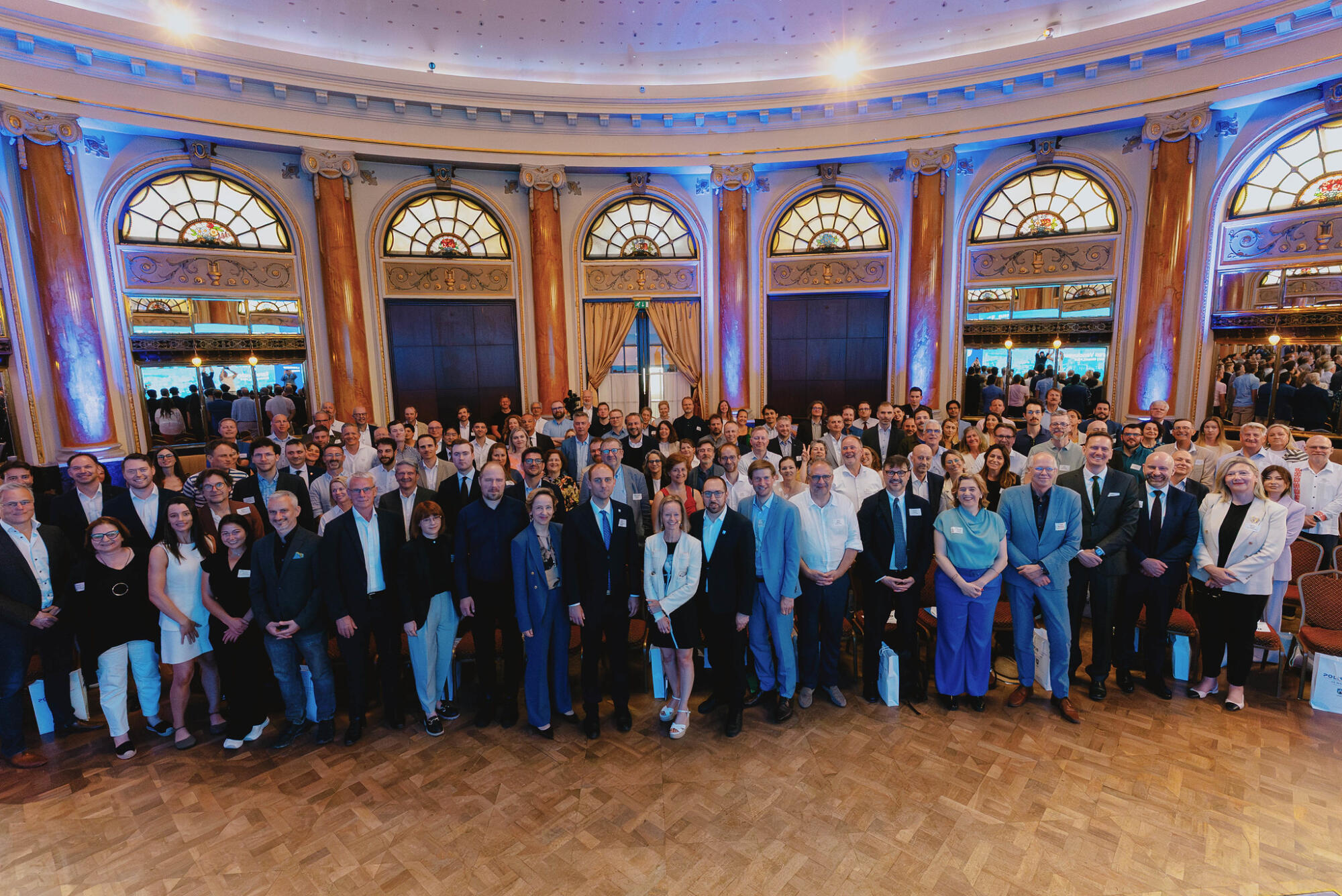
Leadership That Gets It Done
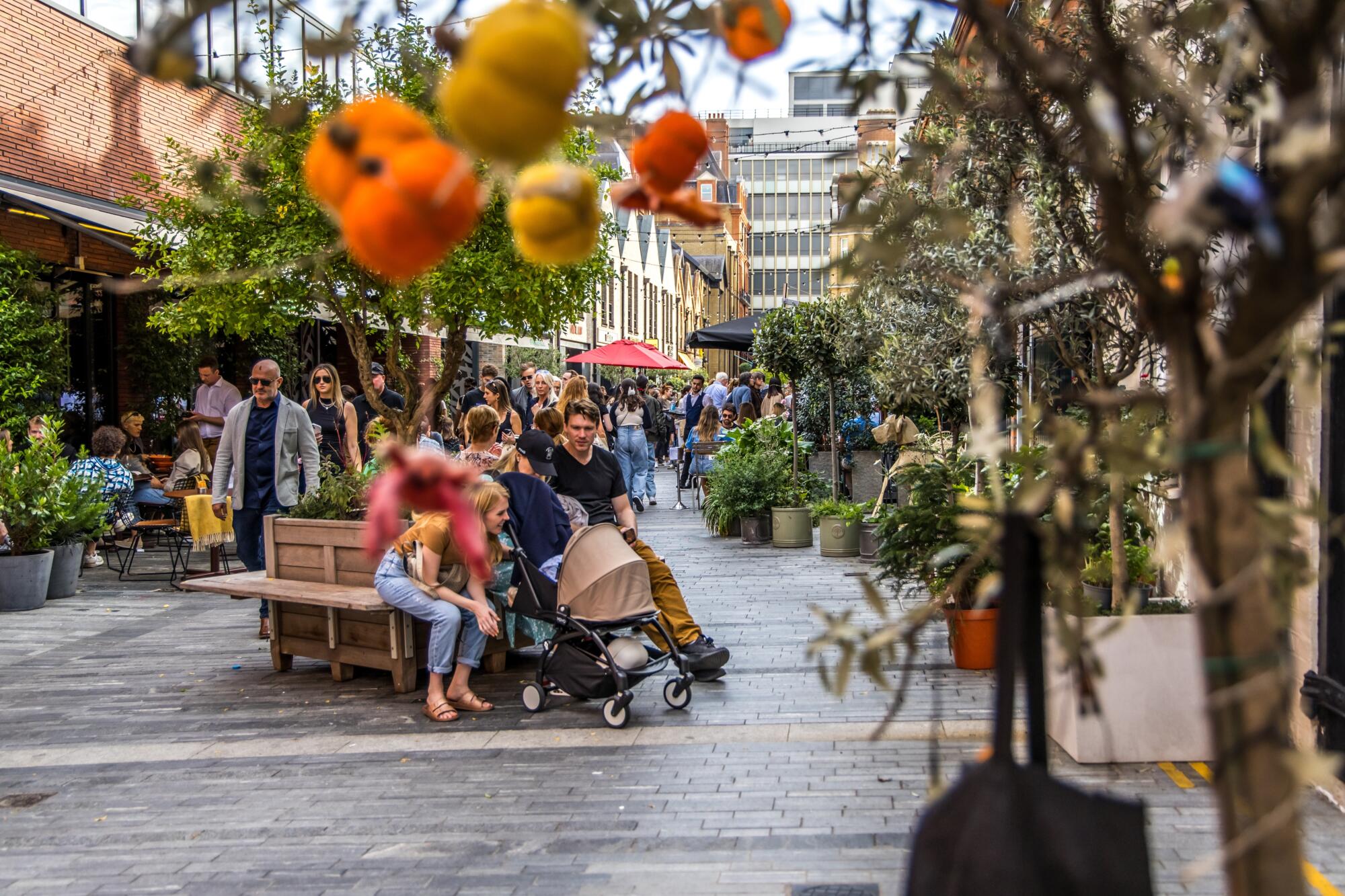
Designed To Deliver
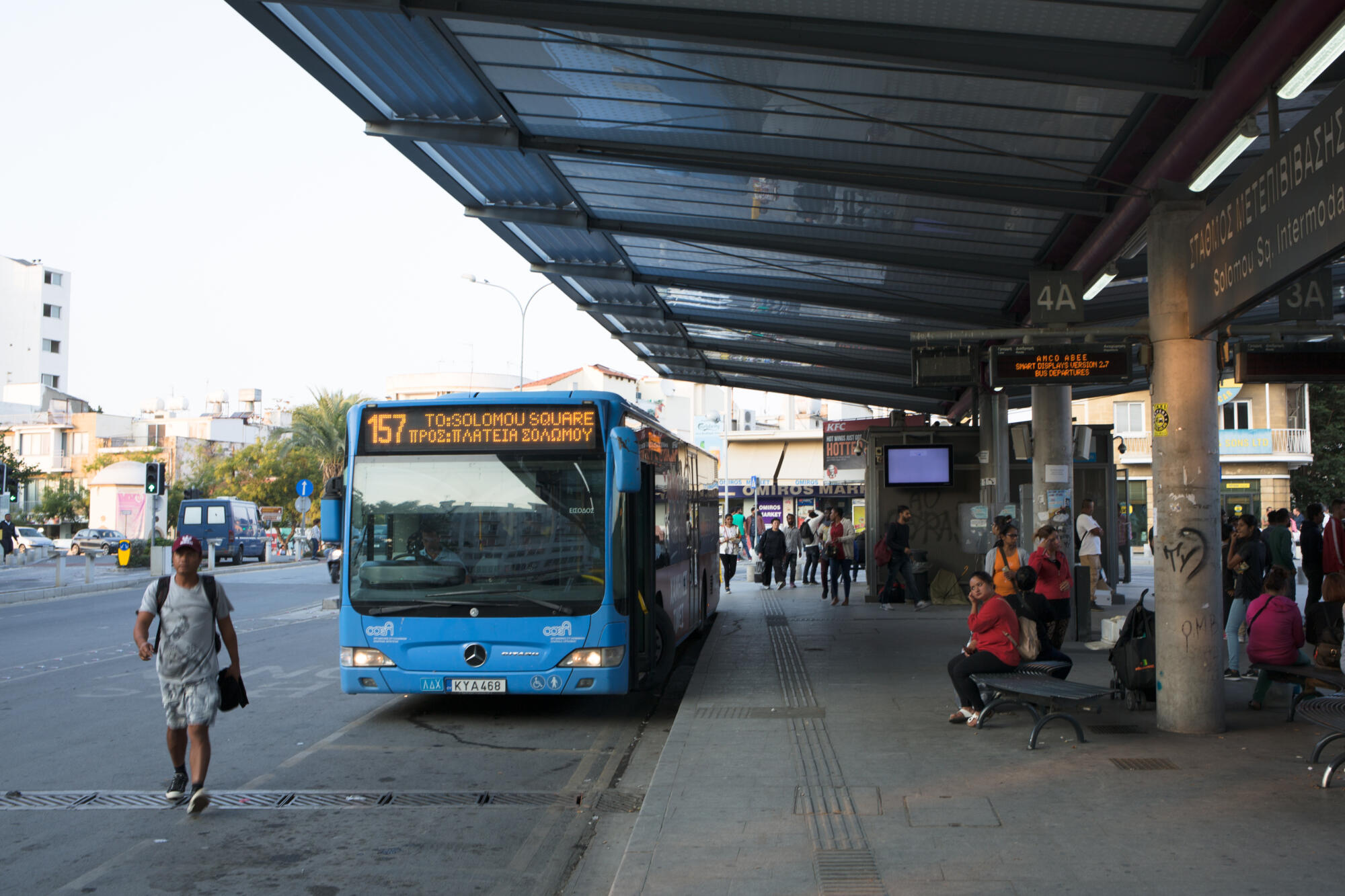
More Than A Stop
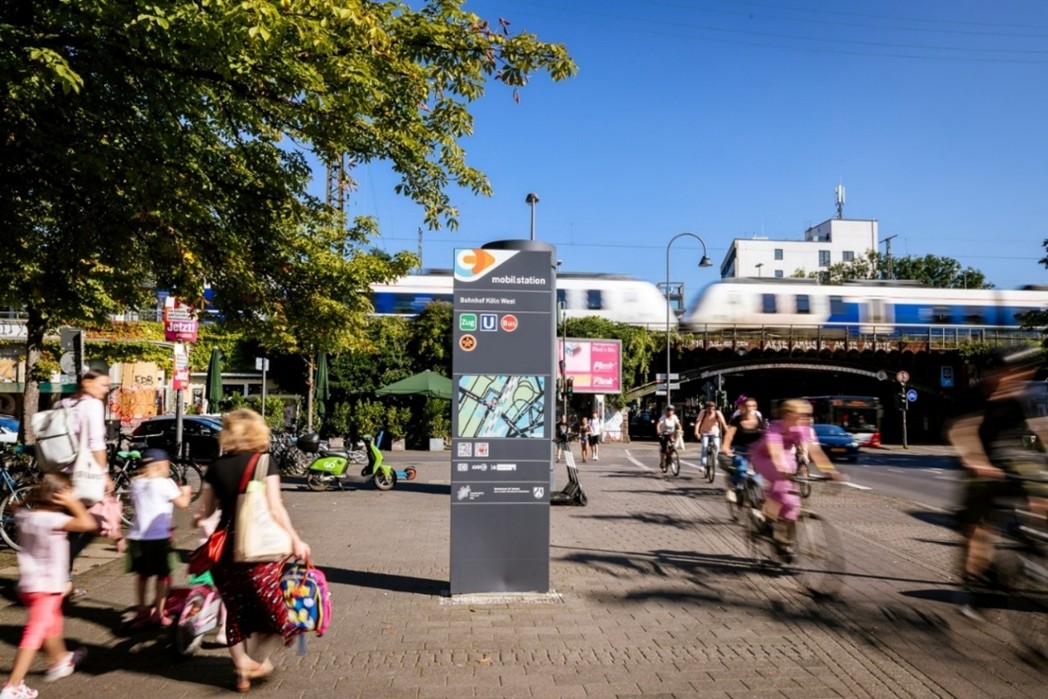
Connecting Beyond Borders
Mobility Haven

Wheels Keep Turning
- Related News
- Related Members
- Related Pages
Hot off the press! Read now Cities in motion #8 ‘Mobility Metamorphosis’

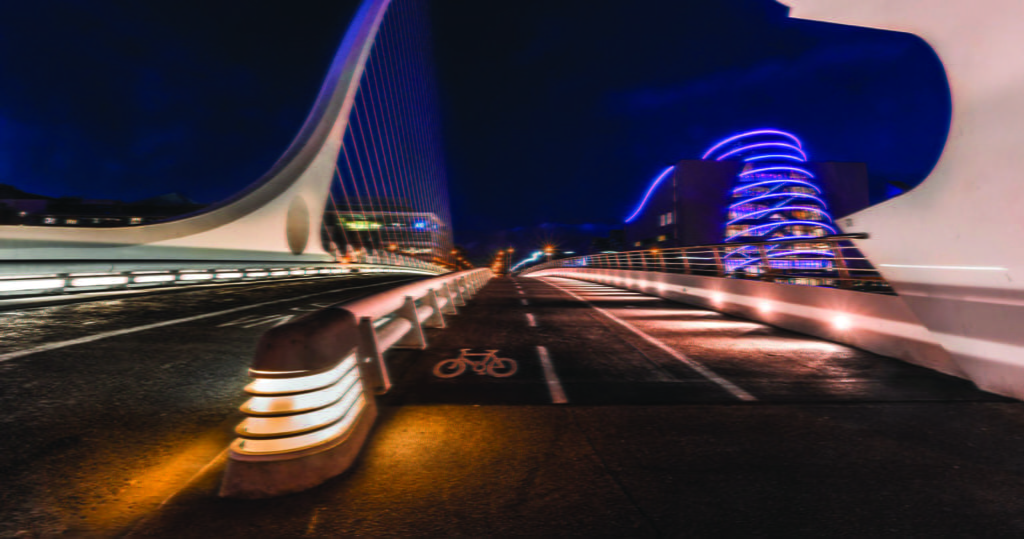
Dublin (NTA)

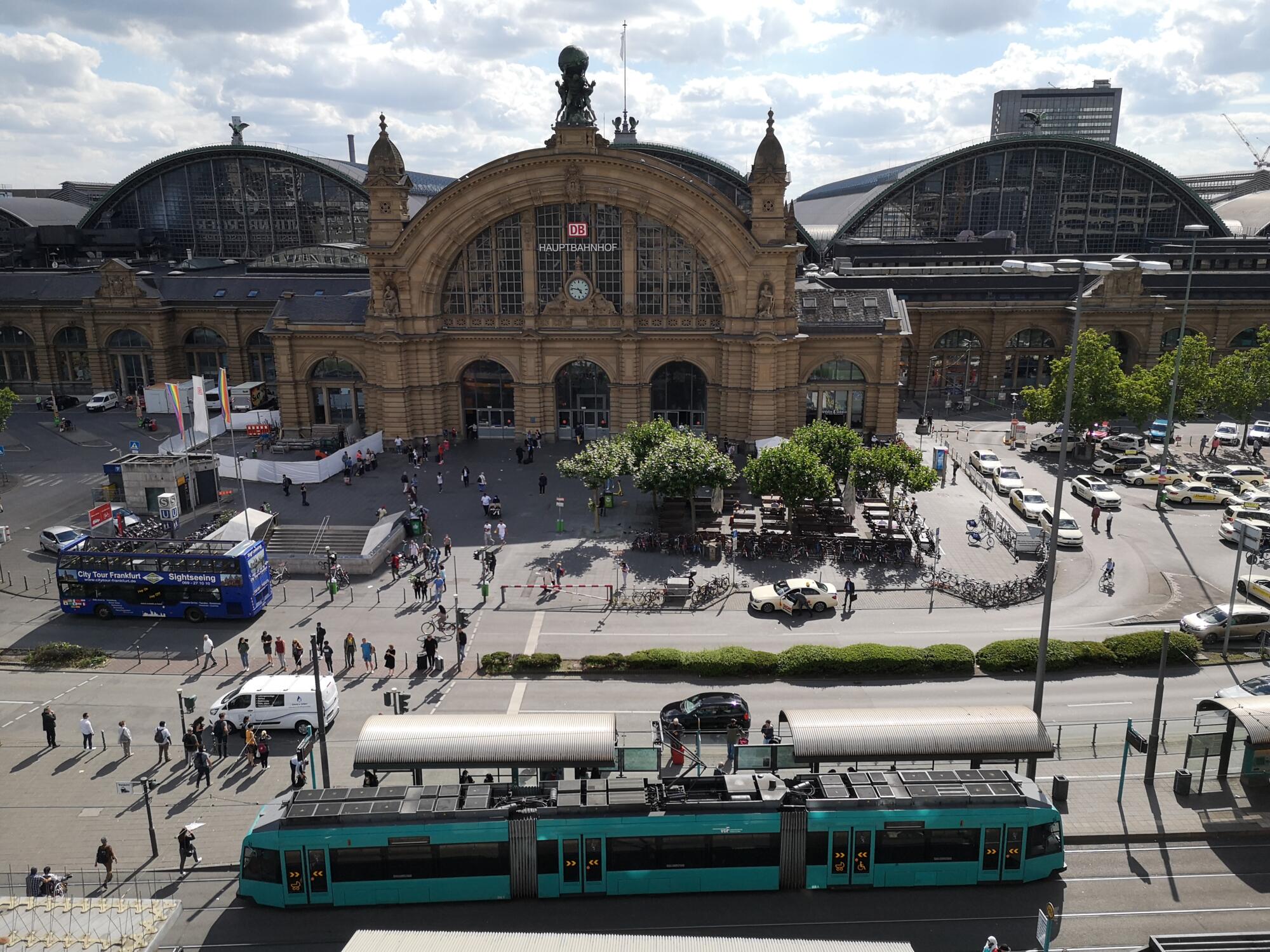
FrankfurtRheinMain Region
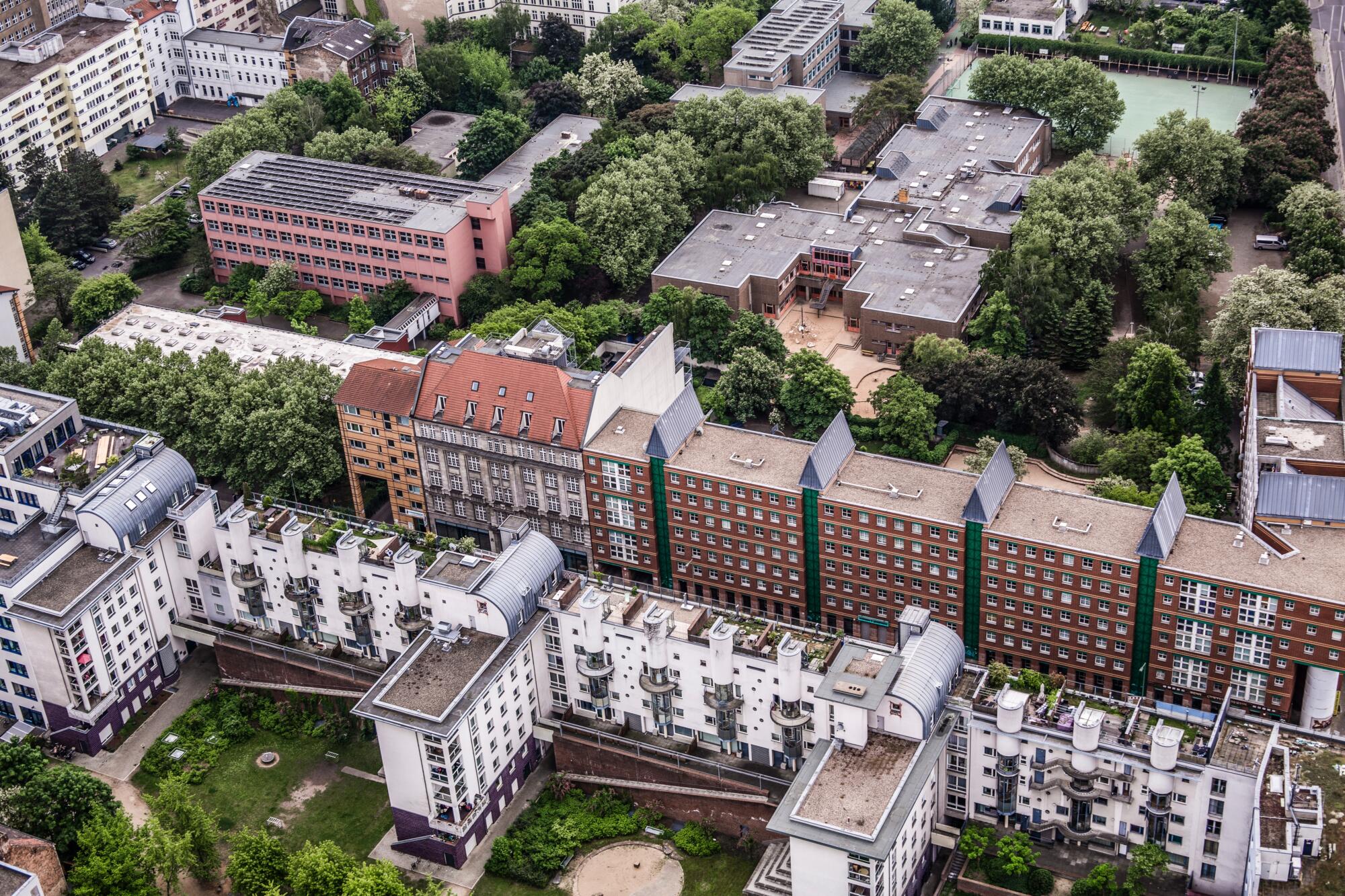
German Institute of Urban Affairs (Difu)
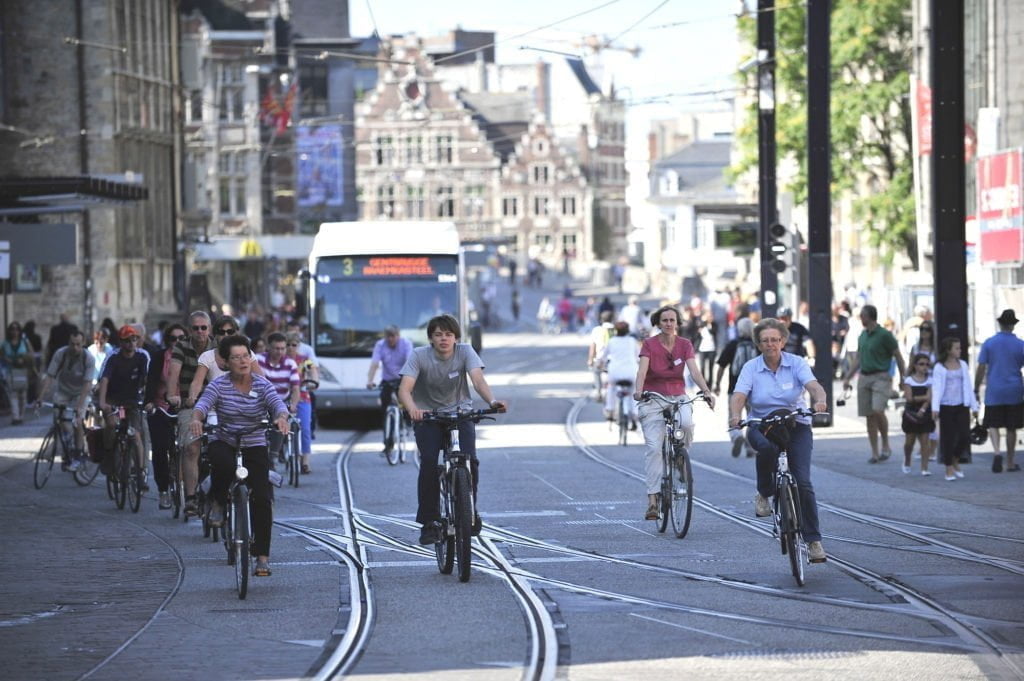
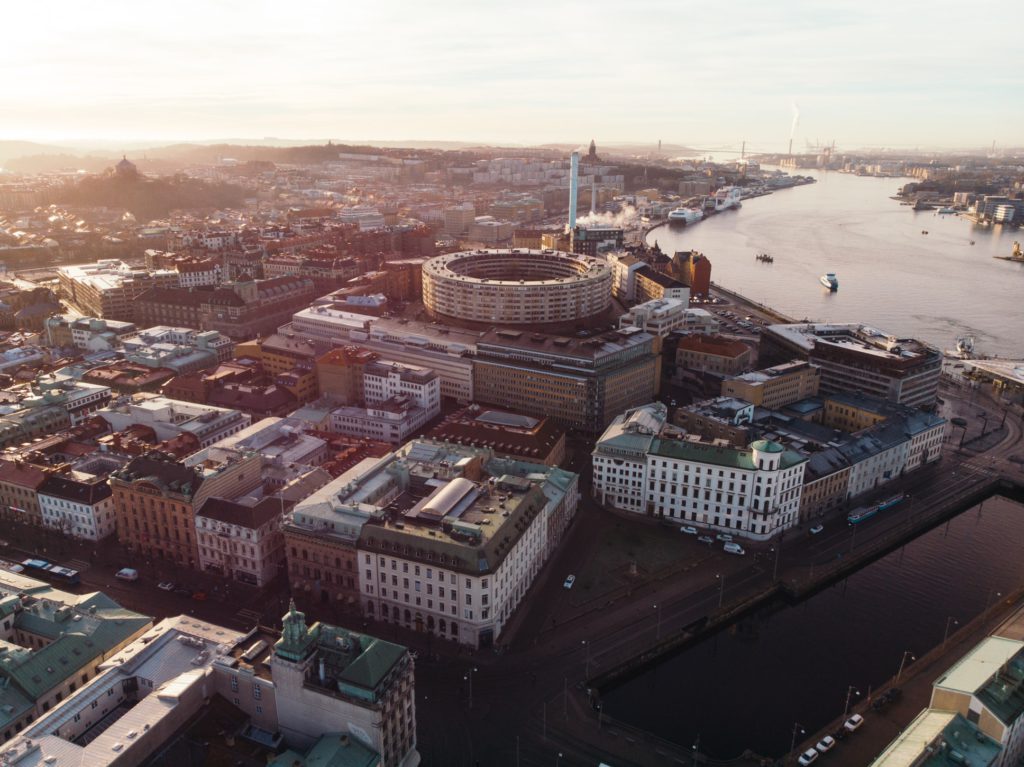
Gothenburg

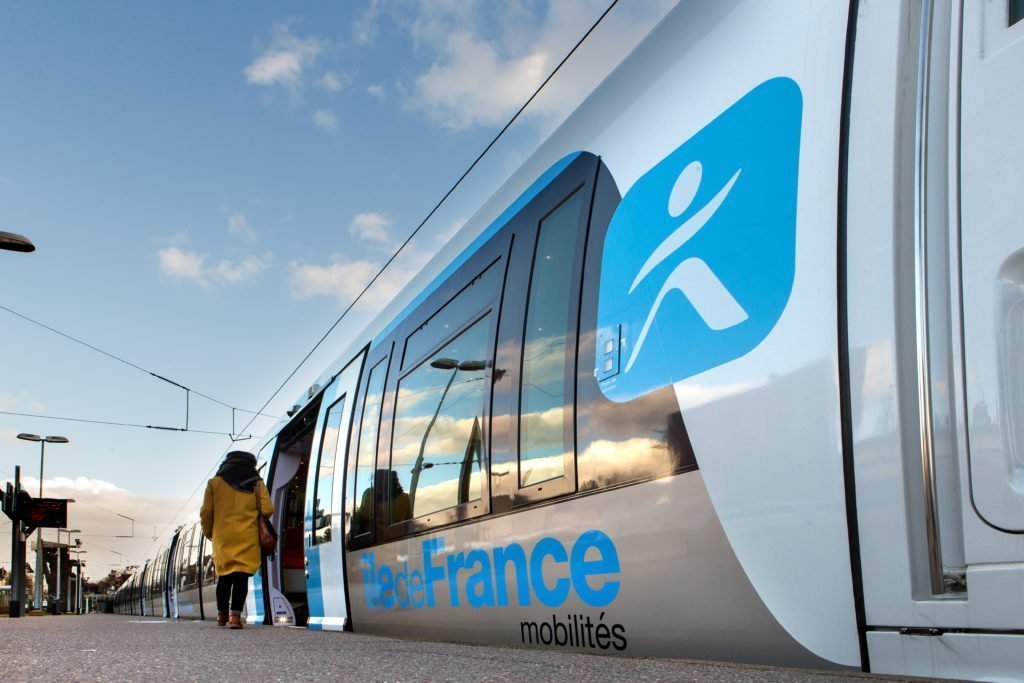
Ile-de-France Mobilités
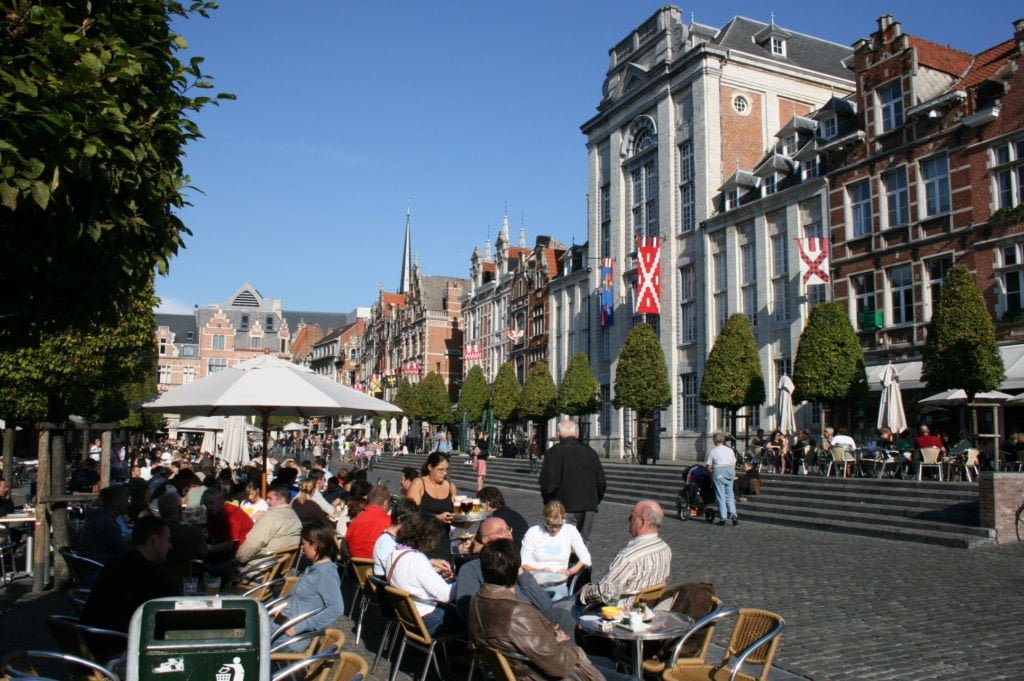
Lille Metropole
Manchester

North Rhine-Westphalia
Rome (servizi per la mobilità)