eHUBS
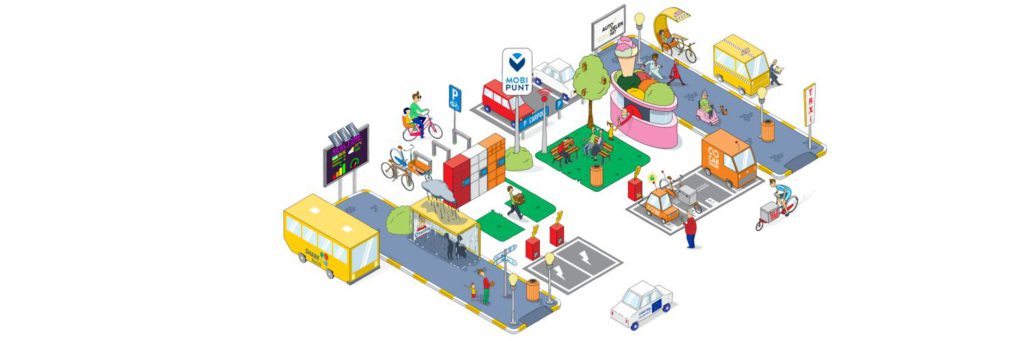
The eHUBS project will develop on-street locations that bring together e-bikes, e-cargo bikes, e-scooters and/or e-cars, offering users a wide range of options to experiment and use in various situations.
E-mobility solutions are growing in both popularity and range, with people now able to access e-bikes, cargo bikes, scooters and cars for purchase or hire. However, more action is needed to make these modes more commonly used in cities and achieve a further shift away from petrol and diesel cars.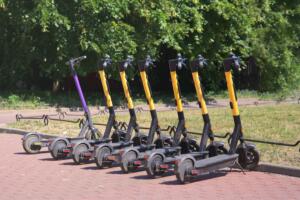
eHUBS aims to give a high-quality and diverse offer of shared electric mobility services to dissuade citizens from owning private cars, resulting in cleaner, more liveable and pleasant cities. Six partner cities and regions from five different countries - including Manchester, Arnhem-Nijmegen, Leuven and Amsterdam - will realise and promote eHUBS and pave the way for others to do the same. Consortium partners include POLIS, Newcastle University, TU Delft, Cargoroo and others.
The eHUBS implementation approach will differ according to the size and needs of the respective cities. In doing so, it will develop knowledge, best practices and a blueprint that would lead to replication of the experiences in other cities and regions, as well as a consistent reduction of air pollution, congestion and carbon emissions in the cities and a growing market for commercial shared e-mobility providers aligned with local policy goals.
Check below some of the project's key outputs!
- eHUBS Policy recommendations (2022): This document presents policy recommendations drawn from the project’s experiences and findings. It is intended to support potential replication cities in establishing an eHUBS network that facilitates a shift towards sustainable transport. You can read it here.
- eHUBS Best practices report (2022): This report provides guidelines developed from the experiences of pilot cities and consultations with partner providers of shared e-(cargo)bikes. The guidelines are organised into thematic modules and are designed to help replication cities plan and implement eHUBS within their own local contexts. You can access it here.
- eHUBS Case study (2022): The case study “Exploring the impact of shared mobility services on carbon and toxic emissions across all eHUBS cities and scaling-up for Manchester” examines whether eHUBS services help reduce the environmental impact of transport. It analyses carbon and air pollutant emissions to assess the contribution of shared mobility solutions. Access it here.
Want to keep up with the latest news? Visit the project's website and follow them on Twitter and LinkedIn.

- Related News
- Related Events
- Related Documents
- Related Members

Covenant of Mayors and Coalition of the Willing bring to life a new resource to lower emissions in urban mobility
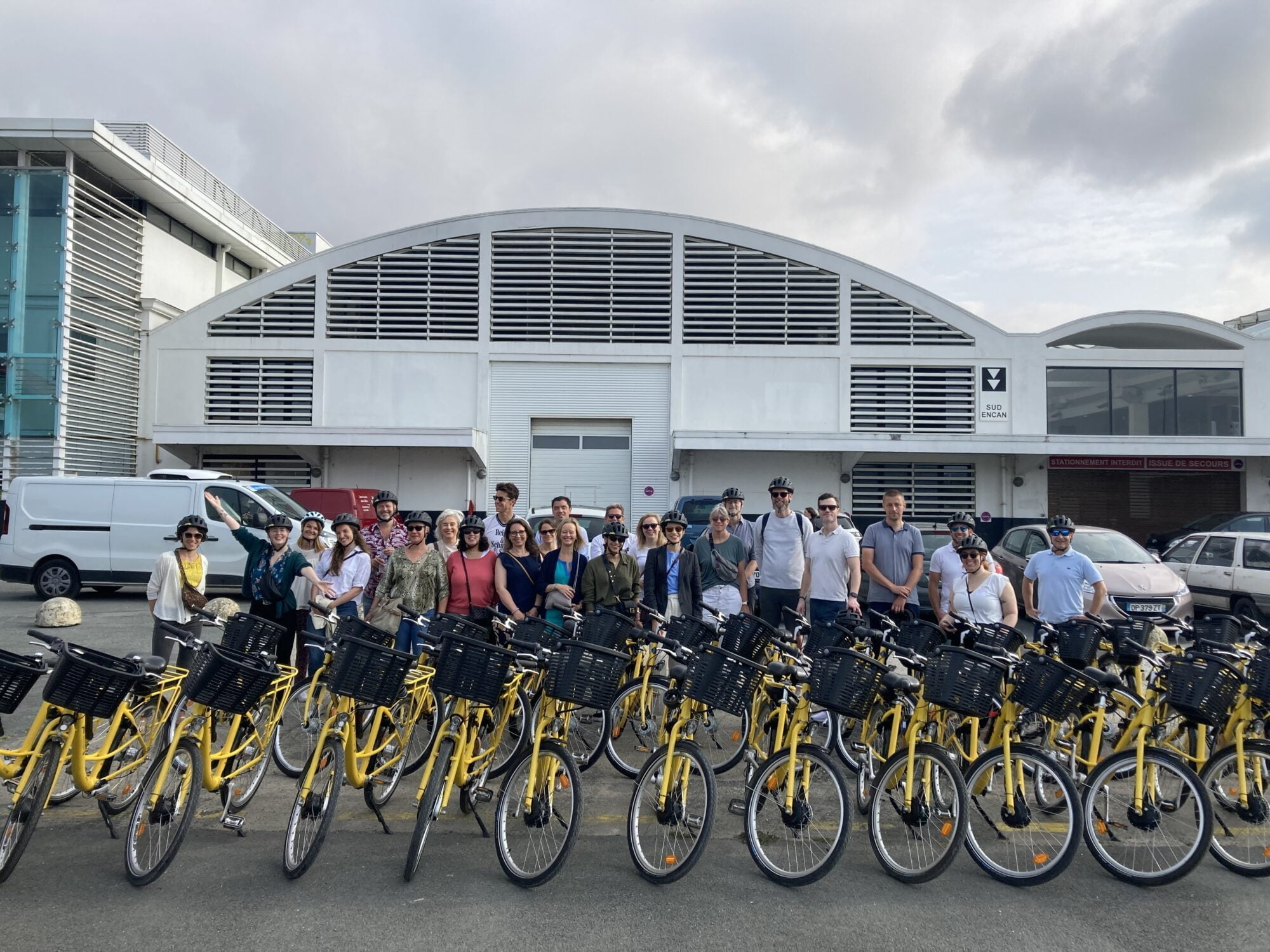
Deploying data, project engagement & pedal power: SMCs meet in La Rochelle

Leuven’s Park Belle-Vue wins the Public Space Award 2023
Say “Hello!” to SMAPE project

Become an eHUBS Replication City!
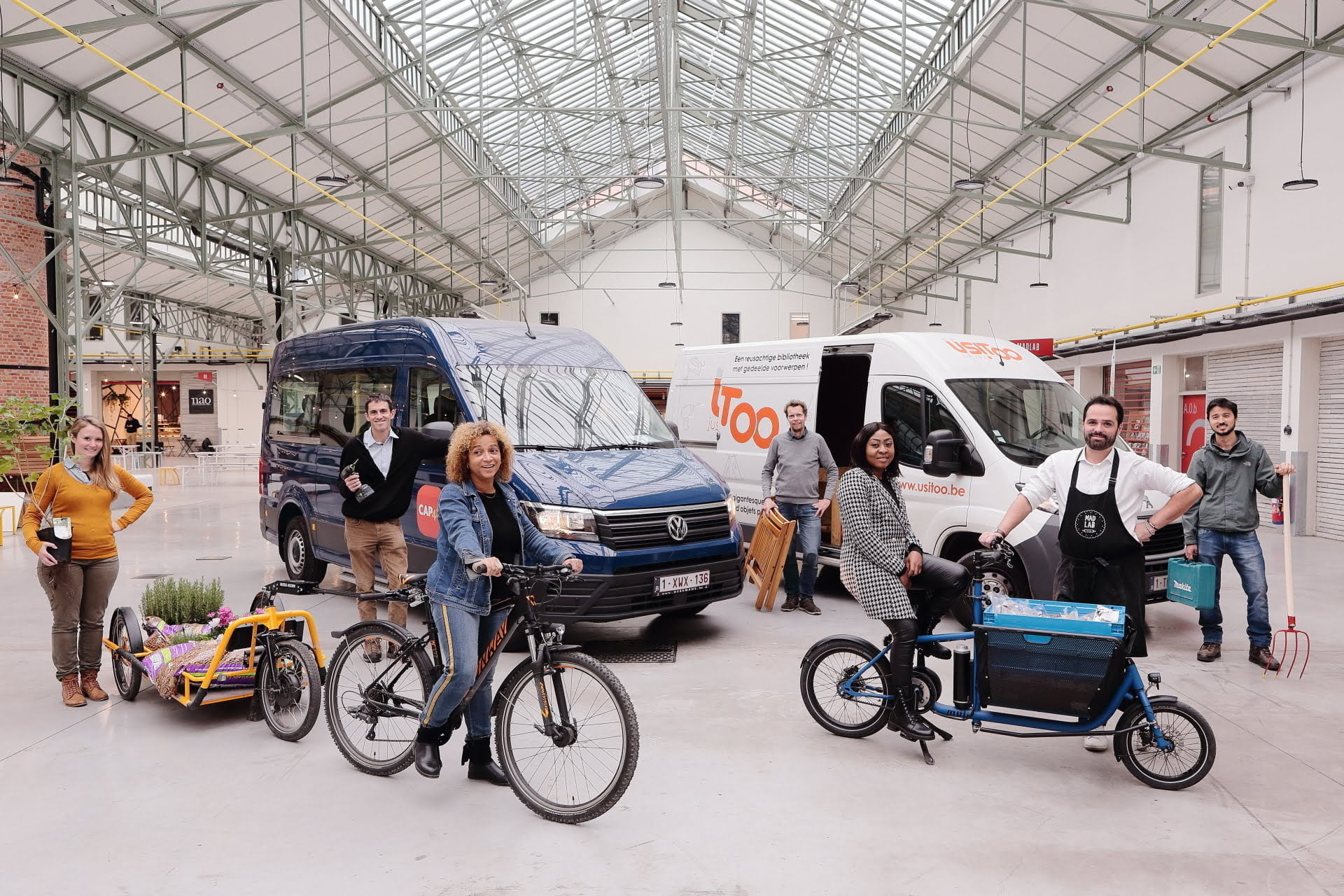
Doing more with less: 5 minutes with Mpact

eHUBS launches its Blueprint: a digital handbook for mobility planners to create shared mobility hubs, even amidst a pandemic!

Autodelen.net joins the POLIS family

Participate in the eHUBS International Academy 2022!
eHUBS wraps up at Metropolitan Mobility Conference

eHUBS shares 5th and 6th edition of webinar series
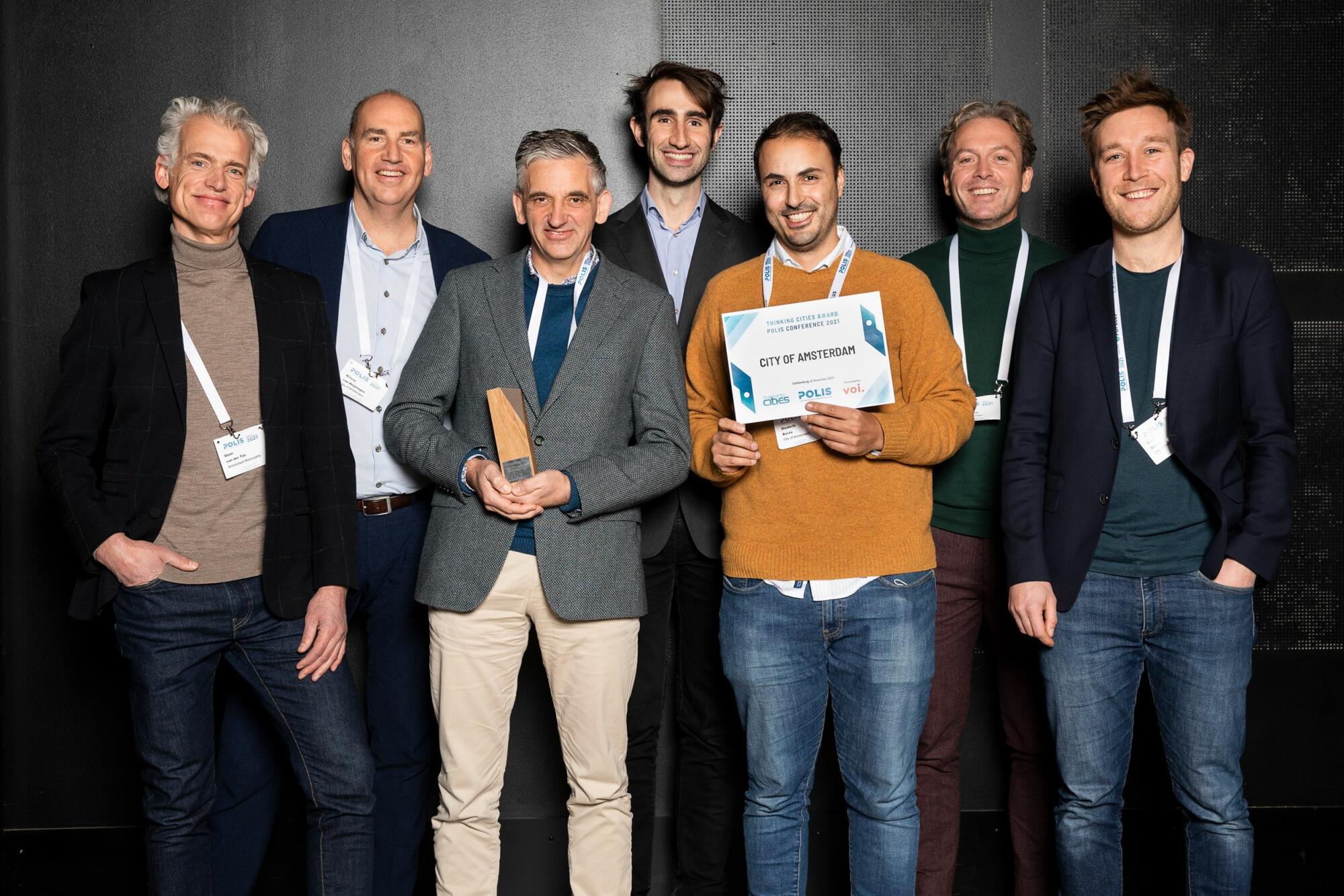
Amsterdam wins Thinking Cities Award
Sharing the load: Public Transport Lab examines new modal mixes
POLIS launches the Public Transport Lab, a webinar series on the future of public transport
Autonomy Industry Talks: POLIS members make a splash
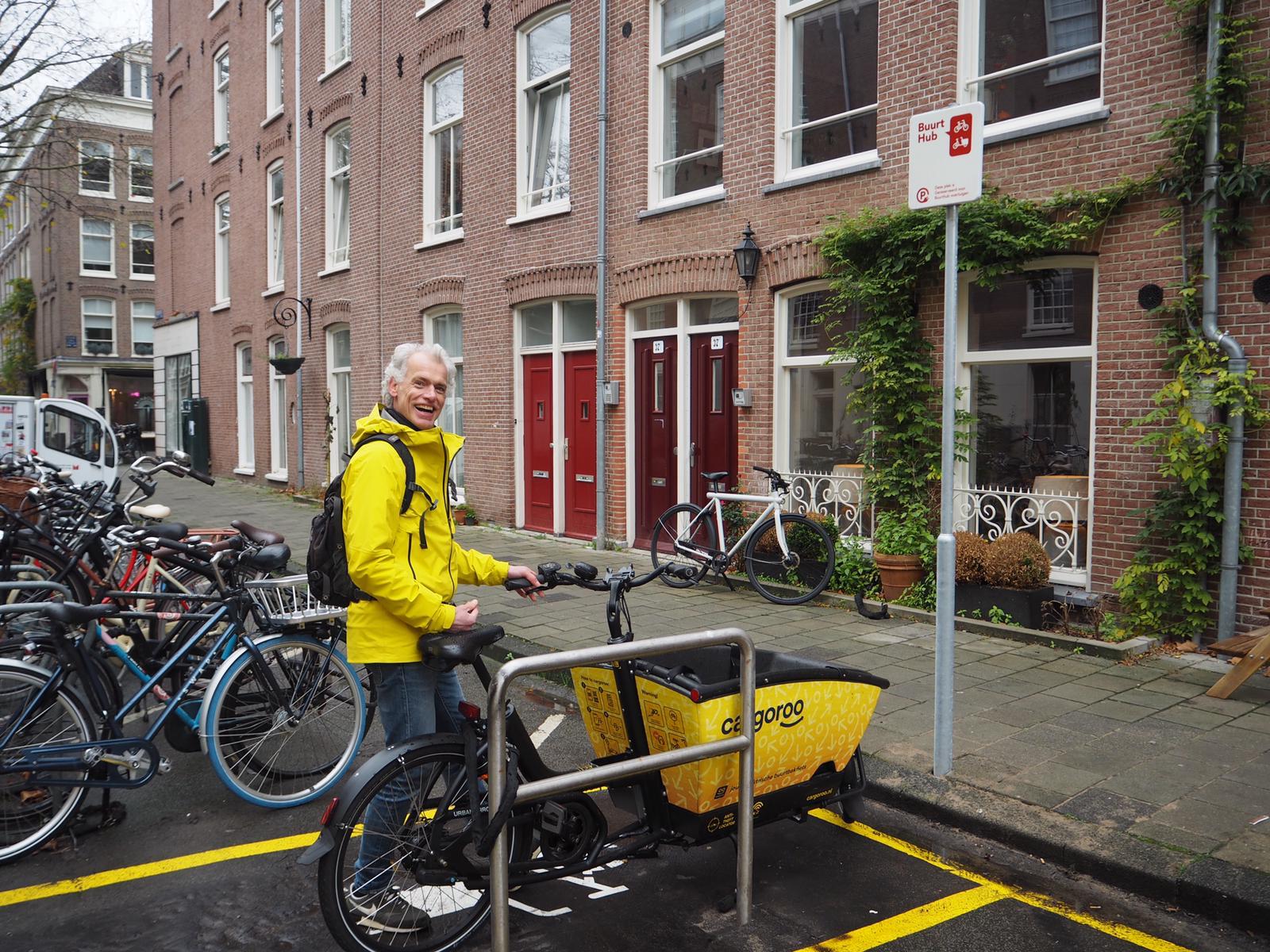
Amsterdam launches its first eHUB. With many more to come!

POLIS Secretary General speaks to IMET about the future of urban mobility
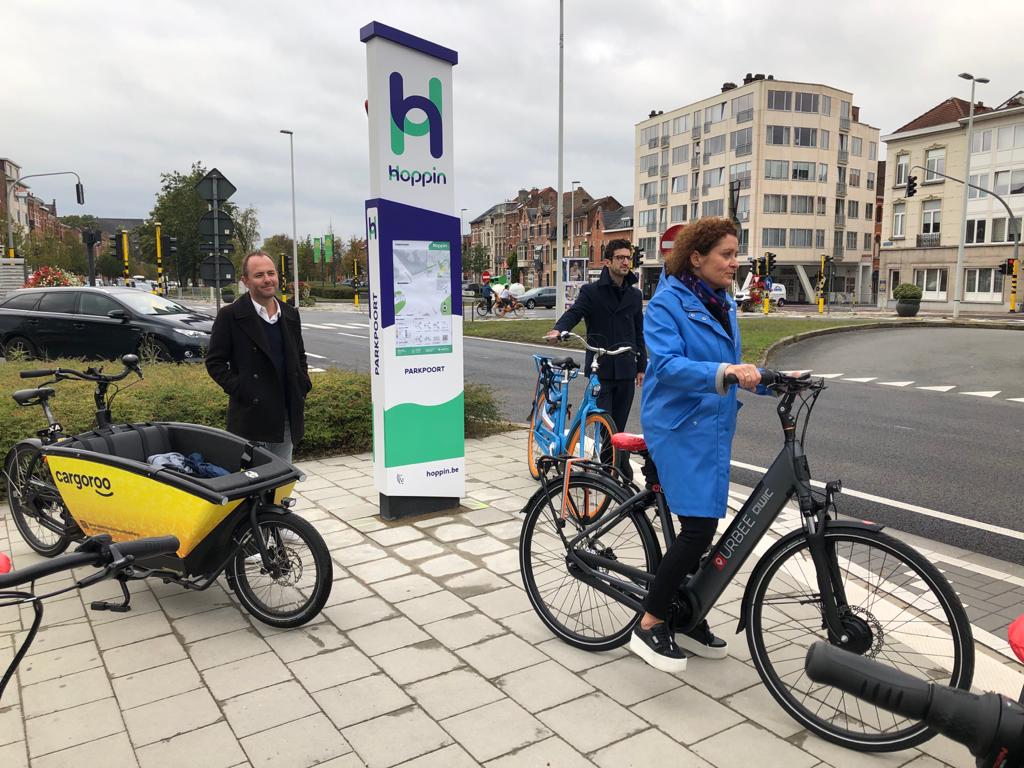
Leuven inaugurates first eHUBs at car-free day
eHUBS and transport modelling: the case of Leuven – Webinar report
Mobilising Mobility: A webinar series on turning European transport innovation into local action
Registrations are open for the eHUBS International Academy!
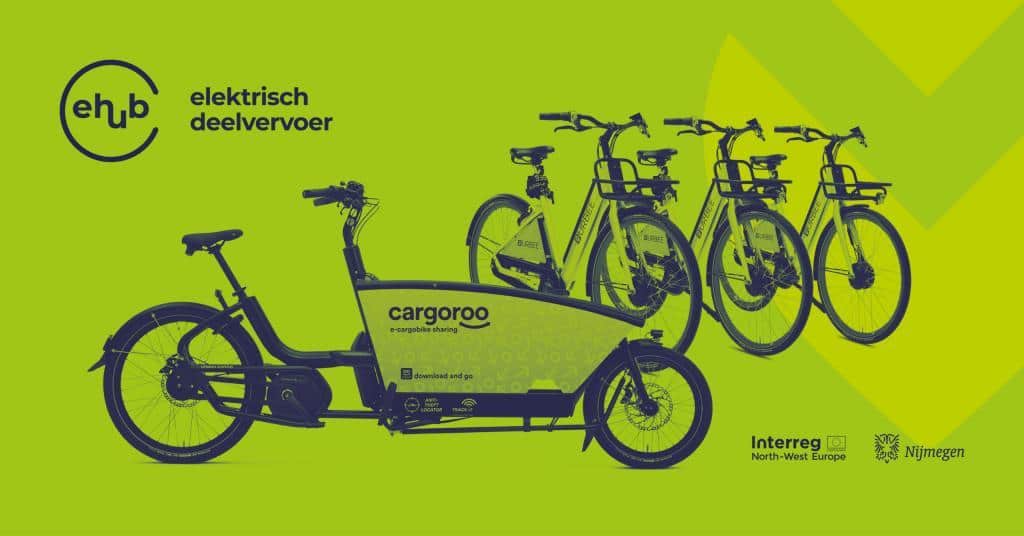
Nijmegen and Arnhem launch their first eHUB
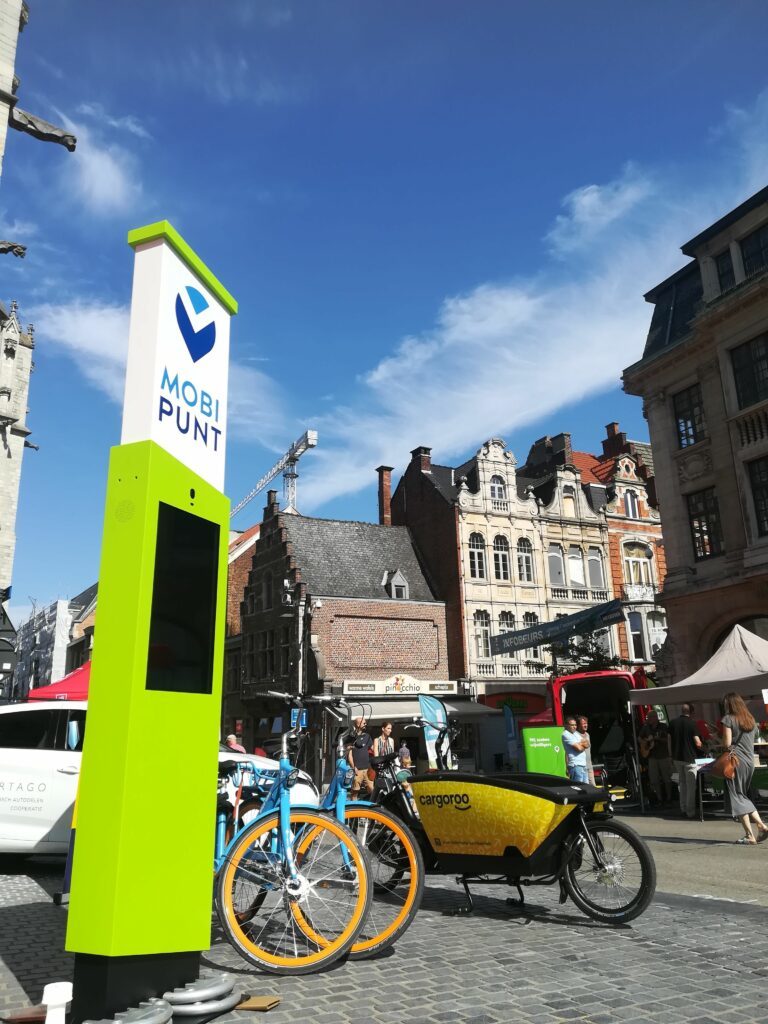
eHUBS hosts webinar on shared and electric mobility hubs
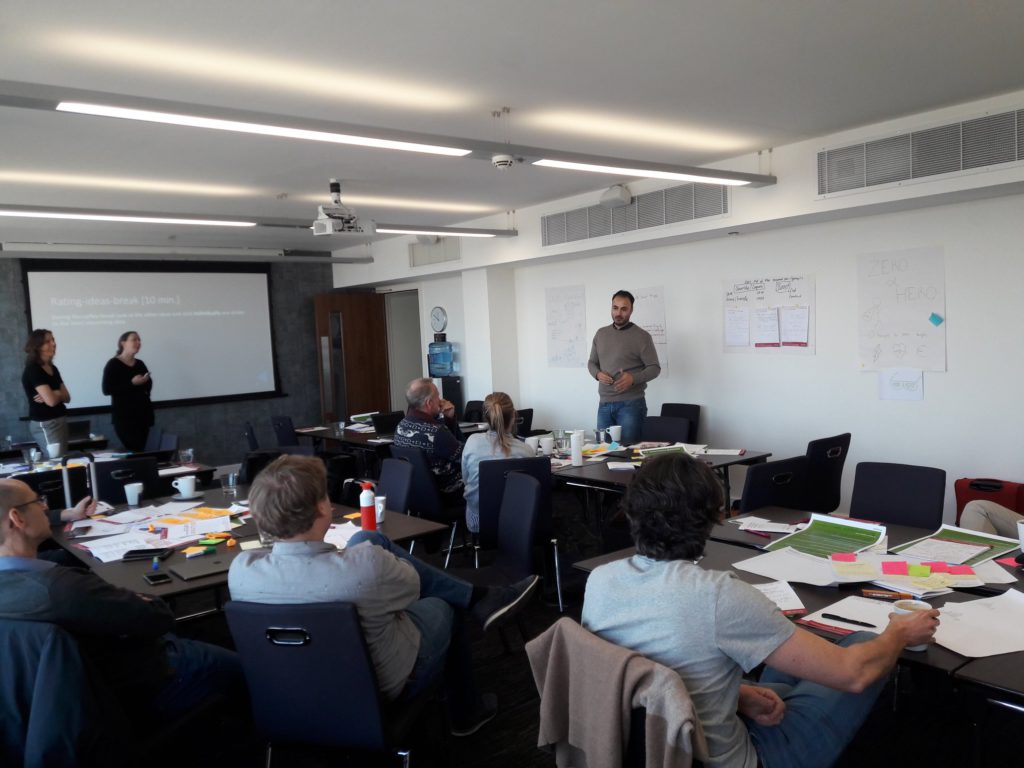
Ten recommendations to stimulate the uptake of shared electric mobility hubs
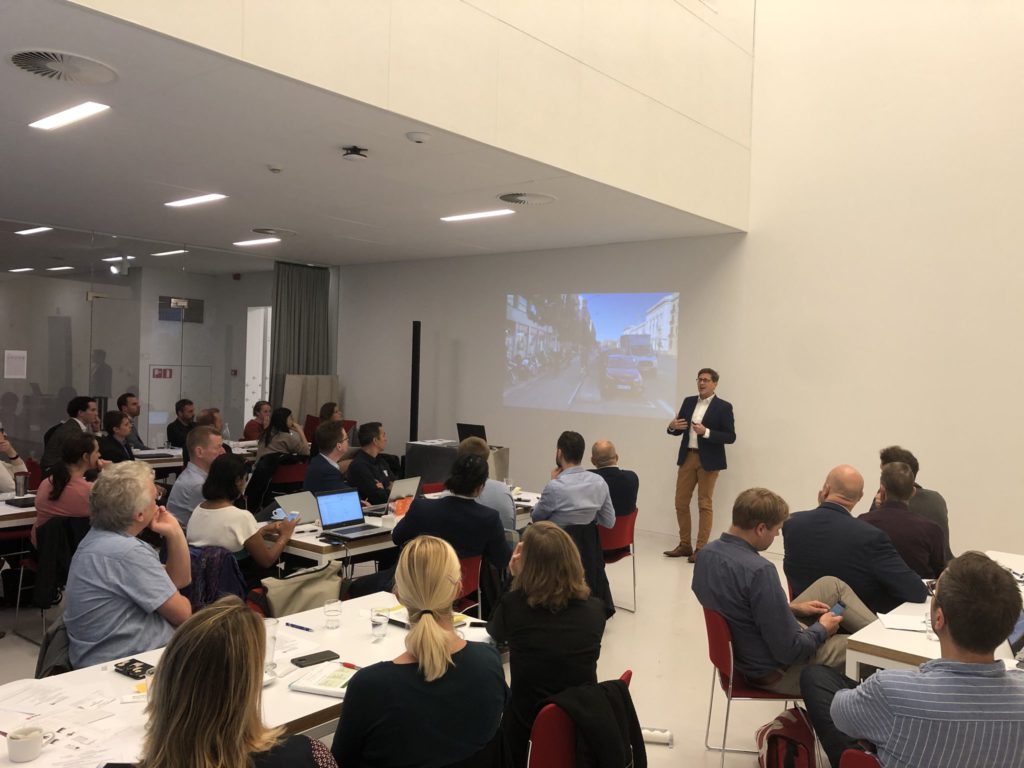
Cities join forces with mobility providers to identify business cases for eHUBS
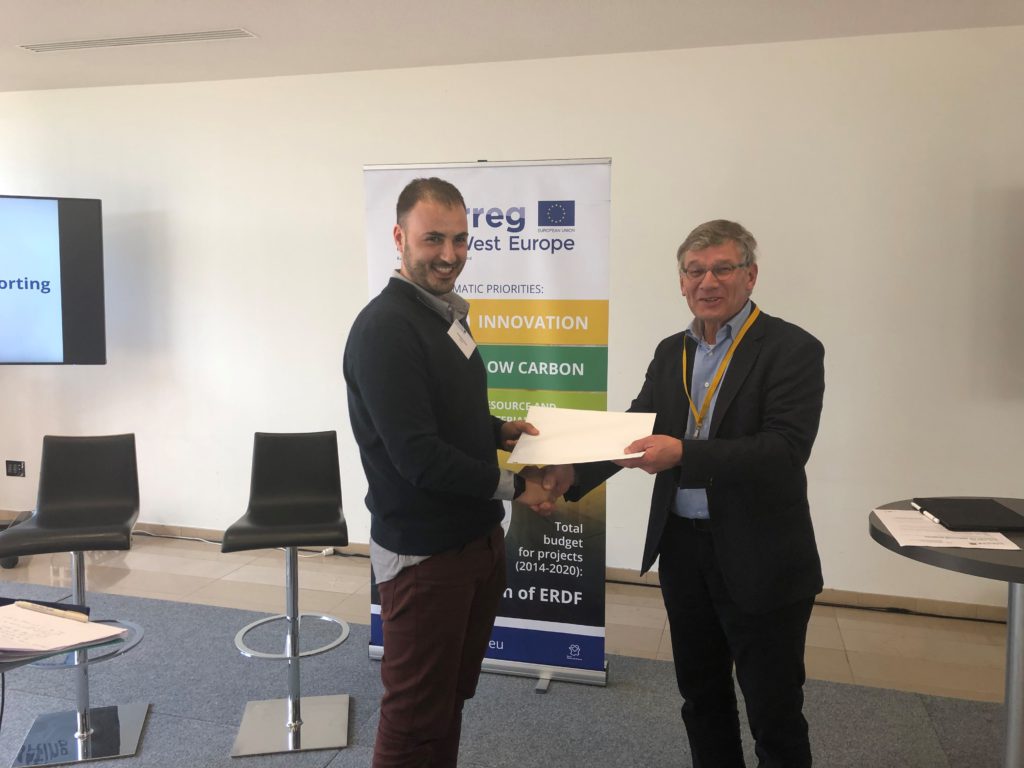
The eHUBS project kicks off
eHUBS, a project for shared electric mobility, is finally in the making
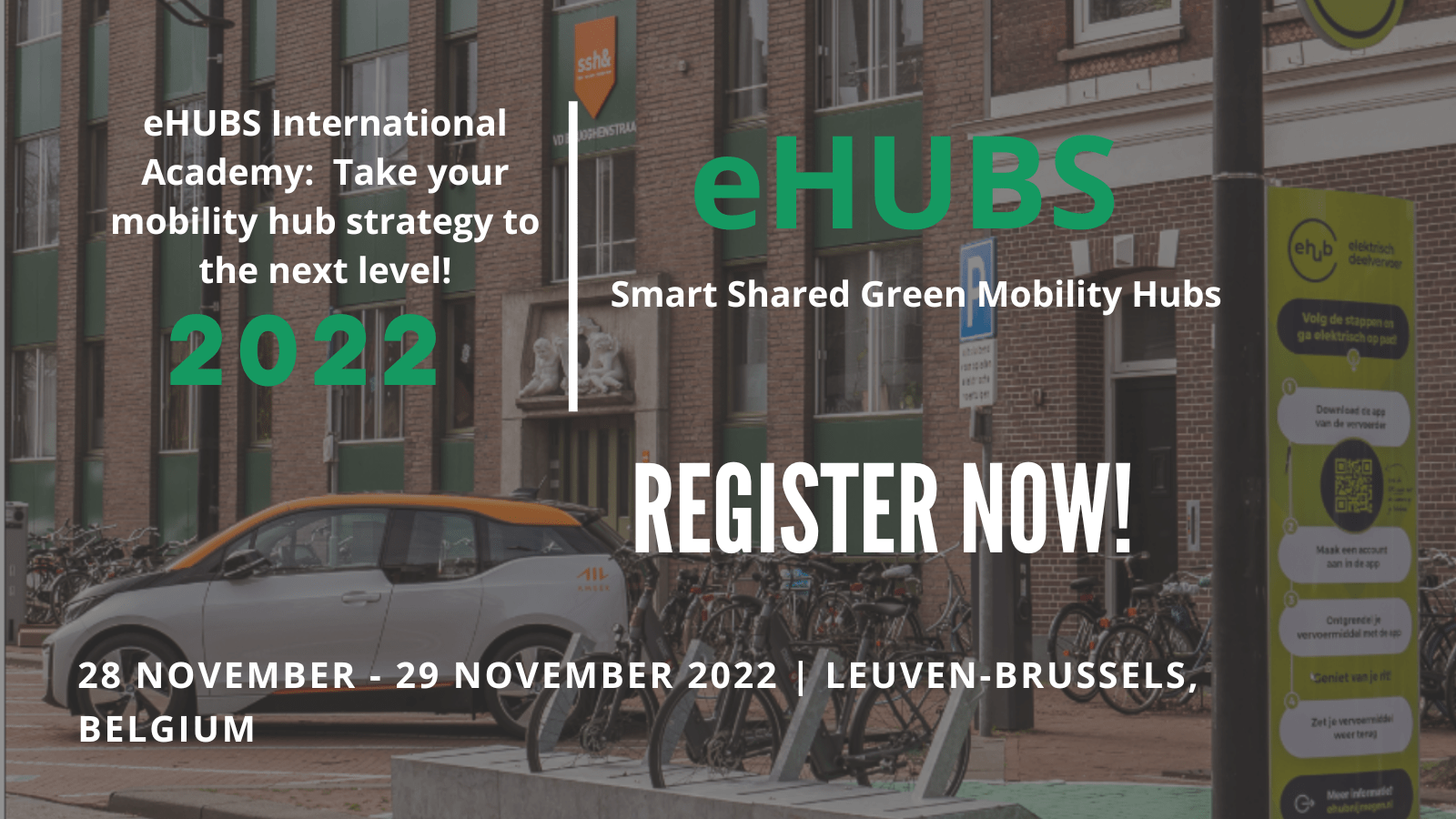
eHUBS International Academy 2022
eHUBS conference: Building hubs for sustainable and liveable cities
eHUBS 6th webinar: Potential Business models for eHUBS?
eHUBS 5th webinar: Communication strategy – eHUBS’ successful uptake
eHUBS 4th webinar: Planning and evaluation of eHUBS

eHUBS webinar on Interoperable Carsharing Operators

eHUBS webinars: ‘Data integration for eHUBS: TOMP-API and CDS-M’ (EN/FR).
eHUBS International Exchange Event
eHUBS International Academy is back!
Save the date! eHUBS Webinar – Behavioural change at electric mobility hubs
EU Conference on Access to Risk Finance for Clean Energy Technologies

eHUBS Webinar – How to plan your own eHUB?
Mobilising Mobility: e-Mobility hubs and transport modelling – the case of Leuven
Webinar – eHUBS: What are they and how do they connect different modes in a MaaS landscape?
SHARE-North Mobility Hub Planning Academy

Arnhem Nijmegen