EUROPEAN MOBILITY WEEK 2026 proved that sustainable mobility makes cities more lively
EUROPEAN MOBILITY WEEK 2026 has just come to an end. Thousands of cities across Europe, including many POLIS members, and hundreds of organisations have taken part in the initiative, showcasing that sustainable urban mobility is healthy and fun.
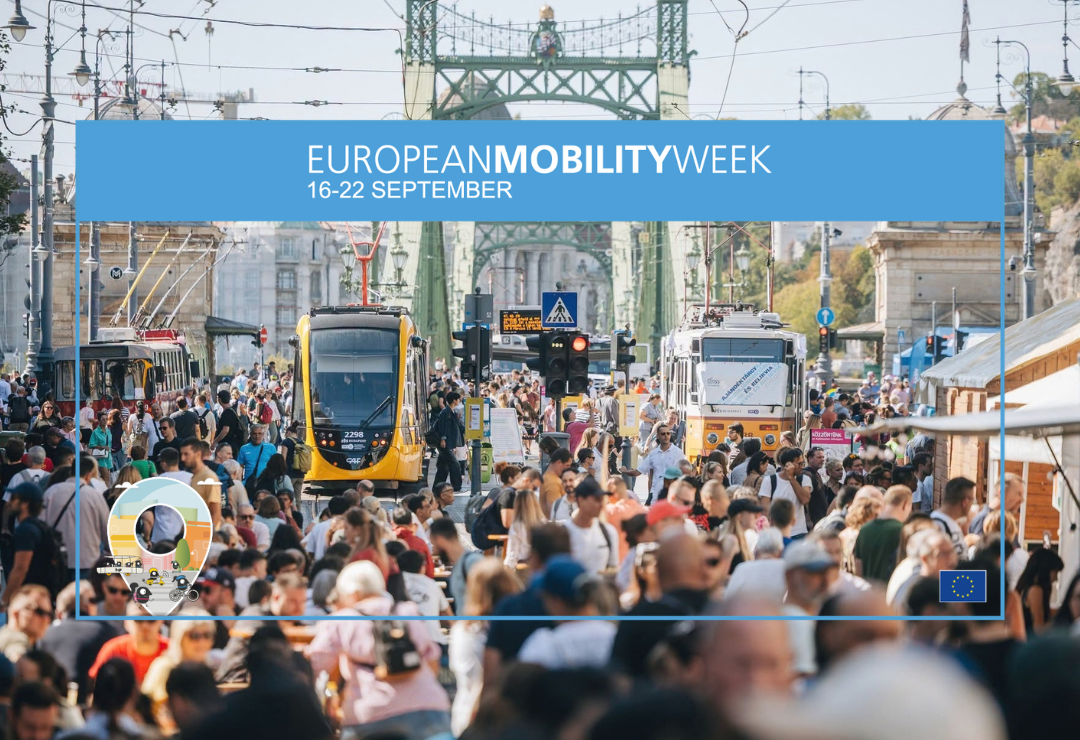
EUROPEANMOBILITYWEEK (EMW) is the European Commission's flagship campaign to raise awareness of sustainable urban mobility. It takes place annually, starting on 16 September and ending with Car-free Day on 22 September. This year's theme was 'Mobility for Everyone', with a special focus on intergenerational fairness. The aim therefore goes beyond ensuring accessible, safe, and inclusive transport, but takes into account people of all ages and their different needs and challenges, as well as considering the impact on future generations.
For municipalities, Mobility Week offers a valuable opportunity to involve citizens and encourage positive behavioural shifts, support the use of more sustainable transport modes, and showcase innovative forms of clean mobility. Each year, many POLIS members participate in the initiative, organising original, engaging activities for all ages, and many hold a Car-free Day, or even an entire weekend.
Bring everyone to the party

A kid on the driving seat of a bus in Hospitalet de Llobregat — Credit: Moventis
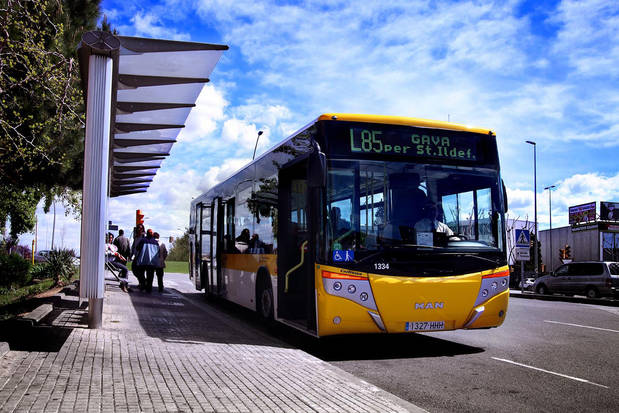
In Spain, Hospitalet de Llobregat hosted a 'Sustainable mobility fair' throughout the entire city. Children and adults took part in games, painting workshops, and educational activities, getting to know the city's commitment to safer, healthier, and more sustainable mobility options, as well as promoting intergenerational exchange. Vitoria-Gasteiz promoted active travel to younger generations by organising workshops and family games aimed at demonstrating bicycle skills and teaching micromobility regulations, as well as a family bike ride through the city centre. Bilbao offered educational talks on road safety, on the health benefits of active travel, and professional opportunities in the sustainable mobility field, a photo contest, walking tours, and showcases of electromobility infrastructures. The city also organised a bike Sunday targeted mainly to families, including a bike repair workshop and a second-hand bike market.
The Portuguese capital Lisbon focused on promoting active travel, particularly cycling, with activities such as cycling tours, cycling lessons, and basic mechanics workshops aimed at children. The city also placed the spotlight on bringing people together through local markets and transforming public spaces into meeting points by closing the streets to cars in some neighbourhoods. To promote accessibility, at the Alvalade Market people have the chance to discover more about the daily mobility challenges of people with disabilities, simulating scenarios and real-life obstacles.
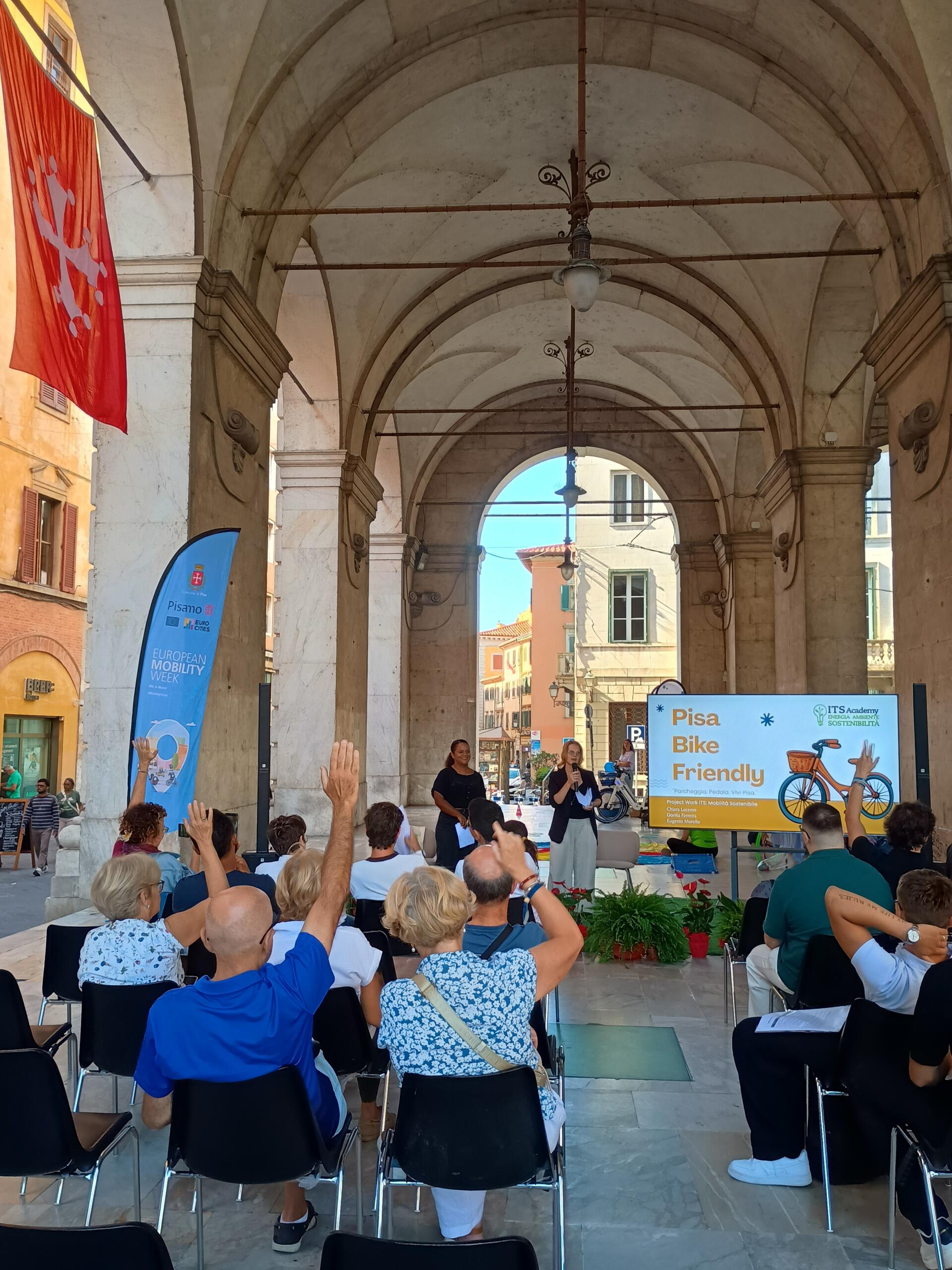
An event on promoting cycling in Pisa — Credit: Salvatore Di Noia
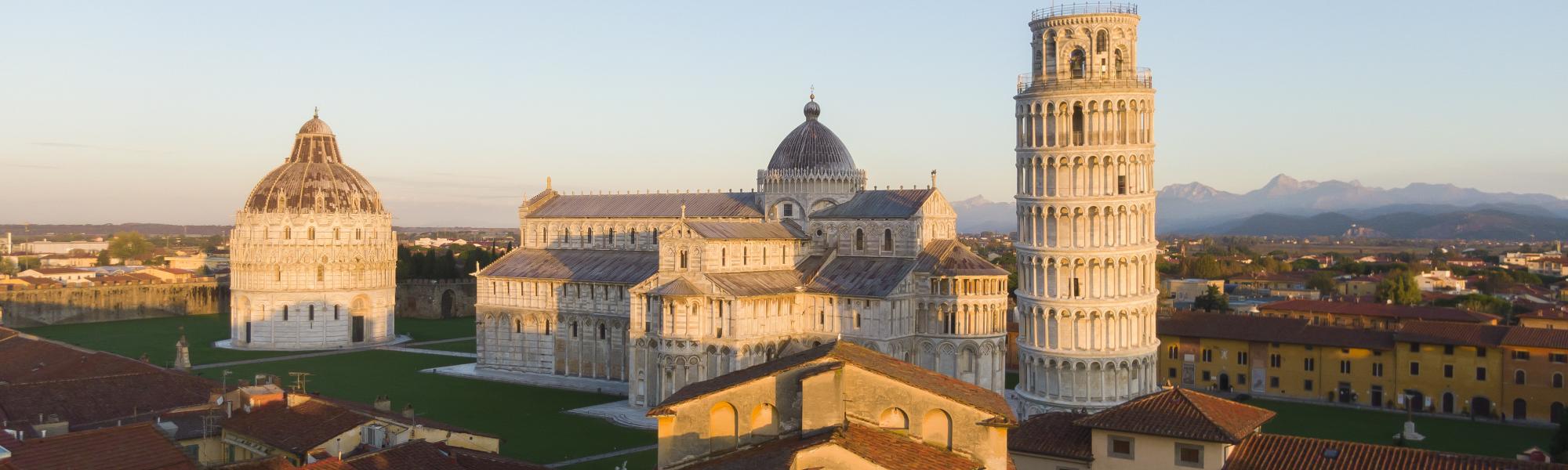
In Italy, Pisa hosted a wide range of events over three days. Mixing games, formative moments on road safety, and free boat rides on the Arno River, showcasing the importance of water mobility. The events are part of the city's commitment to sustainable mobility, such as the expansion of the cycling network. Rome held over 130 activities, promoting the 2026 EMW theme 'Mobility for All'. 'Colour Days' in schools, photography exhibitions, a free guided walking tour to discover the city's archaeological heritage, a Green Mobility Village, and a theatre show on bicycles are just a few of the many events that took place.
Bologna, which won the 2024 EUROPEANMOBILITYWEEK Award, organised a full week of meetings, exhibitions, cycling rides, walks, and much more for people of all ages. This was the occasion to prove the city's longstanding commitment to active mobility, with the inauguration of a new section of the Bicipolitana bolognese, the first metropolitan cycling network in Italy, theatre shows on theme, and a Mobility village in the historical centre gathering different organisations and projects promoting sustainable urban mobility.
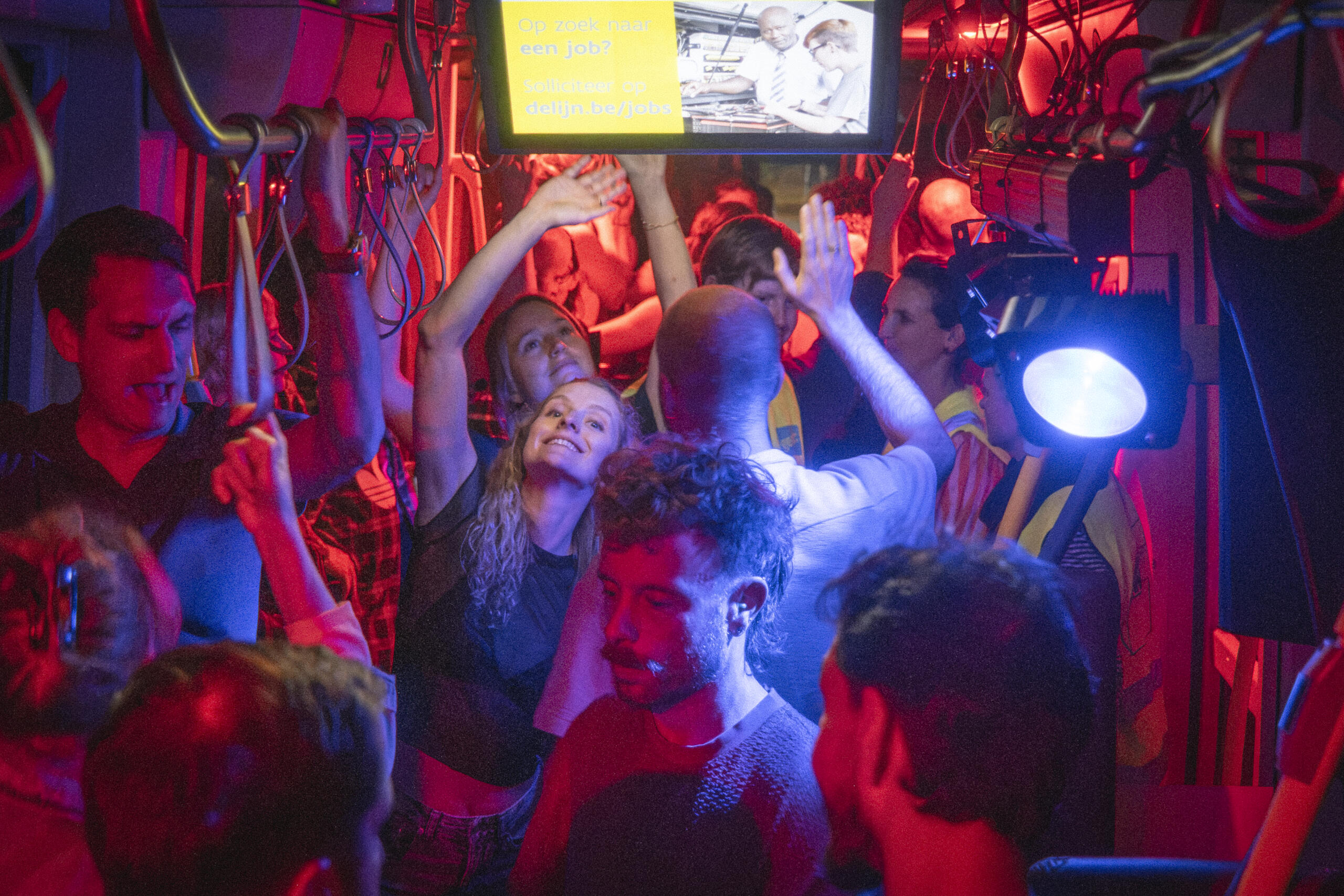
The party tram in Ghent — Credit: Stad Gent
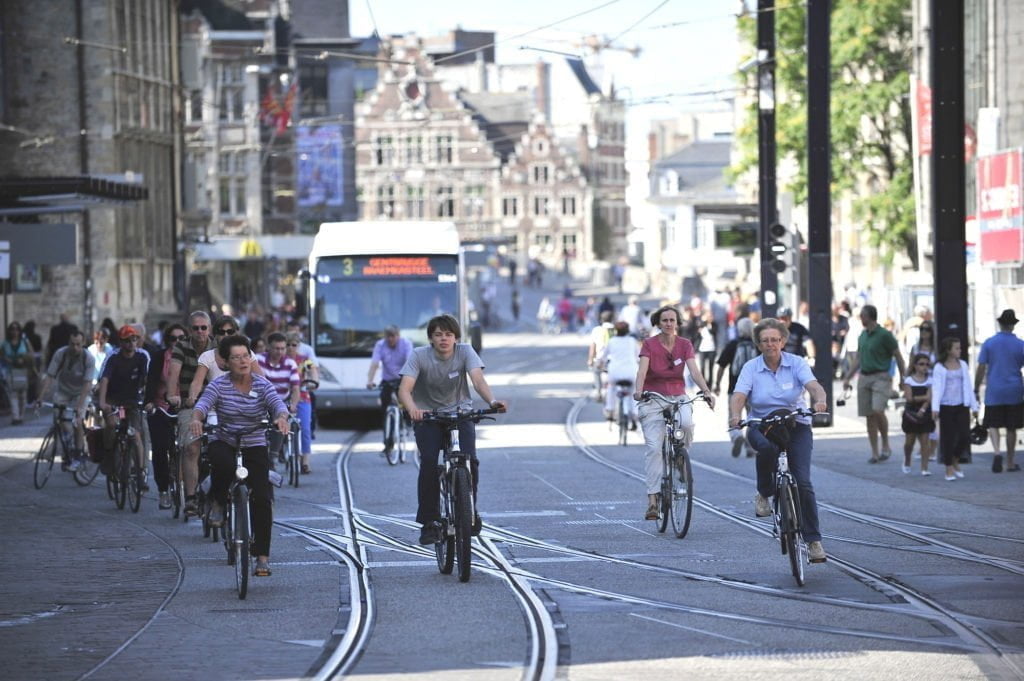
In Belgium, Ghent focused on turning the daily commute into an experience. The city offered breakfast at the P+R and bike parking, hosted a morning concert at Flanders' busiest station, Ghent-Sint-Pieter, and also had a party tram with an on-board DJ to promote the night transport network. They also had a car-free day on the first Sunday of September.
In the Czech Republic, Prague organised various events throughout the entire week, such as offering breakfast at the train station, a walking challenge for schools, and free bike repair services. On 19 September, the Mobility Centre hosted Smart Mobility Day, an interactive festival dedicated to the future of transport.
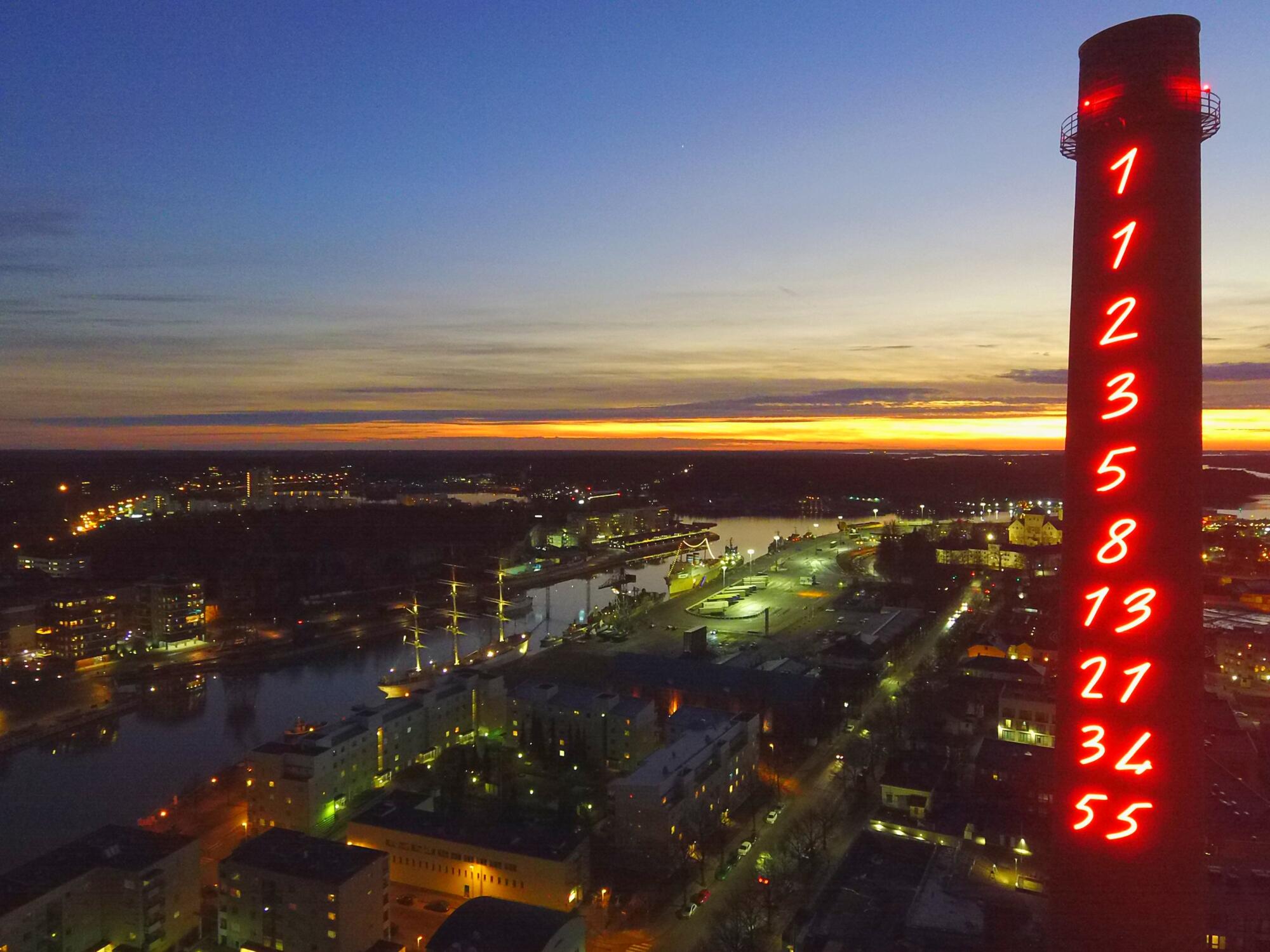
Similarly, in Finland, Turku promoted sustainable mobility by informing citizens via a social media campaign encouraging sustainable modes of transport. They also had a dedicated stand on mobility and climate during its own celebration, Turku Day, presenting the ongoing mobility project and mobility-related data.
In Poland, one of the many initiatives organised in Częstochowa was 'Seniors on the move', encouraging the use of public transport and promoting the importance of daily physical activity for health, independence, and quality of life. The city also had an e-bike ride on 14 September as part of promotional activities connected with the construction of new interchange centres on the outskirts of the city.
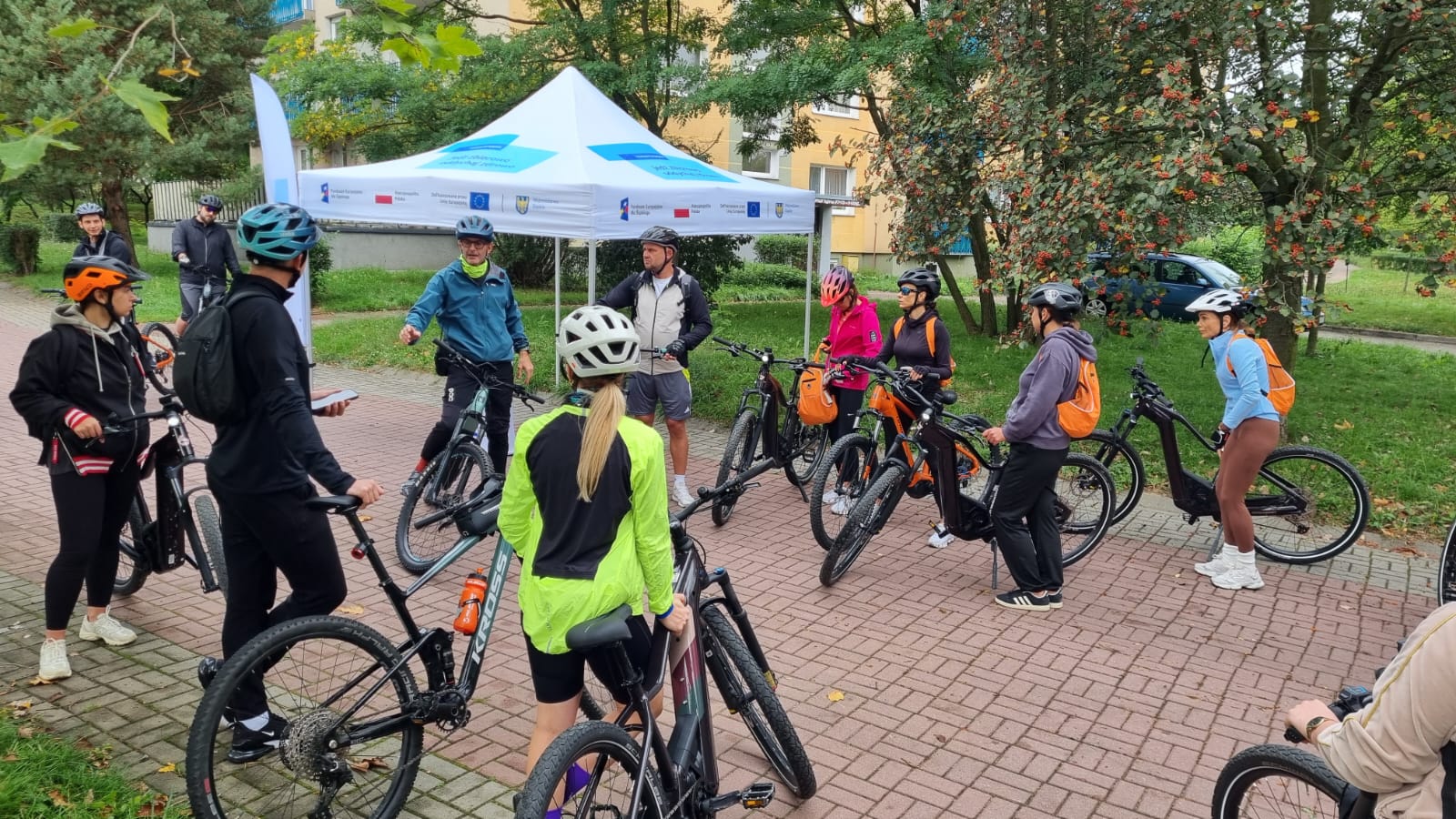
E-bike ride in Częstochowa — Credit: Municipal Road Administration in Częstochowa
In Germany, Heilbronn engaged citizens by offering the possibility to try and experience sustainable mobility options. They had accessible bikes that can be a more comfortable option for people with disabilities or older persons. They also held the Heilbronn Sustainability and Mobility Day on 19 September, with over 50 stakeholders presenting innovative and practical solutions for a more environmentally conscious daily life, with activities for all ages.
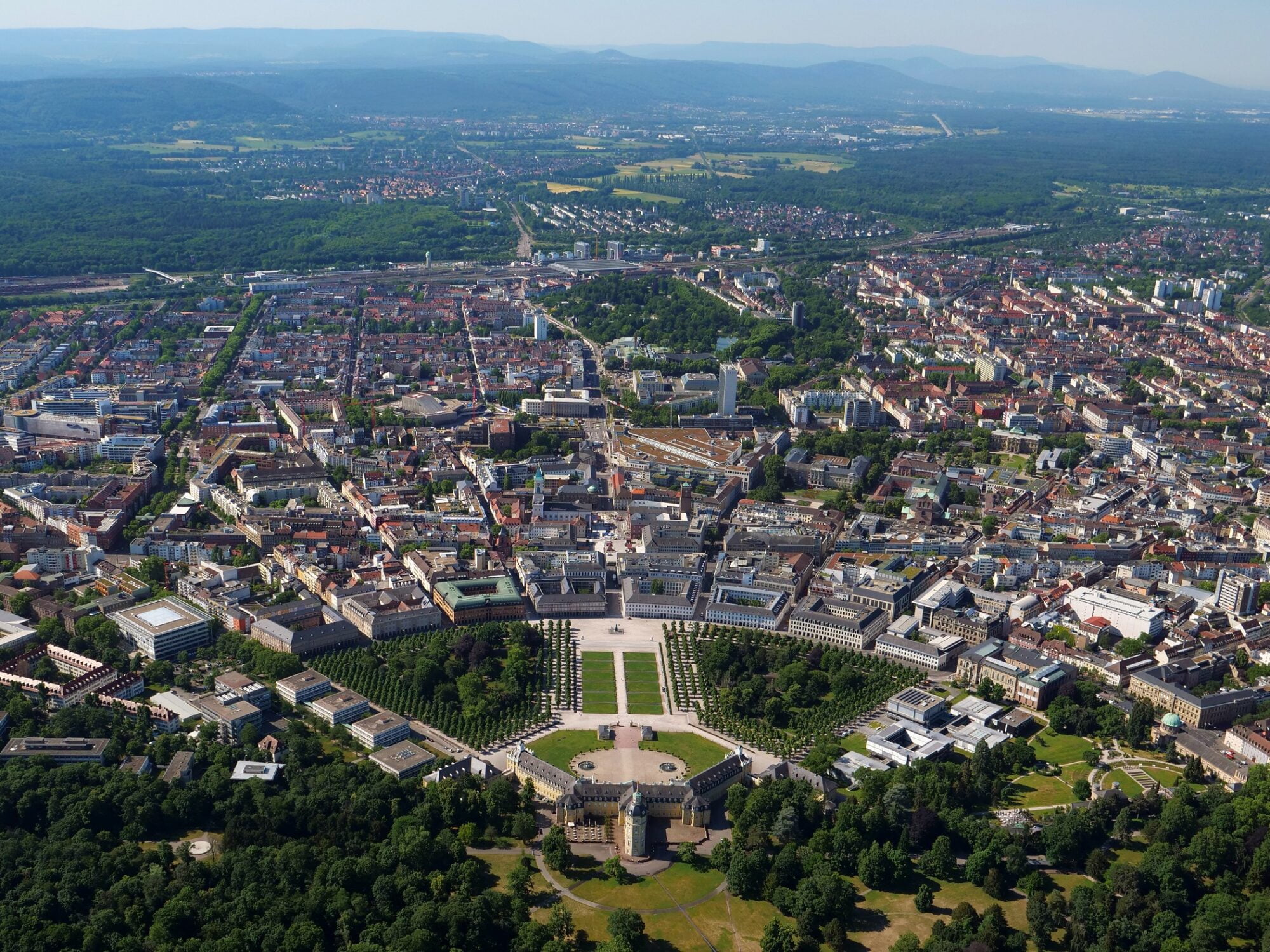
Karlsruhe organised 'Stable mobile', an event entirely dedicated to accessible mobility for senior citizens and people with disabilities. Participants could test accessible bikes to support independence and self-determined and sustainable mobility in as many age groups and situations as possible. The city also celebrated Park(ing) Day on 18-19 September, turning public parking lots into green islands that citizens can use for leisure and recreation, and Rail Day on 18-20 September, celebrating rail travel.
These activities have one key element in common: they are fun. Safer, more sustainable, and inclusive urban mobility systems make cities more livable and encourage connection, positively contributing to strengthening cohesion and the social fabric.
Showing how a city without cars looks like
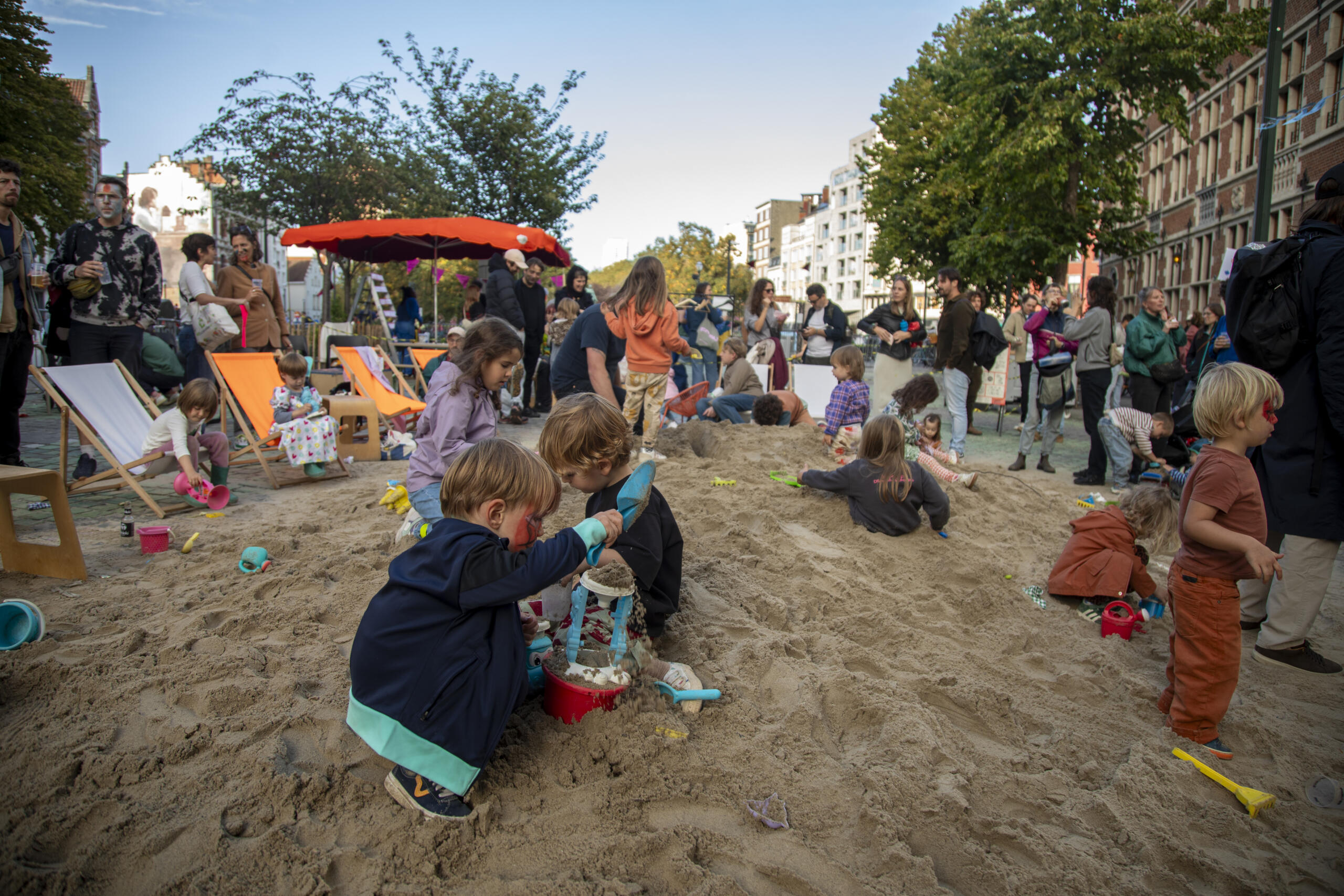
Kids playing in a temporary sand pit in Brussels — Credit: Cabinet de la Ministre et Présidente du Collège de la VGC Elke Van den Brandt
In Belgium, more than 70 municipalities observed Car-free Sunday on 20 September. The capital, Brussels, continued its long-standing tradition of hosting Car-free Sunday. Closing the road to cars from 9:30 am to 7 pm, Brussels became the largest pedestrian zone in Europe. For the residents, Car-Free Sunday is a long-awaited moment, as the 19 municipalities organise neighbourhood parties and flea markets, free walking tours and many more events that liven up the streets.
In Hungary, Budapest went a step further and organised a Car-Free weekend. On Saturday and Sunday, the area from Kálvin Square to Fővám Square, on the Liberty Bridge, on the lower embankment on the Pest side and, for the first time, on the Budapest University of Technology and Economics embankment was closed off to cars. During these days, the city's public transport authority, Budapesti Közlekedési Központ (BKK), offered bicycle and scooter testing opportunities, community activity, a gastronomic promenade, and a vehicle exhibition showcasing retro and modern trolleybuses and buses. Moreover, throughout Mobility Week, the city promoted accessibility and intergenerational fairness in line with the 2026 EMW theme, such as a discussion on gender mobility, a cycling without age gathering, a rickshaw and bicycle parade, a discussion on healthy streets, and much more.
Encouraging sustainable urban mobility beyond Mobility Week
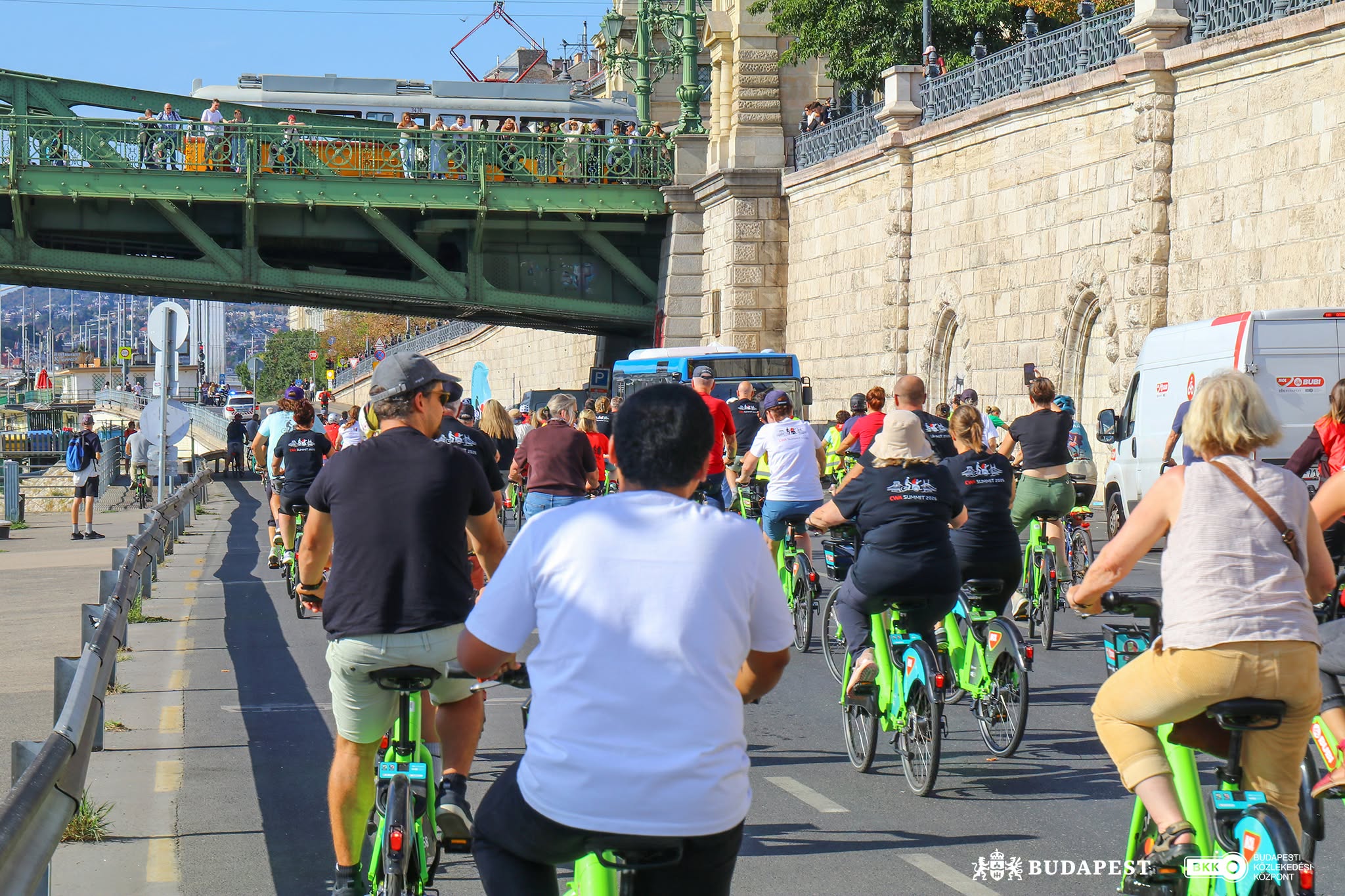
Bike ride in Budapest — Credit: BKK - Budapesti Közlekedési Központ
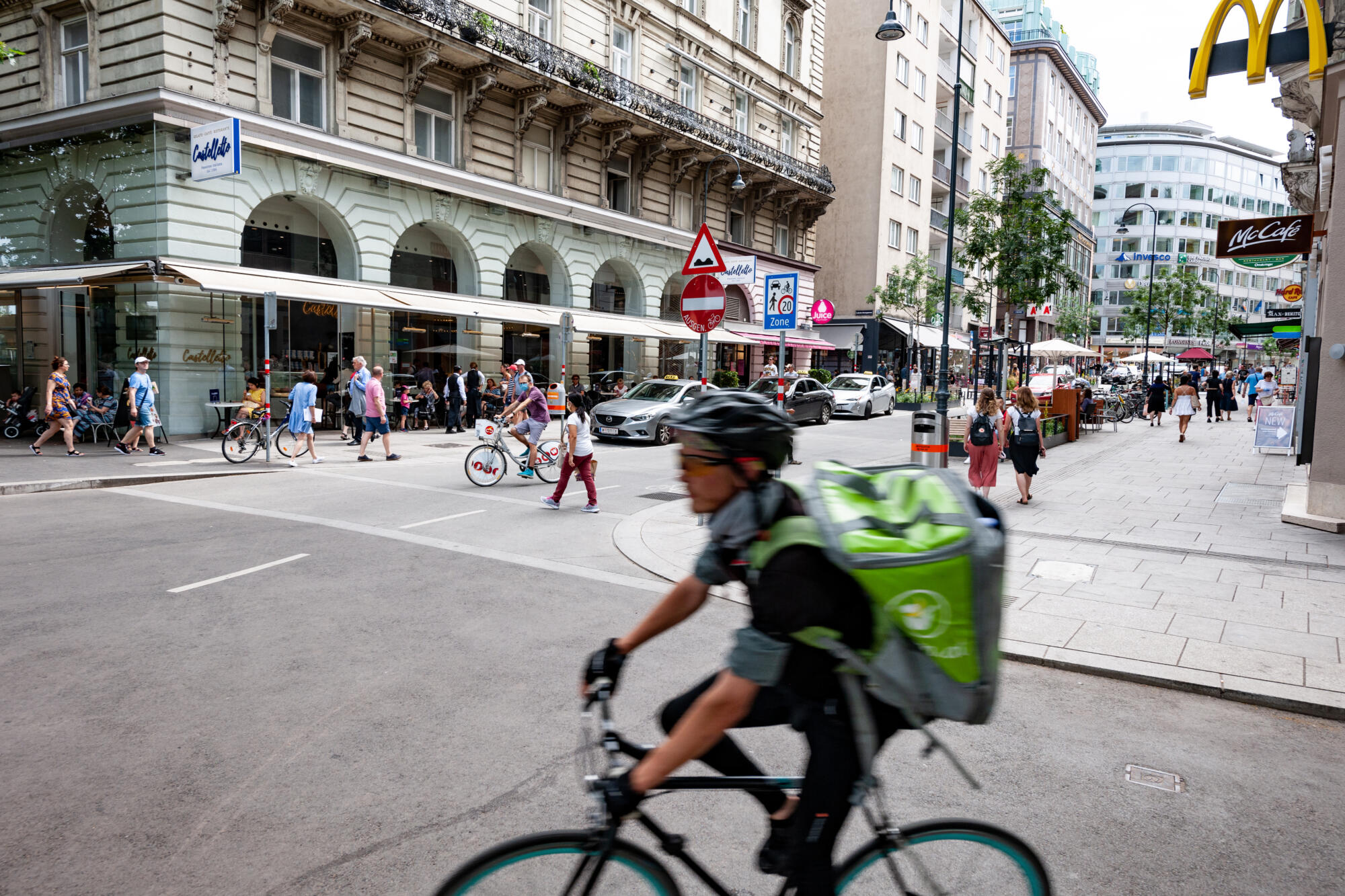
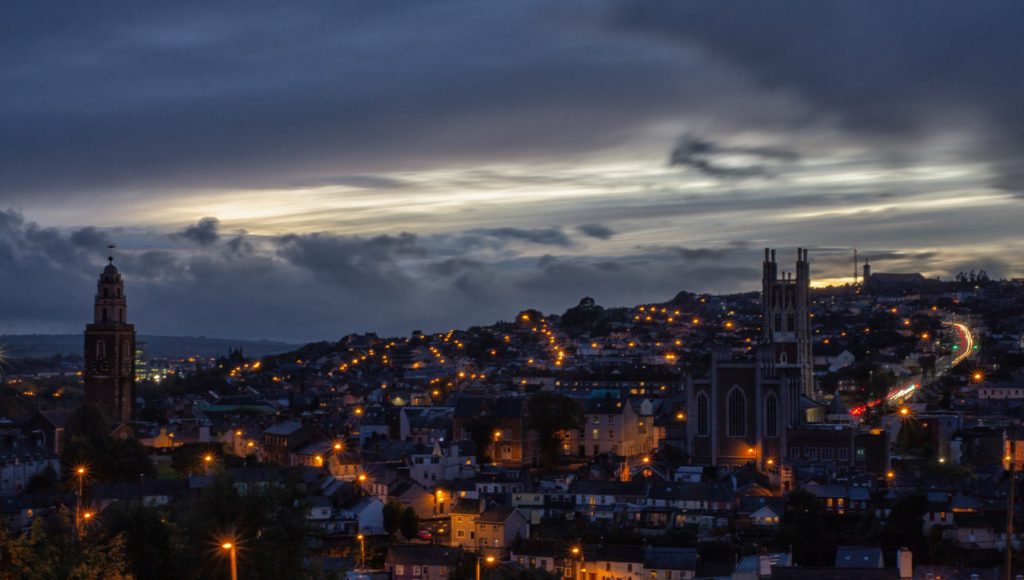
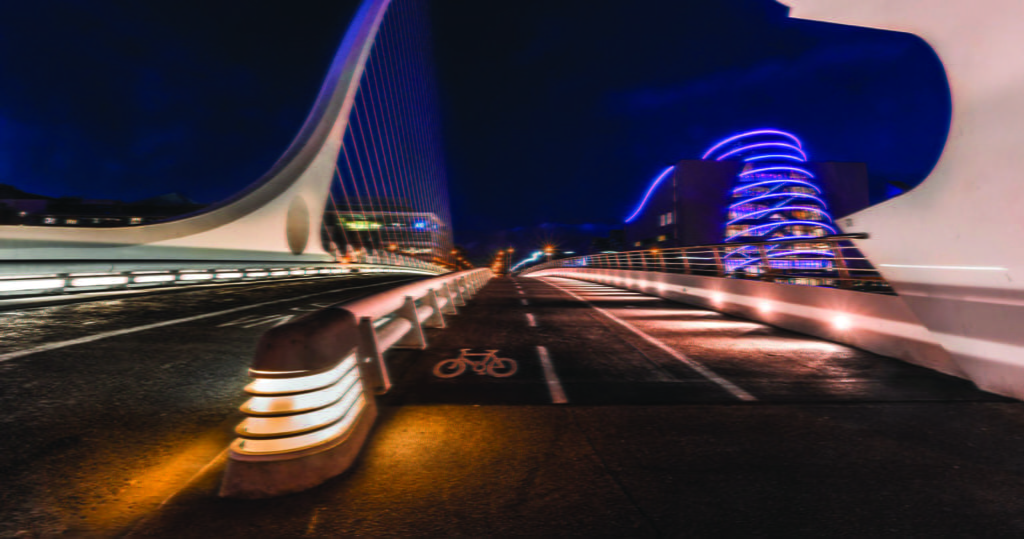
Barcelona, Dresden, Berlin, Vienna, The Hague, Dublin, and Cork are just a few of the many other POLIS members that took part in Mobility Week 2026 and brought sustainable and inclusive mobility to everyone. From car-free days to showcasing permanent measures, this was the occasion for over 2000 municipalities in 42 countries to combine community involvement and sustainable mobility.
EUROPEANMOBILITYWEEK was launched in 2002, and its two-decade-long success is proof that local efforts encourage lasting behavioural change. The activities that took place demonstrated how moving without relying on polluting vehicles is possible, and that its benefits go beyond air quality.
Did your town or city organise an event during EUROPEANMOBILITYWEEK 2026? Register your municipality by 30 September and inspire others across Europe and beyond. Register here.
- Related Projects
- Related Members
Dublin (NTA)
Hospitalet Llobregat