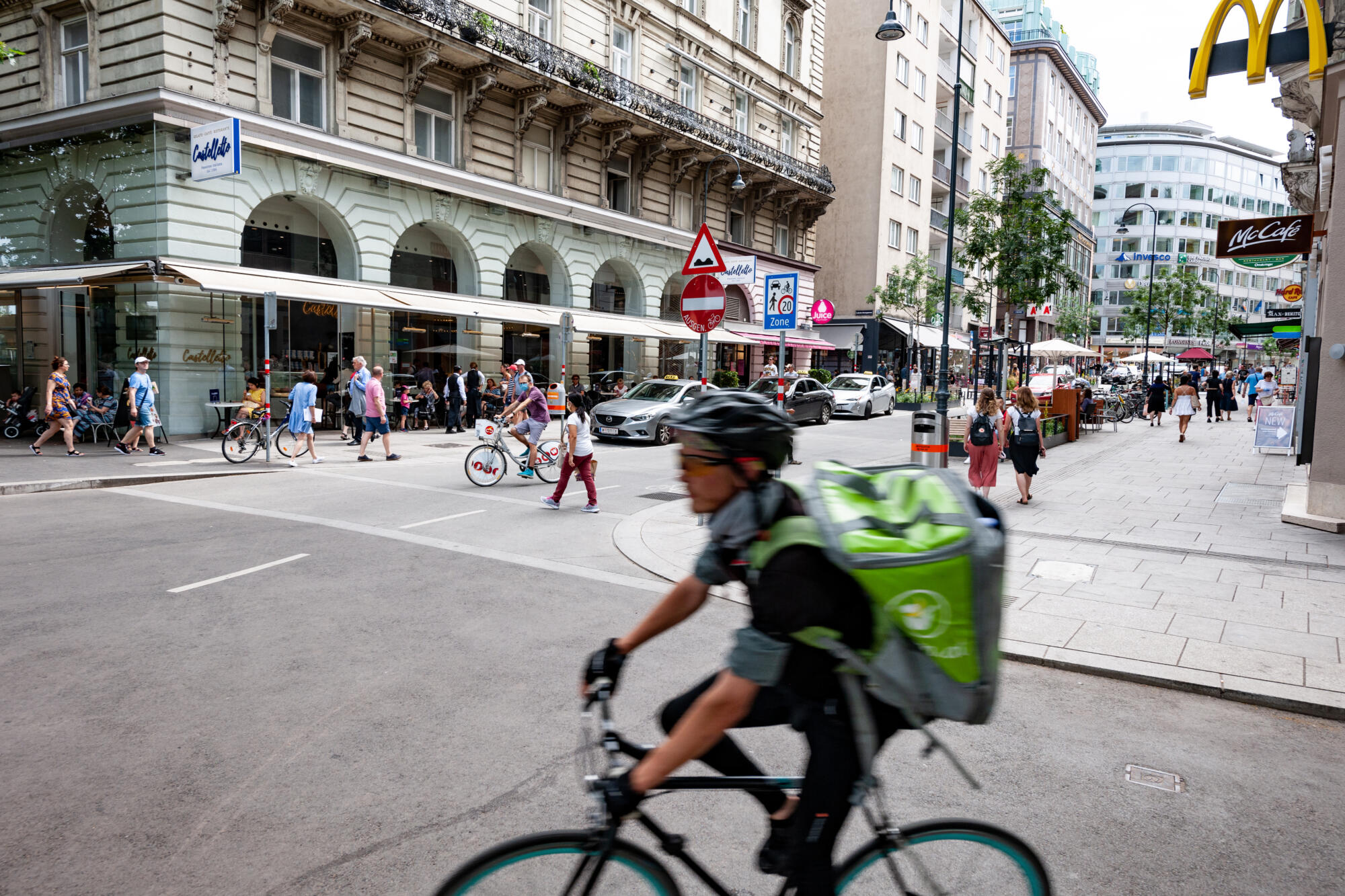
Park(ing) Day 2026: Prototyping a new future for the curb
This year’s Park(ing) Day invites us to imagine how small experiments in public space can inspire lasting change. Across the POLIS network, cities and regions are already testing new ways to rethink parking and curbside space.
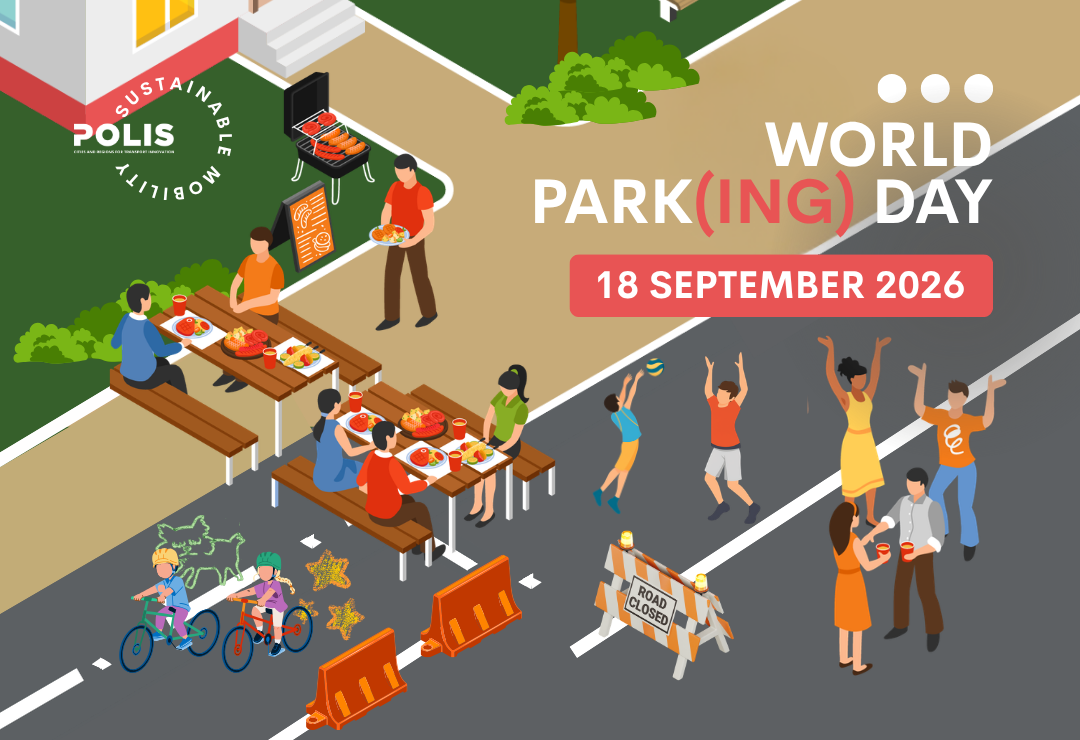
Every meaningful innovation begins as a prototype: that is the leading sentiment behind this year’s Park(ing) Day, taking place on 18 September 2026 and marking the movement’s 20th anniversary. Under the theme ‘Prototype Tomorrow’, local communities worldwide are invited to transform traditional parking spaces through small-scale experiments that envision what public space could become.
For cities and regions, Park(ing) Day offers an opportunity to examine one of the most contested resources in the urban environment: the curb. Parking, deliveries, public transport, active mobility, accessibility, and social activities all compete for limited space, but none of them could compare to the amount of space specifically dedicated to private vehicles: cars and related infrastructure, including parking, occupy nearly 80% of urban public space in some European cities, and private cars generally spend more than 90% of their time parked.
Together, these figures highlight a fundamental challenge for cities: how much valuable public space should be dedicated to storing vehicles that are stationary for most of the day, and how can that space better serve the many other activities and modes that depend on the curb?
Reimagining the curb as a dynamic, innovative space
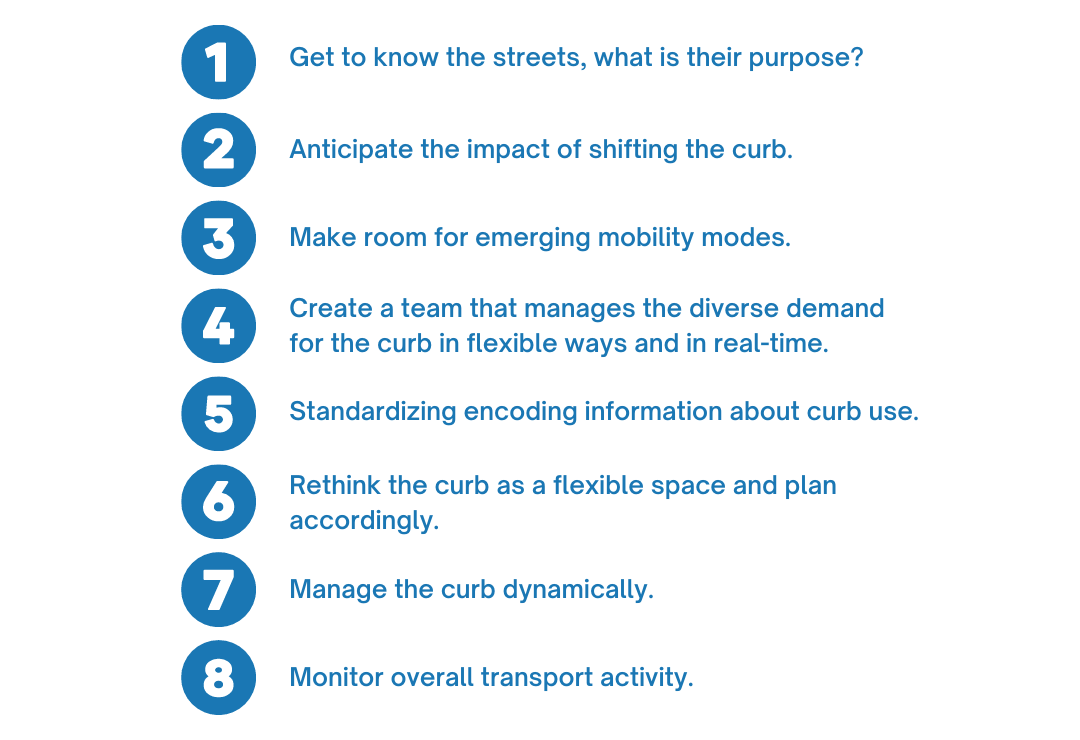
The POLIS Parking Working Group has long been exploring the growing competition for curb space and how to address it. The curb is where movement meets the activities of the street, where people, goods, and services stop and interact. Rather than treating parking and other curb functions as fixed, dynamic curbside management explores how space can be (re)allocated more flexibly and responsively. The 2023 Parking Working Group's report on 'Empowering local authorities towards successful dynamic curbside management' sets out eight steps for cities assessing and implementing dynamic curbside management, including:
The report also identifies five overlooked pillars that contribute to the successful implementation of dynamic curbside management:
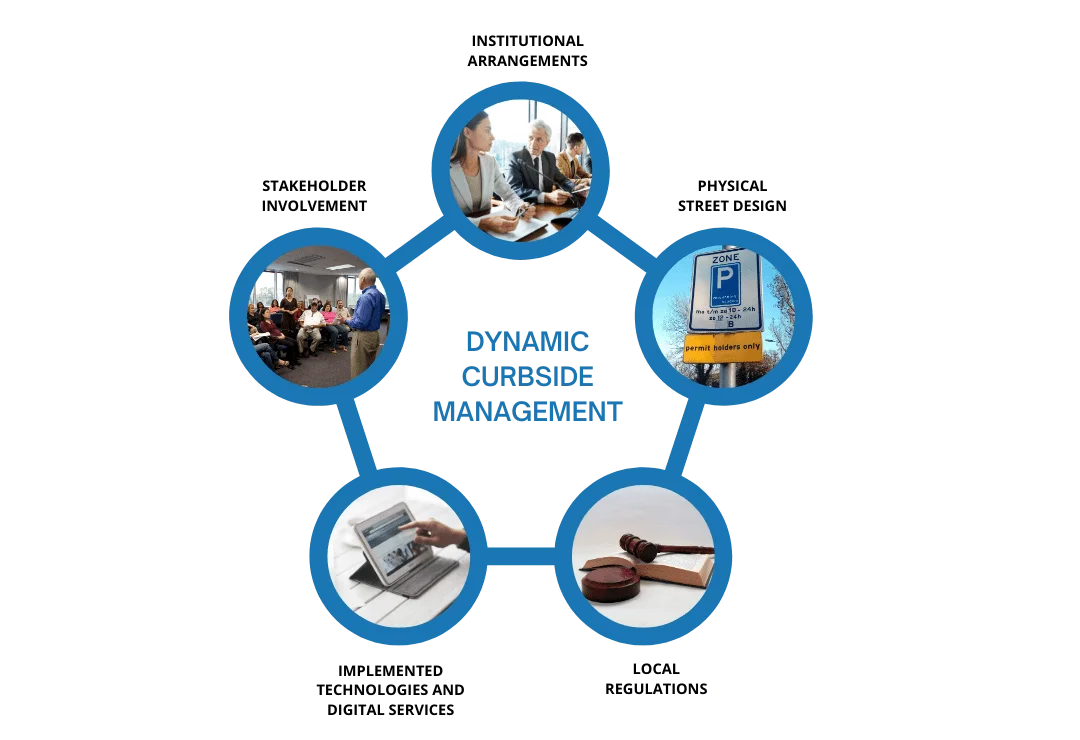
The five pillars of dynamic curbside management implementation (Mitchell Neels) - layout revisited by Alessia Giorgiutti
Among these, stakeholder involvement closely reflects the ethos of Park(ing) Day. Effective management of the curb requires local authorities to understand the different expectations and concerns of those who are affected by it. Managing the curb effectively requires cities to understand the needs and concerns of those affected by changes, from different public authorities and municipal departments to residents, businesses, and other local stakeholders. Bringing these perspectives together can help build understanding, increase acceptance and inform better decisions, particularly when changes to parking are contested.
Park(ing) Day provides a practical way to start this conversation. By temporarily repurposing parking spaces, communities can test alternative uses of public space, while cities can observe how people respond, identify what activities residents value, and open discussions about how the space could be used in the future.
Residents reimagining parking
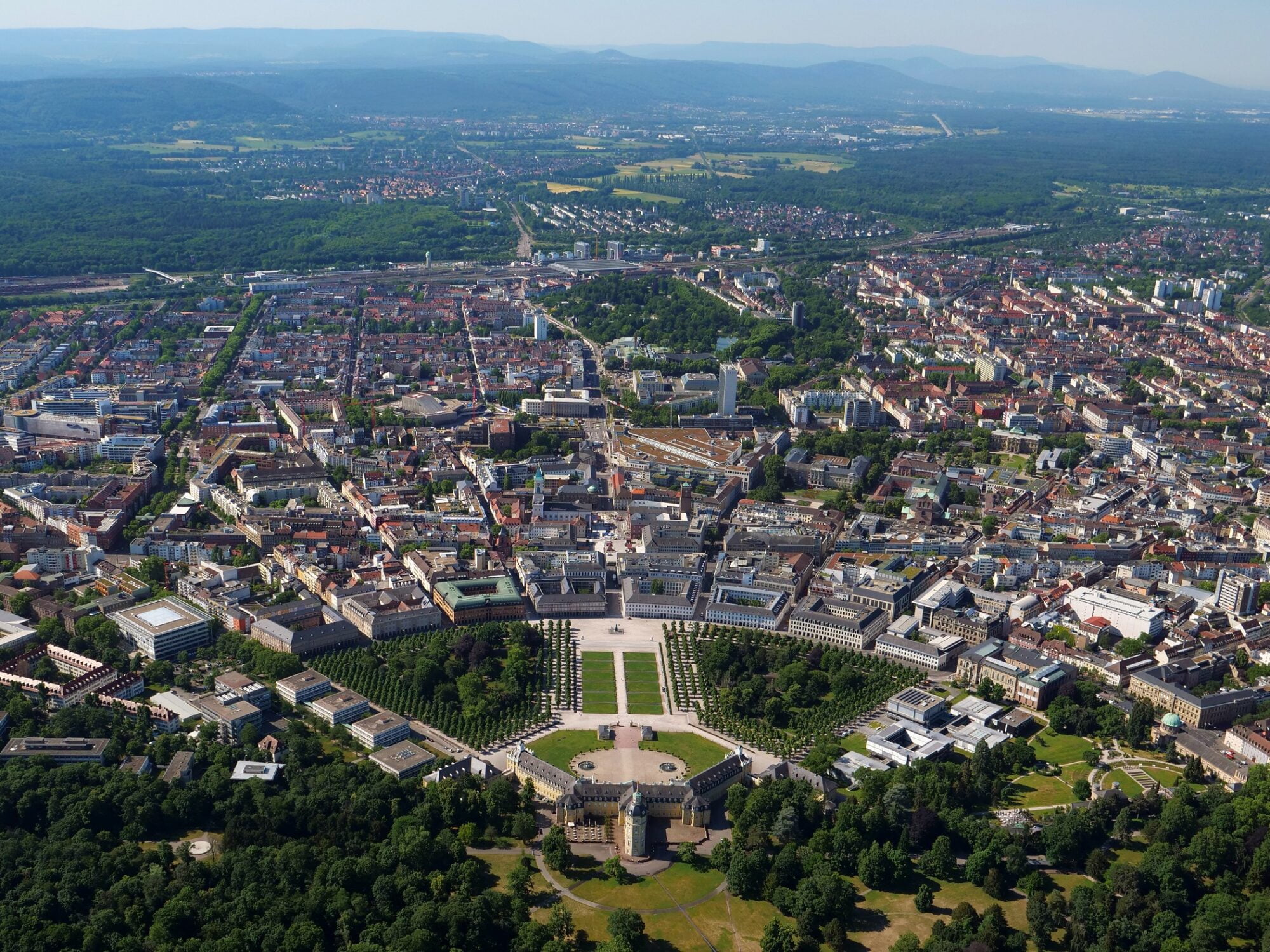
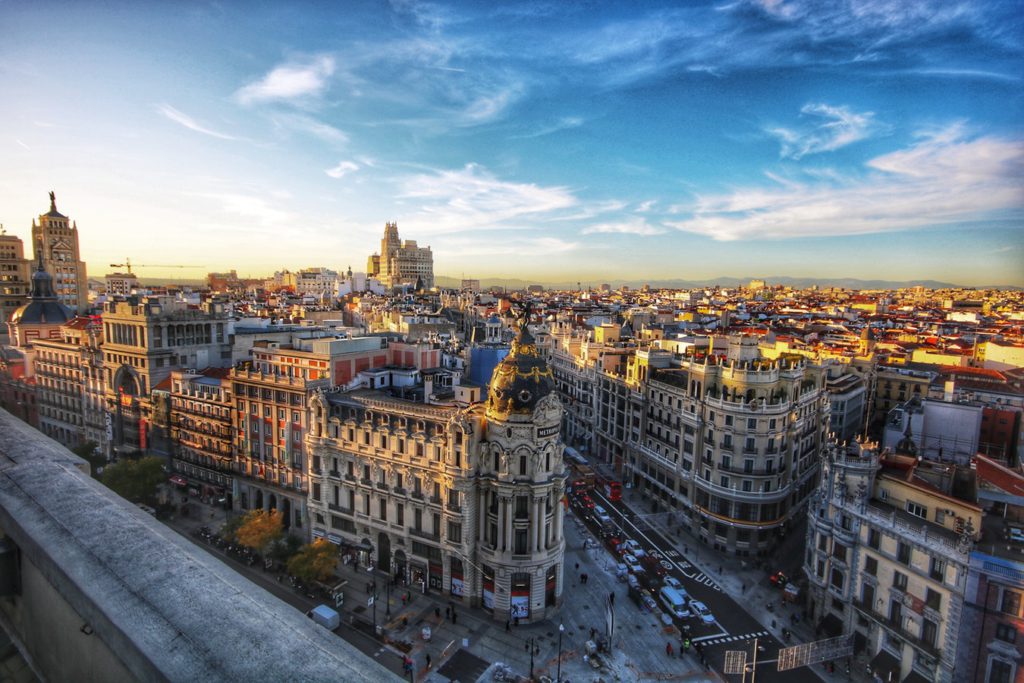
POLIS members and their citizens are already using Park(ing) Day to explore this. In Karlsruhe, parking spaces will become green and lively places for meeting and community activities, followed by the 'Karlsruhe Plays!' event, when selected streets are handed over to children. In Madrid, 29 schools and three municipal environmental education programmes will transform parking spaces near schools into places for play, learning, and creativity, giving children a direct role in imagining their streets. In Vienna, residents, initiatives, and associations will create their own temporary neighbourhood spaces through Parking Day and Residential Street Day, going from planting and cafés to workshops and shared activities.

Picture of a community-led urban parklet and public gathering space in Hasnerstraße, Vienna — Credit: Tim Dornaus
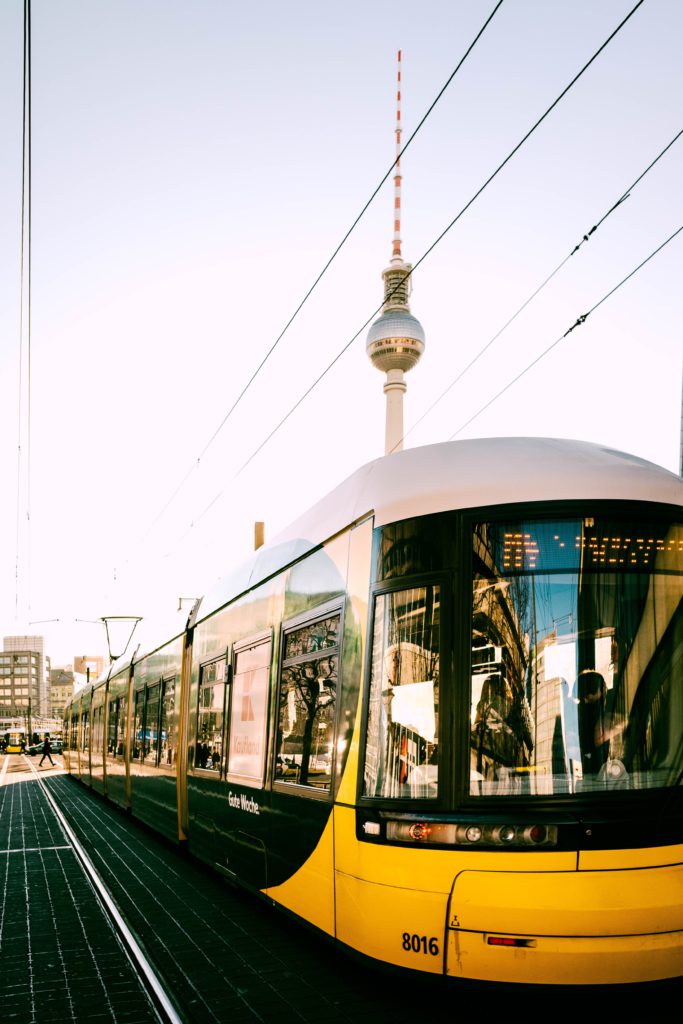
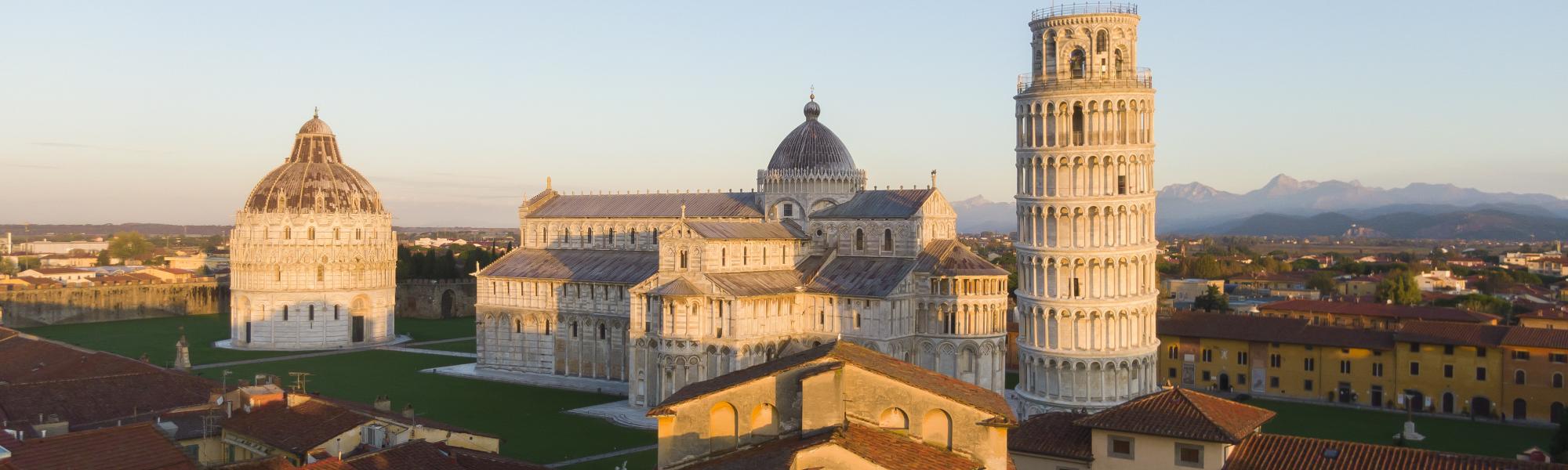
In Berlin, neighbourhood groups, artists, and civic organisations will transform parking spaces into parks, meeting places, and art installations. Alongside this, the ‘Autonomes Stehen’ installation will juxtapose cars and green spaces for an open reflection on how much urban space is dedicated to parked vehicles, and who that space should serve. In Pisa, the local Italian Environment and Cycling Federation (FIAB) will turn parking spaces in Piazza San Silvestro into places for meeting, reading, music and workshops, building on last year’s citizen-led mapping of bicycle parking.
While temporary, these interventions can provide valuable insight into how public space is used and valued, and how it should change over time in response to local needs and demand.
From prototypes to policy: Lessons from European projects
The idea of experimenting with parking and public space is not new. Over recent years, European projects have helped cities test how changes to parking policy and access regulation can contribute to more sustainable and people-centred urban environments.

Park4SUMP logo
The Park4SUMP project, involving 16 European cities including Lisbon, Rotterdam, and Arnhem-Nijmegen, placed parking management within the wider framework of Sustainable Urban Mobility Planning. It aimed not only to improve parking management, but to demonstrate how this can free up public space, support local businesses, reduce parking search traffic, generate revenues, and make cities more attractive. Across the project, partner cities explored how parking spaces could be reallocated or managed differently to create more space for walking, cycling, greenery, and other public uses.

ReVeAL logo
The ReVeAL project approached the challenge by exploring how Urban Vehicle Access Regulations (UVARs) could be used to reshape access to urban areas and improve the use of public space. Its six pilot cities tested different combinations of measures, with the project placing a strong emphasis on understanding local contexts and the experiences of stakeholders affected by change.
Together, Park4SUMP and ReVeAL demonstrate that changing parking and curbside space requires testing, engaging, learning and deciding how a shared public resource can better serve wider urban goals.
Prototyping tomorrow: Making the curb digital
As cities experiment with changing the function of the curb, they also need new ways to manage and communicate those changes. Digitalisation and data standards can help turn individual experiments into a more structured process of learning.
Last year, POLIS held a Technical Tutorial on Curb Data Specification (CDS) in collaboration with POLIS member Open Mobility Foundation (OMF). The tutorial explored how cities can use digital standards to manage increasingly complex curbside environments, where freight and logistics, public transport, ride-hailing, micromobility, parking, and pedestrians all compete for limited space.
When a city temporarily changes how a curb is used, it needs to communicate the new rules, understand who is using the space, monitor what is happening and evaluate whether the intervention is working. A digital representation of the curb and its regulations can provide an additional layer of information, making temporary changes easier to communicate and manage, while helping cities build an evidence base for future decisions.
From a parking space to a new way of thinking
Park(ing) Day shows that rethinking urban space can start from something simple: a single parking space can become a place to play, meet, grow, learn, cycle, and much more. In doing so, it challenges assumptions about how scarce street space should be used.
The real value of Park(ing) Day thus lies not only in what happens on 18 September, but in what cities and regions learn from it afterwards. By creating space to test alternatives, engage communities, and gather evidence, temporary experiments can become the starting point for more informed decisions on urban public space, one of our most valuable shared resources.
- Related Projects
- Related Documents
- Related Members

Empowering local authorities towards successful dynamic curbside management