Thinking Cities magazine #16
Thinking Cities #16 was launched online in occasion of Urbanism Next Europe 2021, the first European instalment of the annual Urbanism Next Conference in Portland, Oregon, USA.
What is Next?
This might be the most frequent question we collectively asked ourselves over the past year – an overarching, hopeful question that encompassed our personal lives, as much as the future of our cities and communities. In fact, it is a question we had been asking ourselves at POLIS already before this pandemic.
Sure, the future of mobility and the urban state and form is by definition uncertain – no urban planner or local authority can foretell what is ahead, and ideas, opinions and views on the matter often vary and cause an overall brain fog.
But what we do know, is there are a number of technology innovations that have the potential to disrupt mobility and have long-lasting consequences on the transport system, and the urban fabric as a whole. What we also know is that whatever innovation or disruption comes next, it will most likely also look at the city as its main playground.
The Disrupted City?
The Thinking Cities issue 'The Disrupted City?' highlights trends and innovations, such as new mobility, micromobility, data integration, e-commerce expansion and adaptation, automation, inclusive and safe spatial planning, and also ponders on how disruptive their implications for our cities are.
In particular, this issue provides a taste of how our Members and Partners have been leveraging disruption for the common good: from Rotterdam, the Urbanism Next Europe's virtual co-host, and its one-of-a-kind #NextCity approach, to our two brand-new Members Ravenna (a fresh face in the urban mobility game) and Moscow (a public transport powerhouse), touching upon the Grande Raccordo Anulare delle Bici – Great Bike Ring Road of the Eternal City of Rome, Lille Metropole's MobiliMEL project to expand transport services and support employment, and the cojoined effort of the projects LEVITATE and We-Transform and the POLIS Members HIT-CERTH, Université Gustave Eiffel to embrace the intensified demands on the transport sector’s workforce, to finish with a series of interviews to experts on gender-based violence in and around urban public transport.
To celebrate the synergy with Urbanism Next, the issue also features a dedicated section on some of the Sponsors and Partners and their precious insights on innovation and disruption.
'The Disrupted City?' features articles from cities and regions across Europe and beyond, including Aarhus, Antwerp, Baden-Württemberg, Catalonia, Eindhoven, Flanders, Helmond, Leuven, Lille Metropole, Madrid, Moscow, Pontevedra, Ravenna, Rotterdam, Stockholm, Vienna.
At the heart of POLIS’ activities as a network, is to help our cities and regions navigate the innovation and disruption landscape and decide wisely on which novelties to engage with. Innovation just for the sake of it will not automatically lead to progress. We should rather look at the transport challenges cities and regions need to address and the policy goals they have set themselves, and then assess which innovations could be helpful in that respect. The pressing question is not technology-related, but how do we accelerate the shift to more sustainable mobility? How do we make sure changes serve the common good?
Karen Vancluysen, POLIS Secretary General

Leveraging Disruption to Build the Cities We Want & Need

A broader view

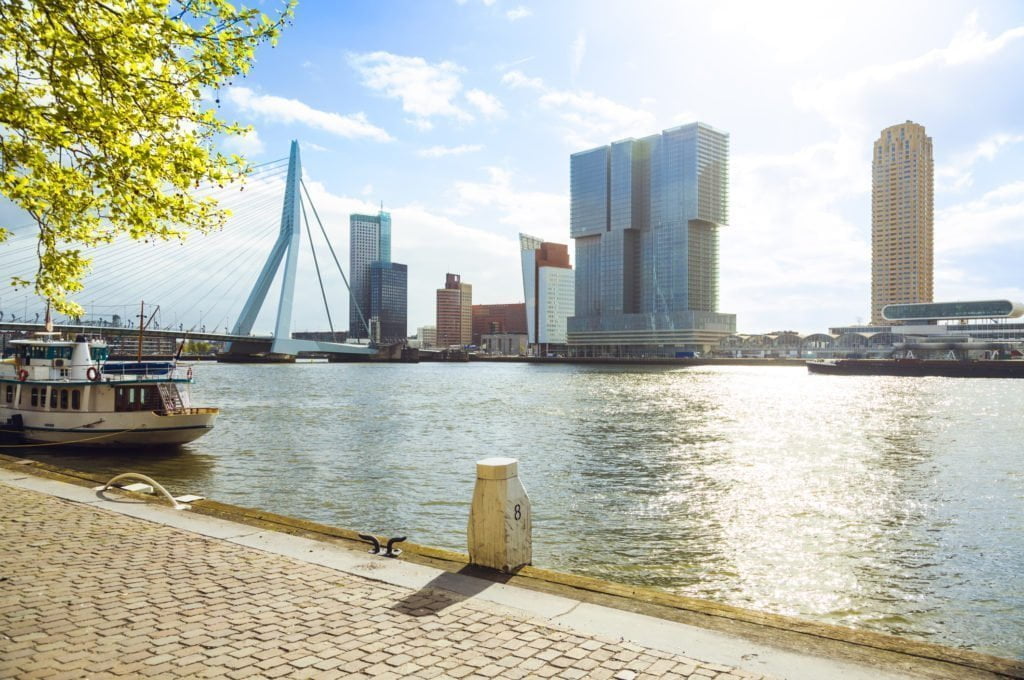
Rotterdam: #NextCity for real

Developing Mobility as a Service: inspiration from pioneers worldwide

Stop – (Rewind) – Resume: how to restart the system after the pandemic?

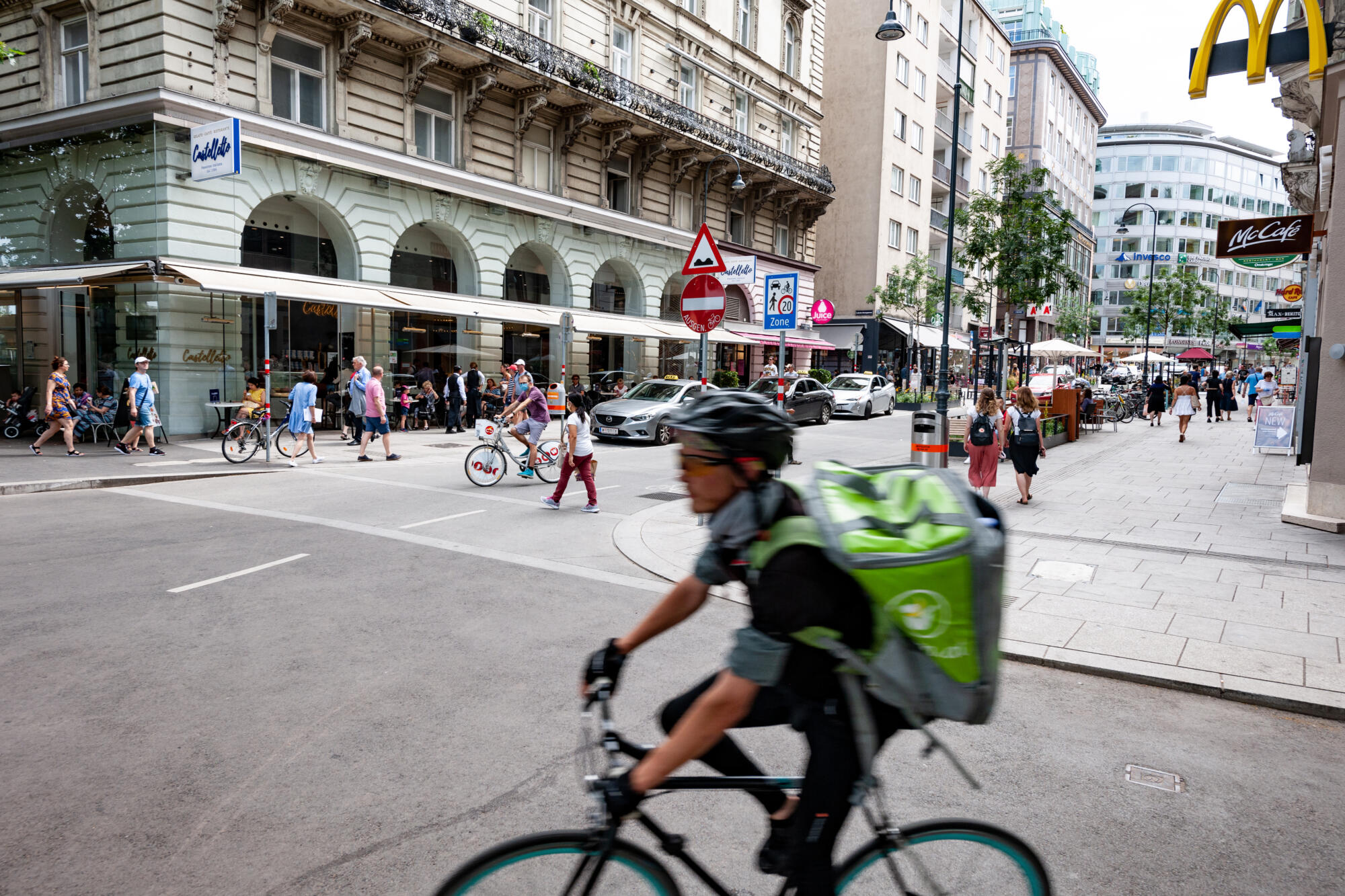
The strong implementation of C-ITS game of Vienna

Not a Utopia and soon a reality

Parking, the Steppingstone of Mobility Transition

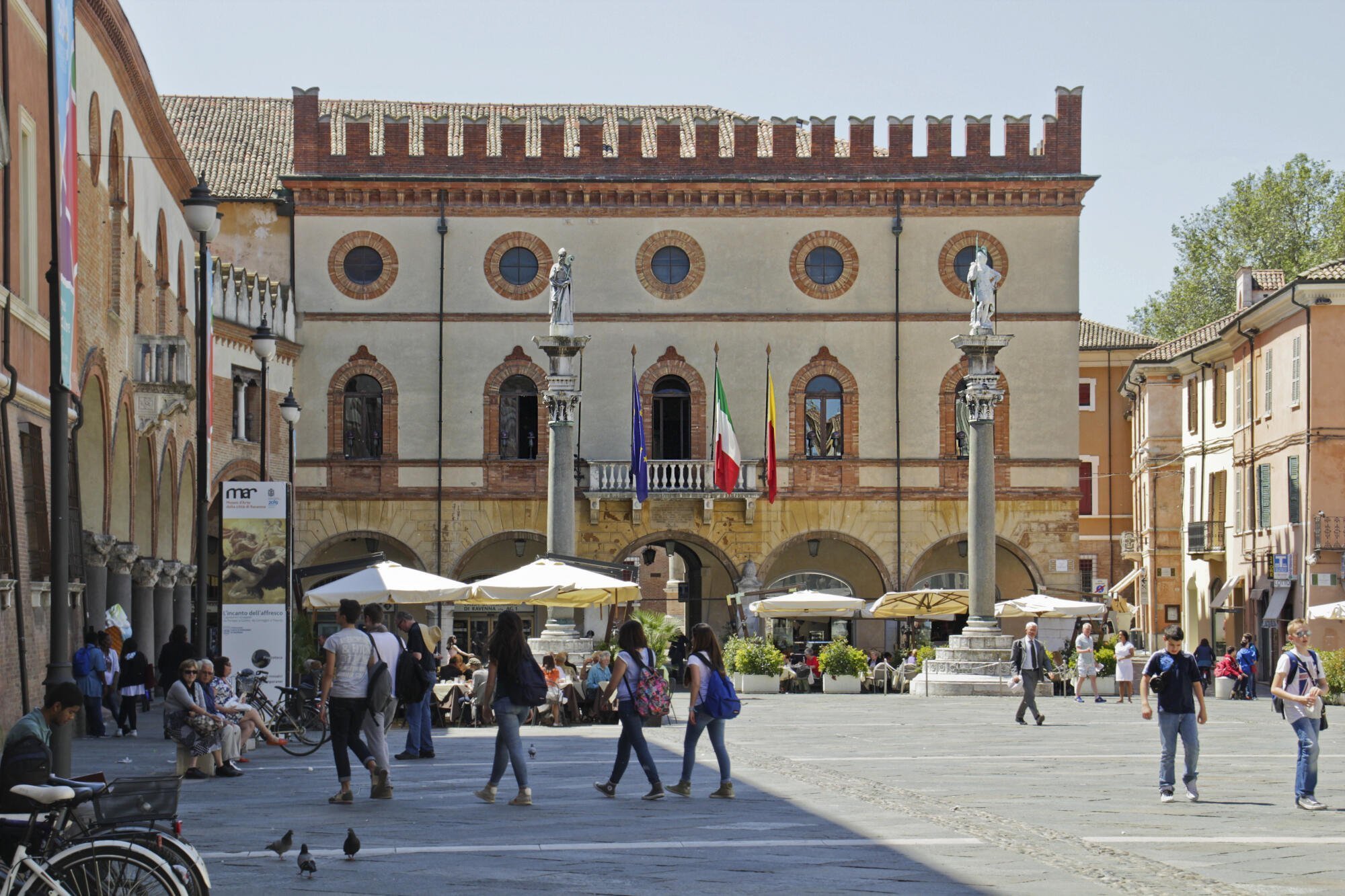
Ravenna is ready! The new fresh face of urban mobility

Assessor: trusted third party in traffic management 2.0

There is a smarter way of doing this! Urban logistics and construction hubs

Moving dialogue online: how citizen science continues to deliver in times of crisis

Becoming prophets in one’s land

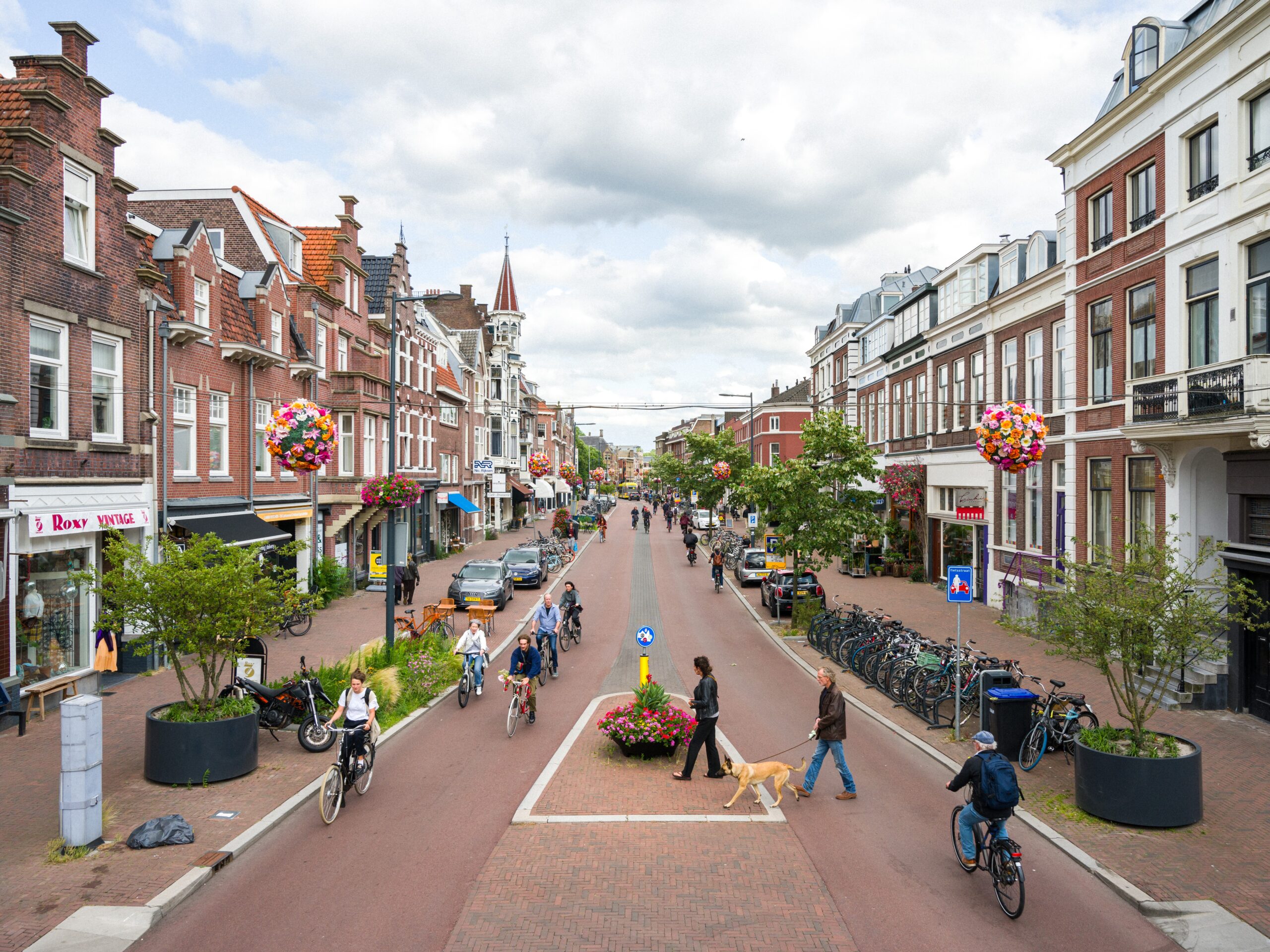
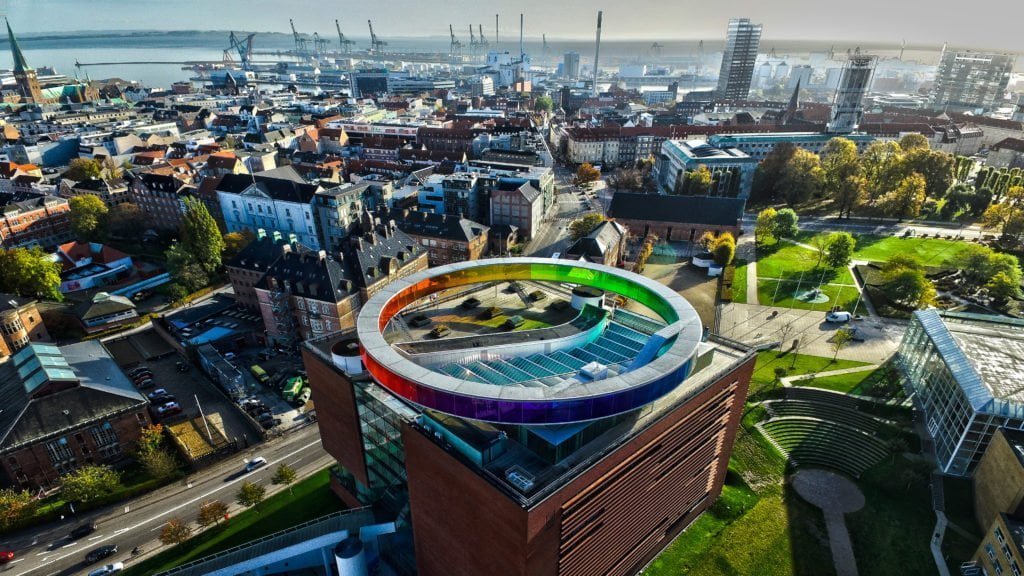
Walkable, liveable: Aarhus
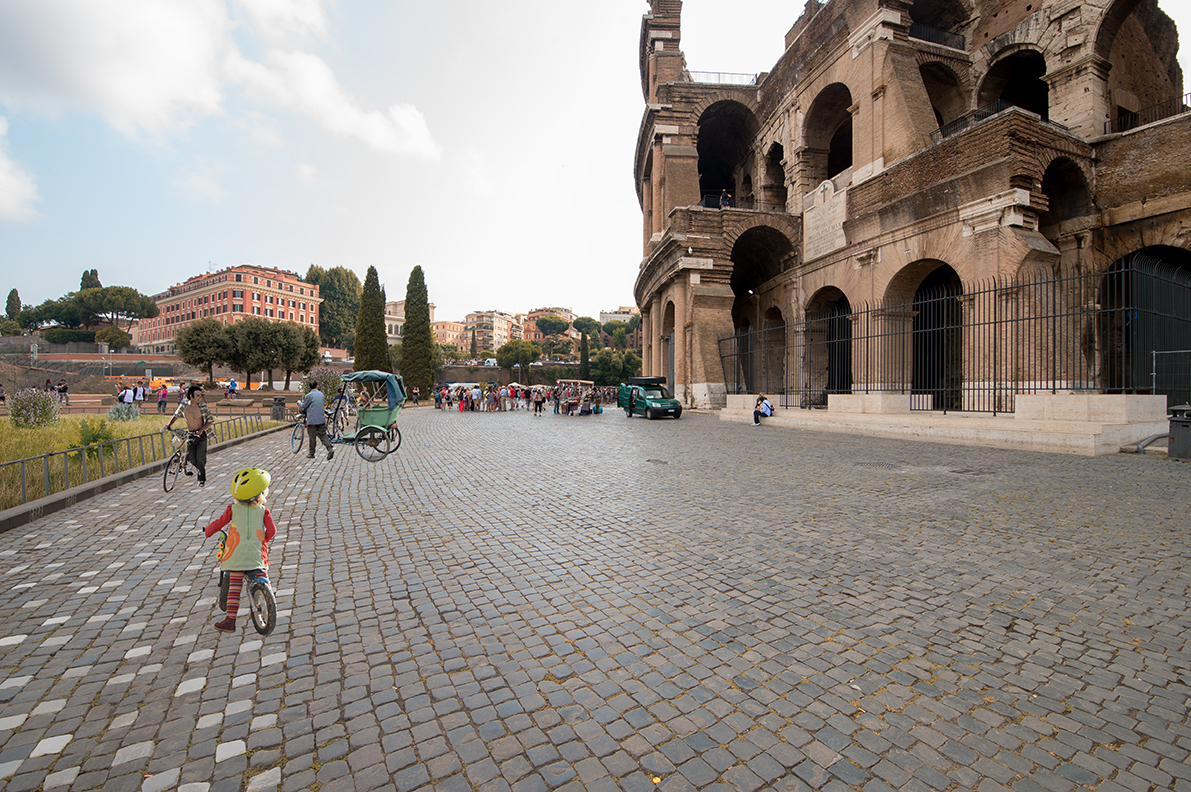
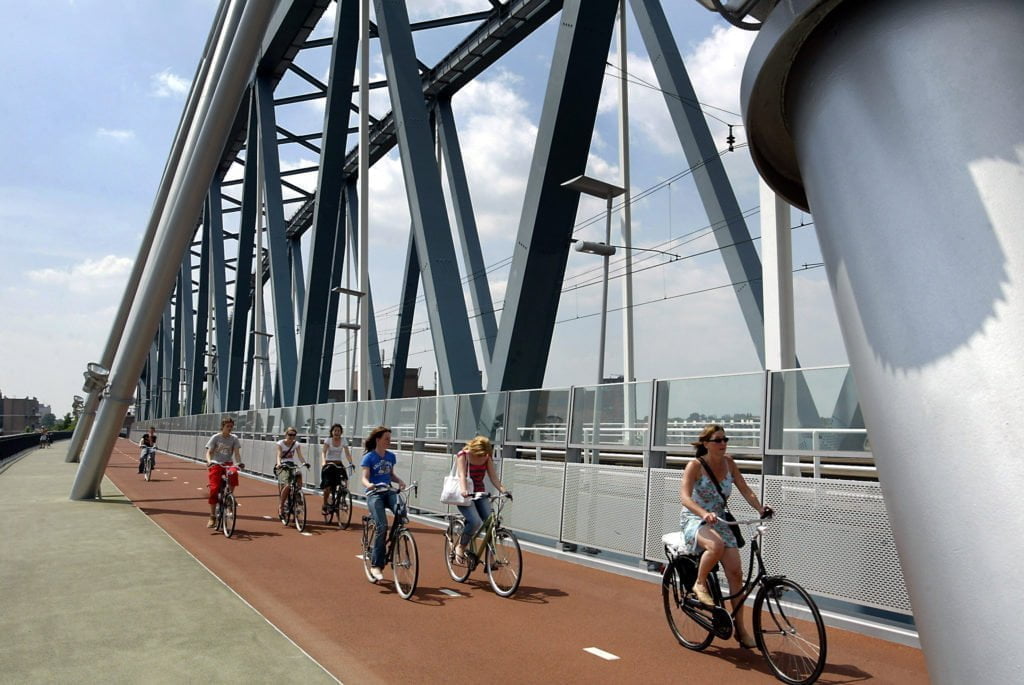
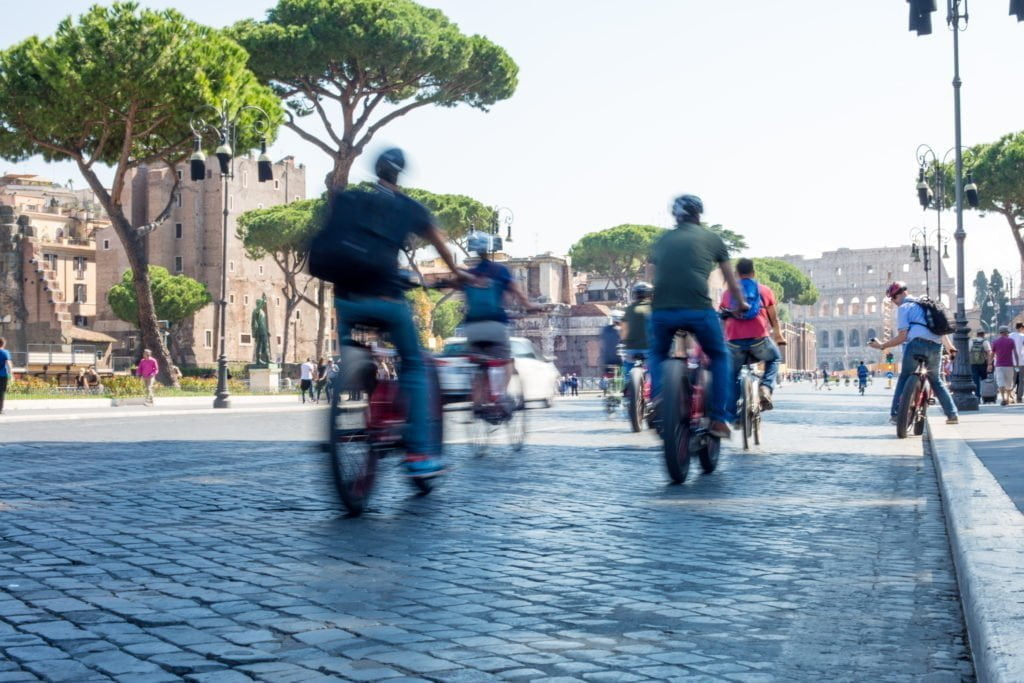
GRAB-bing the bike by its handlebars

Vehicle-to-Grid – not as futuristic as you might think!

Urban Air Mobility: Unlocking the New Frontier

Moscow’s road to hydrogen

Supporting employment through mobility: Lille’s leap forward

IoT and Mobility: The space for Public Transportation

The end of the line for gender-based violence

Investing in mobility means investing on people

Delivering a low-carbon future
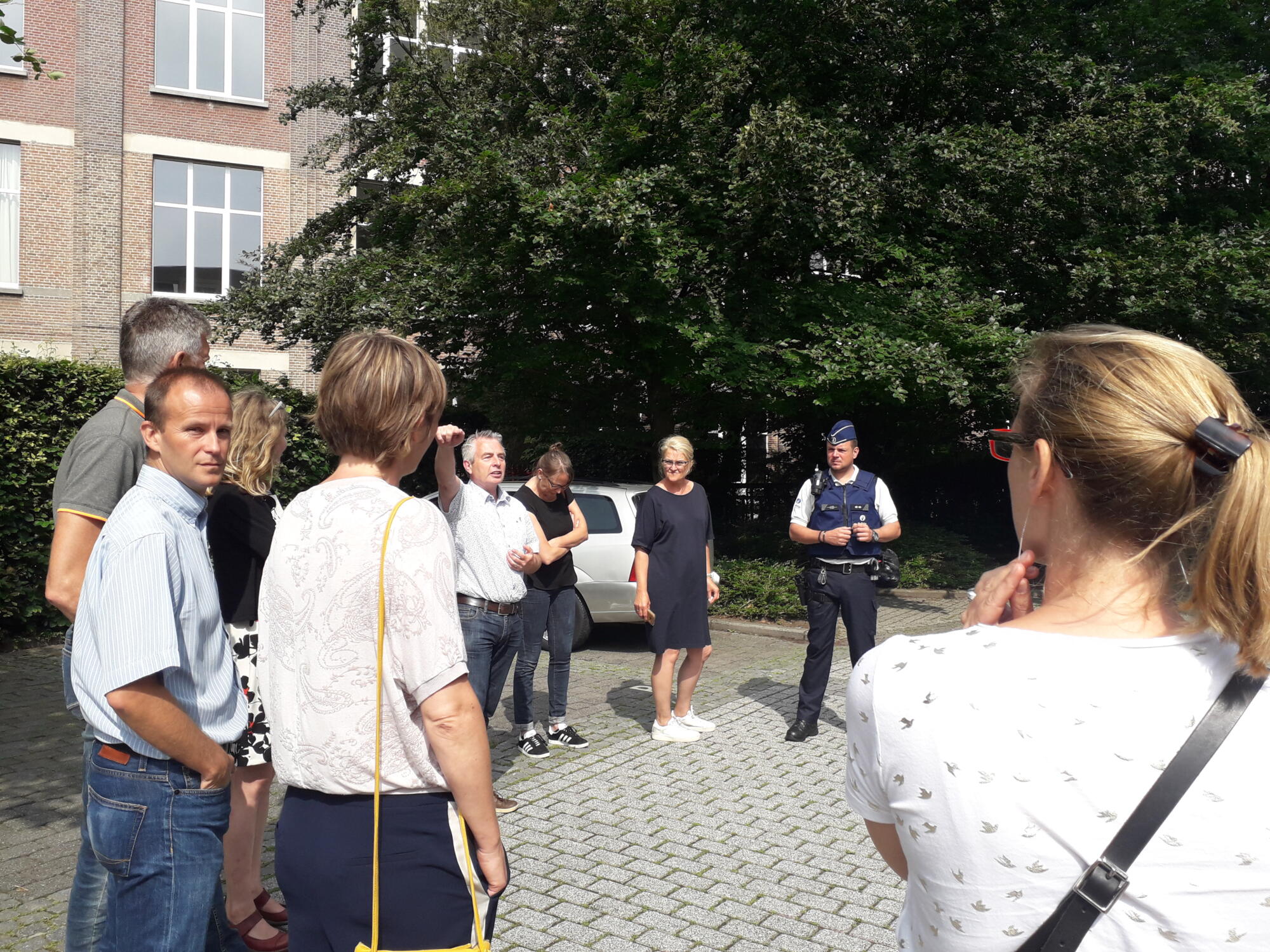
Road safety coaching for local authorities

Clic.cat: The new digitalized transport on demand brand in Catalonia

Baby Steps: Cycling Mobilities of Care

Fear and Crime? It is in the design

Urbanism Next: Navigating the future of our Cities

Is my bus very busy?
- Related Members
- Related Pages

Arnhem Nijmegen

Centre for Research and Technology Hellas – CERTH
Ile-de-France Mobilités
Lille Metropole
Noord Brabant Province
Rijkswaterstaat
Rome (servizi per la mobilità)