From World Zero Emissions Day to Car-Free Day: Cities lead the transition
As World Zero Emissions Day and Car-Free Day fall on consecutive days during EMW2026, cities have an opportunity to show how clean and inclusive mobility benefits all generations.
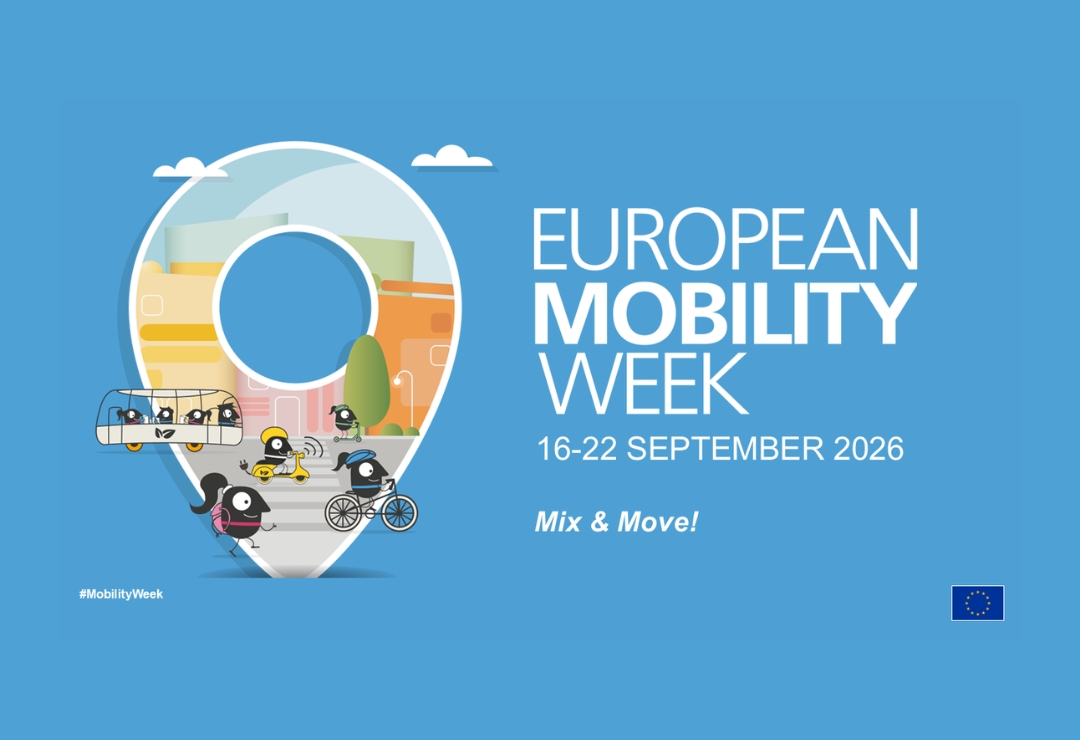
In its yearly appointment, EUROPEAN MOBILITY WEEK invites cities and communities to reconsider how people move and how urban transport systems can become cleaner, safer and more inclusive. The campaign runs each year from 16 to 22 September. The continuing theme ‘Mobility for Everyone’ will specifically focus on intergenerational fairness, calling for sustainable transport systems that respond to the different needs people experience throughout their lives, while safeguarding the opportunities and wellbeing of future generations.
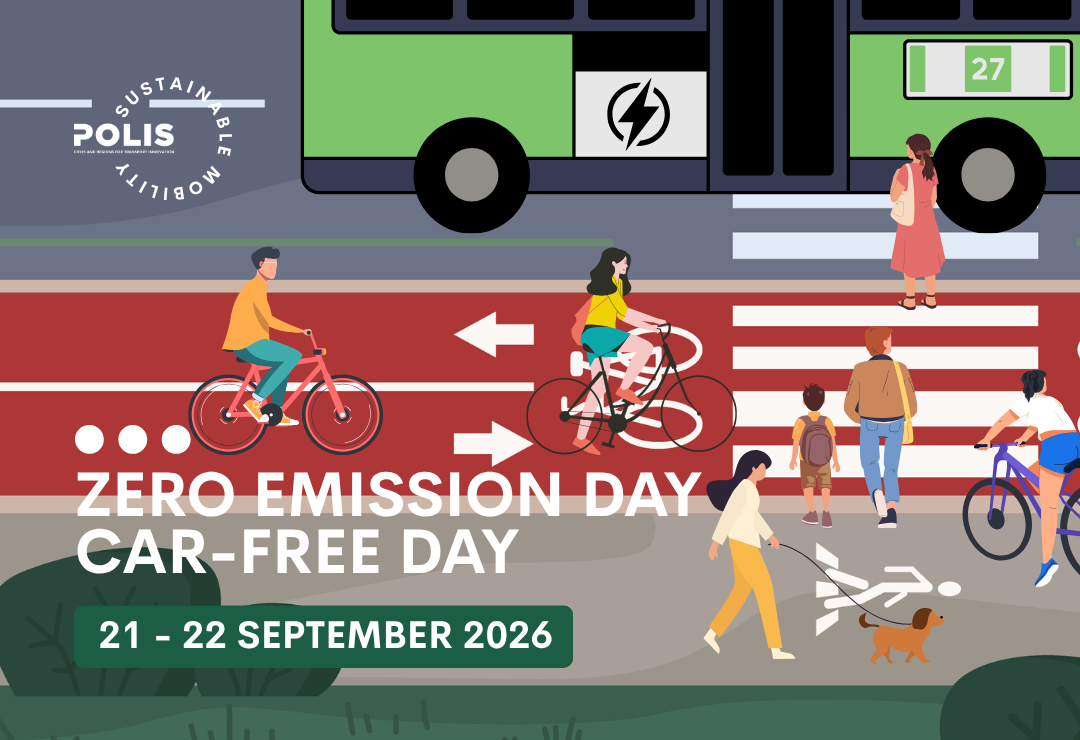
Two important occasions complement the efforts from EUROPEANMOBILITYWEEK, falling on consecutive days: World Zero Emissions Day, taking place on 21 September, followed by Car-Free Day on 22 September.
From zero emissions to car-free streets
World Zero Emissions Day encourages individuals, organisations and governments to reduce their use of fossil fuels and reflect on the emissions generated by everyday activities. Observed annually on 21 September, the initiative is an opportunity to give the planet a temporary break from harmful emissions.
EUROPEANMOBILITYWEEK 2026 poster — Credit: European Commission
Car-Free Day is one of the initiatives that want to bring emission reduction closer to citizens. As the traditional closing day of EUROPEANMOBILITYWEEK, it allows cities to temporarily restrict motorised traffic in selected streets or neighbourhoods and return this space to people. Spaces normally used for traffic or parking can instead host walking and cycling activities, community events, play areas and public discussions, enabling residents to experience how streets can function differently when designed around people.
For cities, the message is particularly relevant to mobility. Transport represents almost a quarter of Europe’s greenhouse gas emissions and is a major source of urban air pollution. Road transport is responsible for more than 70% of emissions from the sector.
Recent trends demonstrate the scale of the challenge. EU transport emissions are estimated to have increased by 0.7% in 2024 compared with 2023. While cleaner vehicles and alternative fuels remain essential, improving the accessibility and attractiveness of public transport and active mobility is equally crucial.
What does zero-emission mobility entail?
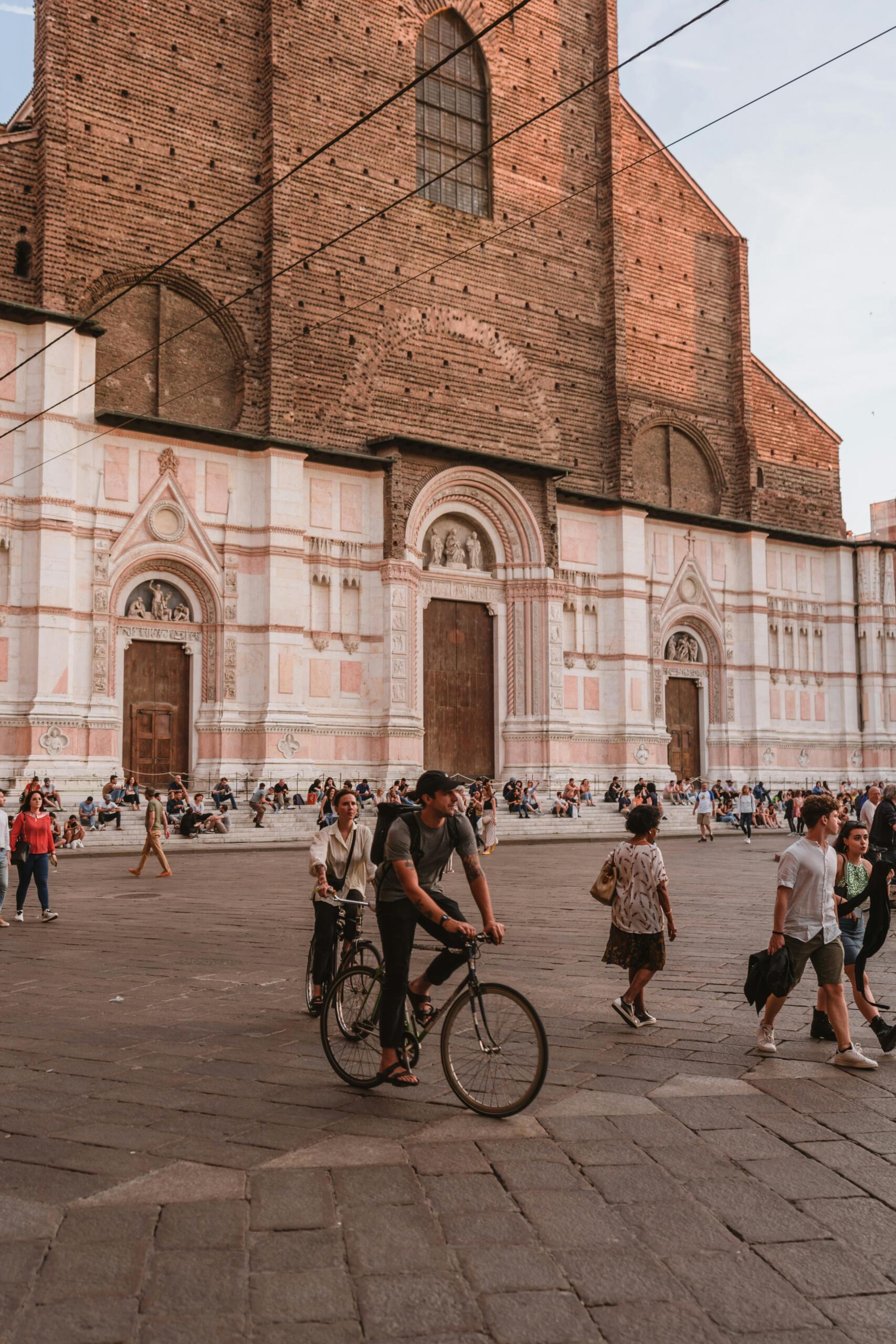
A cyclist in Bologna — Credit: Harold Wainwright, Unsplash
According to the European Commission, more than one-third of the new urban buses registered in the EU in 2024 were battery-electric. This is great progress, and European cities are definitely working on improving their mobility offers even more.
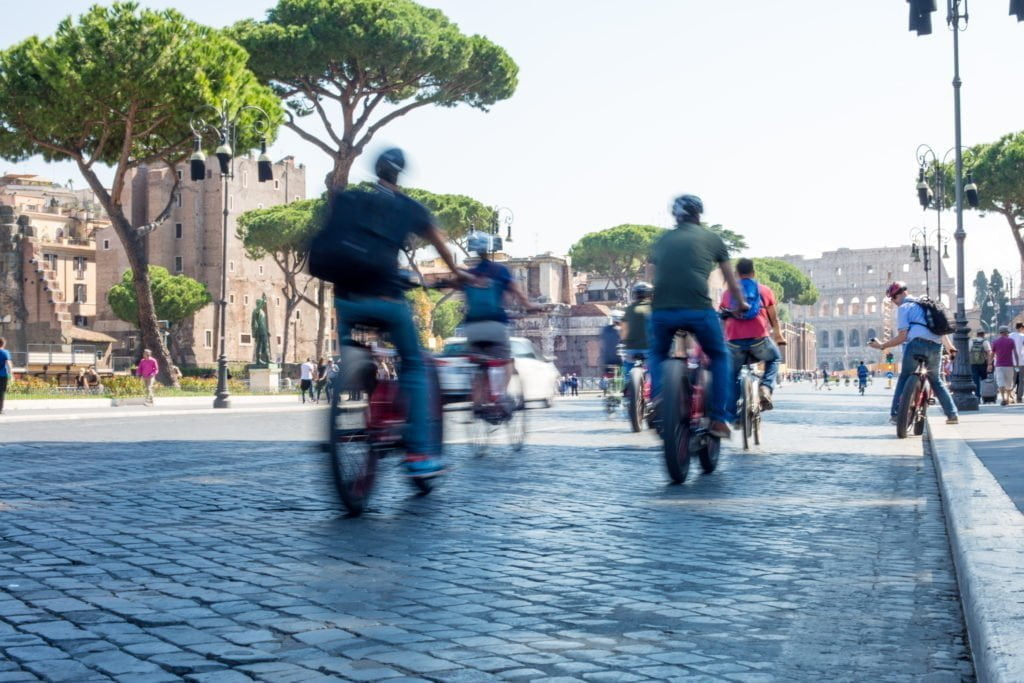
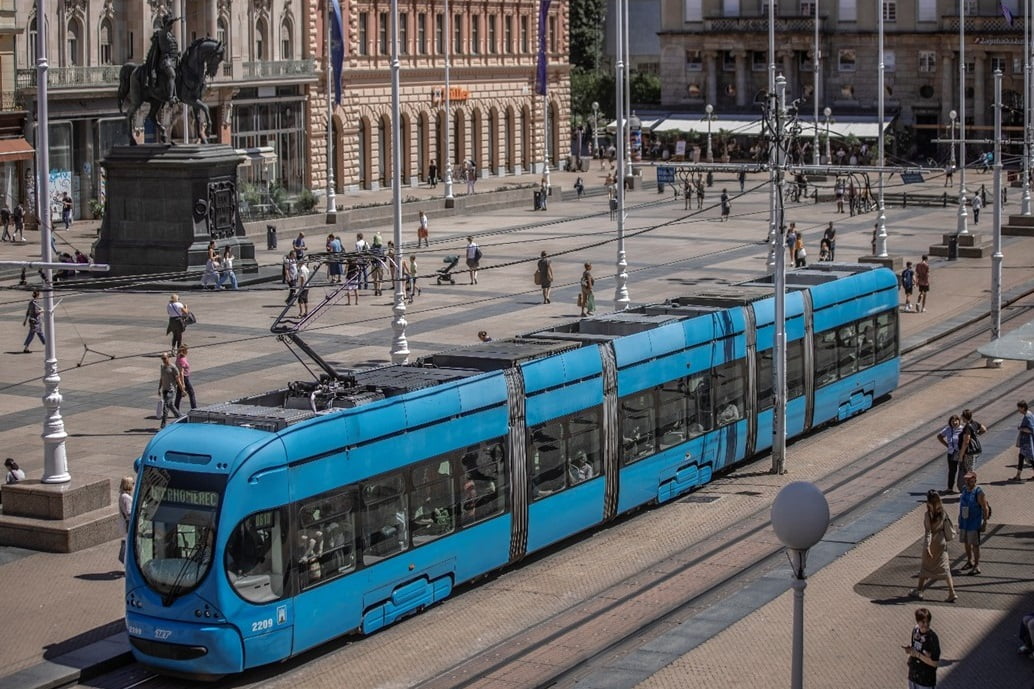
In Rome, for example, public transport operator ATAC ordered 411 battery-electric buses, supported by a ten-year maintenance agreement. Zagreb is similarly combining new electric buses with low-floor trams, solar-equipped depots and smart charging. These public transport investments are expected to account for more than half of its transport-sector emission reductions by 2030.
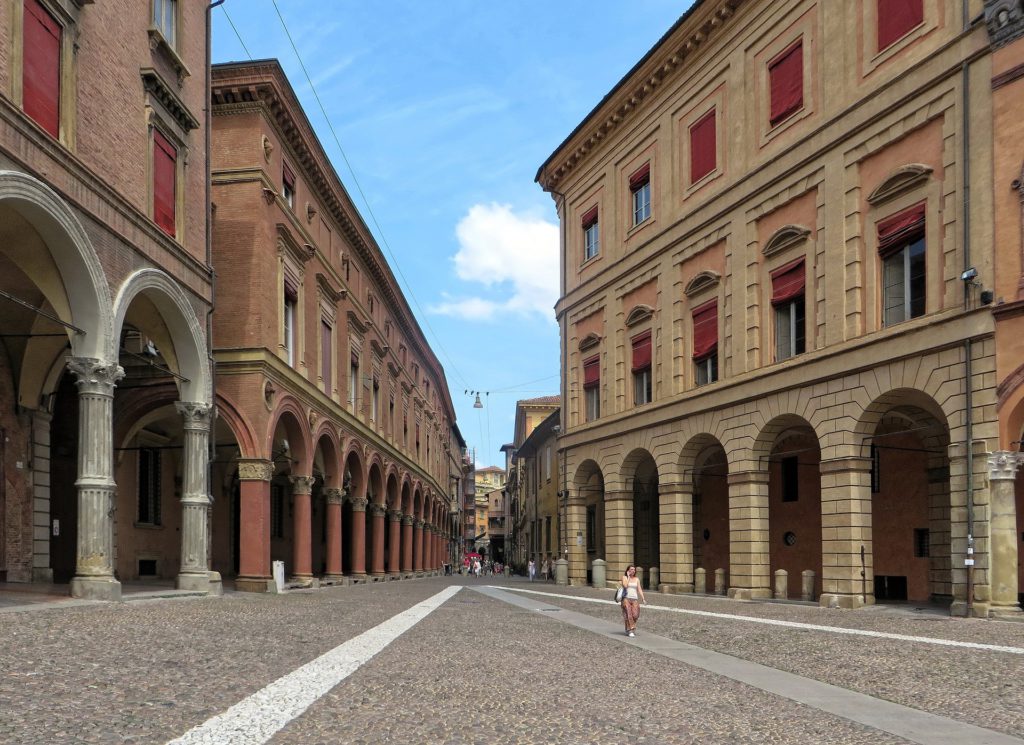
Bologna has recently approved an updated version of their Sustainable Urban Mobility Plan (SUMP) in order to expand and consolidate an integrated and low-carbon transport system across the metropolitan area.
What about traffic?
Another successful way of translating emission targets into practice is through urban vehicle access regulations, including low- and zero-emission zones. These measures restrict access for the most polluting vehicles, accelerate fleet renewal and protect residents in areas with high exposure to traffic-related pollution.
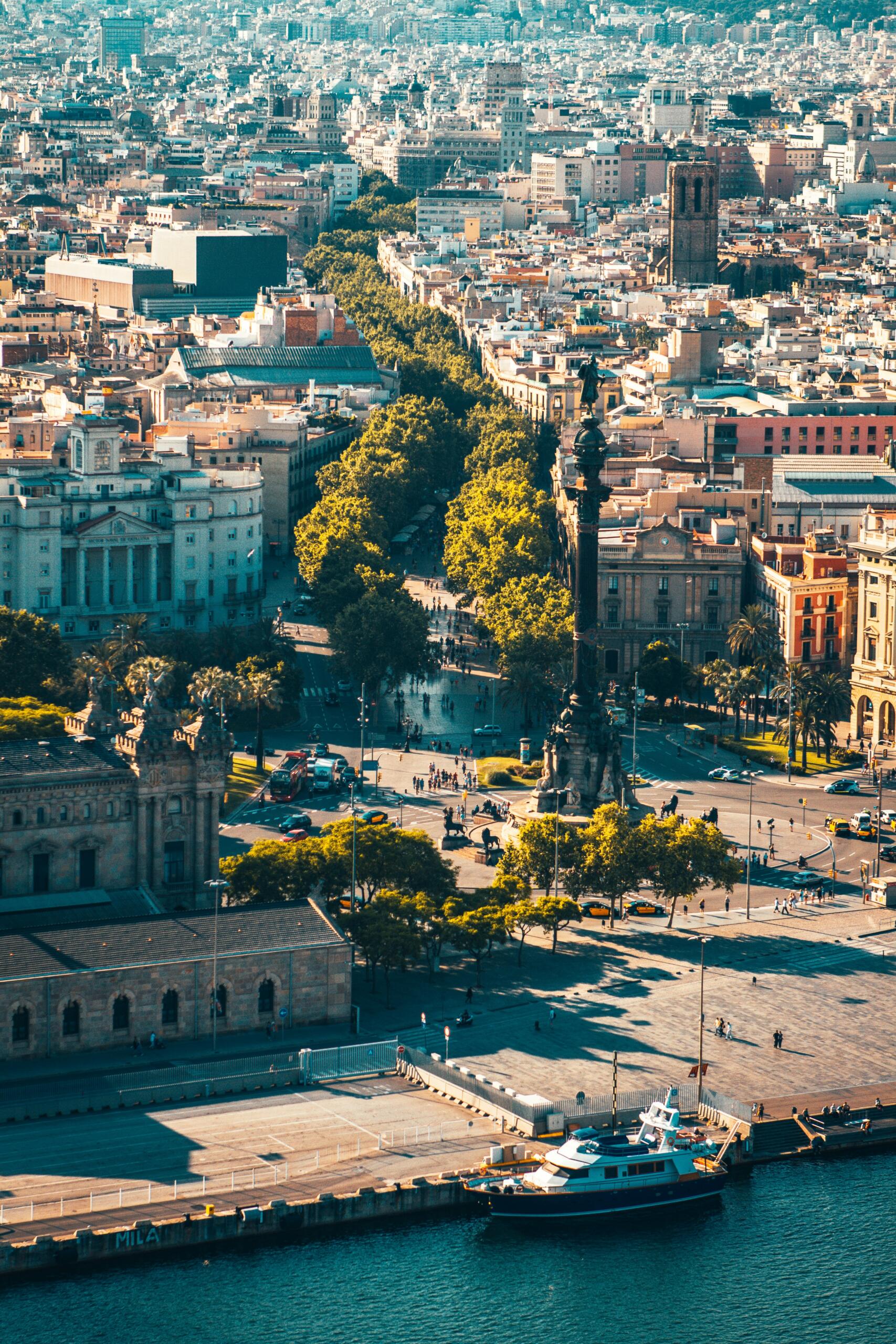
View of Barcelona — Credit: Raimond Klavins, Unsplash
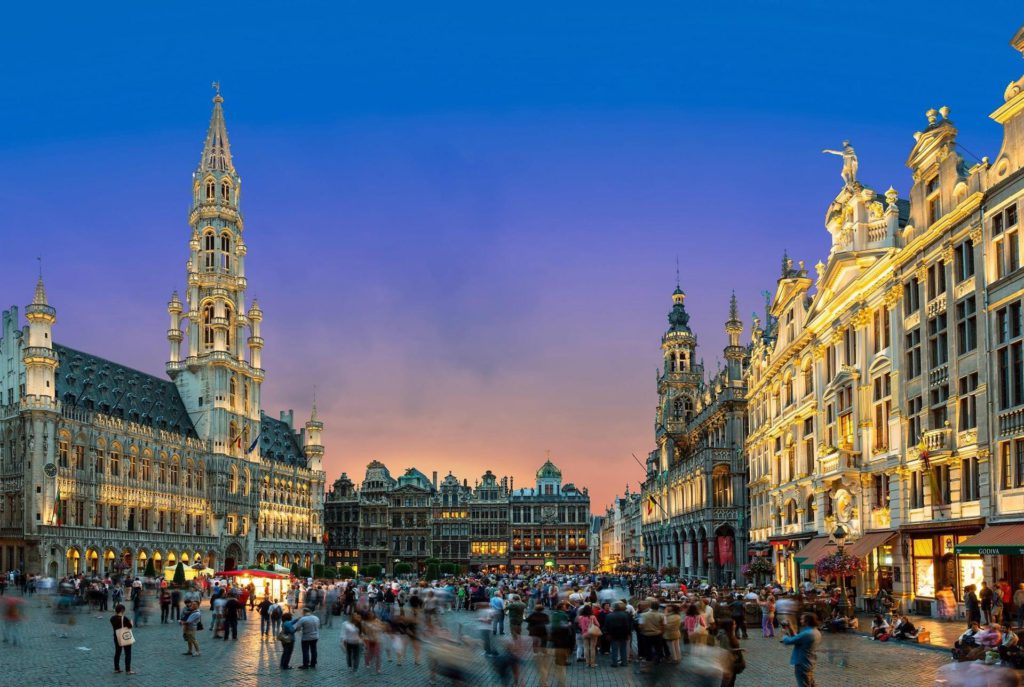
The Brussels-Capital Region introduced its Low Emission Zone in 2018. Monitoring found that, between June 2018 and September 2022, the proportion of diesel vehicles travelling in Brussels almost halved. Estimated traffic emissions of nitrogen oxides, fine particulate matter and black carbon fell by 31%, 30% and 62%, respectively. Reductions in nitrogen dioxide concentrations of up to 30% were also recorded along heavily trafficked roads.
Barcelona is also combining its Low Emission Zone with its superblock programme, parking management and improvements for walking, cycling and public transport. The scale of the challenge remains significant: around 660,000 private-vehicle journeys are made within Barcelona each day, while cars account for approximately 52% of journeys into the city from the wider metropolitan region. It is therefore clear how vehicle restrictions need to be part of a broader metropolitan strategy rather than operate as isolated measures.

EUROPEANMOBILITYWEEK 2023 Award
Budapest has also demonstrated how temporary car-free measures can support longer-term public-space transformation. Its 2023 car-free weekend attracted around 10,000 participants and contributed to the city winning the EUROPEANMOBILITYWEEK Award.
Budapest is now drawing on lessons from these temporary openings. The city is redeveloping the Pest lower embankment by creating a continuous walking and cycling promenade. Monitoring by BKK found that this solution increased recorded micromobility traffic in the area by 30%, without causing a significant change in traffic across Budapest’s wider road network.
Karlsruhe is similarly using experimentation to reshape streets and reduce the space devoted to cars. Its Public Space and Mobility Plan combines updated circulation plans with improved walking and cycling networks and greener public spaces. It also includes a strategy to reduce on-street parking where space can be used more effectively. In Passagehof, a space originally meant for parking was temporarily transformed into public space. After evaluation and public feedback of the pilot, it became a permanent pedestrian zone in 2023.
With the recent updates to SUMP guidelines, it has become increasingly evident that European cities need to work collectively towards improved transport and access regulations alongside other approaches.
Zero-emission mobility must also be for everyone
The transition away from fossil-fuelled transport will only succeed if sustainable alternatives are genuinely available to everyone.
The European Commission’s 2025 Recommendation on Transport Poverty calls on Member States to expand mobility solutions. The aim is to make them more affordable, accessible and sustainable, particularly for vulnerable groups and underserved areas. Transport poverty can limit people’s access to employment, education, healthcare and essential services. In fact, people who experience transport poverty do not struggle exclusively due to monetary costs. Scarcity of services, whether due to availability, frequency or accessibility, equally contributes to the formation and expansion of transport poverty.
These questions become even more important when viewed through the 2026 focus on intergenerational fairness.
Children need safe streets and the freedom to walk or cycle independently. Young people require affordable access to education, employment and social life. Working-age adults need reliable alternatives for increasingly complex daily journeys. Older people may depend on accessible public transport and barrier-free public spaces to remain independent and socially connected.
Future generations will inherit both the transport systems built today and the consequences of present-day emissions. Intergenerational fairness means taking their needs into account before they can participate in the decisions shaping their cities.
Climate action and social inclusion must therefore advance together. There is no reducing emissions or car reliance if sustainable mobility systems remain unaffordable or inaccessible.
- Related Events
- Related Projects
- Related Members
EUROPEAN MOBILITY WEEK 2026