Climate City Contracts: POLIS members publish their Action Plans
Several POLIS members have published their Climate City Contract Action Plans, outlining how they intend to reach climate neutrality by 2030.
The Cities Mission Climate City Contract (CCC) is a governance instrument designed to support cities address the structural barriers hindering their transition to climate neutrality by 2030. More than a static policy document, the CCC is both a process and a 'living' digital framework. It captures the outcomes of ongoing co-creation between cities and a broad coalition of local, regional, national, private, and civic stakeholders. Through this collaborative approach, cities identify the actions, investments, governance reforms, and collaborative mechanisms required to deliver climate neutrality within the decade.
Several members of POLIS have recently published their CCC Action Plans, and mobility plays a central role in these strategies: Rome, Eindhoven and Helmond, Groningen, Rotterdam, Amsterdam, and Zagreb.
Rome
Rome has based its approach on vision and concreteness. Its Climate City Contract focuses on mitigation, while the recent Climate Adaptation Strategy outlines resilience priorities. Together, they map existing actions, future interventions, and the barriers that remain.
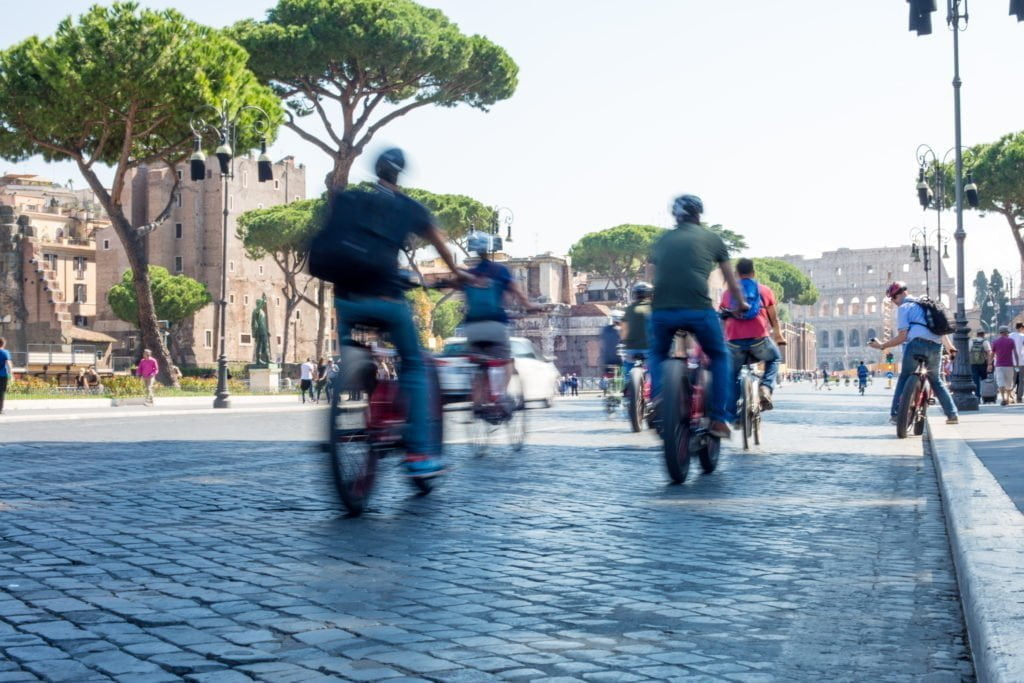
Rome has long invested in sustainable mobility, promoting multimodality, modernising the transport system, and delivering an ambitious cycling plan—these efforts earned Roma Capitale and Roma Servizi per la Mobilità this year’s POLIS Award.
Eindhoven and Helmond
The neighbouring cities of Eindhoven and Helmond are jointly developing a CCC aimed at reducing CO2 emissions by 80% by 2030, while strengthening long-term resilience. Their strategy is structured around three pillars—fossil-free, circular, and climate-resilient—and guided by six principles: leadership, ownership, behaviour, impact, inclusiveness, and innovation.
Groningen
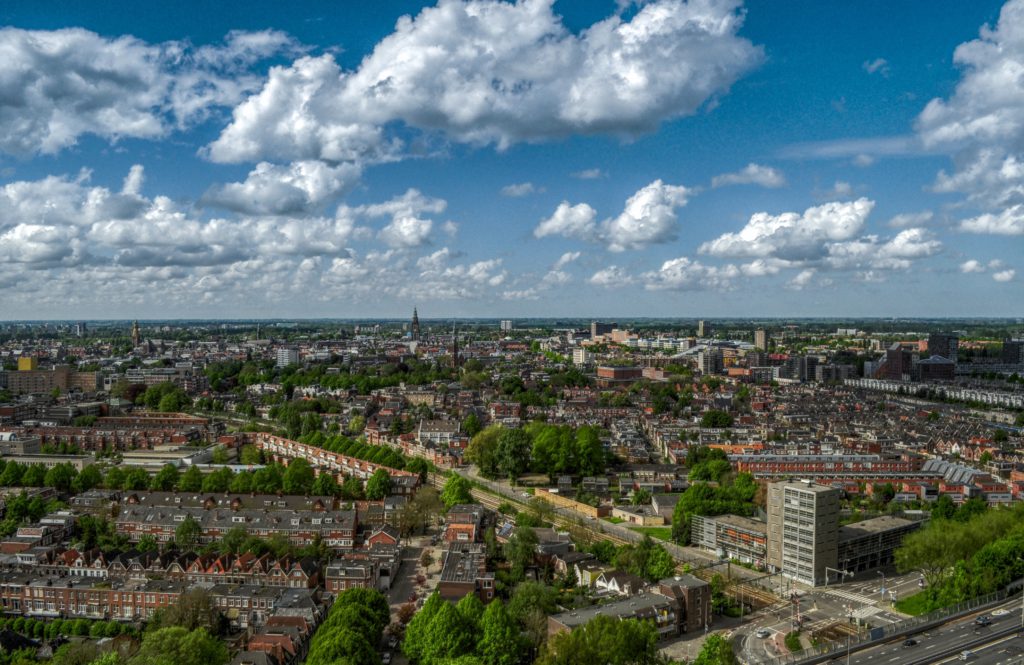
Groningen views energy systems as a commons that should be governed locally for maximum societal benefit. The city is reshaping its urban environment into a 15-minute city accessible by bicycle or public transport. Groningen is also taking a decisive stance on private car use by reducing parking availability and pricing, and by prioritising shared mobility, public transport, walking and cycling. From 2025, freight entering the city centre will need to be emission-free.
Rotterdam
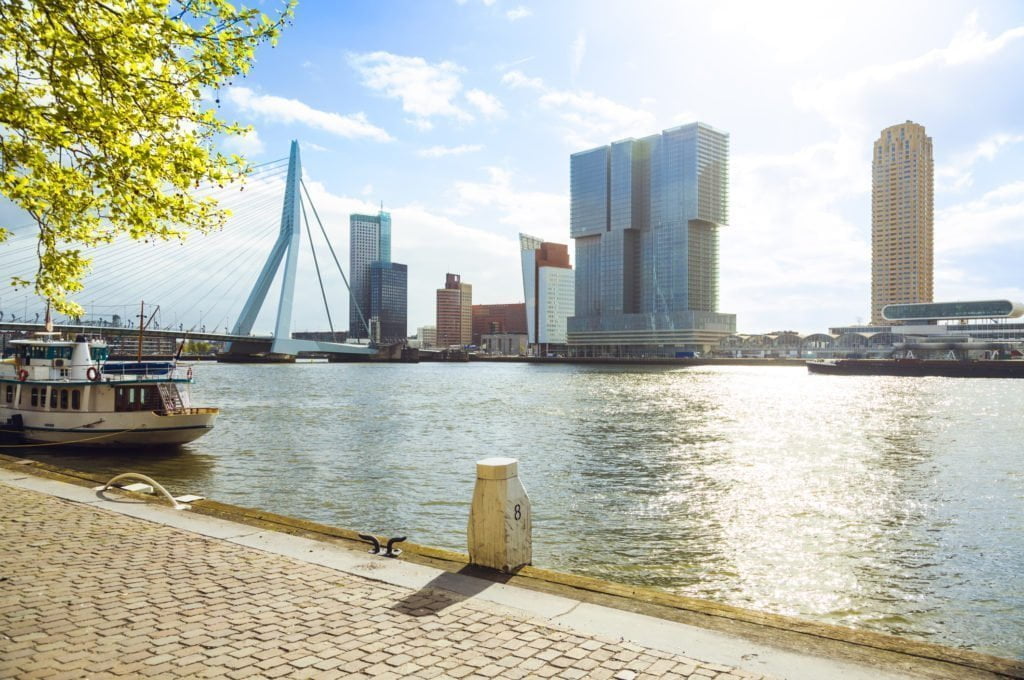
Rotterdam has been advancing the mission’s objectives even prior to the EU initiative, with a strong focus on systems understanding, mandate-building, policy development, and continuous learning. The city is now moving from a start-up phase of experimentation to a scale-up phase. This brings major systemic challenges, such as grid congestion, district heating constraints and labour shortages, that require multi-level cooperation.
Amsterdam
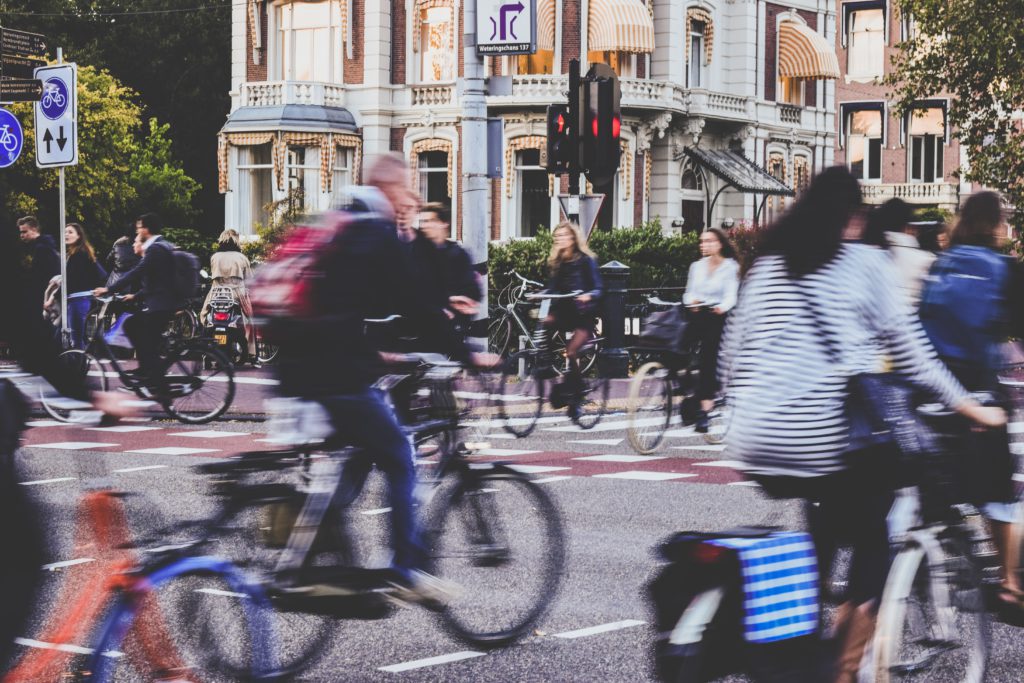
Amsterdam has been pursuing climate action for several years. Its 2019 Amsterdam Climate Agreement was developed through extensive citizen and stakeholder dialogue. The city aims to become fully climate-neutral, circular and climate-adaptive by 2050, with a major milestone of zero-emission traffic within the built-up area by 2030.
Zagreb in the spotlight
Zagreb's Climate City Contract Action Plan is pursuing a truly holistic approach to climate neutrality, embedding climate objectives across governance, planning and investment systems. Developed through the NetZeroCities programme, its Climate City Contract places equal weight on mitigation and adaptation, shaping both how the city is organised and how resources are allocated.
Through the Pilot Cities Programme, Zagreb is also trialling new forms of systemic change. The flagship initiative is the Climate-Neutral Greening Hub—a combined digital and physical platform offering residents data, tools and advice to support their own transition efforts.
Transport transformation is a cornerstone of Zagreb’s approach. Under its accelerated climate neutrality pathway, the sector will deliver a reduction of 90% of emissions compared to 2019. The remaining residual emissions are mainly from freight and logistics, lagging private fleet decarbonisation, and a share of municipal utility vehicles, which are addressed through a dedicated Residual Emissions and Removals Strategy.
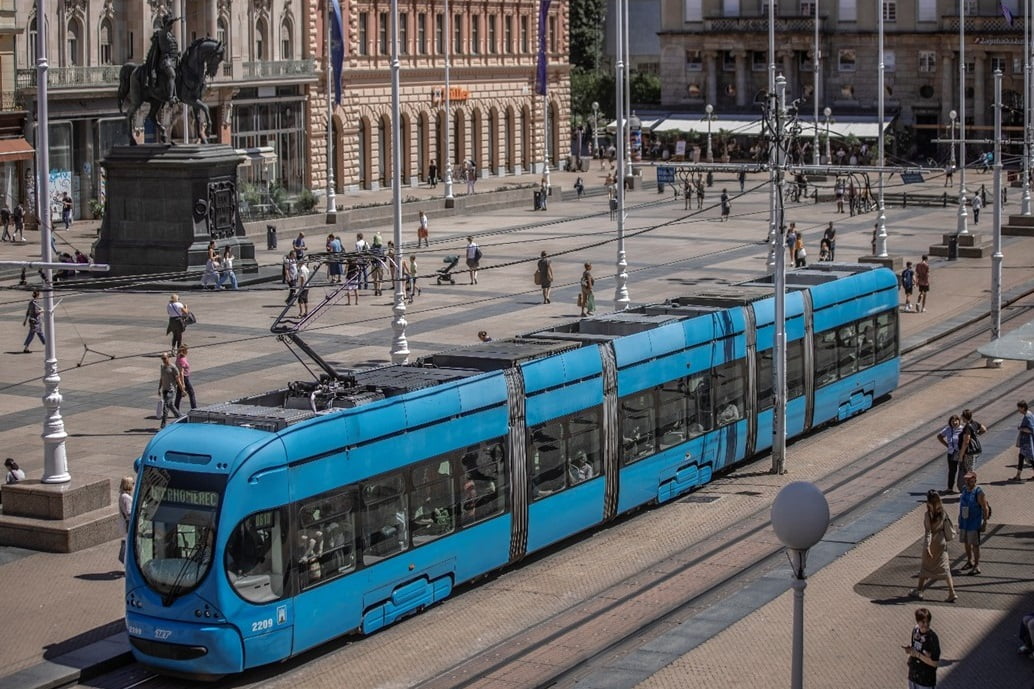
Zagreb is repositioning public transport as the backbone of a clean, integrated, people-centred mobility system. Major investments include new low-floor trams, electric buses, upgraded depots with rooftop solar PV, and smart charging. These account for more than half of transport-sector reductions by 2030. Additional measures comprise expanded low-emission zones, Sustainable Urban Mobility Plan actions linking land-use and mobility planning, green transit corridors, shared-mobility integration, multimodal hubs, and full municipal fleet electrification.
Zagreb’s pathway illustrates how climate neutrality can be embedded structurally through spatial planning, finance, design and community participation, transforming everyday urban spaces while enabling residents to drive change.

- Related Members