World Pedestrian Day 2026: Placing walking at the top of mobility strategies
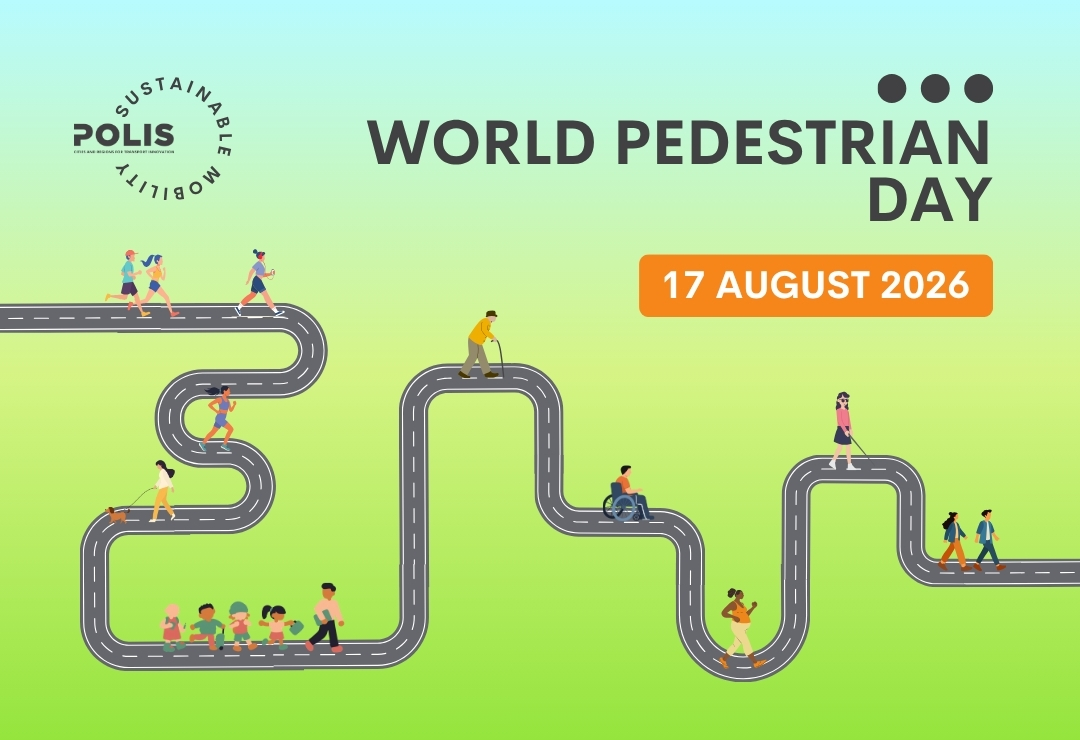
World Pedestrian Day, observed annually on 17 August, is dedicated to affirming walking as a universal right and raising awareness of road safety.
Walking is the most natural way to move around. It is the simplest and most democratic form of urban mobility: it is free, requires no technological or economic resources, and is accessible to everyone in some form.
Promoting more walking and wheeling—and other active travel modes such as cycling—can not only reduce CO2 emissions in the transport sector, but also address the other issues and negative externalities that characterise the current transport system, namely physical inactivity, road safety, traffic congestion, and noise pollution.
However, to truly achieve walkable cities, a systemic change in urban planning and in institutional frameworks is needed. It is up to everyone, from authorities to car drivers, to help ensure a safe, accessible, and attractive walking network that encourages active mobility and improves health.
Walking truly is a panacea
The transport sector is the largest source of greenhouse gas emissions in the EU, accounting for about a third of all emissions in 2023. It also causes noise pollution and habitat fragmentation, as well as further emissions throughout the supply chain, from fuel extraction to infrastructure development.
When it comes to energy efficiency, walking and cycling require less energy than other means of transport and are the most effective ways to reduce fossil fuel consumption over short distances. Currently, 60% of urban trips are shorter than five kilometres, a quarter are less than one kilometre, and over half of these short trips are made using motorised transport. Walking and cycling account for only one-third of these trips but have significant potential for growth, especially with the inclusion of electric cycling.
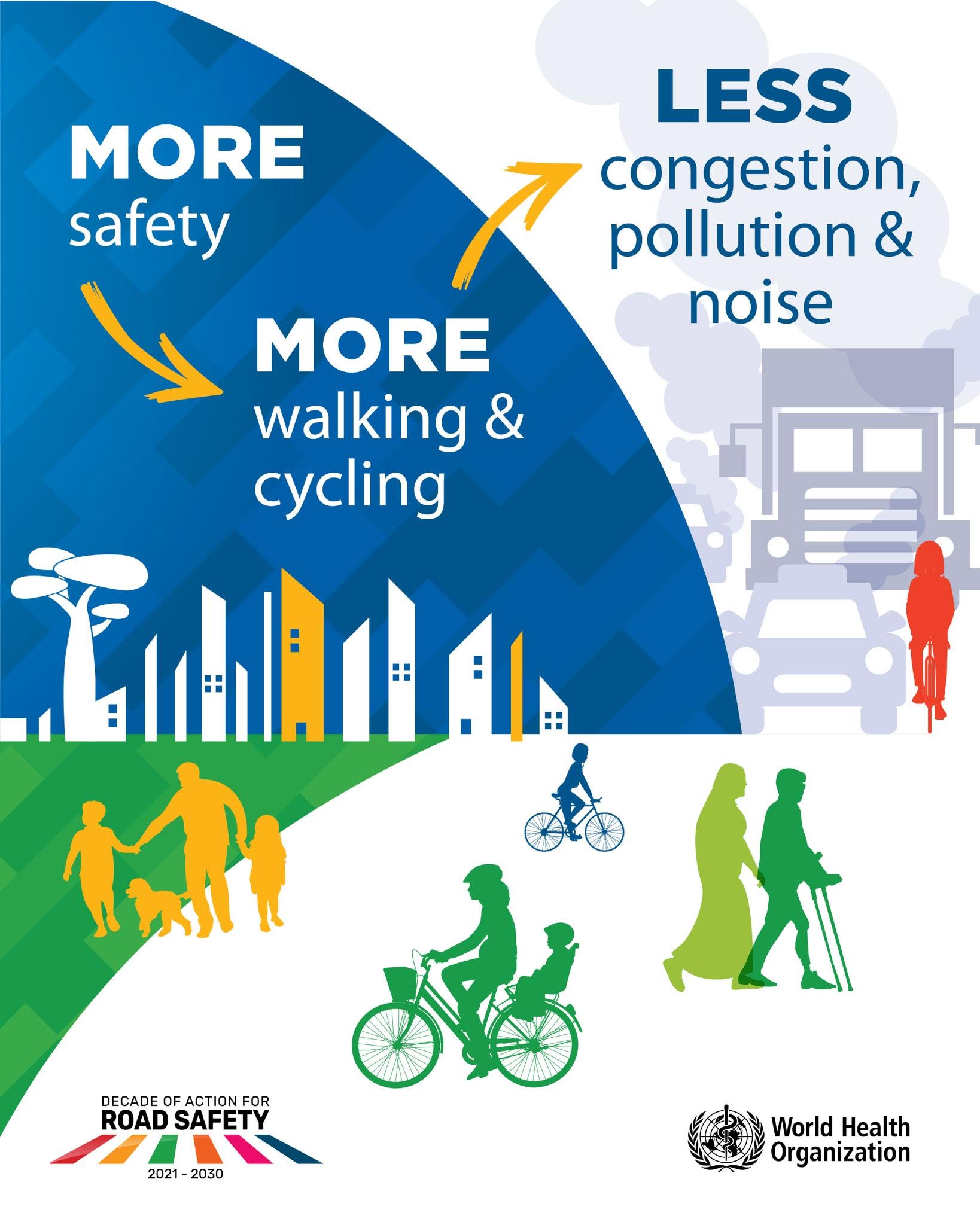
Active travel modes such as walking and cycling have huge benefits on many fronts, from reducing pollution to improving safety - Credit: World Health Organisation
Promoting active travel also serves as a healthcare policy. 31% of adults and 80% of adolescents do not meet the recommended levels of physical activity, costing public health care systems around 27 billion US dollars per year. The widespread use of motorised transport is a major contributor to this physical inactivity. By incorporating just 30 minutes of walking or cycling each day, individuals could meet the World Health Organization’s guidelines and potentially reduce their risk of premature death by 20-30%. This would also bring substantial mental health benefits, including reductions in conditions such as depression and dementia.
In addition to the health and environmental benefits of walking, World Pedestrian Day raises awareness of the dangers of speed for people on streets. Every year, over 21 million people are road crash victims while walking or cycling, and more than a quarter of all road deaths involve pedestrians and cyclists. Part of the reason why this happens is that roads are primarily designed for motor vehicles, lacking dedicated footpaths, safe crossings, appropriate traffic speeds, and secure cycling lanes.
Speed is also a main issue, contributing to half of the road fatalities in low- and middle-income countries and a third of the road fatalities in high-income countries. Lower vehicle speeds decrease the number of serious crashes per kilometre travelled and create environments where people feel safer walking and cycling daily. This phenomenon is known as 'safety in numbers': the greater the number of pedestrians and cyclists on the road, the lower the incidence of serious crashes per kilometre. This occurs for various reasons, including the fact that drivers tend to be more aware and attentive to the movements of cyclists and pedestrians when they see more of them on the road.
In terms of accessibility and inclusivity, walking, wheeling, and cycling are mobility choices available to everyone, regardless of age or economic situation. People with disabilities also benefit from enhanced walking and cycling infrastructure in their cities, as safer roads and improved facilities make cycle paths and sidewalks more suitable for wheelchairs, tricycles, and other mobility aids.
European cities are stepping in
Cities play a crucial role in shifting residents' mobility behaviour. A turning point for Europe regarding active mobility was the signature of the Vienna Declaration. Signed in May 2021 by the ministers responsible for transport, health, and the environment from countries in the pan-European region, this landmark document commits the signatory countries to significantly increase walking and cycling in the region by developing policies and implementing safe infrastructure.
Building on this, the first-ever pan-European Master Plan on Walking was adopted in 2024, placing walking at the forefront of mobility policies. The Master Plan follows the vision of enabling everyone in the pan-European region to have safe, accessible, comfortable, and enjoyable walking experiences.
Walkable cities are already a reality
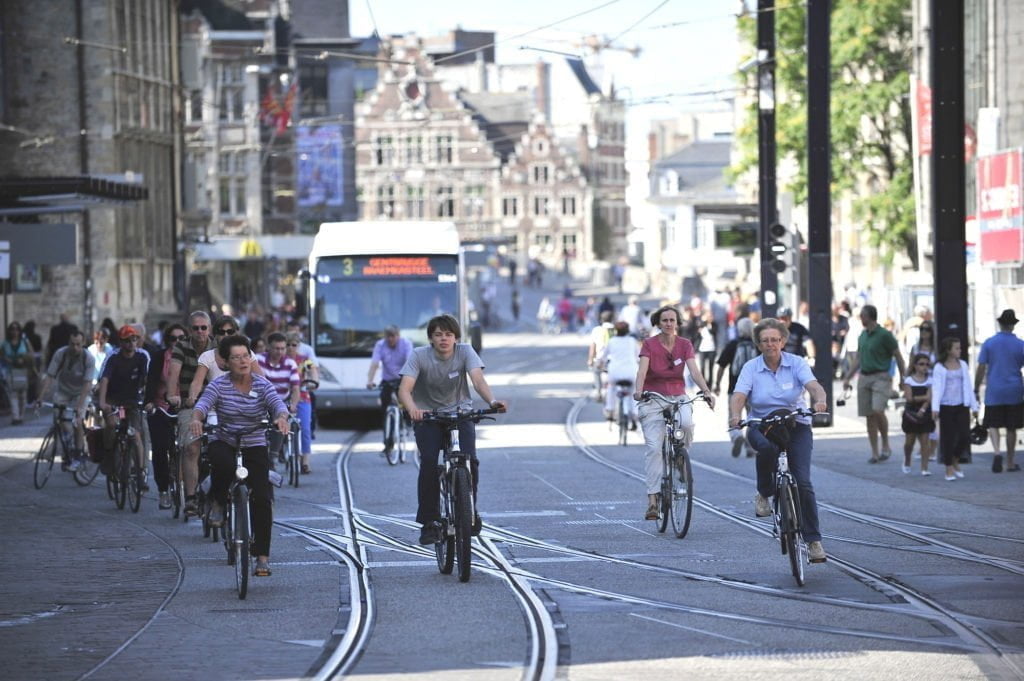
The city of Ghent has long prioritised the safety and comfort of pedestrians, implementing various actions over the years. Part of the city centre has been pedestrianised since 1997, and it was most recently expanded with the 2017 Circulation Plan, which established six new pedestrian districts, redirecting cars to the ring road and outskirts.
Additionally, the city has introduced several measures, including school streets and zones with a 30 km/h speed limit, with the busiest shopping streets allowing only pedestrians during the day—even bicycles get a fine. Citizens are encouraged to take part in improving the quality of walkability by reporting unsafe crossings, broken or inaccessible footpaths through dedicated platforms.
One of the most innovative creations is Living Streets—temporary spaces designed as safe and quiet meeting areas where people can gather, relax, and play. These Living Streets promote socialisation and strengthen community bonds and solidarity within neighbourhoods.
Ghent also has a Pedestrian Plan that aims to make walking the norm for all, adapt public spaces for pedestrians, and ensure that all city departments consider pedestrian needs. As part of the plan, the city has established a Pedestrian Academy. This initiative has had significant success, hosting four editions since its inception in 2023 and bringing together a variety of professionals involved in pedestrian policy, from municipal officials to engineering firms.
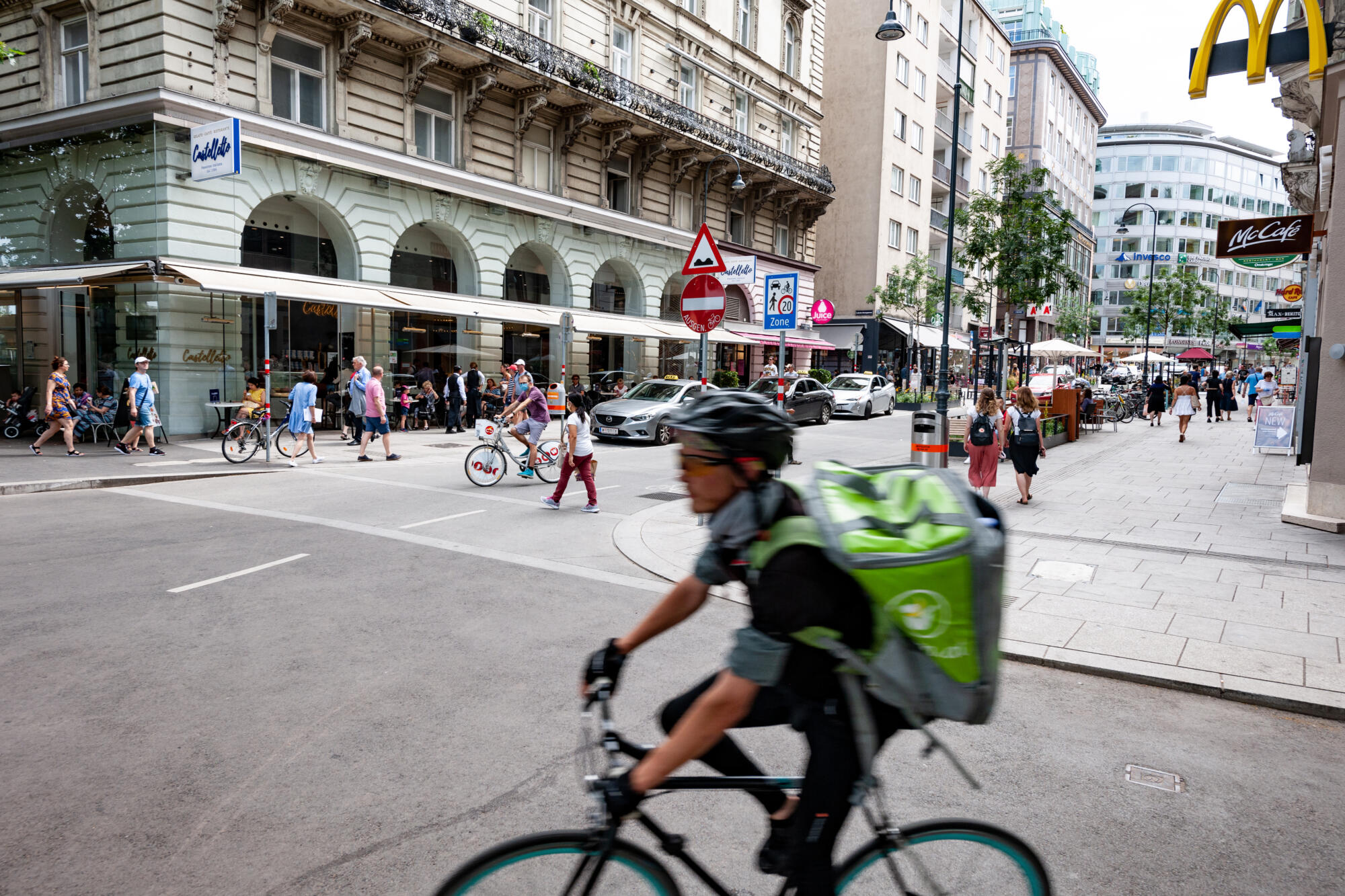
People in Vienna make about 30%of their journeys on foot - Credit: Shuvo Rafiqul, Shutterstock
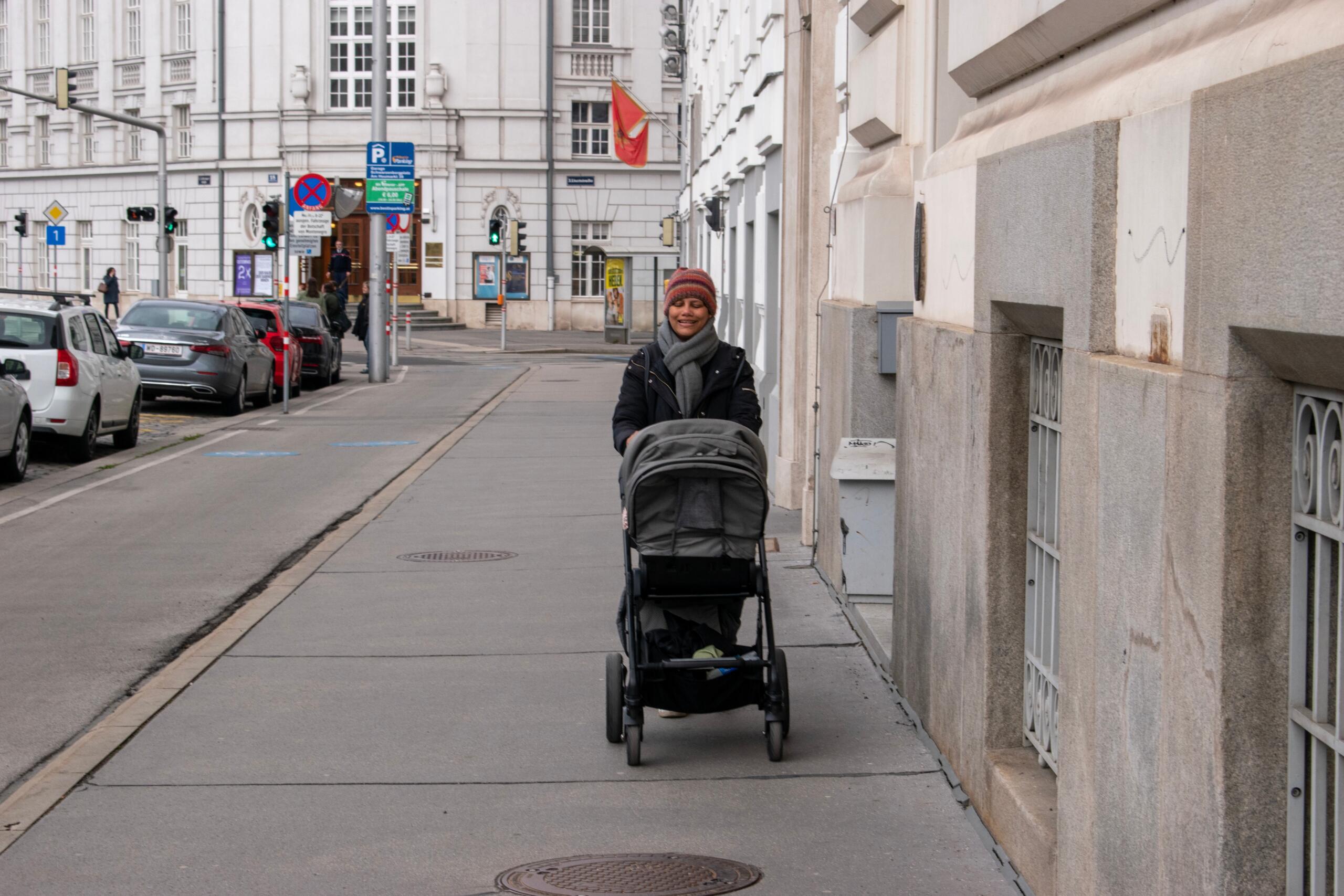
Another trailblazer city is Vienna. The Austrian capital places walking at the top of the mobility pyramid: more than a third of its citizens make more than a third of their daily journeys on foot, either for shopping, going to work or nearby destinations, but also for leisure.
Walking policy has been integrated into different strategies and plans, including Vienna’s Smart City Framework Strategy, Urban Development Plan 2025, and Pedestrian Traffic Strategy Paper. The city has further established an independent Mobility Agency in 2013, with a dedicated Commissioner for Pedestrian Traffic.
In addition to implementing pedestrian zones, school streets, and ‘Tempo 30 zones’, the city engages citizens by creating a Walking Map and Walking App, introducing walking challenges, and targeting schools and parents.
Vienna’s success has also benefited from the Masterplan for Walking of Austria, a national funding initiative introduced in 2021, which prioritises walking within the existing federal funding program, klimaaktiv mobil. This Masterplan recognises walking as a viable transportation option and enables municipalities to secure financial resources for developing pedestrian zones, residential streets, wide and paved sidewalks, and more.
Smaller cities also lead the way. Vitoria-Gasteiz is renowned for its human-scale urbanism, characterised by a compact layout that encourages moving on foot. The city has a long-standing commitment to active travel, and its Sustainable Urban Mobility and Public Space Plan (2021–2025) aims to promote more sustainable transport options, enhance the quality of urban spaces, and improve accessibility so that everyone can access essential services. With respect to walking, the Plan aims to reclaim streets for pedestrians and includes plans to expand the city's walking network by approximately 70 kilometres.
A key strength of Vitoria-Gasteiz’s approach is its participatory method. The mobility strategy is anchored in the Citizens’ Pact for Sustainable Mobility, signed in 2007. Finally, between 2009 and 2011, the city tested superblocks, reallocating 29% of public space for pedestrian use. The experiment was a success: walking increased by 55% in the area, while car usage dropped by 63%. The city has now planned to develop 77 superblocks in total.
Safety first
London is tackling the underlying systemic issues that contribute to road danger - Credit: Andriy Blokhin, Shutterstock
London has often been labelled as a Vision Zero leader for its ambitious goal of eliminating road danger entirely by 2041. The second Vision Zero Action Plan published earlier this year, developed by Transport for London in partnership with the police and local councils, builds on the lessons learnt from the first one implemented in 2018. This new plan combines data to identify areas that require further action. One key factor in preventing road deaths and injuries has been speed management and targeted interventions, particularly concerning Heavy Goods Vehicles. The plan also acknowledges and addresses emerging challenges, such as the increase in SUVs and mobile phone usage while driving.
In addition, London pushes for improving air quality and improving public spaces, with initiatives such as the Ultra Low Emission Zone (ULEZ) and the Healthy Streets Approach. This long-term plan foresees comprehensive policies and strategies aimed at improving the street experience for pedestrians and cyclists, and is based on ten indicators that assess the quality of street environments.
Similarly, Budapest has recently committed to becoming more pedestrian-friendly and accessible. The BKK Centre for Budapest Transport is currently developing a Walkability and Accessibility Strategy to complement the city’s first Sustainable Urban Mobility Plan. The goal is to become a walkable city by 2030, with walking accounting for one-fifth of all trips. To achieve this, walking will be fully integrated into the city’s other strategic frameworks, including cycling, traffic safety, and road master plans.
To track progress, BKK is employing a comprehensive toolkit using ‘pain maps’ for reporting issues, street scans, and an online reporting system to identify walking barriers. This data will help create a Walkability Index for assessing infrastructure quality and accessibility.
Furthermore, Budapest views walking as a vital component of a livable urban environment. This perspective encourages people to spend more time in public spaces, stimulates the local economy, and supports physical and mental well-being. In this context, creating school streets is a priority.
Innovation for moving on foot
The city of the future will not only be more walkable but also more automated. Automated vehicle (AV) technology is rapidly advancing and holds significant potential to enhance mobility systems, making them more resilient, safer, and sustainable.
The Joint Charter on Automated Mobility in European Cities and Regions, launched by POLIS and Eurocities, outlines a shared vision for the deployment of automated mobility in urban and regional areas. It emphasises that AVs need to adapt to the needs of cities and their residents first. Among the guiding principles, the Charter acknowledges the potential of AVs to improve livability through cleaner, shared, and space-efficient transport options while discouraging private car ownership, all while supporting active mobility.
The implications of AV technology for pedestrians are often overlooked. Research by the International Federation of Pedestrians (IFP), along with Modus Foundation and Pedestrian Mobility Switzerland (Fussverkehr), shows that while AVs can benefit society, a strong policy agenda and regulatory framework are essential. To achieve this, authorities at all levels should:
- Ensure safety to maintain public trust,
- Promote public transport and shared vehicles,
- Enhance traffic safety and mobility by managing speeds,
- Prioritise pedestrian-friendly design to improve walkability,
Keep walking
When properly supported, walking and cycling can serve as effective alternatives to motorised mobility. Since 2026 marks the start of the UN Decade of Sustainable Transport, this is an important opportunity for authorities at all levels to make active mobility a true priority and invest in making it a reality that will result in happier, healthier, more cohesive and economically attractive cities.
A truly sustainable mobility paradigm must include substantial investment in walking and cycling. Enabling a significant number of urban trips to be walkable and cyclable will provide a quick, affordable, and reliable way to significantly reduce transport emissions, traffic congestion, and road casualties while also improving public health, strengthening economies, and fostering fairer and happier societies.
- Related Members