MOBI-MIX
MOBI-MIX intends to facilitate the uptake of innovative transport solutions to fulfil their potential and have a positive impact on reducing carbon emissions.
Many new urban mobility concepts (from e-scooters to shared mopeds and bikes) have become  commercially viable in the last three years, leading to their mass implementation across Europe. So far, the first generation of Shared Mobility and MaaS concepts has proven its attractiveness to users, but the lack of expertise and tools in place has led to suboptimal MaaS deployment, cancelled projects and unexpected drawbacks such as safety for citizens and short life cycle of vehicles.
Running from March 2020 until September 2022, MOBI-MIX will develop and source state-of-the-art public-private collaboration models for more effective implementation of micro-mobility and MaaS solutions, ultimately leading to a more livable city.
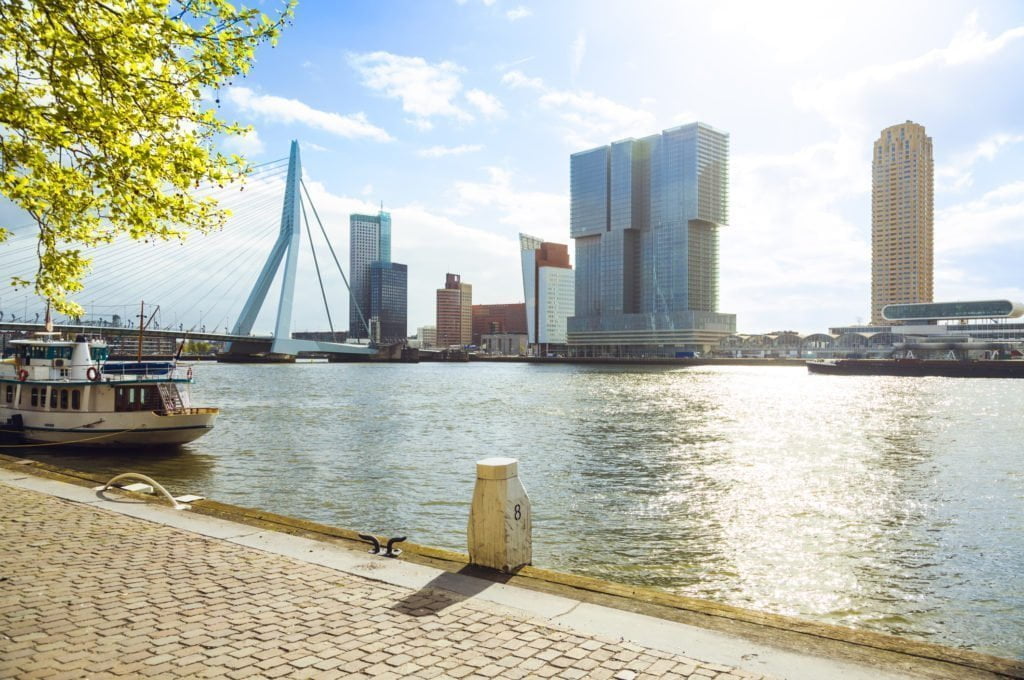
The objective is to reduce 365 tonnes of CO2 emissions by replacing 2.6 million fossil-fueled car kilometres in the urban environment of 5 pilot cities/regions: Rotterdam, Norfolk, Antwerp, Mechelen and Valenciennes.
The project receives 1.8 € million in financial support from the ERDF.
Check some of the project's key outputs below!
- MOBI-MIX guide - Shared mobility, mobility hubs and MaaS: From vision to implementation (2022): This guide shares lessons from the MOBI-MIX cities and their pilots with shared mobility, hubs, and MaaS, offering practical advice for mobility planners and policy makers. Drawing on diverse business models and experiences from across Europe, it highlights what to consider when designing, governing, and scaling solutions, and how these can support wider sustainable urban mobility goals. You can read it here.
- MOBI-MIX Final brochure (2022): This brochure brings together the main lessons from the MOBI-MIX project on how cities can put shared mobility, mobility hubs, and MaaS into practice as part of a safer, more sustainable transport system. Instead of asking if these solutions are needed, it shows how to make them work, offering clear guidance for public authorities. It also shares pilot experiences from Mechelen, Rotterdam, Antwerp, Norfolk, and Valenciennes, giving real examples of mobility measures on the ground and the public-private partnerships that made them possible. You can check it out here!
Want to keep up with the latest news? Visit the project's website and follow them on Twitter and LinkedIn.
- Related News
- Related Events
- Related Documents
- Related Members

POLIS launches its Women’s History Month 2025 campaign!
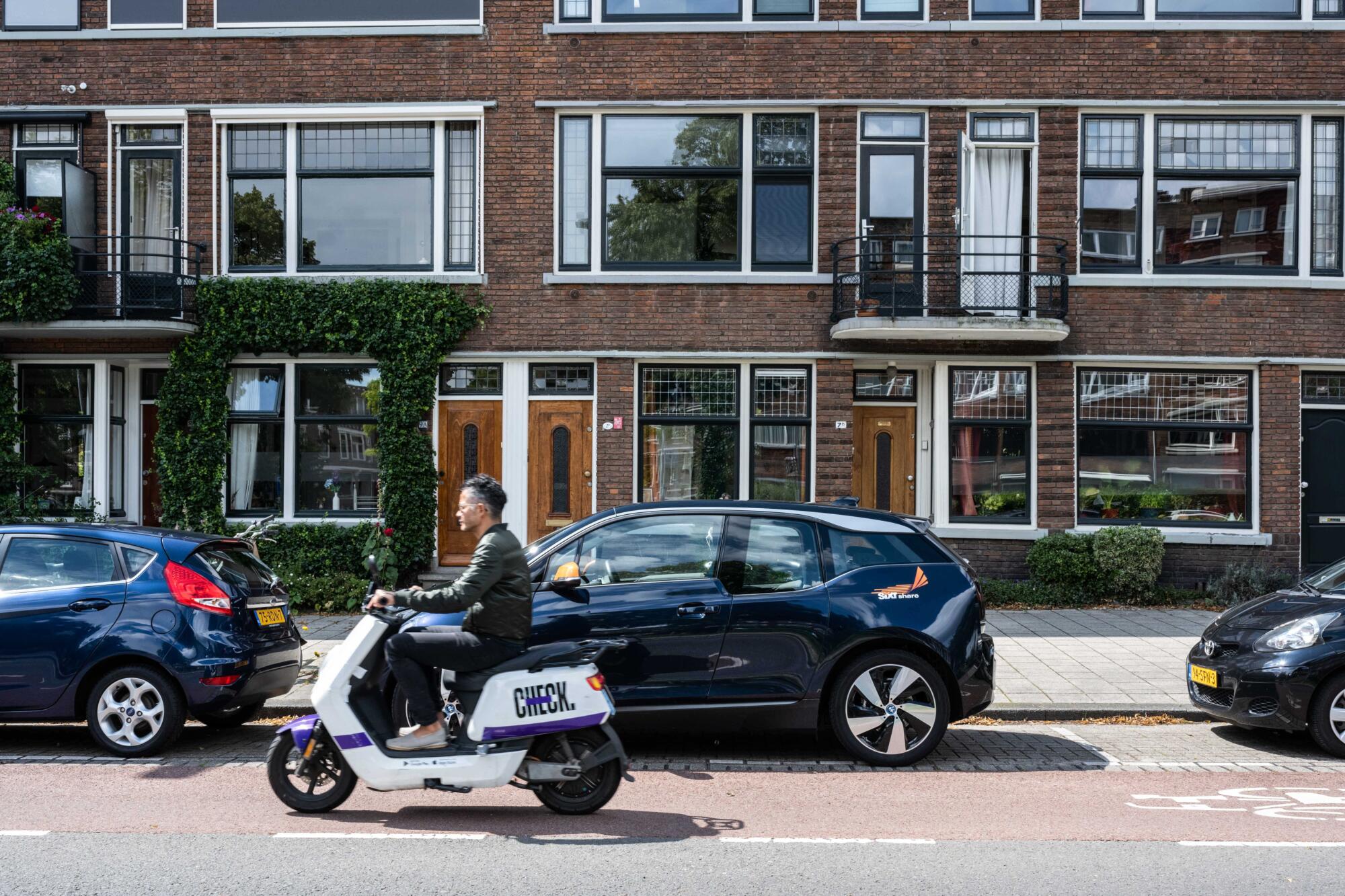
Are shared mobility solutions helping reduce CO2 emissions? MOBI-MIX investigates
MOBI-MIX shares closing insights in Final Brochure
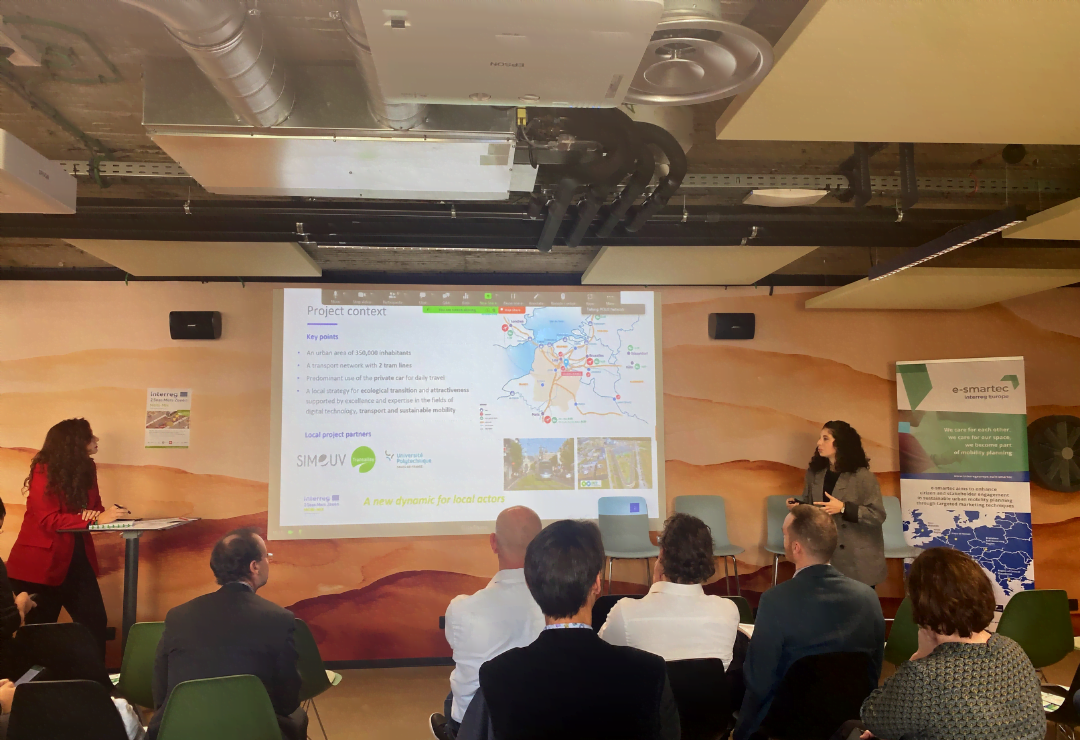
Out with a bang! e-smartec & MOBI-MIX host Joint Final Conference
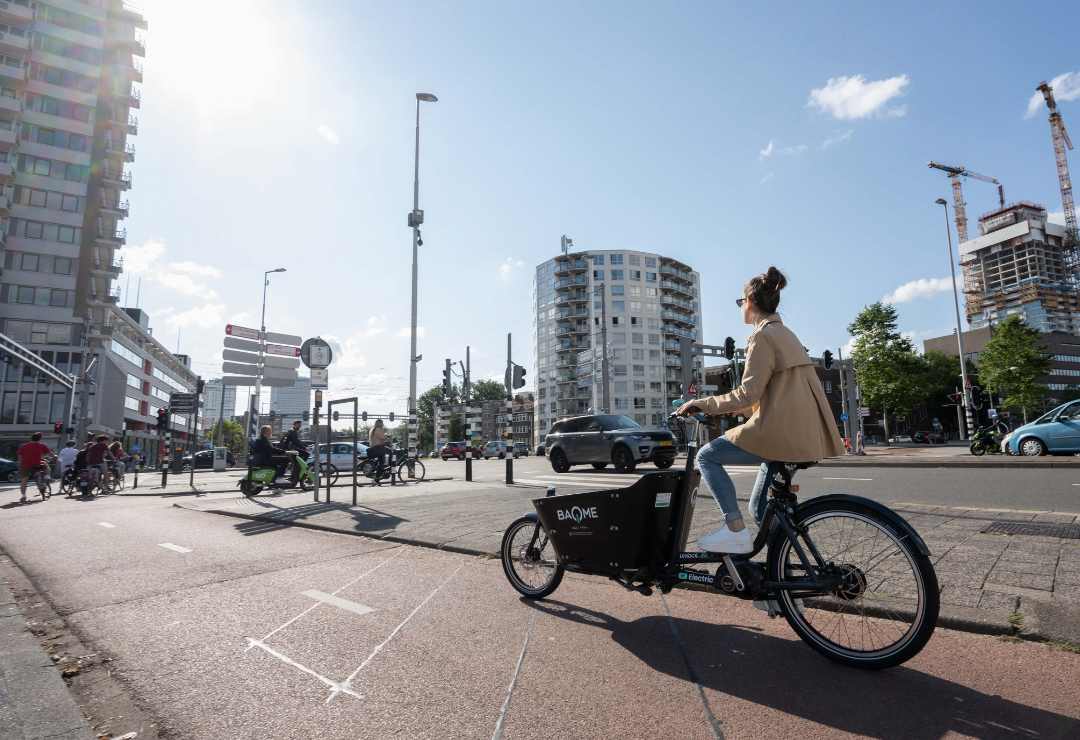
Shared mobility rules! MOBI-MIX publishes project final outcomes
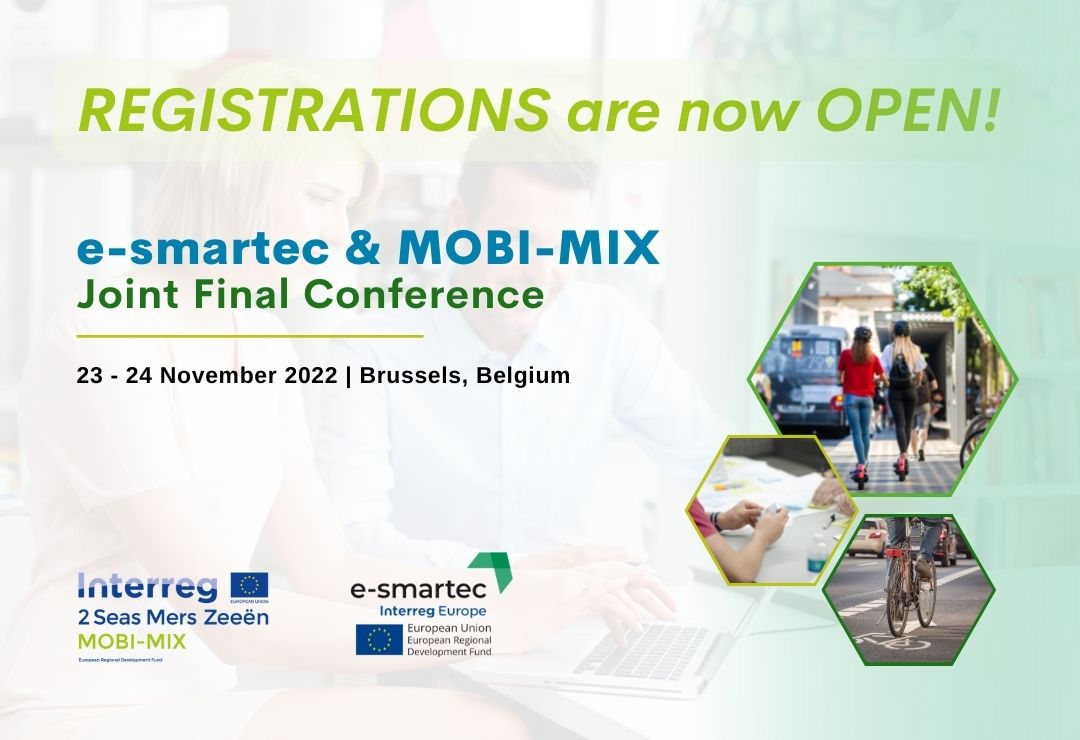
Register to the e-smartec and MOBI-MIX Joint Final Conference!
‘Mobility hubs, a lever for more sustainable mobility?’ MOBI-MIX investigates
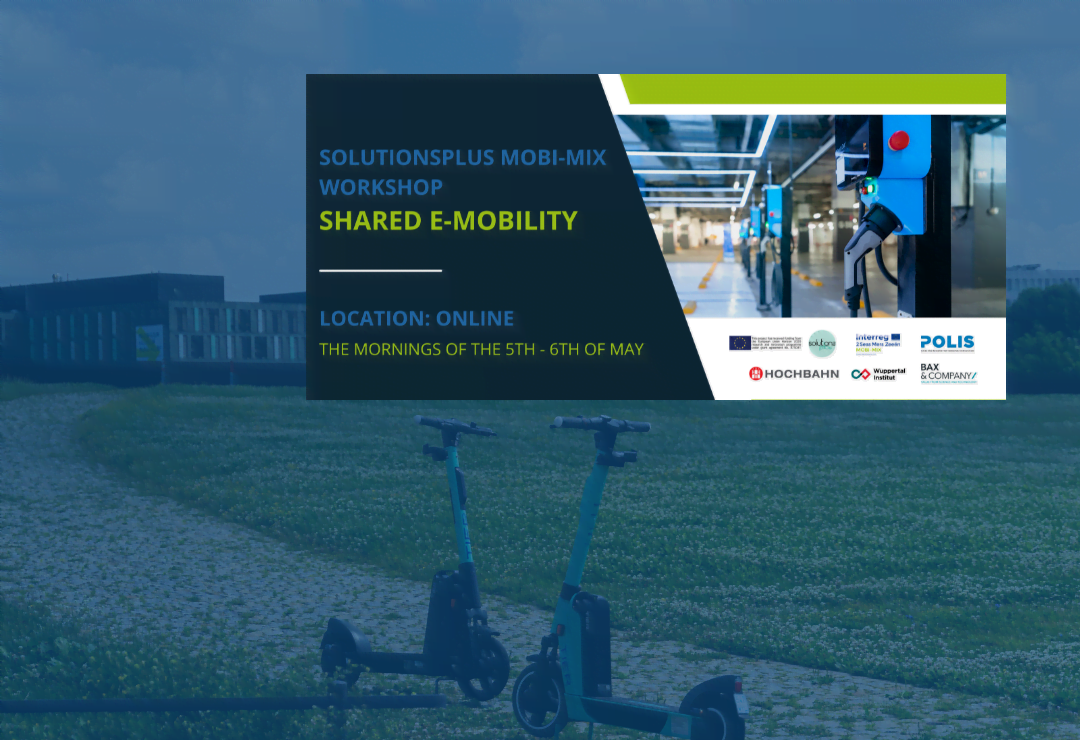
SOL+ and MOBI-MIX make workshop on shared e-mobility available online!

Carsharing – what do we know so far? Insights from the MOBI-MIX project

How to measure the impact of MOBI-MIX shared mobility pilots? The MODE framework as a novel solution
MOBI-MIX publishes report on ‘the MaaS scene’
MOBI-MIX launches Implementation guide for effective Public-Private collaboration in Smart Mobility
Crossing (modal) borders: a webinar taking Maas global
Mobilising Mobility Webinar Series: November
MOBI-MIX is looking for examples of Public-Private Partnerships in Smart Mobility Projects!

New MOBI-MIX project to develop implementation models for MaaS and shared mobility
Global Mass Transit 2nd Conference: Mobility as a Service (MaaS) Europe

e-smartec & MOBI-MIX Joint Final Conference
Planning Smart Mobility: the MOBI-MIX Implementation Guide
Mobilising Mobility: MaaS – crossing (modal) borders
MOBI-MIX Final Brochure
MOBI-MIX guide – Shared mobility, mobility hubs and MaaS: From vision to implementation
MOBI-MIX insight report: Shared mobility data for policy making