World Cities Day 2026: POLIS publishes new brief on tourism and liveable cities
On World Cities Day, the POLIS Capitals Working Group has published a new policy brief on tourism management and its impacts on housing, mobility, and liveability in European capital cities and regions.
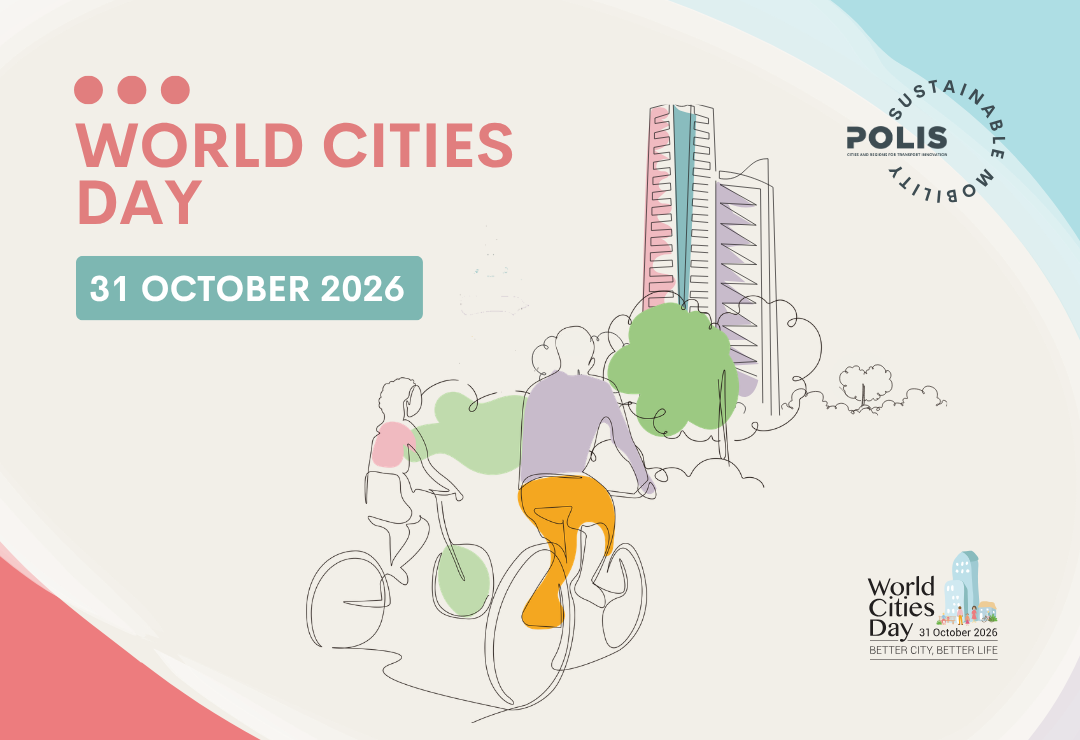
The United Nations’ World Cities Day, observed annually on 31 October, highlights the importance of creating inclusive, sustainable, and liveable cities around the world. This year’s theme, 'Regenerating the City: Adequate Housing for All', focuses on how urban regeneration can support access to adequate housing and foster inclusive, climate-resilient neighbourhoods, while ensuring that existing communities benefit from improvements.
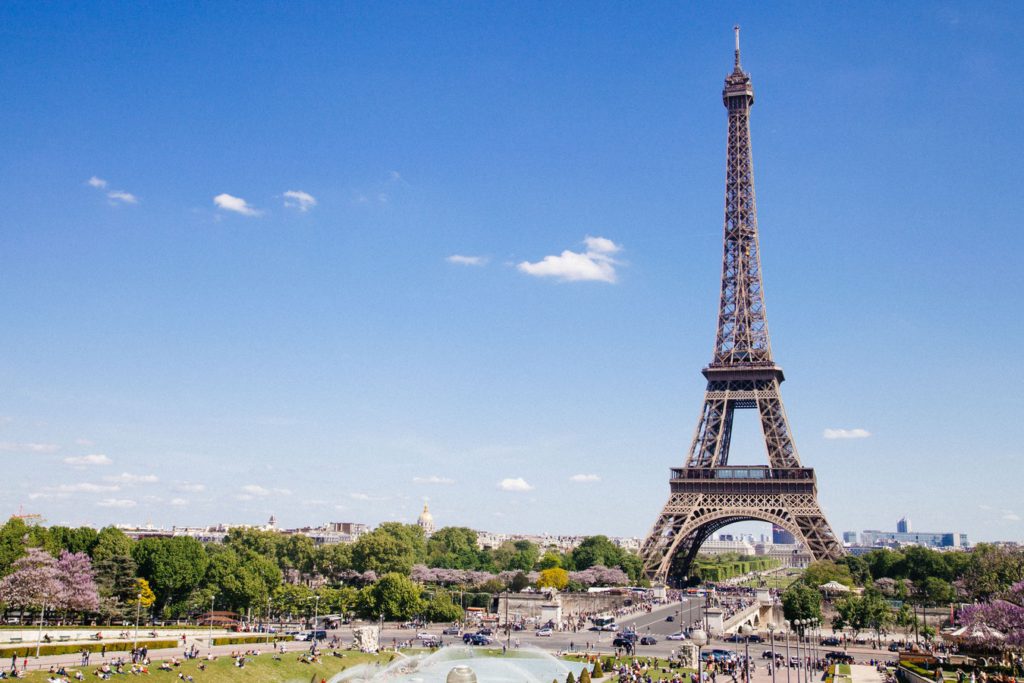
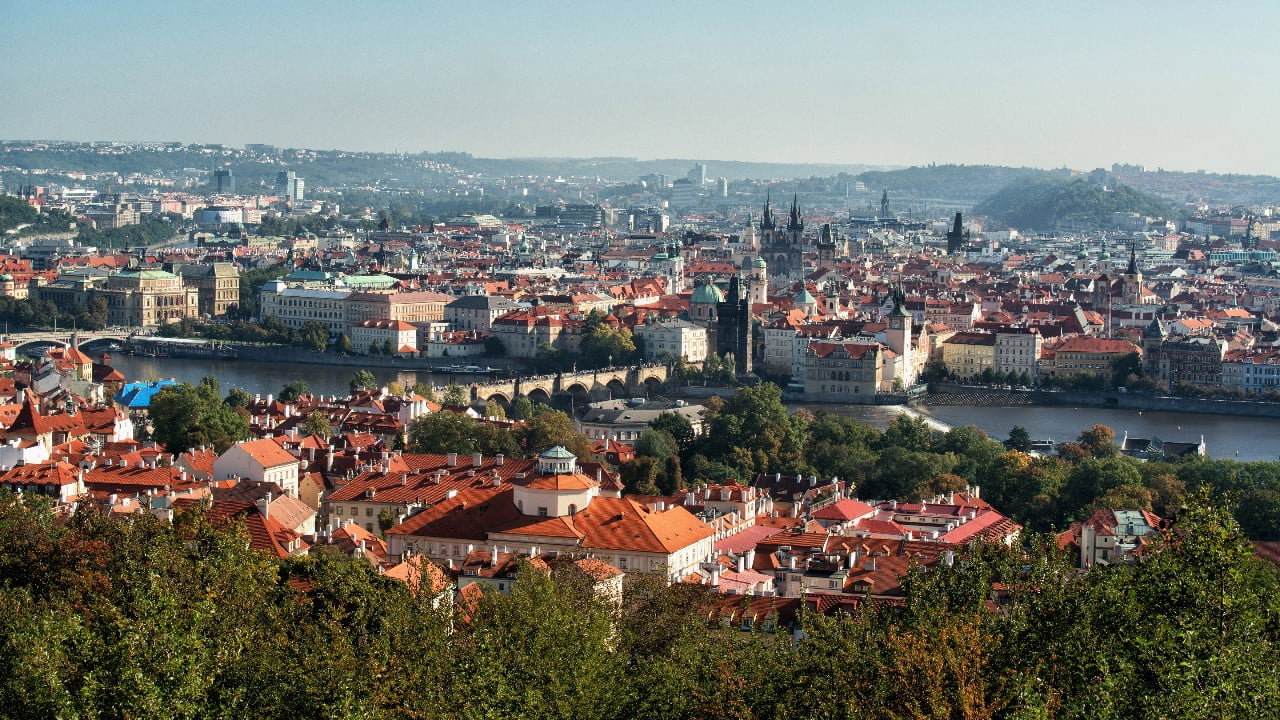
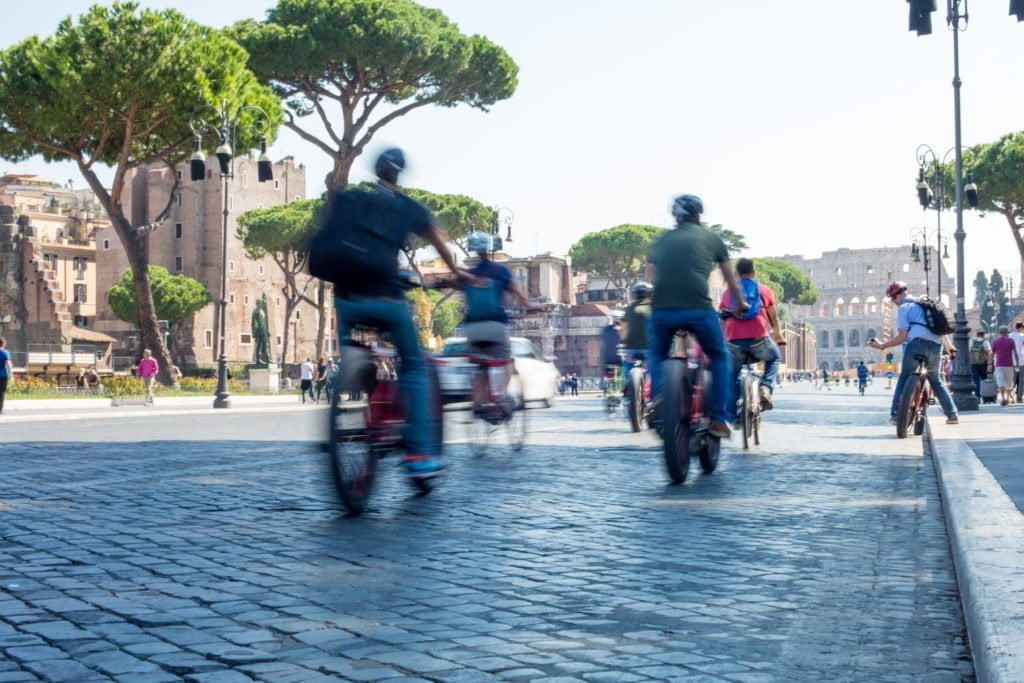
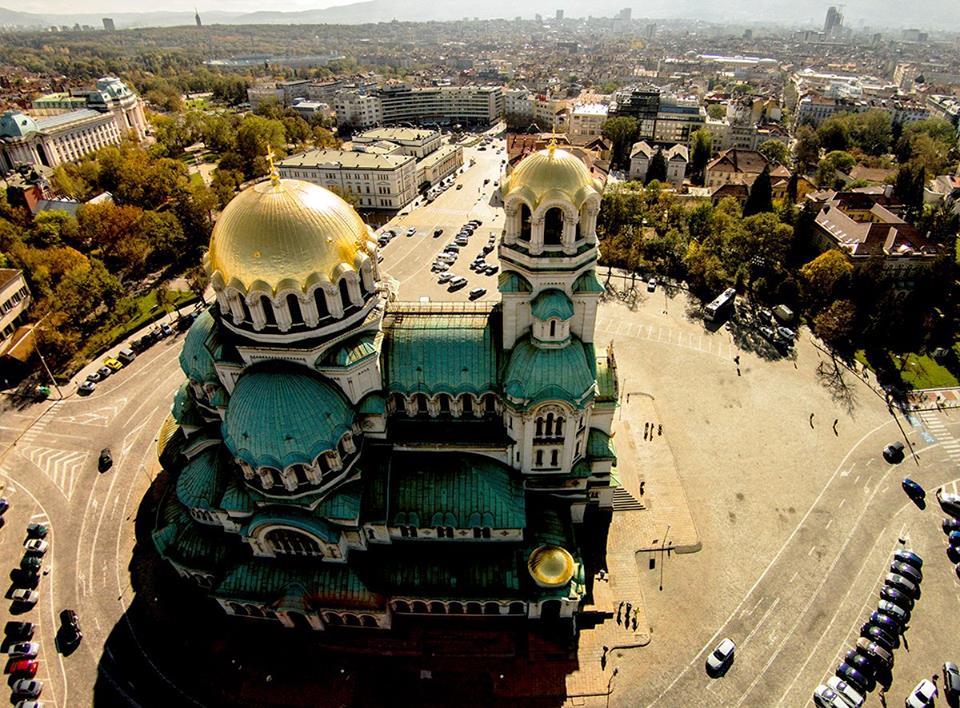
In this context, tourism management is an important consideration for European capital cities and regions, where increasing visitor flows can place additional pressure on accommodation markets and mobility services. As cities seek to balance tourism's opportunities with residents’ needs, integrated planning across transport, housing, tourism, and public space management is becoming increasingly relevant. Against this backdrop, the POLIS Capitals Working Group is releasing a new policy brief titled 'Destination: Europe! Mobility impact: Local? Managing tourism mobility in capital cities and regions', which examines these challenges and identifies priorities for making tourism management more sustainable and better integrated into urban planning.
Drawing on the experience of 20 capitals, the policy brief highlights key areas for improvement, from data collection and visitor behaviour analysis to stronger collaboration between destination management organisations, tour operators, mobility providers, and urban planning authorities. Better understanding visitors’ needs and travel patterns can help cities integrate tourism into wider planning processes, anticipate pressures on local services, and develop overall more effective responses.
Connecting tourism management with better urban living
While tourism and urban mobility authorities often work towards distinct objectives, closer alignment between their strategies, data, and monitoring systems can help cities respond more coherently to shared challenges. European-level guidance also has an important role to play, with the forthcoming European Sustainable Tourism Strategy expected to provide an opportunity to strengthen this coordination.
The implications extend beyond transport. Tourism management is closely connected to how urban space is used and how cities and regions preserve their liveability. In the context of World Cities Day 2026, these questions also invite cities to consider how tourism-related pressures on accommodation and public space interact with the wider objective of ensuring adequate housing and inclusive neighbourhoods.
Welcoming visitors can also create opportunities to improve urban services. Tourism revenues and targeted innovations can support more accessible, efficient, and user-friendly systems, provided that their benefits extend beyond international travellers. For example, personalised travel information, simpler fare structures, and more seamless payment processes, for example, can improve the experience of both visitors and local commuters.
The policy brief argues that a more integrated approach to tourism and mobility can help capitals make better use of resources, strengthen local services, and improve the urban experience for everyone. By aligning policy objectives and bringing stakeholders together, cities can work towards solutions that accommodate visitors while keeping the needs and quality of life of residents at the centre of urban development.
Ultimately, the policy brief highlights the importance of moving beyond the right to move towards a broader vision of urban liveability that recognises the need to balance visitor management with the right to access housing and benefit from well-functioning, inclusive urban environments.
Read the full policy brief here.
- Related Members

Breda University of Applied Sciences
Dublin (NTA)

Helsinki-Uusimaa Region
Ile-de-France Mobilités
Noord-Holland Province