Hot off the press! Read now Cities in motion #8 'Mobility Metamorphosis'
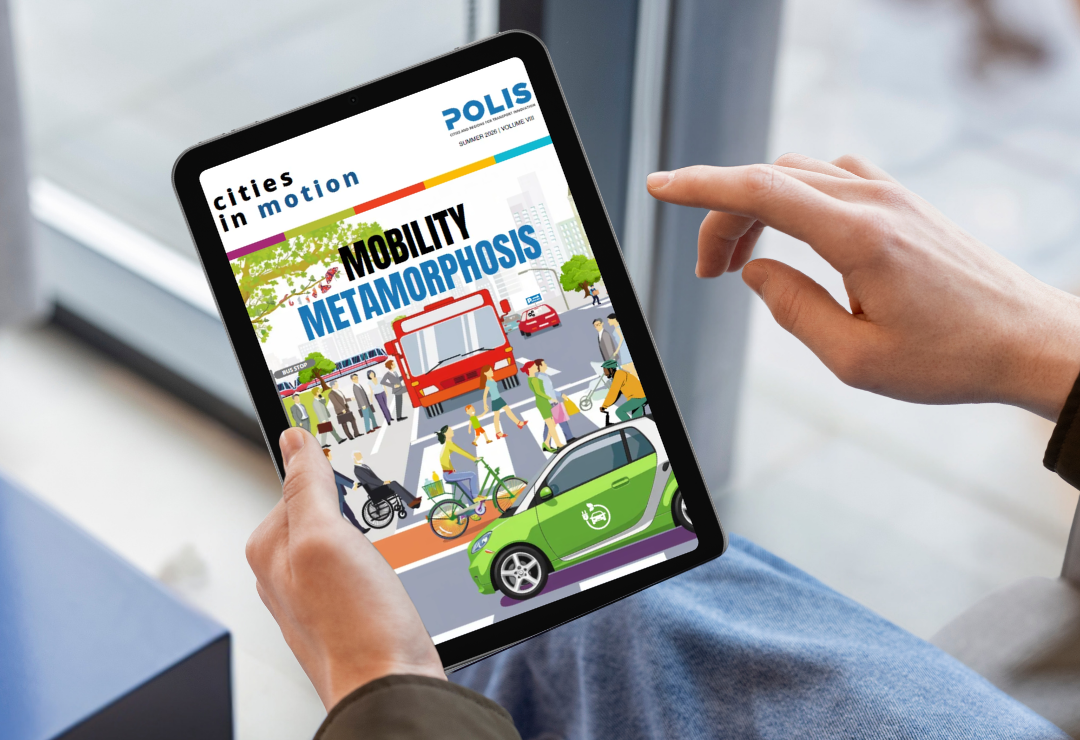
POLIS is proud to present the eighth edition of the in-house magazine Cities in motion, 'Mobility Metamorphosis'. This issue analyses how mobility has never stood still, and takes a closer look at the current paradigm shift.
Mobility—and in a broader perspective, the entire Europe—is undergoing a profound change. The imperatives of climate change, sustainability, demographic shifts, digitalisation, resilience, and geopolitical uncertainty are the push factors for the current transition, with profound consequences on the territories.
Through 18 articles, interviews, and case studies, 'Mobility Metamorphosis' explores how mobility connects and shapes Europe's cities and regions. From tourism to night travel, passing through digitalisation and active mobility, volume eight explores how this metamorphosis is unfolding, taking a closer look at its drivers, obstacles, and current trends.
POLIS Secretary General Karen Vancluysen summarises the goal of this transition as:
A true metamorphosis changes more than the appearance of a system: it changes its sense of purpose.
Table of contents
Access
Environment & Health
Governance & Integration
- Striving Together HERE
- Leadership That Gets It Done HERE
- Designed to Deliver HERE
- More Than a Stop HERE
- Connecting Beyond Borders HERE
- Mobility Haven HERE
- Wheels Keep Turning HERE
- Play Policy HERE
Safety & Security
Smart Mobility
A never-ending evolution
Mobility has always been much more than simply connecting locations. The transport network has constantly been evolving, and now it is going in the direction of decarbonisation and digitalisation. The EU is driving this shift and provides directions with instruments such as the third edition of the Sustainable Urban Mobility Plan (SUMP) Guidelines and the upcoming EU Sustainable Tourism Strategy, which have profound implications for local and regional authorities.
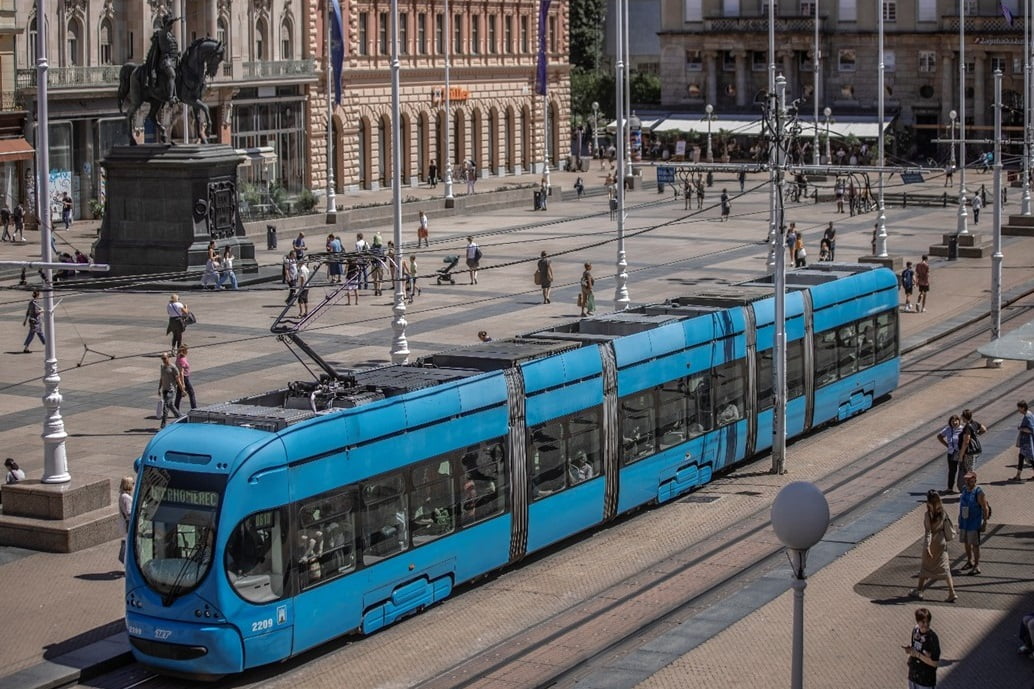
The direction of future mobility systems is clear, but another issue has risen. At the POLIS Leadership Summit in Zagreb, mobility leaders discussed the current state of mobility and pointed to a practical yet immediate question: how to actually get things done.
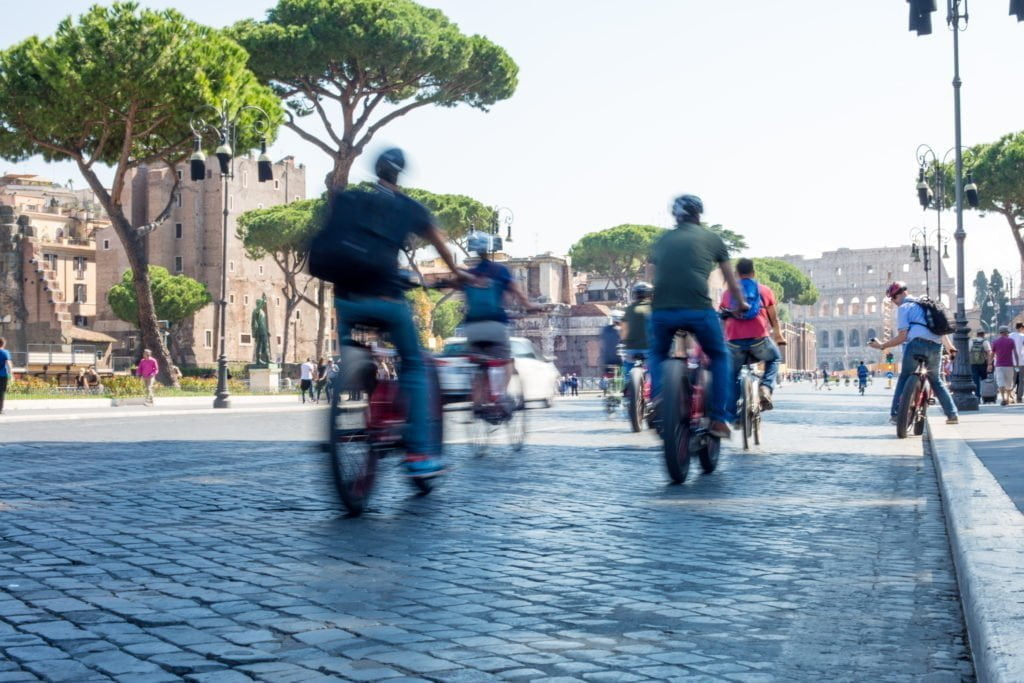
In fact, Europe's cities and regions are the ones responsible for transforming these objectives into reality. Handling tourism flows is one of those. Popular tourist destinations such as Rome and Île-de-France are facing the question every day of how to balance tourist flows and high standards of living for their citizens.
Innovations such as autonomous vehicles, artificial intelligence, electrification, and connected infrastructure are also reshaping mobility systems. But without a clear and comprehensive political vision, they might end up not serving the public. Local and regional authorities are aware of this gap, and they have not stood still. Cities such as Madrid and Hamburg have set ambitious goals, while others, like London, aim to lead the way on Vision Zero.
Regions face different challenges, but are also acting. North Rhine-Westphalia, a major logistics hub, is working on multiple fronts to make sustainable transport a reality, and similarly, across the Mediterranean region, the GREENMO project is highlighting the importance of creating mobility that responds to local conditions.
But they are not alone in this. Operators in the private sector, such as Mitsubishi Electric Europe, Google Maps and Waze, and Voi, aim at creating innovative technologies that respond to the public needs.
Not overlooking anyone
Mobility systems are not built equally. They unintentionally reflect disparities, whether related to gender or migration backgrounds. Research and many initiatives have been uncovering and proposing solutions to tackle this. A study on the Italian region of Friuli Venezia Giulia examines the transport options available to women in rural areas, while many cities are tackling the lack of night-time transport options. At the same time, a project by the German Institute for Urban Affairs (Difu) aims to investigate the existing barriers that socially disadvantaged groups face in accessing cycling.
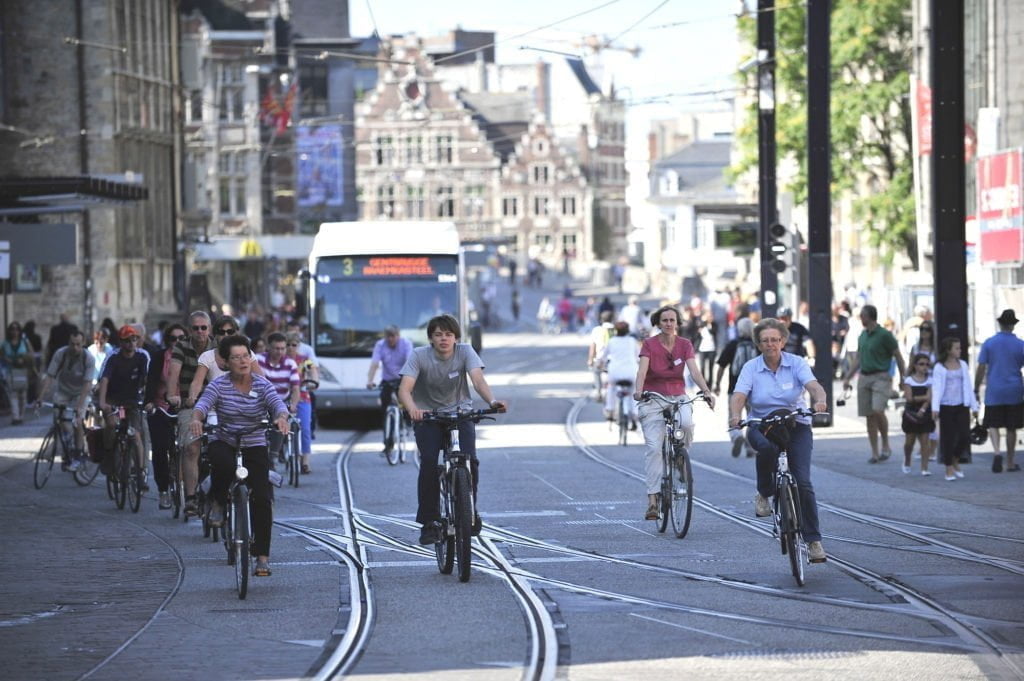
On the topic of cycling and equality, the #BIKEYGEES association is tackling the cultural, economic, and social obstacles that migrant and minority women face in cycling, and providing them with the tools and knowledge to become more independent. Cycling is, in fact, an underrated transport mode for long-distance travel, but the regional cycling networks have great potential in contributing to decarbonising transport and promoting sustainable tourism.
Inclusion is therefore a preliminary condition to achieving truly sustainable mobility. To be more responsive and actually listen to people's opinions, the GREAT project has successfully carried out an out-of-the-box way of including younger generations: adding surveys into videogames.
You can now read Cities in motion Volume VIII: 'Mobility Metamorphosis' in two formats:
- Related Documents
- Related Members
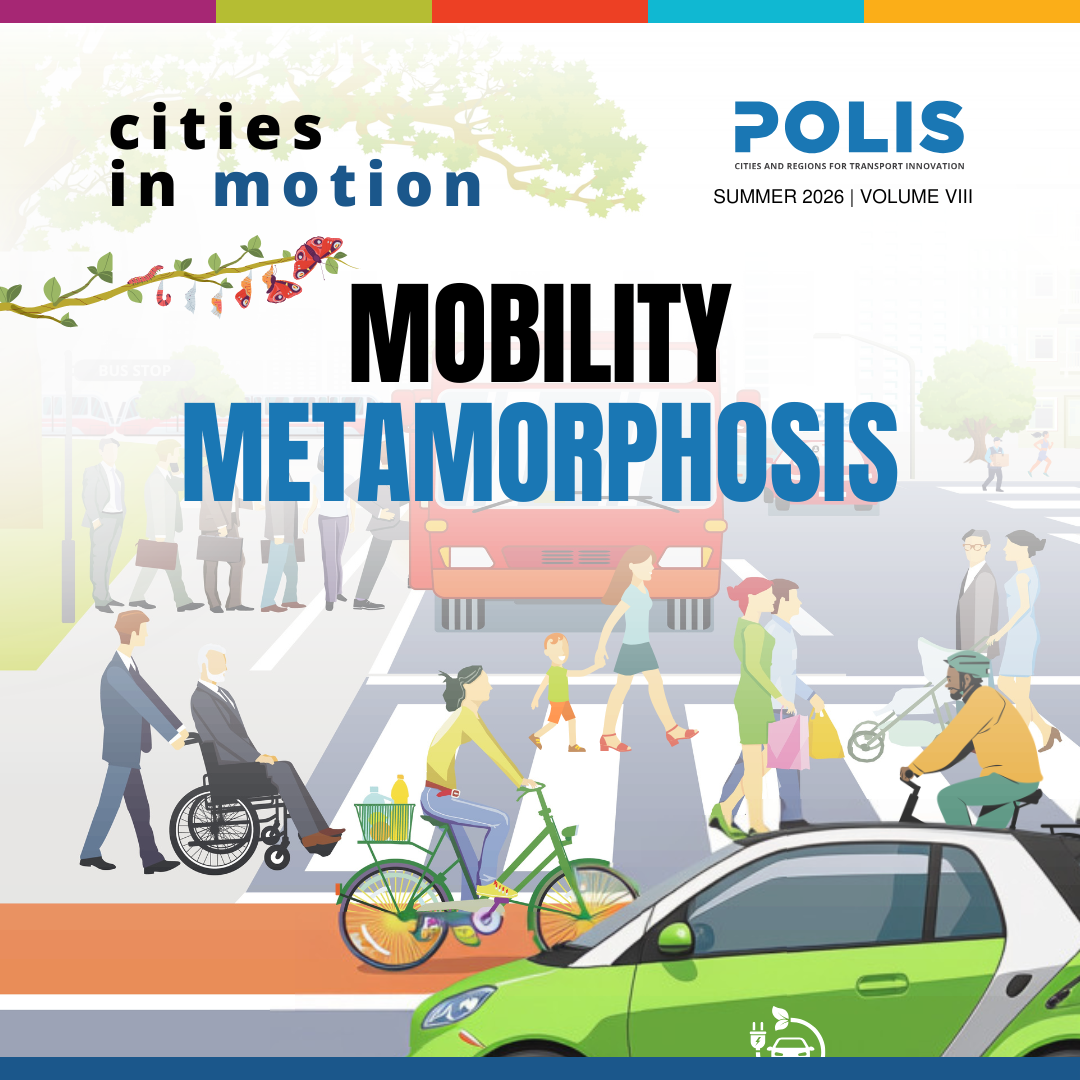
Cities in motion – Volume VIII: ‘Mobility Metamorphosis’
Dublin (NTA)

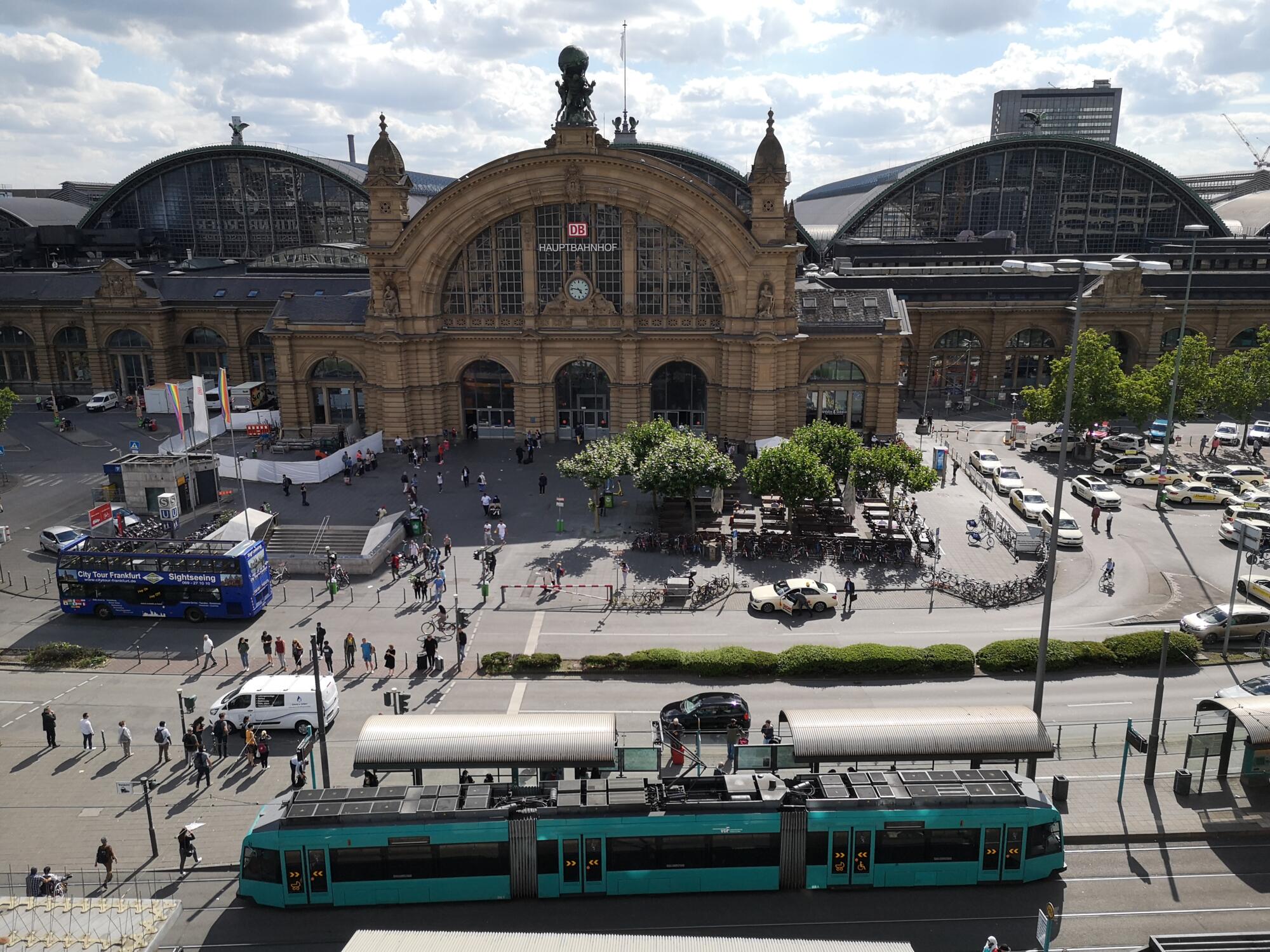
FrankfurtRheinMain Region
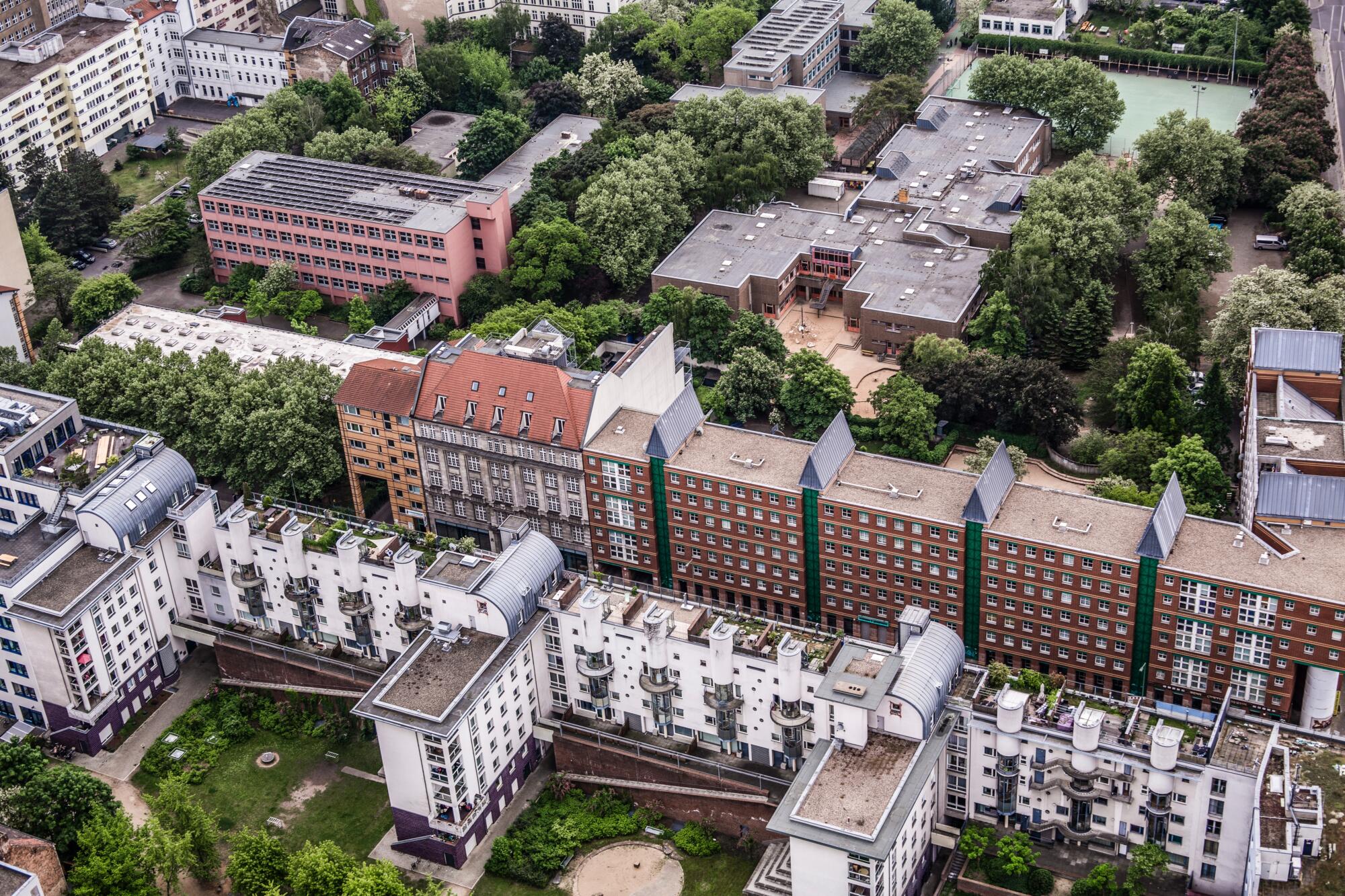
German Institute of Urban Affairs (Difu)
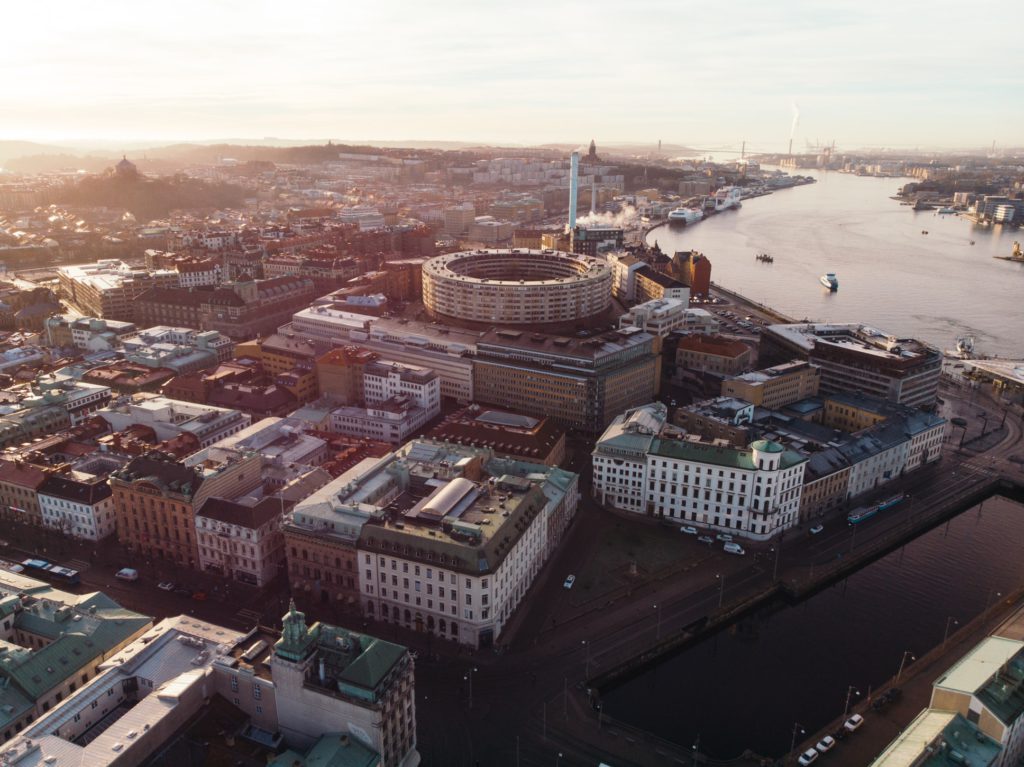
Gothenburg

Ile-de-France Mobilités
Lille Metropole
Manchester

North Rhine-Westphalia
Rome (servizi per la mobilità)