STEER Academy launches carsharing masterclass in Paris
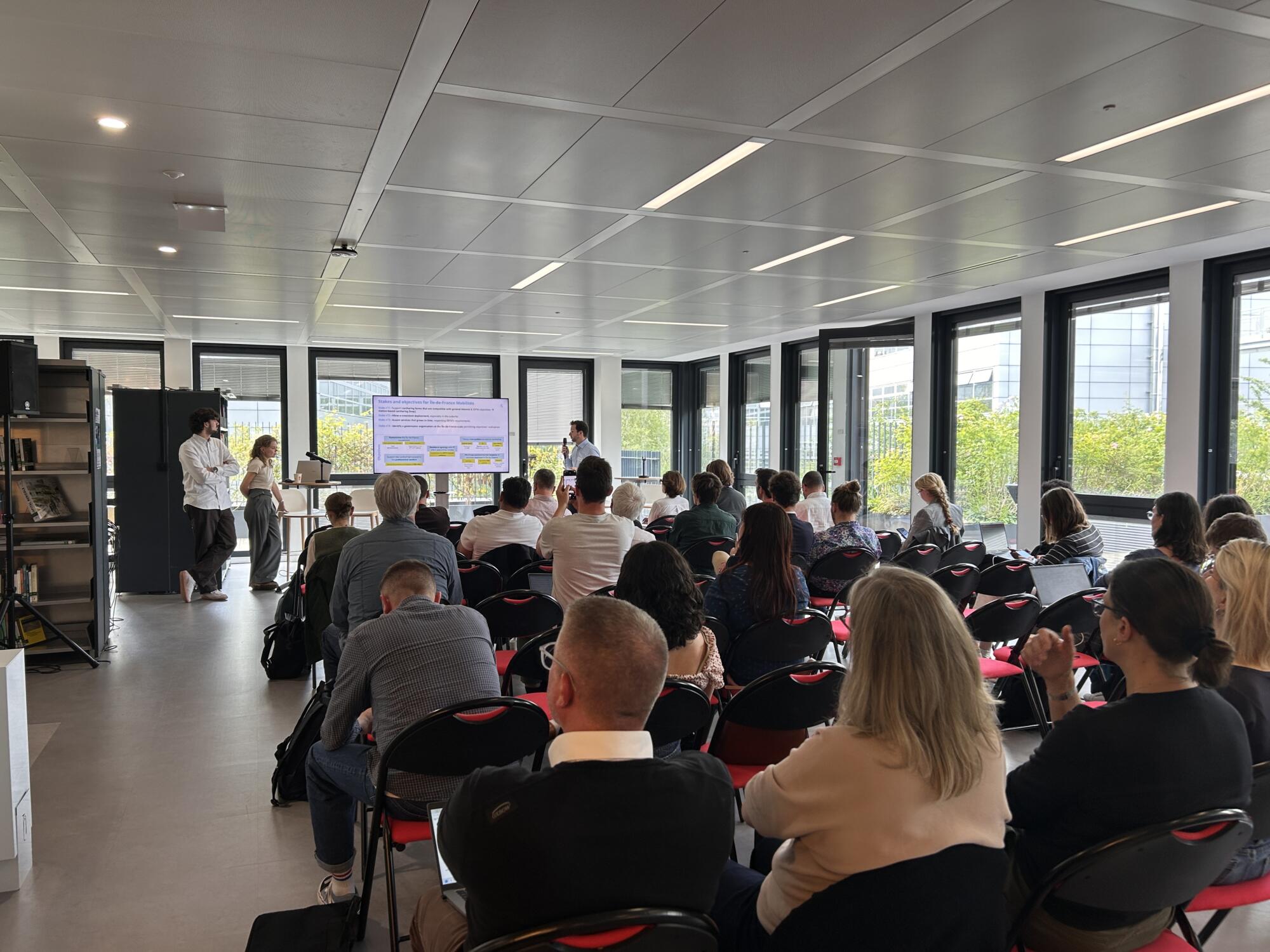
The first STEER Academy masterclass took place on 21 May 2026 in Paris, marking the start of a blended learning programme combining ten online sessions with five in-person events focused on e-carsharing and shared mobility deployment across North-West Europe.
Organised jointly by POLIS and L’Institut Paris Region, the session brought together around 40 participants, primarily French stakeholders engaged in shared mobility policy, planning, and operations. The event was designed as part of a wider learning journey aimed at supporting public authorities and practitioners across STEER-NWE pilot regions, including Métropole du Grand Paris, Differdange, and Fingal, and POLIS members Stuttgart, Brussels, and Amsterdam.
The programme opened with a series of presentations from POLIS members Île-de-France Mobilités, the Brussels-Capital Region, and Way To Go, offering perspectives on evolving carsharing and shared mobility systems. These contributions drew on recent developments across Europe, including integrated governance models, growing electrification of shared fleets, and increasing uptake of both station-based and free-floating services.
The many faces of (car)sharing
A central reference point was the broader evolution of carsharing policy frameworks in leading metropolitan regions. In Île-de-France, for example, the regional strategy has progressively moved toward a unified multi-operator model, combining incentives for users and drivers with integration into wider mobility-as-a-service ecosystems. This approach has supported strong growth in usage, particularly in suburban and peri-urban areas, and is now evolving toward real-time carpooling services and planned expansion of dedicated carpooling corridors.
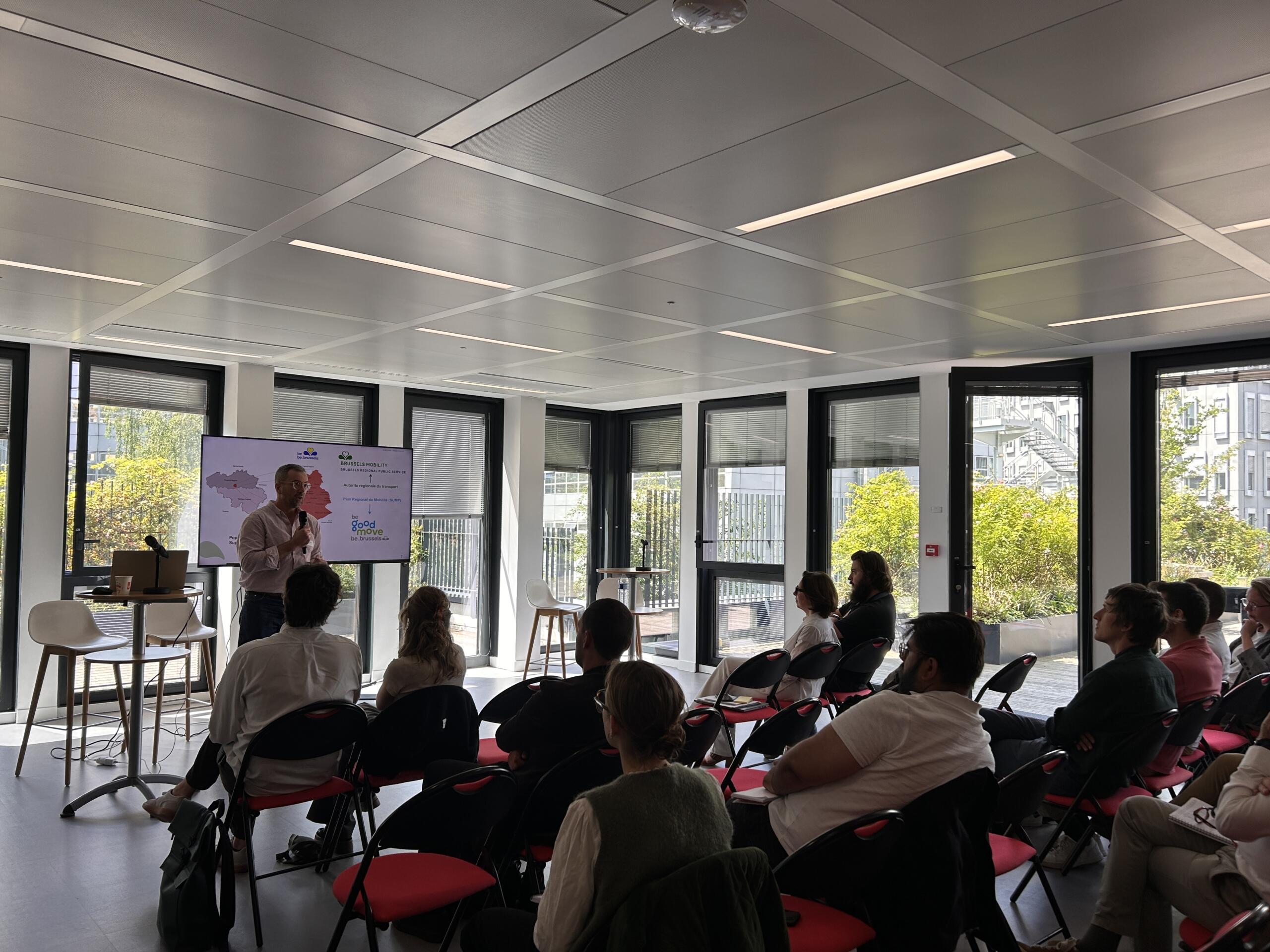
The Brussels contribution highlighted complementary dynamics between station-based and free-floating carsharing systems. Evidence from a recent study suggests that rather than competing, the two models reinforce one another by covering different travel needs, contributing to reduced private car ownership and enabling multimodal travel patterns. Carsharing users were also shown to be highly integrated into broader public transport and active mobility systems, with strong multimodal behaviour across modes.
Way To Go presented the Inclusive Carsharing Green Deal in Brussels, a collaborative framework designed to scale up carsharing in a more accessible and socially inclusive way. The initiative brings together public authorities, operators, civil society organisations, and other stakeholders to increase uptake while addressing barriers faced by groups such as older adults, low-income households, families, and people with reduced mobility.
More specifically, the Green Deal is structured around three objectives: improving accessibility for vulnerable users, increasing awareness and use of carsharing services, and accelerating the transition toward zero-emission shared fleets in the Brussels-Capital Region.
Improving access
In the afternoon, participants took part in an interactive inclusivity workshop focused on improving access to carsharing services. The exercise was built around user personas representing groups currently underserved by shared mobility, such as older adults with limited digital literacy. The discussion explored barriers related to accessibility, usability, and service design, with a focus on how carsharing systems can better respond to diverse user needs.

The workshop also involved operators alongside public authorities, enabling a direct exchange between policy design and service delivery perspectives. This structure encouraged practical reflection on how inclusivity can be embedded into carsharing systems from the outset rather than addressed as an afterthought.
A networking session titled 'Meet the Fleet' closed the day, allowing participants to engage directly with carsharing operators and explore ongoing deployments across participating regions.
More on STEER-NWE
STEER-NWE will equip public authorities with the tools to roll out smarter, greener, and more inclusive e-carsharing solutions.
The masterclass forms part of a broader STEER Academy learning pathway, designed to build continuity across sessions and reinforce knowledge exchange between pilot sites. Future sessions will continue to address topics such as electrification, energy integration, and the role of shared mobility within housing and urban development contexts.
- Related Projects
- Related Members