POLIS Podcast publishes new episode featuring Rome Deputy Mayor Eugenio Patanè
The third episode of the POLIS Podcast takes listeners to Rome, Italy, where Deputy Mayor for Mobility Eugenio Patanè discusses the Italian capital's efforts to improve transport while navigating the challenges
The POLIS Podcast, a series dedicated to exploring how European cities and regions are shaping the future of sustainable mobility, is back with its third episode!
POLIS Secretary General Karen Vancluysen welcomes Eugenio Patanè, Deputy Mayor for Mobility of Rome and Chair of the Capitals Working Group, to discuss the city's ambitious mobility transformation. The episode spans from the public transport expansion and cycling infrastructure to managing tourism and navigating political challenges.
Episode #3 – Navigating the Eternal City

credit — Gabriella Clare Marino, unsplash
For Deputy Mayor Patanè, navigating a capital city means balancing the everyday mobility needs of residents with the demands of visitors, institutions, and major international events. In Rome, these challenges are amplified by the city's vast territory, historic infrastructure, and popularity as a tourist destination. The episode thus explores how Rome is addressing these pressures.
At the heart of Rome's mobility transformation is a commitment to strengthening public transport while making sustainable alternatives more accessible.
The episode highlights major infrastructure investments, including the expansion of Metro Line C, improvements to bus services, and the introduction of demand-responsive transport in underserved neighbourhoods. The Deputy Mayor also discusses Rome's interest in autonomous mobility solutions and the regulatory challenges of implementing them.
Building a more connected and sustainable Rome
Cycling and shared mobility are another central focus. Rome has developed 87 kilometres of new cycling infrastructure over two years, while expanding shared bicycles and e-scooters beyond the historic centre. By integrating these services with public transport subscriptions, the city is encouraging their use for everyday journeys and first- and last-mile connections.
However, transforming mobility also requires navigating financial and political challenges. Deputy Mayor Patanè discusses the difficulties of securing funding for major infrastructure projects and the importance of maintaining sustainable mobility ambitions while responding to public criticism.
The conversation highlights how successful mobility policies depend not only on infrastructure and innovation, but also on political leadership, public dialogue, and the willingness to adapt.
These challenges were also explored in ‘Over Capacity, Under Control’, the Cities in motion article featuring the Deputy Mayor.
The importance of European cooperation
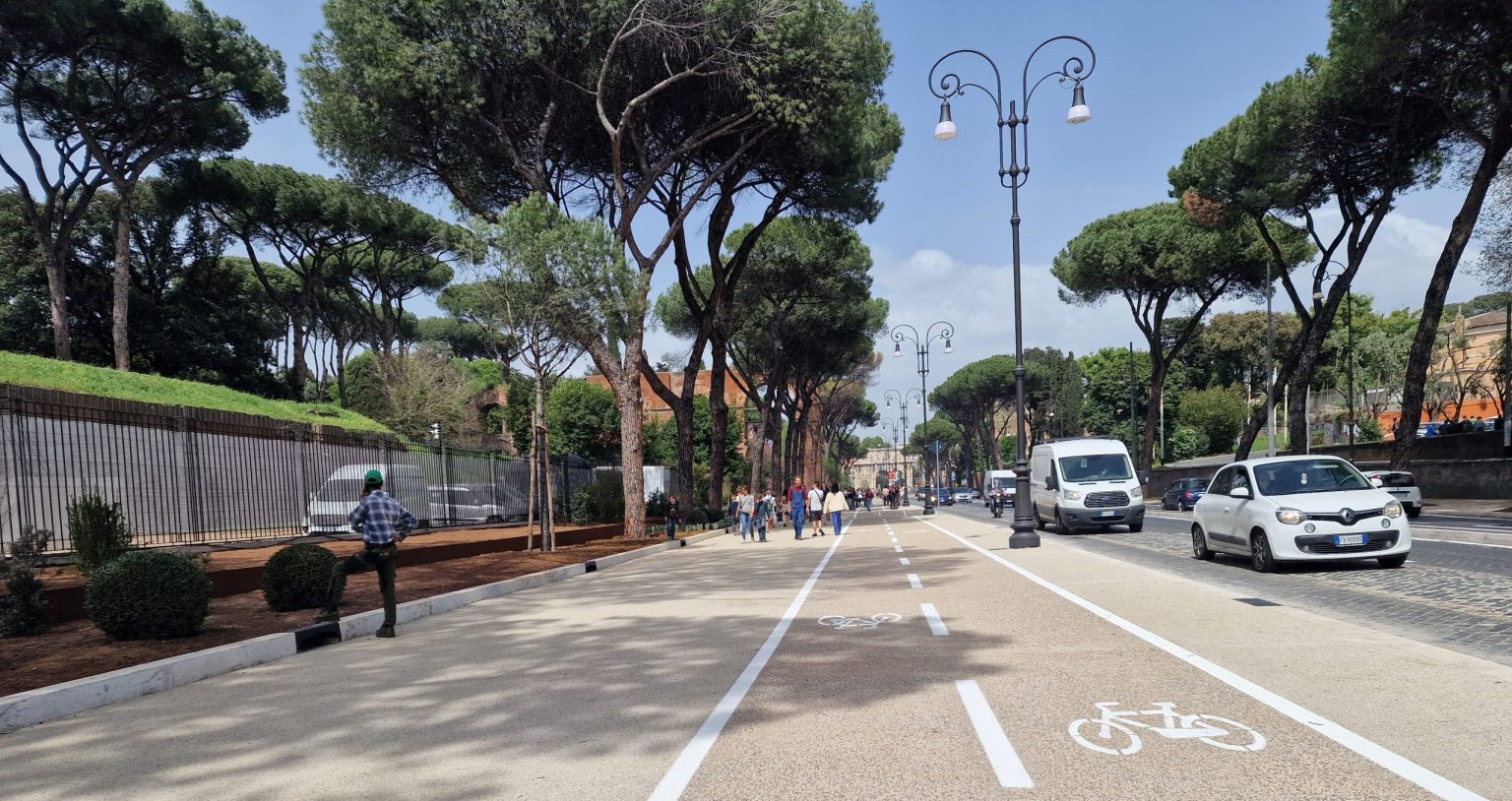
GRAB, the Roman cycle path. Credit — Rome Mobility Services
As Chair of the POLIS Capitals Working Group and an active member of the POLIS Political Group, Deputy Mayor Patanè also reflects on the value of exchanging experiences with other European cities.
For Rome, cooperation through POLIS provides opportunities to learn from other capitals, share practical solutions, and address common challenges, from funding and governance to the implementation of sustainable mobility policies.
The discussion also touches on Rome's recognition as the winner of the 2025 POLIS Award, which Patanè describes as an acknowledgement of the work carried out by those driving the city's mobility transformation.
As he concludes:
"A capital is not a problem to be solved. It is a network to be completed."
Listen to the episode now on your preferred platform!
Find out more about the POLIS Podcast here

- Related Documents
- Related Members
POLIS Podcast – Episode #3