Urban Nodes
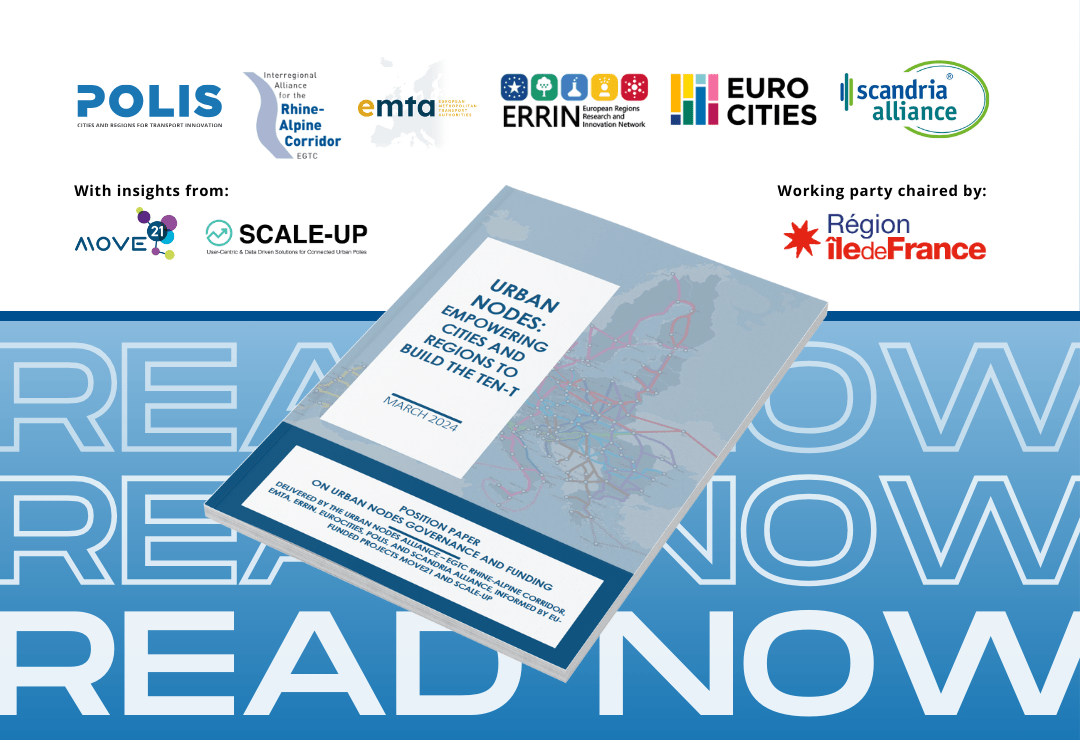
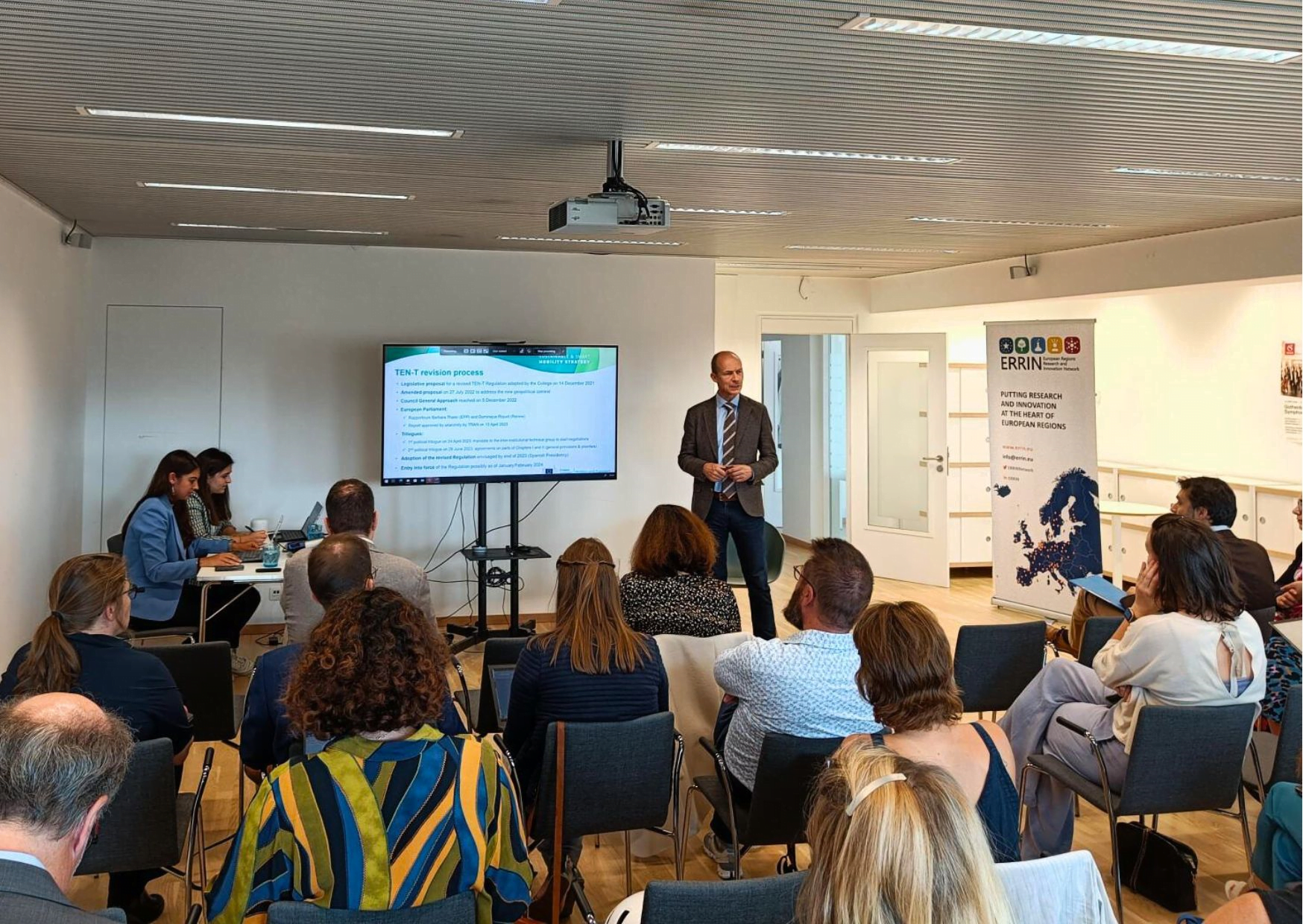
The Urban Nodes Taskforce offers a platform for members to engage in peer-to-peer exchanges, fostering collaboration on achieving TEN-T targets and goals for Urban Nodes by 2027.
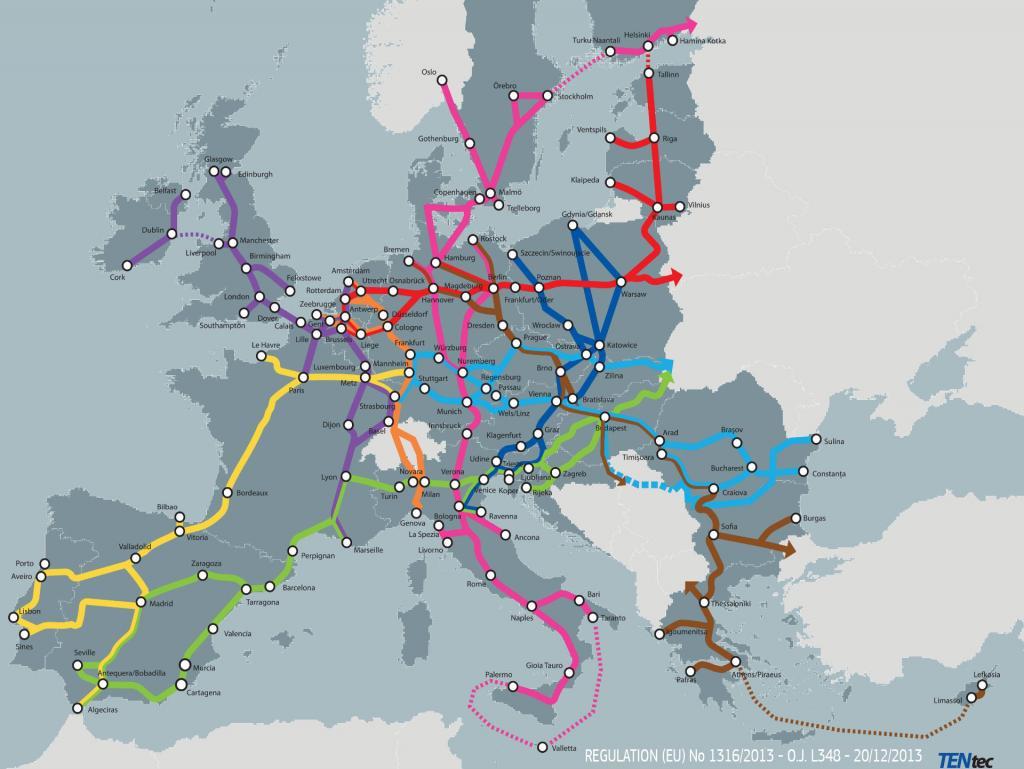
The EU’s Trans-European Transport Network (TEN-T) policy is a key instrument for developing coherent, efficient, multimodal, and high-quality transport infrastructure across Europe.
The new TEN-T approach identifies 431 Urban Nodes along the Trans-European Transport Network (TEN-T). Urban nodes play a pivotal role within TEN-T framework, as they serve as ‘cross-roads’ where different types of transport networks (air, maritime, road, rail) converge in densely populated areas with increased transport demand. One primary challenge is improving coordination among stakeholders such as national governments, regional authorities, transport operators, and urban planners.
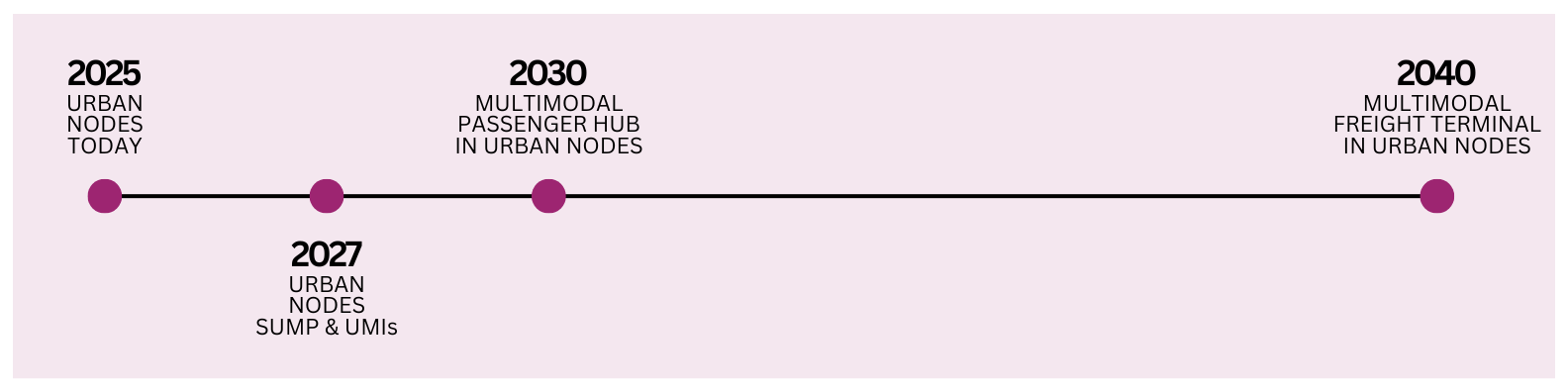
By 2027, each urban node is expected to have a Sustainable Urban Mobility Plan (SUMP) in place, serving as a medium-term, integrated plan encompassing all aspects of mobility within a Functional Urban Area (FUA). Furthermore, by the same deadline, urban nodes are required to collect and submit urban mobility data to the European Commission. To improve connectivity and address first and last-mile challenges, the development of multimodal passenger hubs is targeted for completion by 2030. In addition to passenger mobility, efforts are also underway to enhance freight transportation. By 2040, each urban node is expected to have access to at least one multimodal freight terminal.
To support the more than 60 POLIS member cities and in this endeavour, we established the POLIS Urban Nodes Taskforce.
Topic priorities for 2026
The topics being discussed by this Taskforce in 2026 are:
- Urban Mobility (UMI) Indicators: data collection per urban node on sustainability, safety and accessibility;
- Funding of urban nodes;
- National and Regional SUMP support;
- Collaboration between authorities and relevant stakeholders within a Functional Urban Area;
- SUMP development, preparation, and adoption;
- Intermodal hubs for passengers and freight.

For further information
If you have any questions, do not hesitate to contact Marko Stančec and Melina Zarouka, Urban Nodes Taskforce Co-Coordinators.