Cities, regions, and projects explore new recipes for urban mobility in new Cities in motion #7
The latest issue of Cities in motion, 'What’s on the (Mobility) Menu?', invites readers to think of urban mobility as a menu—where cities and regions serve their own selection of specialties.
From the essential staples of walking, wheeling, and cycling to more complex courses like buses, trains, shared vehicles, and micromobility, this edition examines how health, sustainability, and equity can become the main course in cities’ mobility planning.
Through 19 articles, interviews, and case studies, 'What’s on the (Mobility) Menu?' highlights innovative, inclusive, and practical approaches to urban transport from across Europe and beyond. Cities are experimenting boldly, finding new ways to nourish everyday travel while balancing environmental goals, public health, and accessibility.
As POLIS Secretary General Karen Vancluysen observes:
'Urban mobility is a menu that must serve everyone. Cities are constantly testing, learning, and refining their offerings, ensuring that every citizen has a seat at the mobility table'.
Table of contents
#POLIS25
- Happy if Healthy: Interview with Sam Johnson HERE
- Serving Better Mobility: Interview with Jan Peter Balkenende HERE
Access
- Push, Pull, Park HERE
- Public Transport, Reimagined HERE
- Ageing Gracefully, Moving Freely HERE
- Finding the Way HERE
Environment & Health
Governance & Integration
- Steering Change HERE
- Healthy Living by Design: Interview with Senna Maatoug HERE
- From Car Trips to Travel Chains HERE
- Micromobility, Macro Shift: Interview with Michael Brous HERE
- Mediterranean Metamorphosis HERE
- URBAN(E) Spark: Interview with Roos Lowette and Thomas Benz HERE
- Epic Fails HERE
Traffic Efficiency
- Starting Small: Interview with Matthieu Graindorge HERE
- Smart Cycling Revolution HERE
- Next Stop HERE
Safety & Security
- Move with Women HERE
Testing new recipes

 Across Europe and beyond, new approaches to mobility are being tested. Sam Johnson of the World Bank proposes dedicating up to 10% of national road budgets to active mobility, while Professor Jan Peter Balkenende frames mobility poverty as a social hunger, affecting access to education, work, and healthcare.
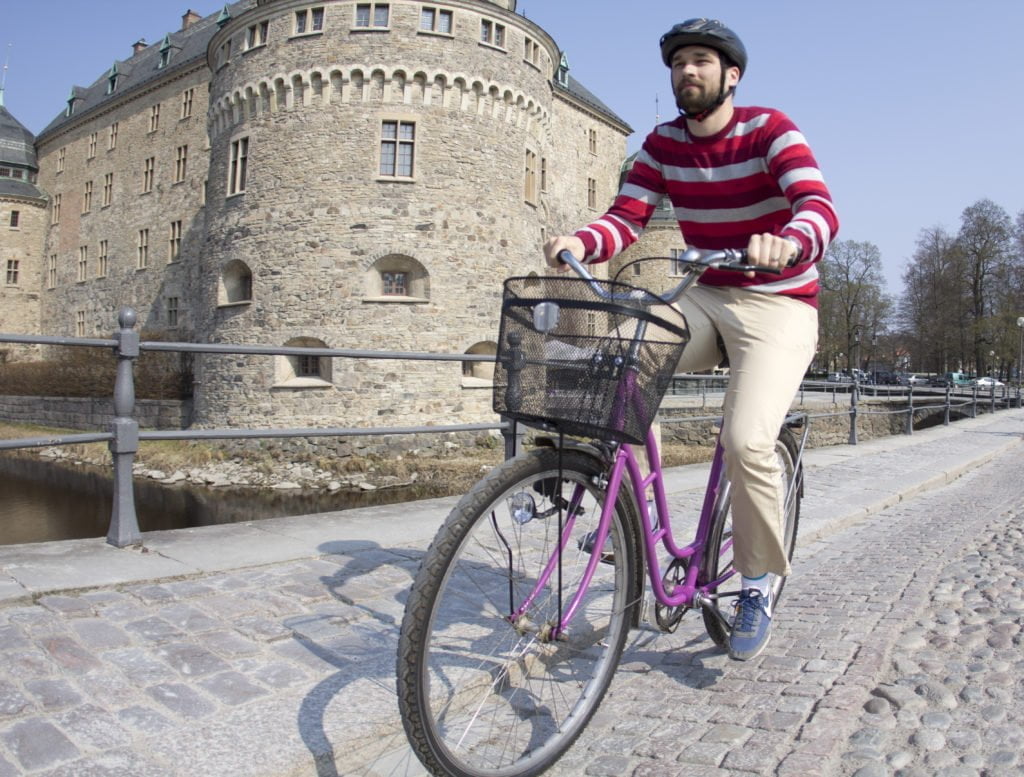
Examples from Catalonia, Japan, Örebro, and Helmond demonstrate how interurban planning, data-driven decisions, and citizen engagement can deliver mobility systems that truly nourish daily life
Innovation and equity on the menu

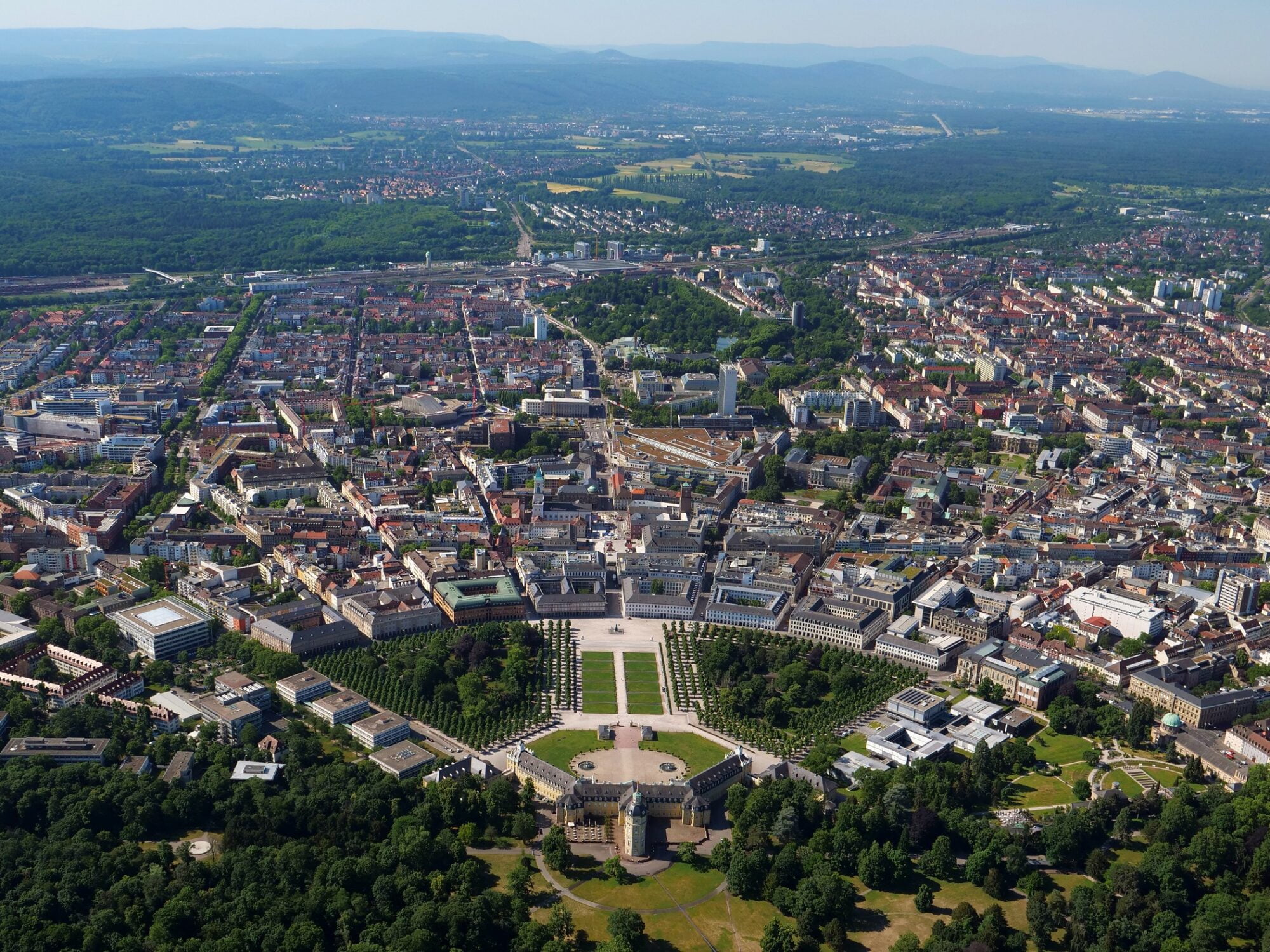
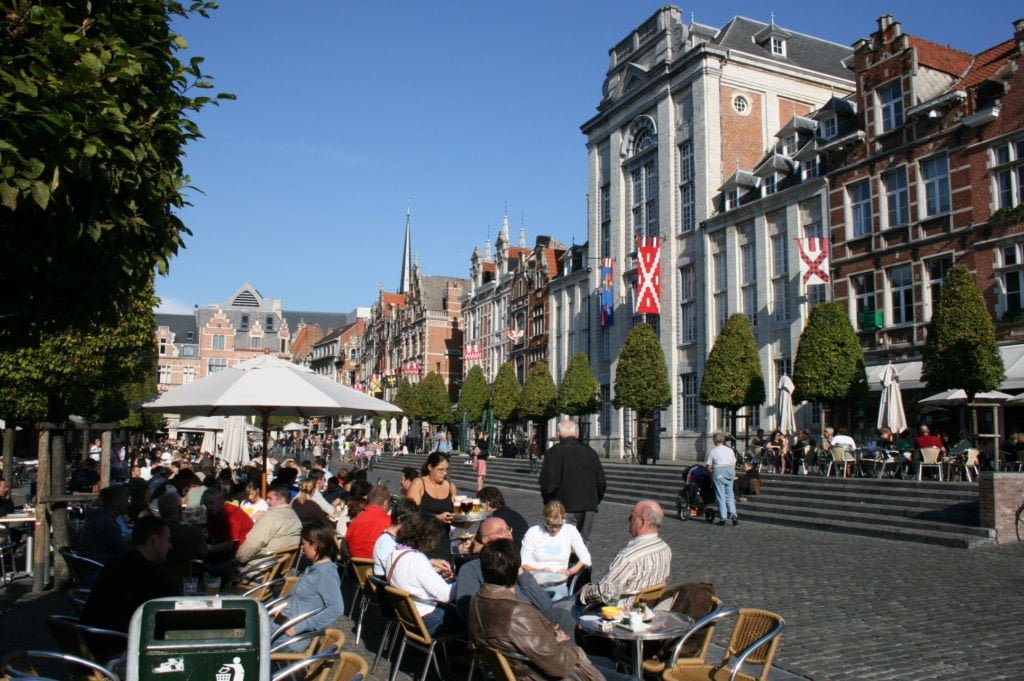
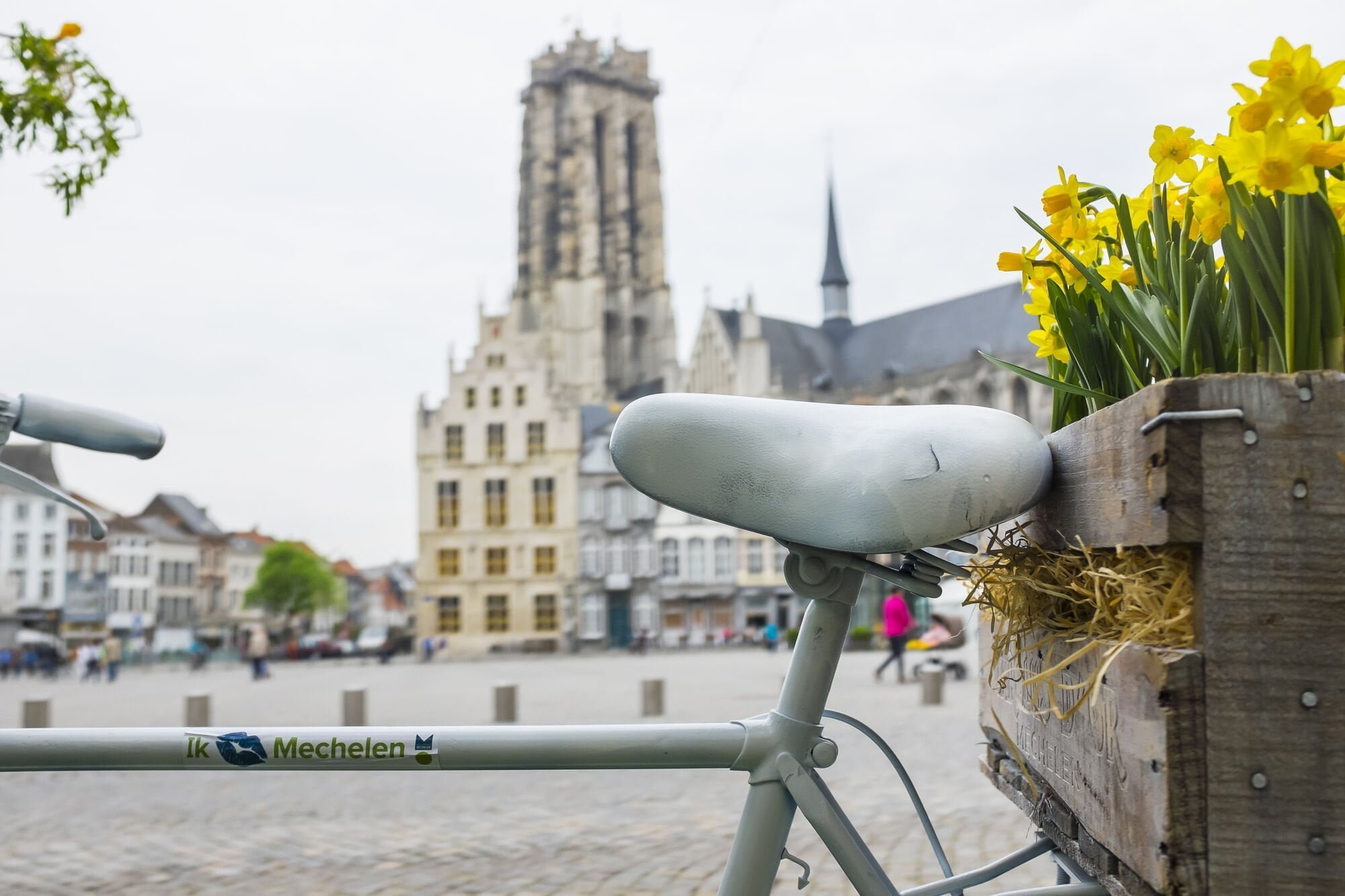
 Innovation continues to reimagine mobility’s ingredients. Lyft Urban Solutions’ adaptable micromobility networks and Europe’s Smart Cycling Roadmap enhance active travel, making it safer, greener, and more connected. Projects like URBANE in Mechelen and Karlsruhe experiment with shared parcel networks and autonomous deliveries, finding new ways to ease street congestion. Even when pilots fail, every experiment adds to the collective recipe book, proving that transport innovation, like cooking, thrives on trial, error, and creativity.
A balanced menu is not only about variety but also fairness. MobiliseHER in India demonstrates how participatory, data-driven planning empowers women and marginalised communities. Similarly, designing streets and transport systems for people with visual impairments shows that accessibility must be baked into every stage of planning—not sprinkled on top.
The head chefs: Coordination and strategy
At the systemic level, coordination and foresight are the head chefs behind mobility transformation. Switzerland’s long-term rail strategy and Europe’s road transport research under STREnGth_M and LeMesurier illustrate how collaboration, data, and planning refine the recipe for zero-emission transport, ensuring innovation reaches the streets, communities, and citizens who depend on it.
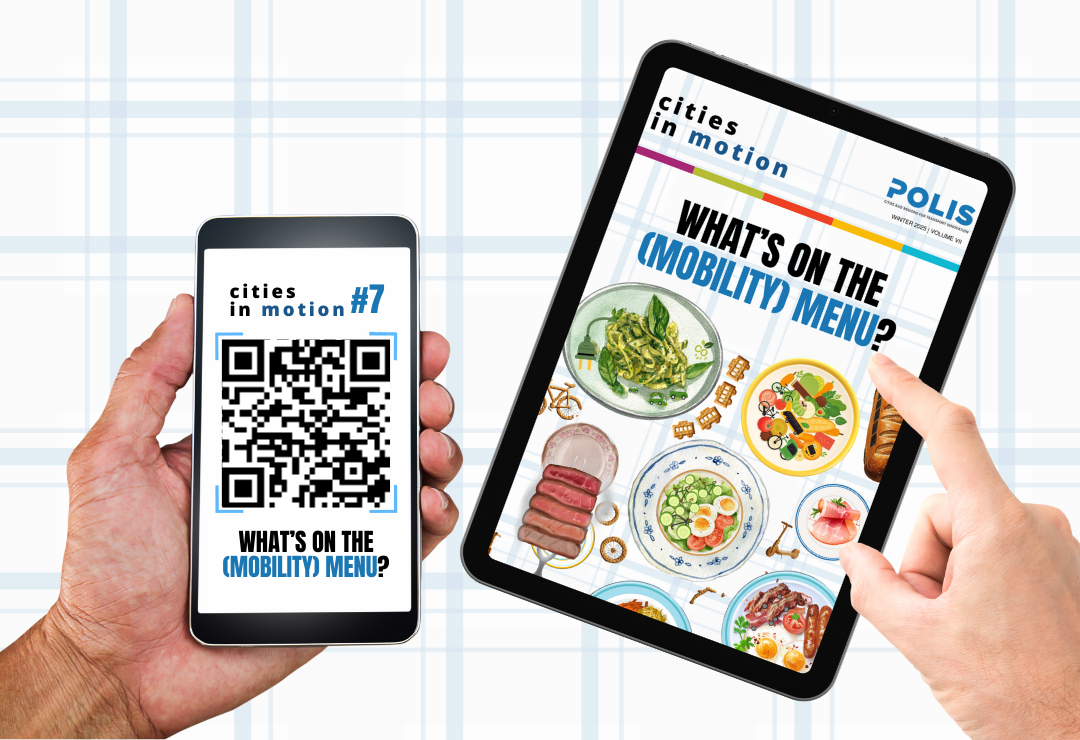
You can now read Cities in motion Volume VII: 'What’s on the (Mobility) Menu?' in two formats:
- Related Events
- Related Projects
- Related Documents
- Related Members

Annual POLIS Conference 2025





Cities in motion – Volume VII: ‘What’s on the (Mobility) Menu?’


Helsinki-Uusimaa Region