WeCount
The aim? The inclusion of citizens in the policymaking process of new urban mobility solutions.
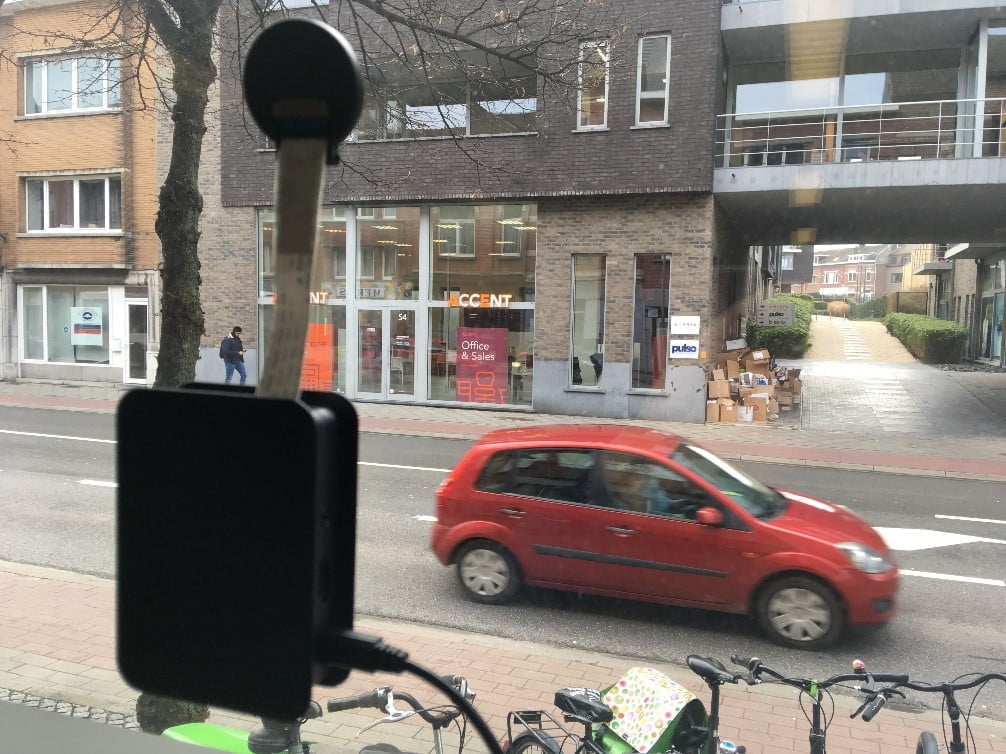
WeCount addressed these challenges by putting citizens at the heart of research and policymaking on urban mobility. WeCount took an innovative citizen science approach to gather data on local mobility issues through road traffic sensors. Road traffic counting sensors were mounted on participating  households’ windows facing a road, allowing authorities to quantify local road transport and the speed of cars, large vehicles, cyclists and pedestrians. Crowd-sourcing methods of data collection provide a cost-effective option for local authorities at a far greater temporal and spatial scale than what would typically be possible in classic traffic counting campaigns and will therefore open up new opportunities for transportation policymaking and research. Data gathered has been used to formulate informed solutions to tackle a variety of local road transport challenges, thus improving the quality of life at the neighbourhood level.
WeCount builds on the success of the Telraam project in Flanders and was carried out in five pilot cities: Madrid, Ljubljana, Dublin, Cardiff and Leuven.
Explore below some of this project's key outputs!
- WeCount Policy Brief #1 (2020): This brief focuses on the UVAR Box digitisation tool, outlining national approaches to digitisation and offering a forward-looking perspective on the production, updating, and practical use of digitised data in the future. You can read it here.
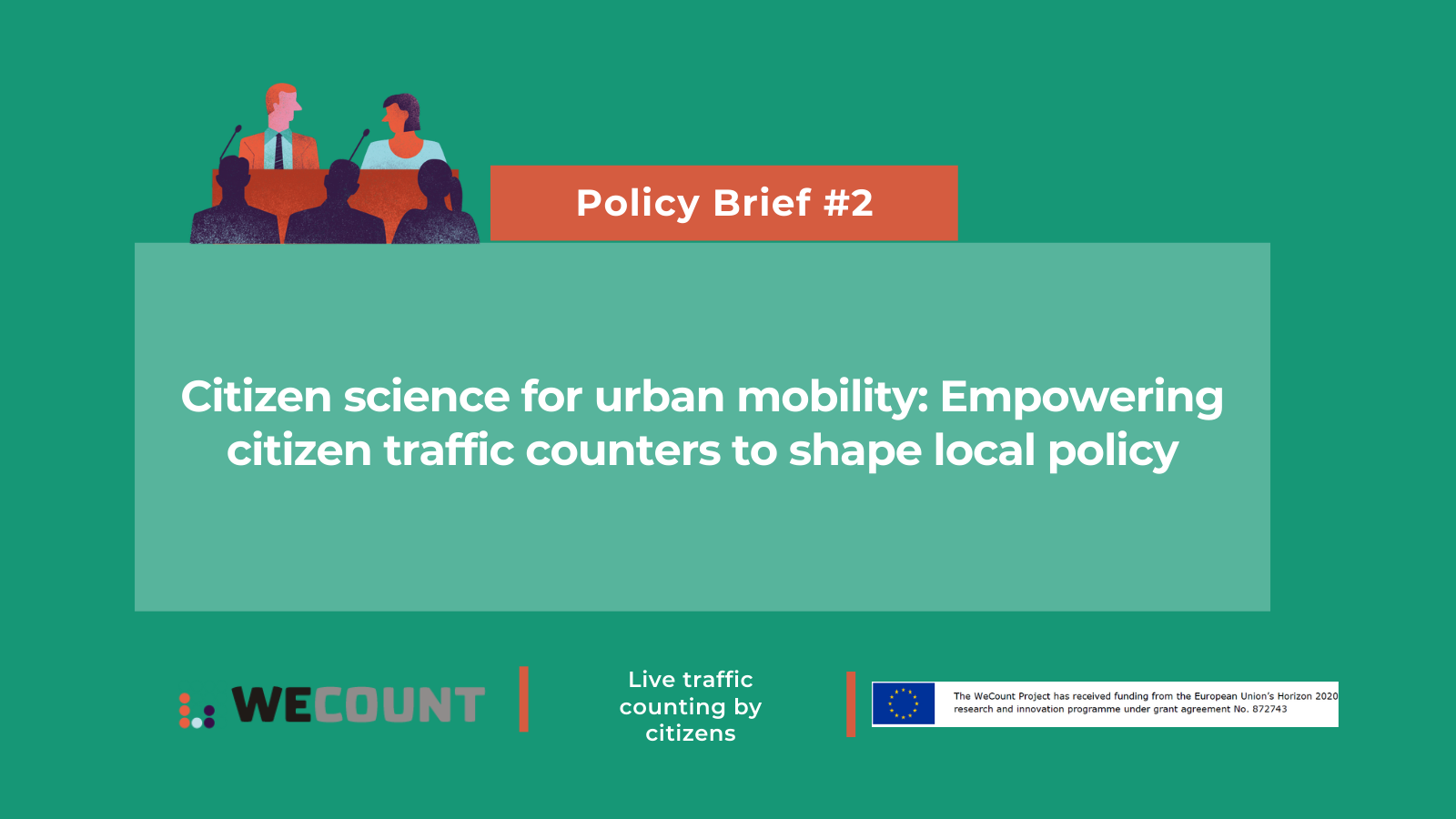
- WeCount Policy Brief #2 (2021): This brief presents recommendations developed as part of the project, focusing on citizen science for sustainable urban mobility, in particular on empowering citizen traffic counters to shape local policy. You can check it out here.
- WeCount Advocacy Toolkit (2021): This toolkit is designed for citizens who wish to advocate for change in urban mobility. Inside, you will learn about data collection and analysis, as well as the different forms of advocacy you can take part in. It also explores ways to diversify campaign groups and audience participation. Explore it here!
Want to keep up with the latest news? Visit the project's website and follow them on Twitter and YouTube.

- Related News
- Related Events
- Related Documents
- Related Members
‘EMR Connect’ Workshop series kicked-off strong in Aachen
Cardiff citizens use data from WeCount to communicate road safety concerns to local councillors
How residents can shape local policy-making through citizen science
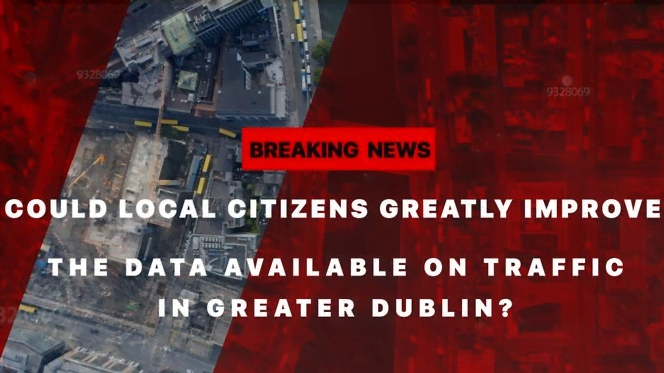
Can citizens greatly improve the data available on traffic? Dublin’s locals say most definitely yes!
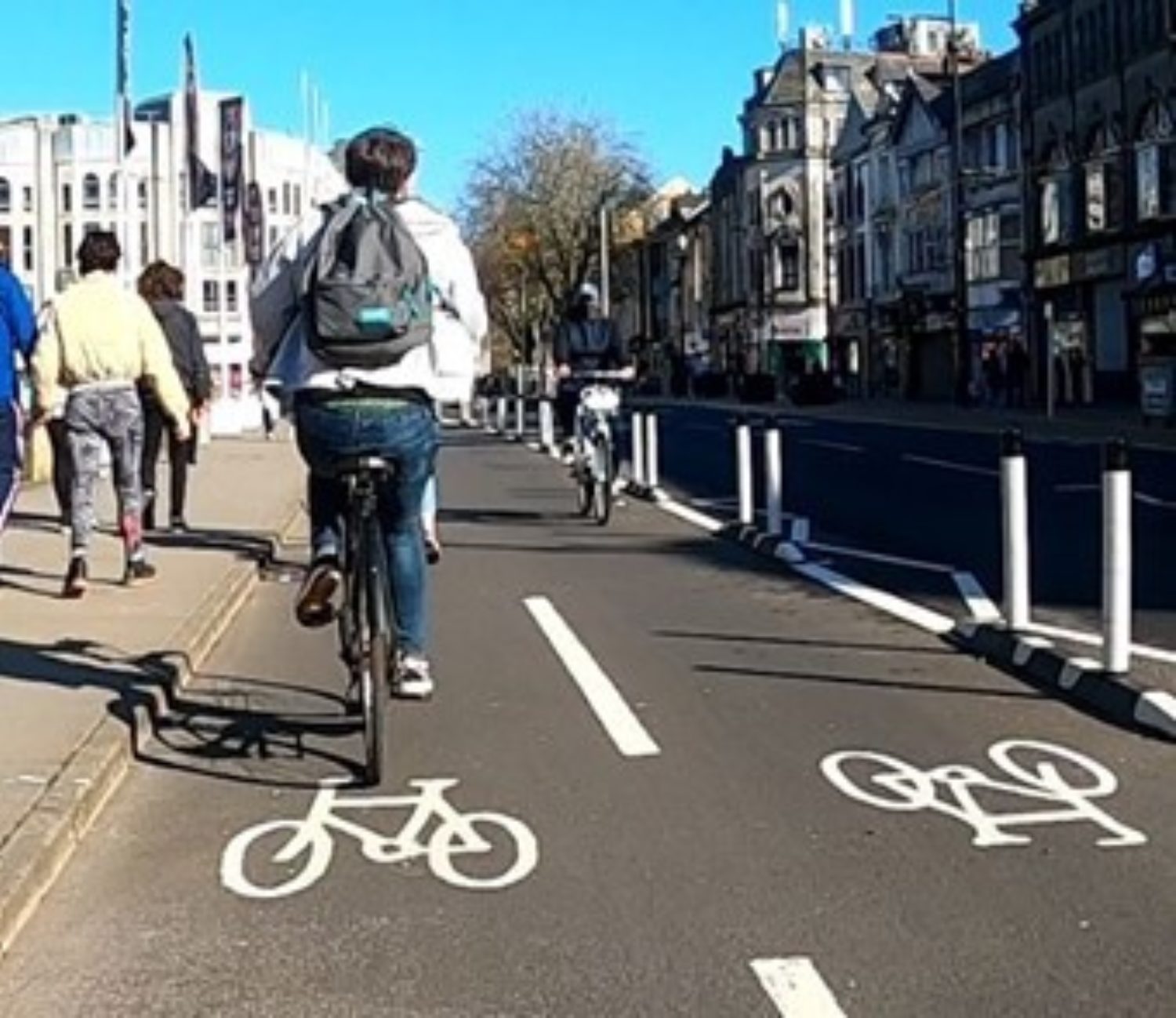
Empowering the citizen: how the WeCount Project has helped amplify the voice of Cardiff citizens
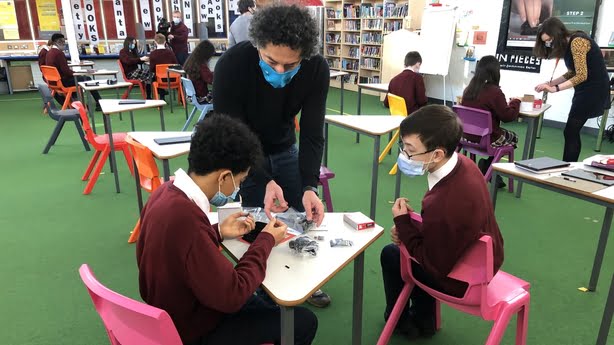
Dublin schools successfully monitor traffic and air quality with the help of WeCount

WeCount champions from Barcelona and Madrid in action!

Students from Ljubljana propose new street and traffic arrangements using data from traffic counting sensors
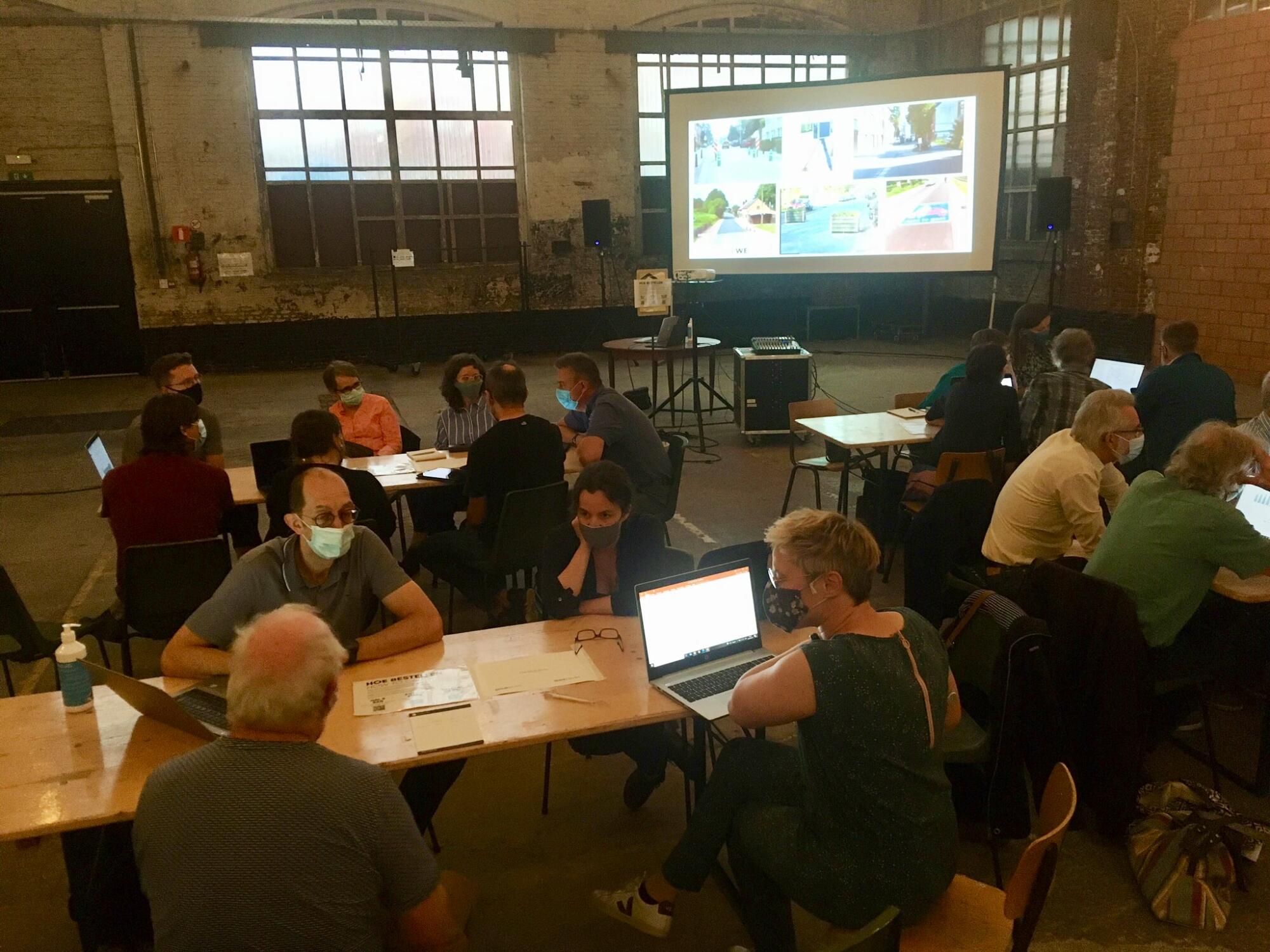
Let’s talk numbers – a closer look at the WeCount experience
Autonomy Industry Talks: POLIS members make a splash
Horizon Europe: POLIS’ one-stop-mobility-shop
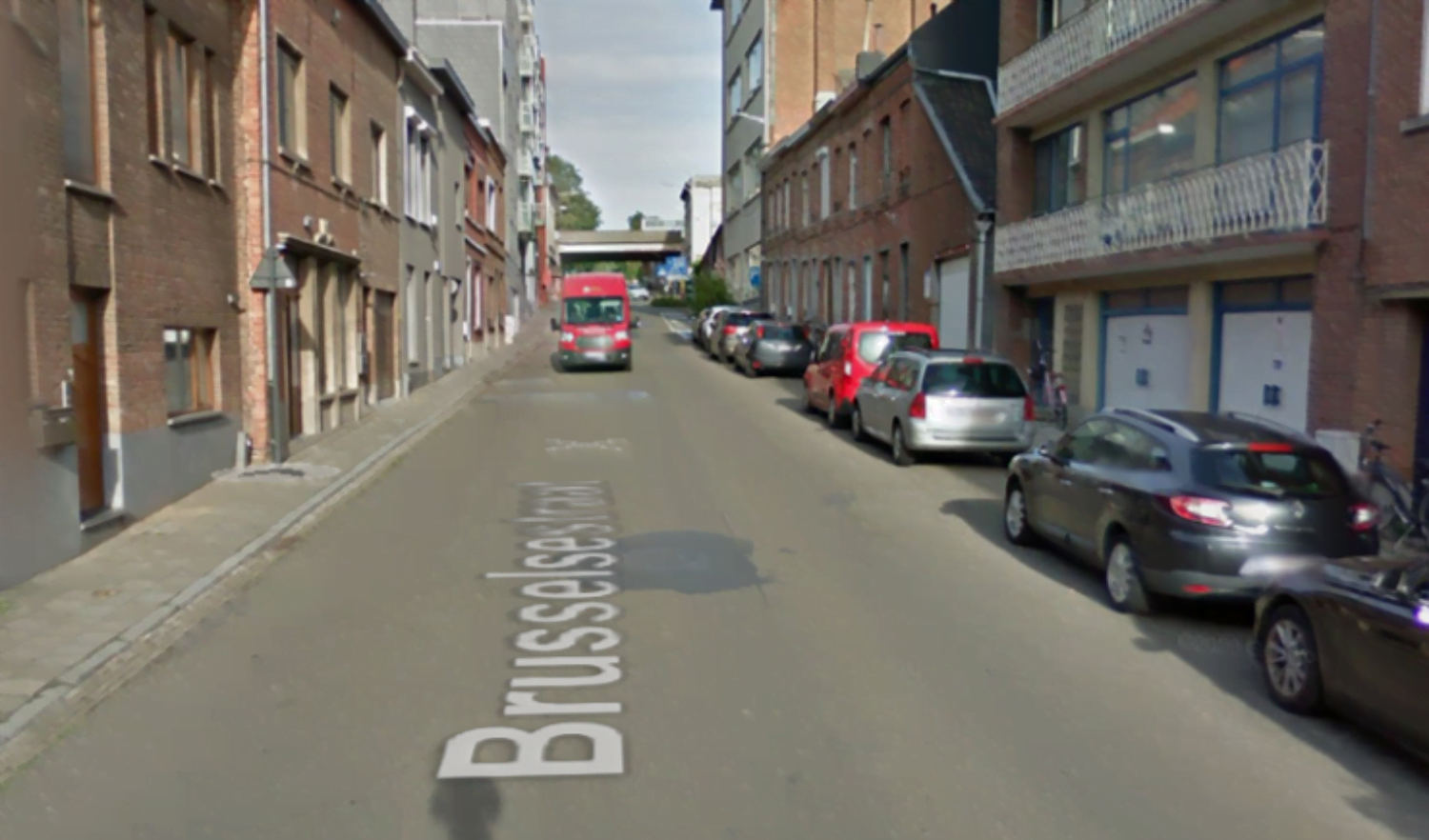
Leuven citizens ensure speed compliance with the help of low-cost traffic counting sensor
Mobilising Mobility Webinar Series: November
Urban Mobility Days- a virtual debate on all things mobility

WeCount: Belgian and Spanish pilots engage 400 families in traffic counting for sustainable mobility
WeCount on hybrid citizen engagement approaches to deliver citizen-led project results in times of a pandemic
POLIS at The European Week of Regions and Cities
Post-Lockdown Mobility webinar report: WeCount and insights from the POLIS members’ survey
COVID-19: Citizen science reveals changing travel habits
Five European cities pioneer new citizen-oriented project aimed at improving local mobility with data
Citizen science – tools to achieve a real impact on policy-making
Mobilising Mobility: Data-driven Urban Mobility Planning and Citizen Science – a match made in heaven