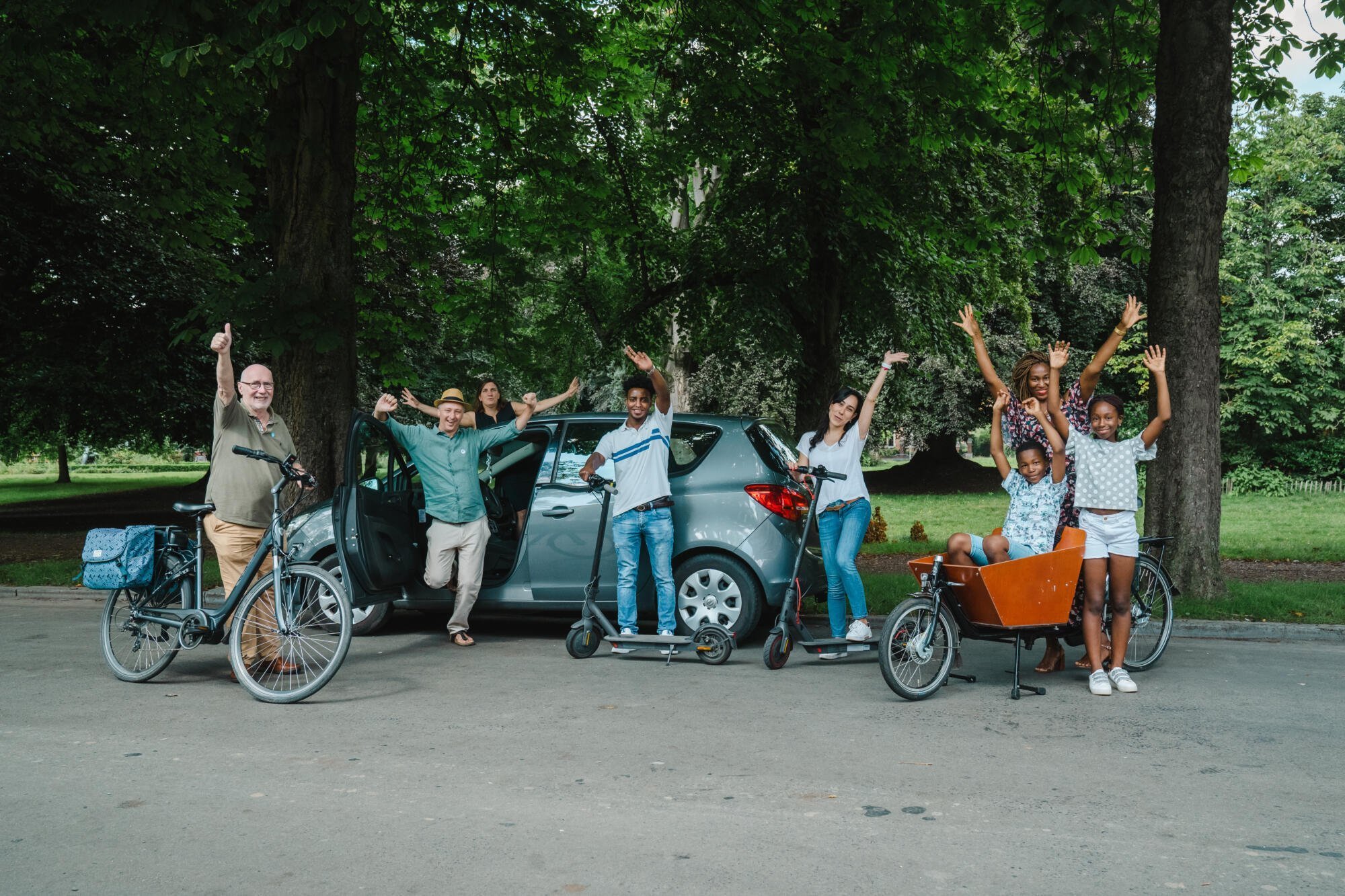
World Habitat Day 2026: Where housing meets mobility
On 5 October 2026, Urban October kicks off with World Habitat Day, highlighting the need for adequate housing for all. In turn, cities and regions are showing how mobility is essential to shape neighbourhoods that are affordable, accessible, and sustainable.
Urban October 2026 has officially begun, launching with World Habitat Day on 5 October. This year's theme zooms in on 'Adequate Housing for All', highlighting the urgent need to ensure access to adequate, affordable, and sustainable homes. In the EU, house prices rose 53% between 2010 and 2024, while rents rose 25%, according to Eurostat.
Where homes are located, how residents reach jobs and services, and whether daily travel is affordable all shape housing quality and affordability. Housing has become a major policy concern at EU level, reflected in the European Affordable Housing Plan. The Commission notes that housing pressures can affect labour mobility and access to education, while emphasising the role of Member States, cities, and regions in addressing local housing needs.
Mobility therefore plays a crucial role in housing planning. Parking requirements can add significantly to development costs, and new housing inevitably creates new travel demand. Without sustainable transport planning from the outset, developments can increase congestion and emissions and add pressure to existing infrastructure. At the same time, good access to public transport and convenient walking and cycling networks can support denser development and reduce dependence on private cars.
For housing providers, the link can also be financial. Housing Europe has highlighted how shared mobility can reduce the amount of parking that needs to be built, potentially lowering construction costs while reducing the carbon footprint of housing. In Sweden, the potential construction cost reduction associated with lower parking requirements in social housing was cited at 10–20%.
How cities and regions are planning housing around mobility needs
Across Europe, POLIS and our members are increasingly exploring this connection, aiming to raise awareness of the value of integrating housing development with mobility from the earliest stages of planning.
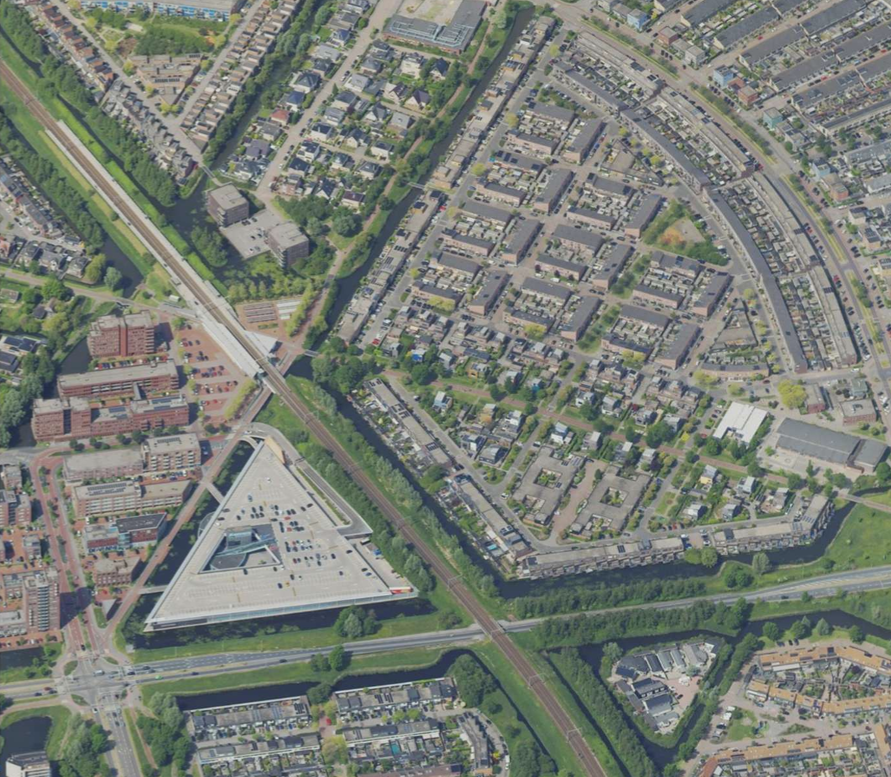
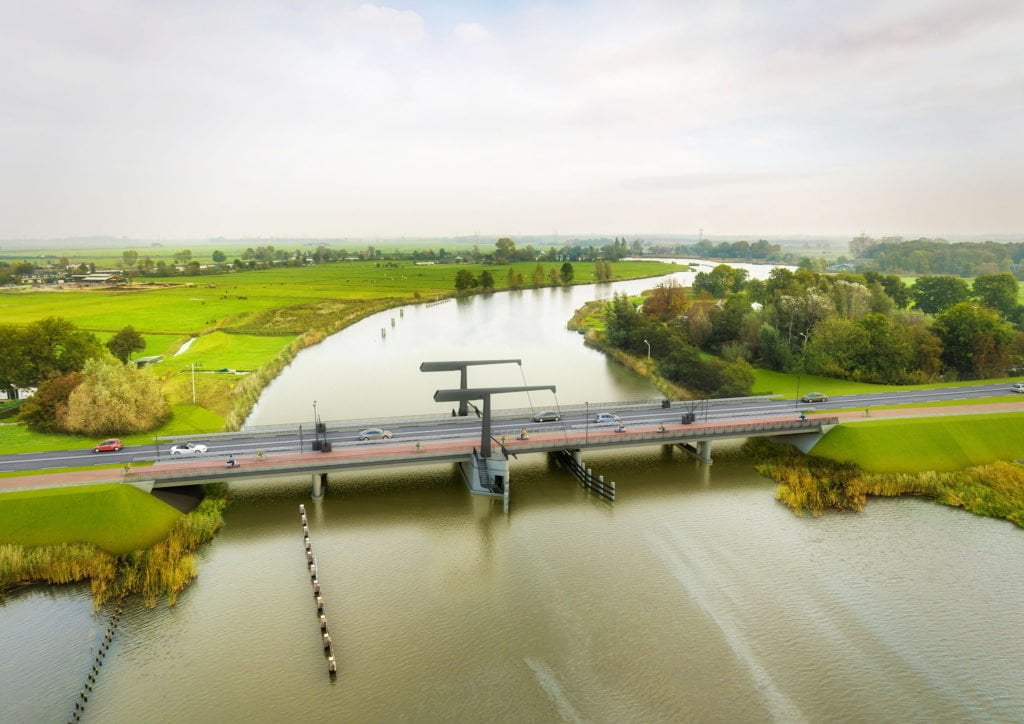
Weidevenne neighbourhood in Purmerend, Noord-Holland Province — Credit: Noord-Holland Province
In Noord-Holland, this principle is reflected in the way new neighbourhoods have evolved in response to changing travel patterns and planning priorities. At last year's Annual POLIS Conference, the Province presented the Dutch experience of developing new suburbs after the Netherlands faced severe housing shortages and urban overcrowding in the 1960s. Rather than letting new development follow a purely car-oriented suburban model, Dutch planning increasingly focused on higher densities, mixed uses, and public transport and cycling integrated into the neighbourhood layout. The approach also reflects changing travel patterns: according to the Province of Noord-Holland, only 19% of trips are now for commuting, while 70% of all trips are 7.5 km or shorter. This puts everyday amenities, including schools, shops, sports facilities, and public transport, at the centre of neighbourhood planning.
Noord-Holland is also taking a data-driven approach. The Province uses multimodal data to inform both housing locations and transport network planning, while checking new developments against a mobility pyramid prioritising active travel, public transport, shared mobility and, lower down the hierarchy, private cars.
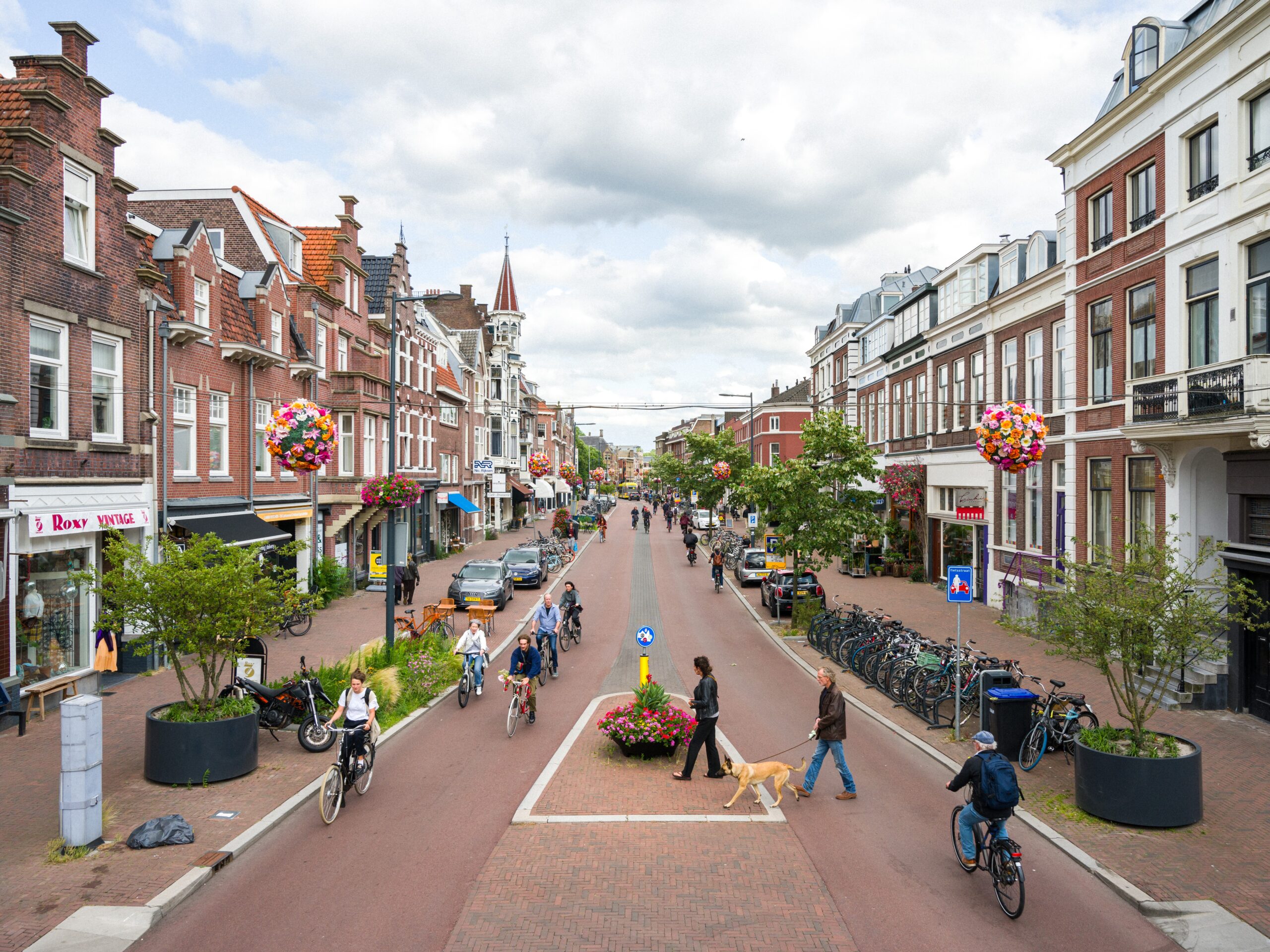
In Utrecht, the same connection is visible in the city’s approach to large-scale urban growth. Through its Mobility Plan 2040 and projects such as the Merwedekanaalzone, Utrecht is combining housing development with measures to support sustainable mobility modes. Bicycle-parking requirements are integrated into the planning and permitting process, while new development in the Merwedekanaalzone is based on low car-parking provision alongside strong alternatives to private car ownership.
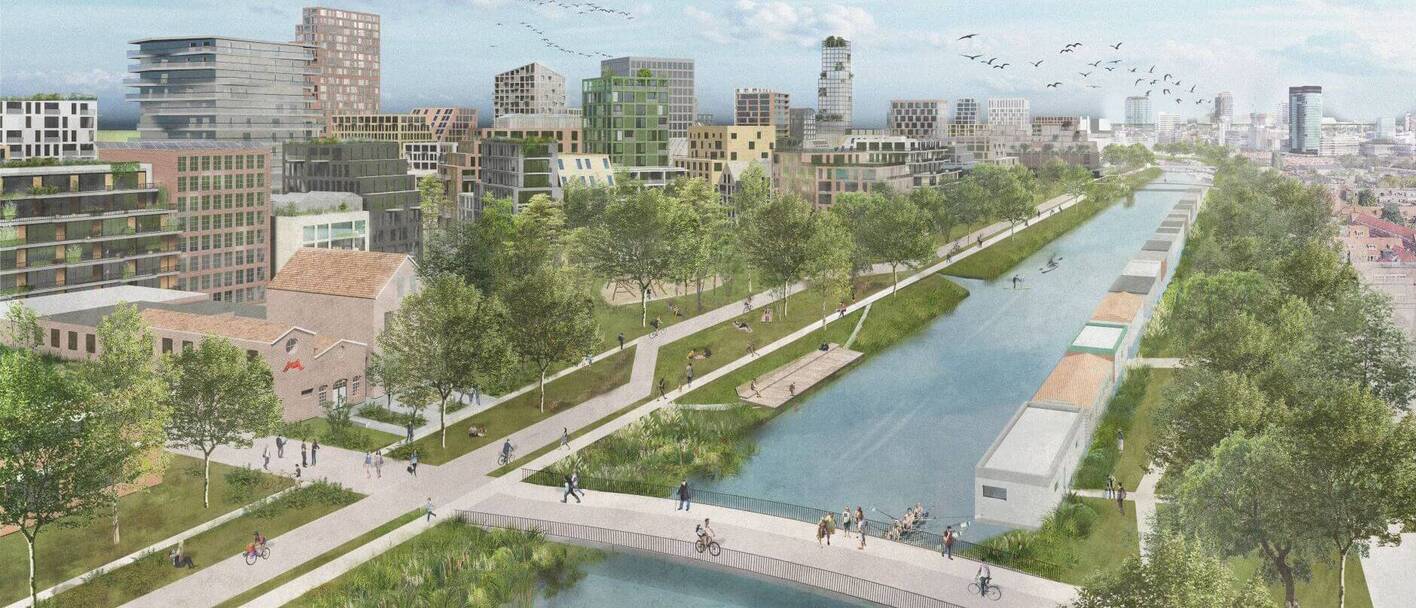
Concept art envisioning the Merwedekanaalzone in Utrecht — Credit: City of Utrecht
At metropolitan scale, Barcelona's Metropolitan Area (AMB) is ensuring that new housing remains connected to opportunities beyond the immediate neighbourhood. Its Metropolitan Urban Mobility Plan 2025–2030 provides a framework for sustainable mobility across the metropolitan area, bringing together public transport, active mobility, parking, e-mobility, and the relationship between urban structure and mobility. For growing urban areas, this wider network perspective is crucial, since access to employment, education, and services often depends on connections beyond the neighbourhood itself.
Shared mobility and affordable housing
Shared mobility is also becoming part of the conversation around housing affordability and land use. At the European Week of Regions and Cities 2025, POLIS organised the workshop 'Driving Change: Bridging Sustainable Mobility and Urban Planning', with the Interreg projects STEER-NWE and SHARE-North Squared. The session explored how shared mobility can support more sustainable urban development, bringing together perspectives from POLIS, Housing Europe, and POLIS members Brussels and Way To Go.
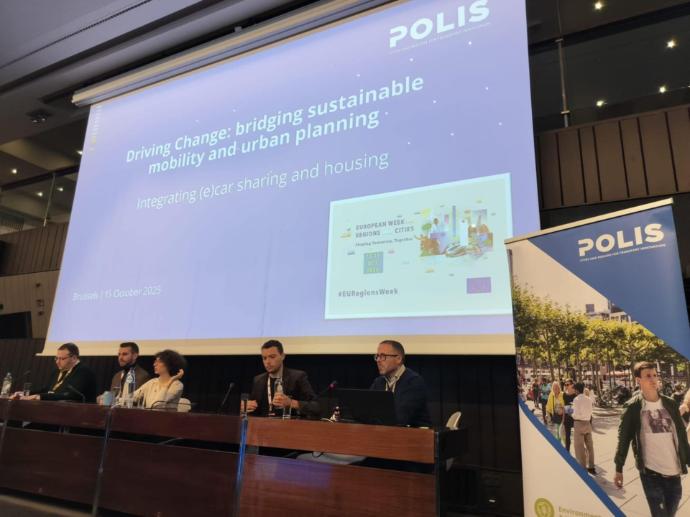
Photo taken during the 'Driving Change: Bridging Sustainable Mobility and Urban Planning' session
Brussels offered a practical example as part of its Green Deal on inclusive carsharing. At the Arc-en-Ciel affordable housing project in Molenbeek, 32 apartments were given access to two electric shared cars for a 12-month pilot. The vehicles were located in the building’s garage, while Community Land Trust Brussels (CLTB) and operator Clem’ worked with residents to test the service and identify barriers to uptake. The pilot also highlighted the conditions needed to make shared mobility work in social housing. Brussels Environment identified the end of the subsidy period and the limited profitability of a closed system serving only residents as key challenges, pointing to the need to open the service to a wider user base. A follow-up from the Brussels Green Deal also found that a local contact person can be important for supporting residents, addressing practical issues and helping people get started with shared mobility.
Beyond housing
The connection between housing and mobility is a practical planning issue, shaping where homes are built, how much space is allocated to cars, and how easily residents can reach the places they need in their daily lives. As cities respond to housing pressures, keeping mobility in the picture from the outset will remain an important part of creating well-connected and accessible neighbourhoods.
The discussion on housing will continue on World Cities Day 2026, when the POLIS Capitals Working Group will launch its new Capitals Policy Brief on dealing with tourism mobility in capital cities and regions. The brief will look at the increasingly connected challenges of tourism, housing and mobility, exploring how pressures in one area can shape the others and how cities can take a more integrated approach.
- Related Members