POLIS x Disability Pride Month: Cities paving the way of accessible travel
As Disability Pride Month shines a spotlight on visibility, dignity, and the rights of people with disabilities, it is an important time to examine a key enabler of freedom: travel. From commuting to cross-country adventures, what are cities doing to improve accessibility?
Every July, Disability Pride Month offers a vital moment to recognise the identity, contributions, and rights of people with disabilities. More than just a celebration, it is a call to visibility, challenging ableism, and affirming that disability is a natural and valuable part of human diversity.
In the context of cities and urban life, mobility is a core issue. Access to transport is not simply about moving from one place to another: it is about autonomy, social participation, and equal opportunity. If transport systems are not inclusive, neither are our cities.
This is why, here at POLIS, we have been increasingly spotlighting the role of accessible mobility in achieving true inclusion. Last year, we shone a spotlight on the importance of accessible and inclusive cycling for people with disabilities in an interview with Wheels for Wellbeing, a pioneering charity in the field. In an article for our in-house magazine, Cities in motion, we explored how shared mobility providers are striving to make transport services open to everyone, regardless of their mobility challenges. And in our Just Transition Webinar series, we heard examples of pioneering initiatives from Transport for All and Sustrans, who are working hard to elevate the voice of people with disabilities in making walking and wheeling more inclusive to their needs.
As Disability Pride Month prompts us to reimagine our cities through the lens of access and equity, it is clear that transport systems must rise to the challenge. From tactile maps to co-created services, cities across Europe are beginning to respond, but the journey toward inclusion is far from over.
Inclusive travel: A snapshot
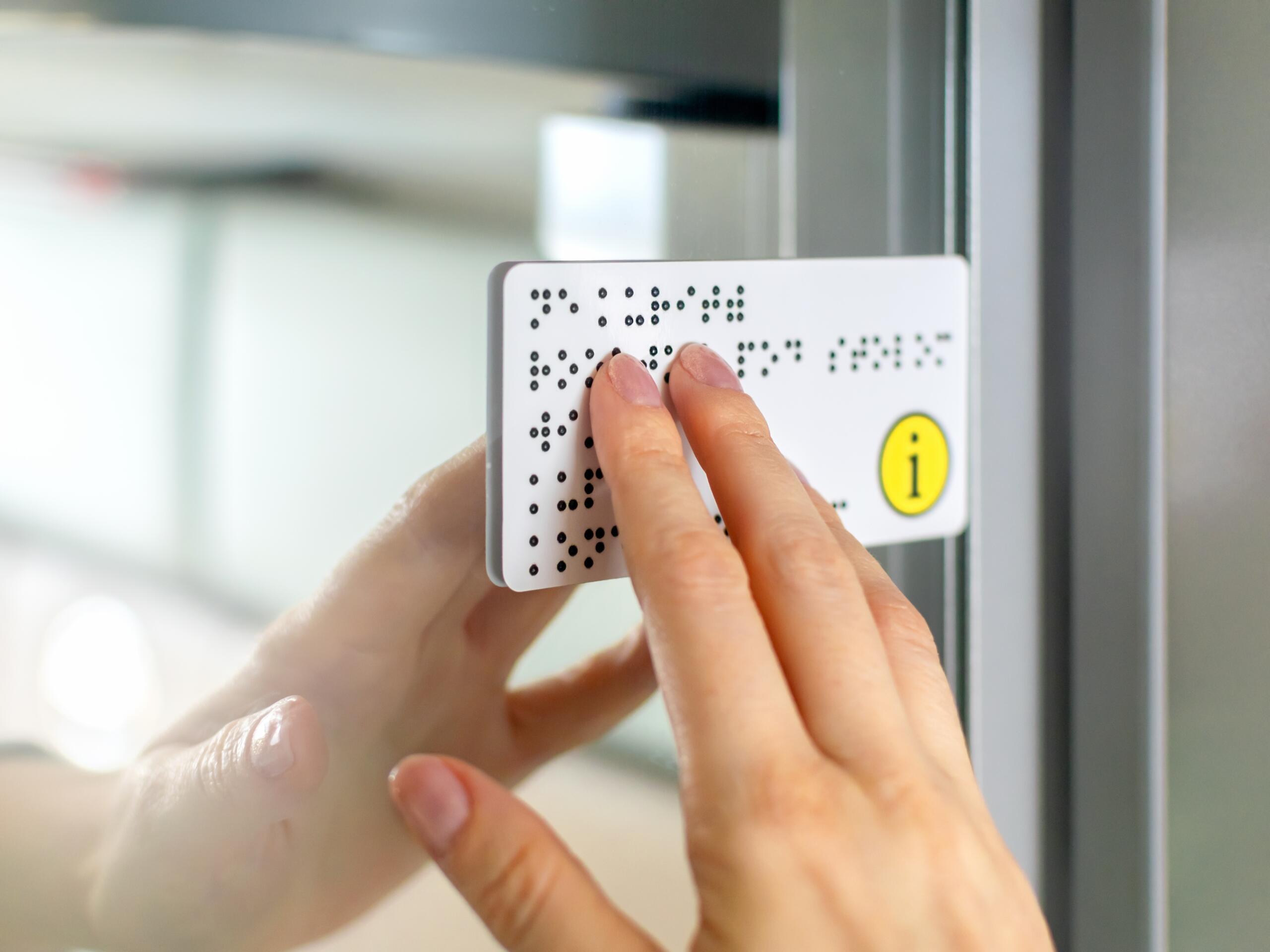
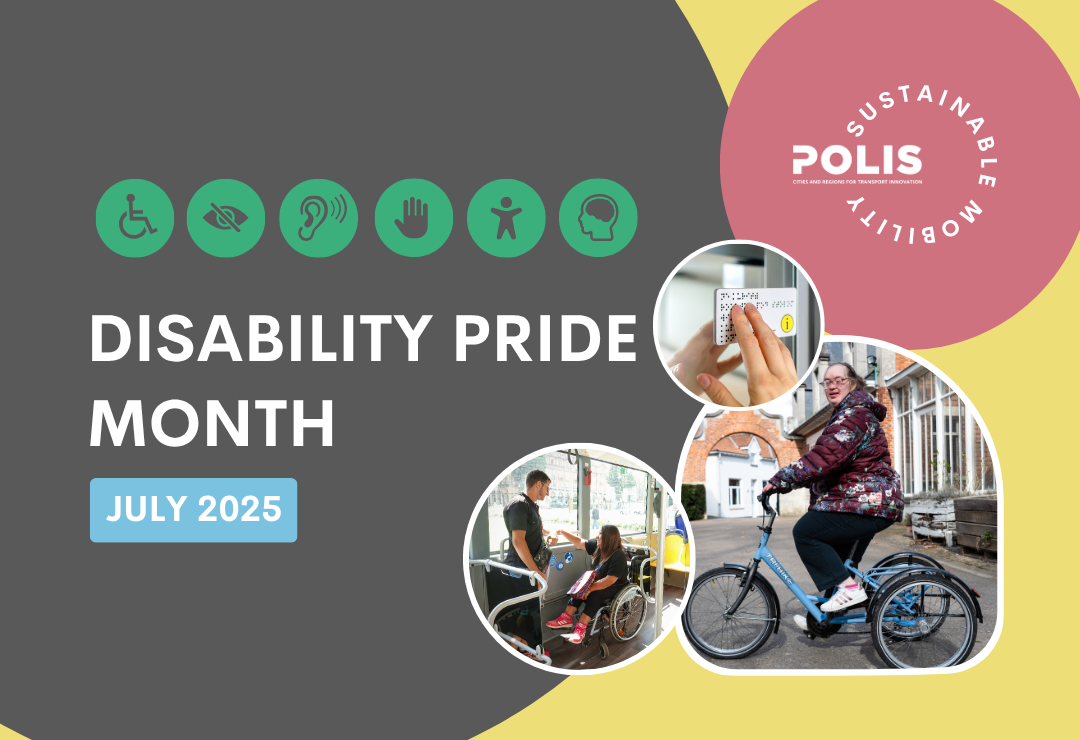
A person reads braille text on a tactile sign attached to a glass surface, using their fingers to feel the raised dots.
Legislation has laid the groundwork for more inclusive travel, but when it comes to urban mobility, implementation often lags behind ambition.
European regulations such as EC No 1371/2007 on rail passenger rights and EU Regulation No 181/2011 for bus and coach travel affirm the right of people with disabilities and those with reduced mobility to access assistance, information, and infrastructure on an equal footing. These rules require operators to provide reasonable accommodations, such as accessible vehicles, advance notice for support services, and barrier-free access to stops and stations.
But for many travellers with disabilities, the day-to-day reality of navigating metro systems, buses, trams, and micromobility options remains inconsistent. Patchy infrastructure, unreliable lifts, poorly marked pathways, and limited staff training continue to undermine what is, on paper, a well-defined set of rights.
Urban areas are, in particular, under increasing pressure to make their public transport networks accessible, not just through legal compliance but through proactive design and user engagement. A good example is the development of journey-planning apps like StreetCo and its twin, StreetNav. The first app allows users to report obstacles they encounter in their cities so that people with disabilities can more easily get around by using the second app as an actual navigation app, adapted to the needs of people with reduced mobility.
In this evolving landscape, local authorities and transport operators play a pivotal role. Translating rights into real-world access requires not just legal tools, but strong political will, user-centred planning, and sustained investment.
Cities and regions leading the way
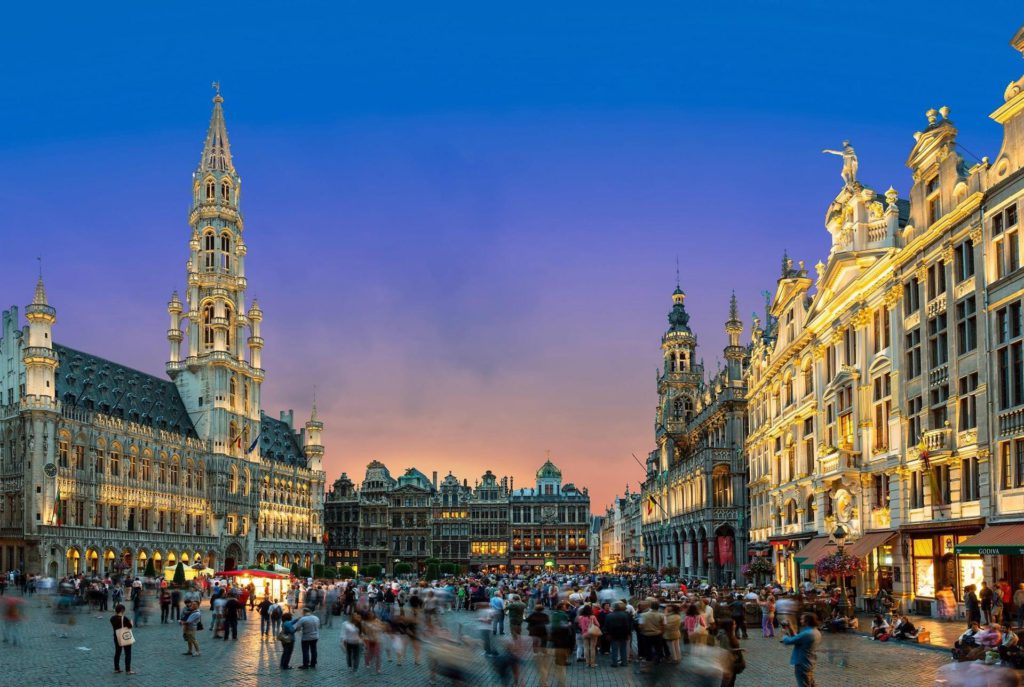
When it comes to inclusive mobility, many POLIS members have been leading by example. Brussels is one of the cities that has been embracing co-creation with residents with disabilities. The SmartHubs project seeks to make mobility hubs as accessible as possible for vulnerable users.

In Zagreb, Croatia, a person in a wheelchair boards a van specialised to facilitate access for persons with disabilities. Photo credit: City of Zagreb
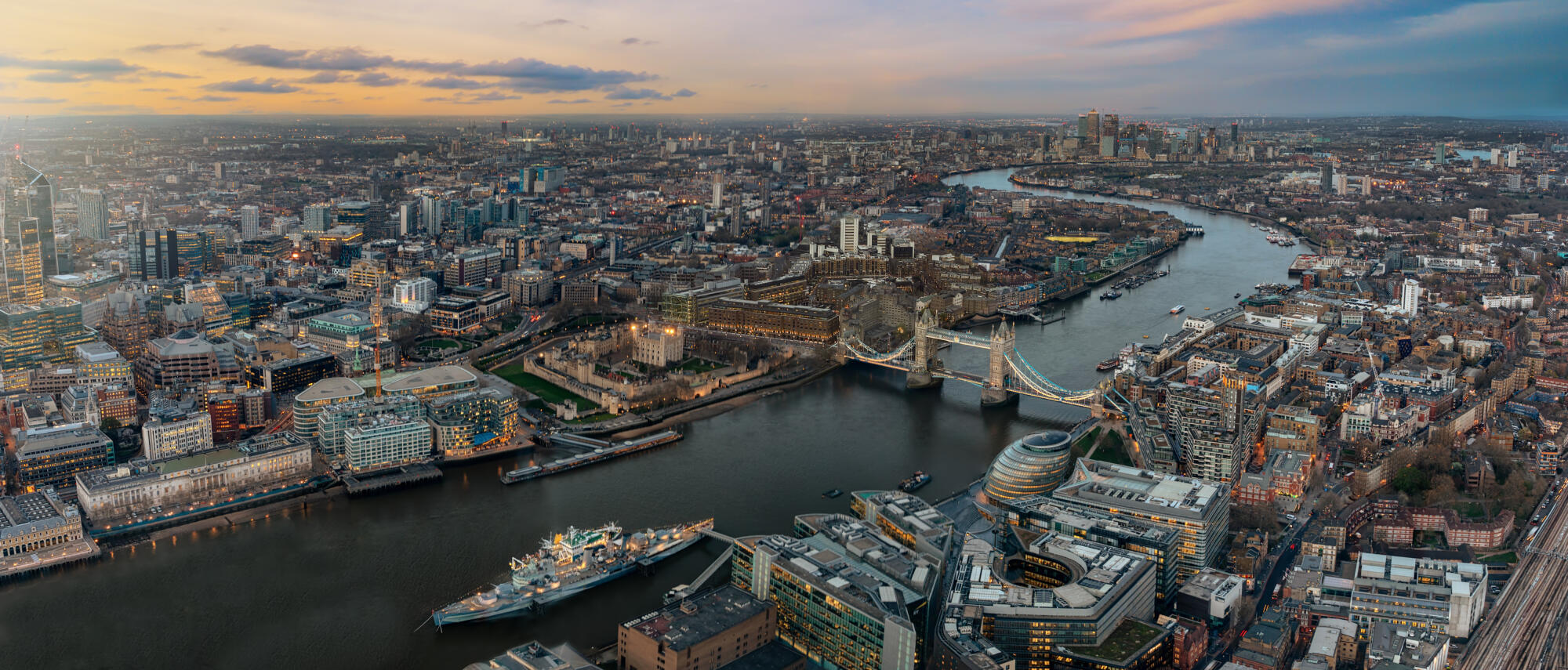
Beyond Brussels, according to Skyscanner’s guide to inclusive travel on 'Inclusive Travel Rights for Disabled People', cities such as London, Vienna, and Paris are among the best-ranked for disabled-friendly travel. These cities combine accessible public transport networks with well-maintained pedestrian infrastructure, clear signage, and assistance services that are easy to book and navigate.
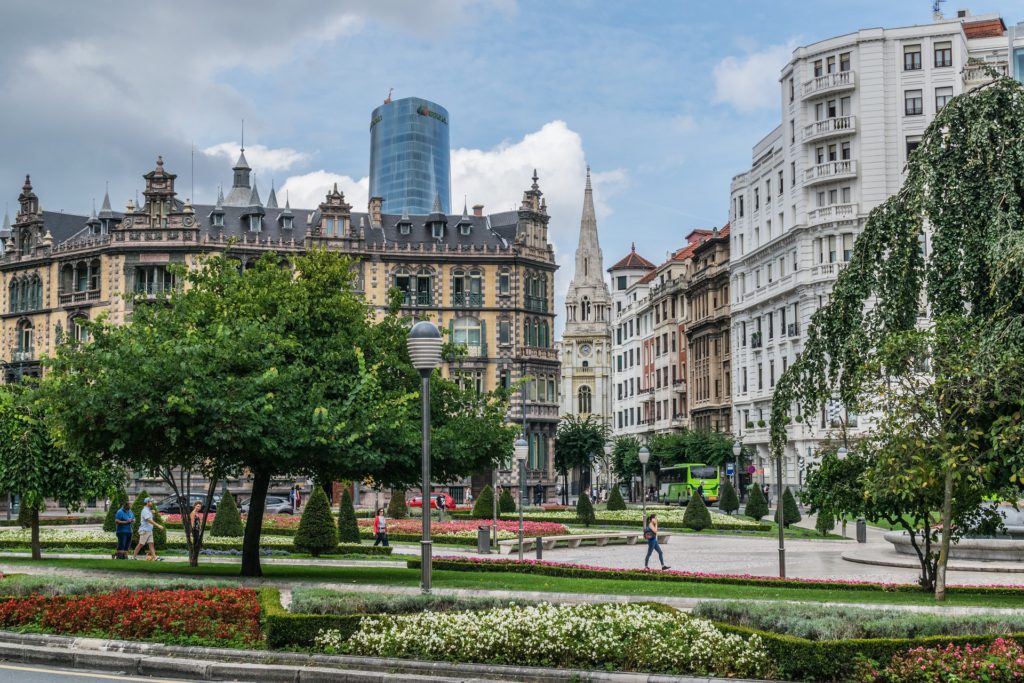
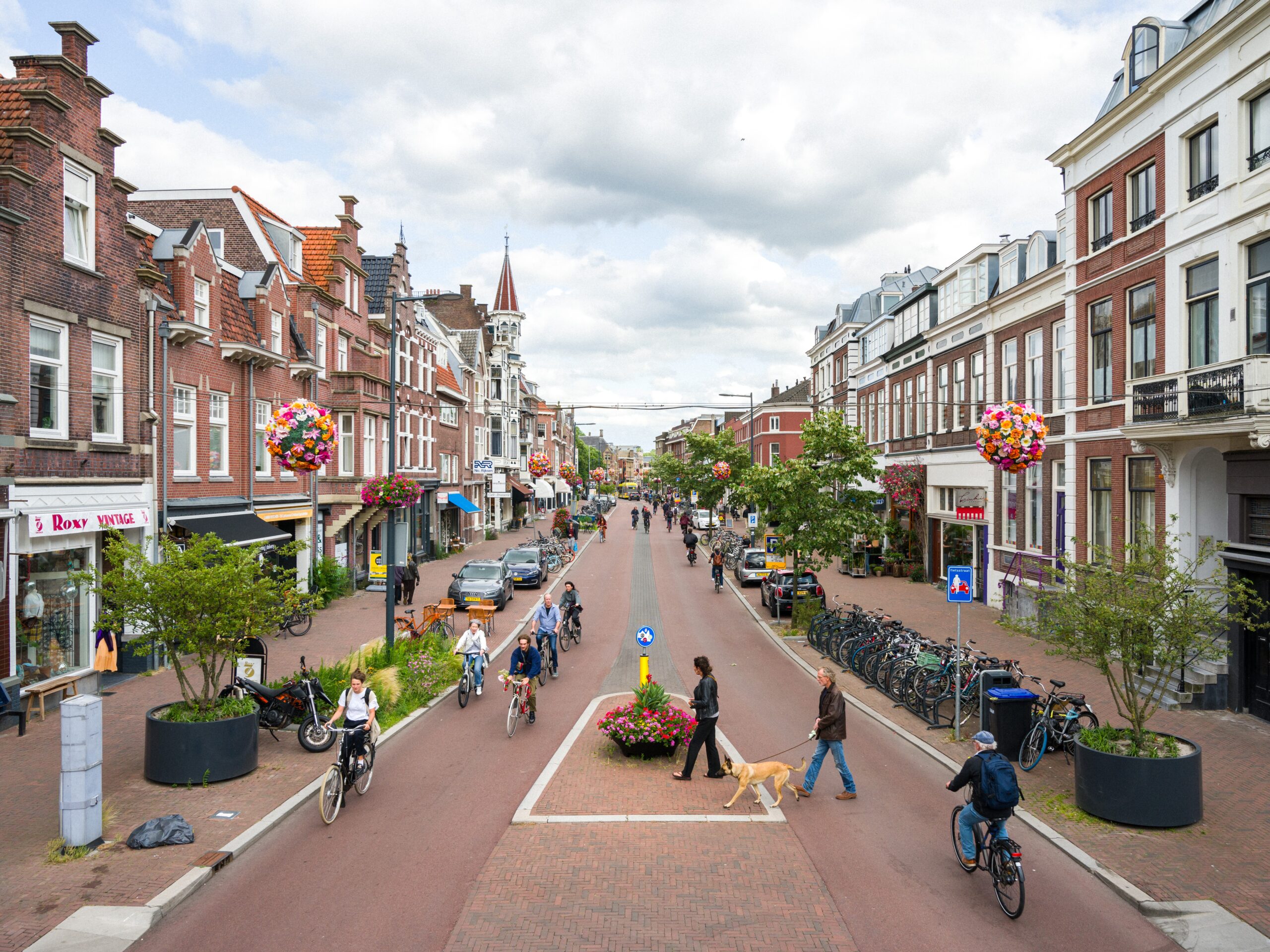
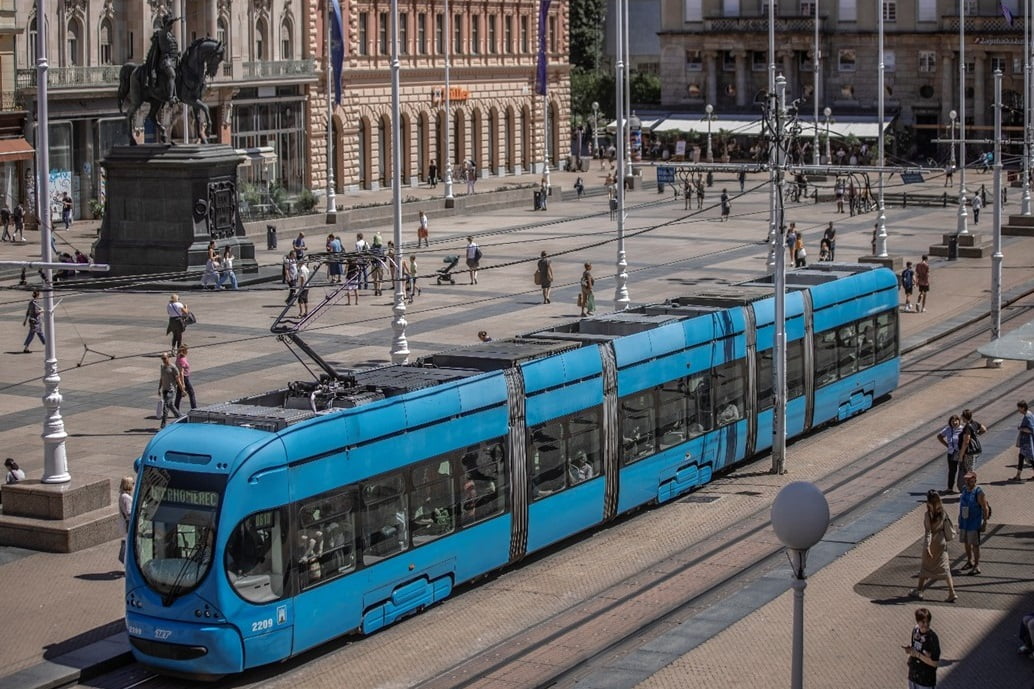
Zagreb has been increasingly gaining recognition for its commitment to creating a sustainable, equitable mobility system, for which it won the Gold Award of the 2024 European Capital of Inclusion and Diversity Awards. In our latest edition of Member in the Spotlight, they told us in detail about their efforts, which included upgrading their public transport fleet with low-floor trams and buses, making boarding easier for people with disabilities, older adults, and families with young children, as well as equipping all vehicles with audio-visual announcements to support passengers with visual or hearing impairments. The city also provides specialised demand-responsive transport for persons with disabilities and children with developmental difficulties, offering flexible, personalised mobility beyond standard routes. Similarly, Utrecht won this year's edition of the award for embedding inclusion across city departments, including transport planning. Bilbao earned the Silver award in the same contest for intersectional initiatives spanning transport and security.
In Madrid, a multi-layered strategy for accessibility is being rolled out across all aspects of urban mobility. The city has adopted a Strategic Plan for Universal Accessibility (2022–2026) and a First Action Plan (2024–2027), both coordinated by the Madrid Accessibility Office. These plans address architectural barriers, inclusive digital services, accessible cycling environments, and public transport upgrades. Madrid’s metro system is now over 70% accessible, and all EMT buses are equipped with low floors, ramps, and audiovisual systems. The city is also piloting adapted electric bicycles, introducing mobility hubs, and enhancing school environments and parks with inclusive design features.
Will the lift be working?
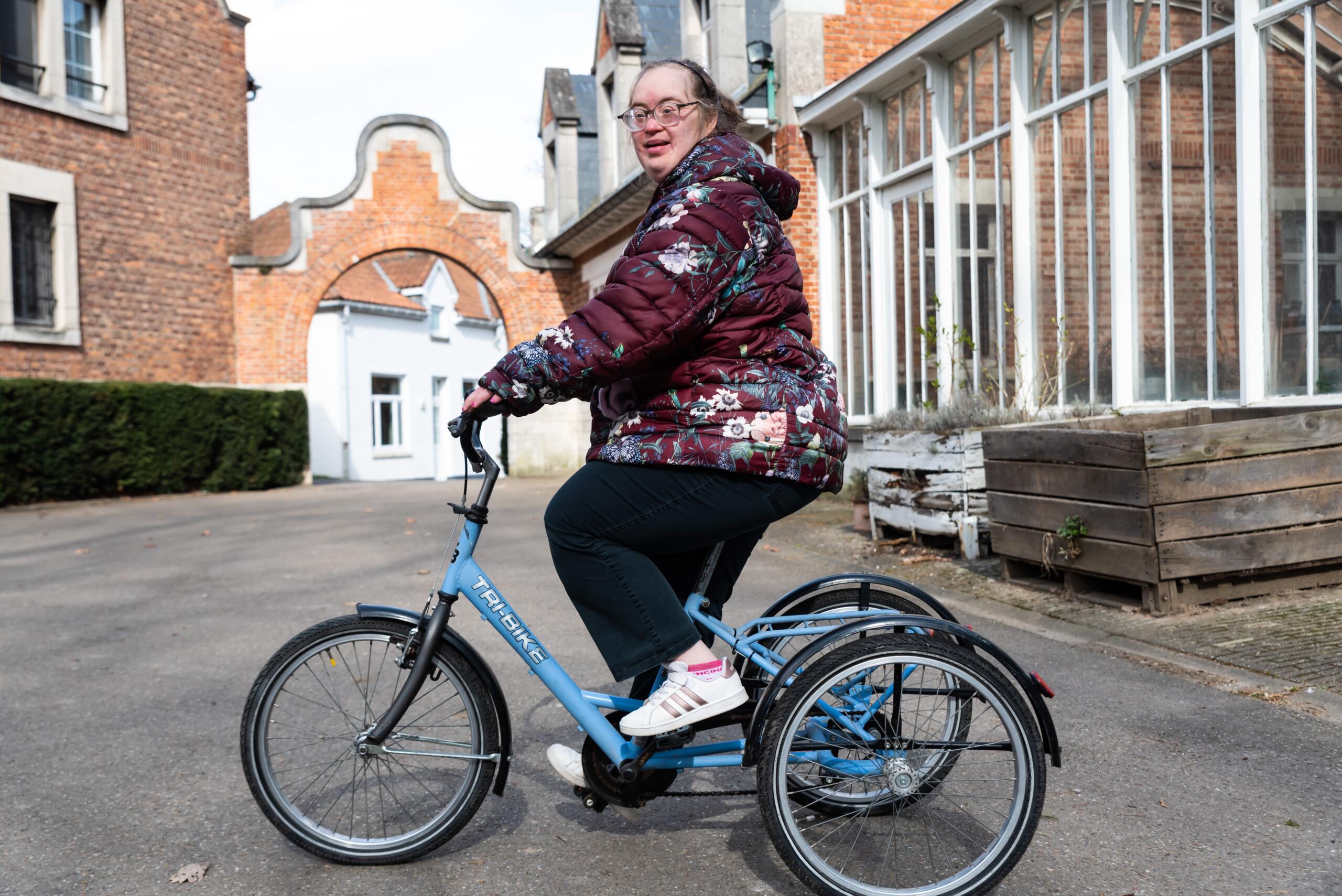
A person wearing a floral jacket rides a blue adult tricycle on a paved path between brick and glass buildings in Hakendover, Belgium.
Despite clear strides in policy and practice, accessible travel across Europe is still far from universal. For many people with disabilities, daily journeys remain riddled with uncertainty. The inconsistency of experience is a persistent reminder that inclusion cannot be partial.
Even where infrastructure exists, it often lacks the continuity or reliability needed for seamless travel. Systems may comply with minimum legal standards but fail to deliver on the promise of autonomy and dignity. This is especially true in the context of multimodal travel when connections between buses, trains, pavements, and stations do not function cohesively for users with disabilities.
Advocacy groups continue to highlight these gaps. In our interview with Wheels for Wellbeing, we underscored how inclusive cycling infrastructure can empower people with disabilities and reshape assumptions about who urban mobility is for. Wheels for Wellbeing has been at the forefront of campaigning for greater recognition and support for disabled cyclists—a group often overlooked in urban mobility planning. They often outline the challenges disabled people face when using adapted cycles, including inaccessible cycle lanes, a lack of secure parking, and restrictive transport policies.
Their work underscores a crucial point: accessibility is not just about fixing what is broken but broadening our understanding of who moves through our cities and how. As cities embrace cycling and active travel as part of sustainable mobility strategies, they must also make sure to design modes with disabled people in mind, without adding them as an afterthought.
Bridging these gaps will require more than regulation. It calls for a shift in mindset—where inclusion is not just a compliance task, but a core design principle that informs how cities grow, move, and serve all their residents.
So, what can cities do?
- Start with meaningful dialogue: Involve people with disabilities. Not just as stakeholders, but as co-designers of transport systems. Their lived expertise is essential.
- Invest in staff training: Accessibility is as much about attitudes and service as it is about ramps and signage.
- Use available resources: Guidance from organisations can help cities benchmark their services and learn from best practices.
- Embrace data and technology: Open data on accessibility features, e.g., lift availability, tactile guidance, or low-floor vehicle deployment, can support both users and developers in creating accessible mobility tools.
- Think systemically: Accessibility should not be a retrofit. We must plan it and continually reassess it.
Pride, progress, and purpose
Disability Pride Month is a time to celebrate identity and community but also to confront what remains to be done. European cities have made undeniable strides toward inclusive mobility, and our members are prime examples of it. Legal protections exist, smart technologies are improving access, public discourse is shifting, but travel remains unequal. Systems are not yet universally designed, and people with disabilities still have to plan trips with greater caution, effort, and stress than others.
Now is the time for all governments, local authorities, and mobility providers to commit to lasting change, not as an add-on, but as a core value. Navigating our living spaces is a right for everyone. It should never be just a privilege.
- Related Members