Member in the Spotlight: Zagreb
For the latest edition of Member in the Spotlight, and in honour of EU Diversity Month, we are excited to showcase POLIS member Zagreb and its strong commitment to promoting inclusive and accessible sustainable urban mobility measures.
Zagreb has made significant strides in ensuring that its sustainable transport policies and services meet the diverse needs of all its residents, with a strong focus on gender equality, accessibility, and social inclusion. From modernising public transport to integrating accessibility and gender perspectives in mobility planning, the city is setting a powerful example of inclusive urban development.
In this feature of Member in the Spotlight, we explore Zagreb’s ongoing efforts to create a sustainable, equitable mobility system, the challenges it faces, and its future priorities, highlighting key initiatives that promote diversity and accessibility across the city.
POLIS: Zagreb has made strong strides in promoting sustainable mobility, particularly by enhancing cycling infrastructure and improving public transport. What would you say have been the most tangible impacts of these recent initiatives on the city and its residents?

The Greenway project is part of the City Administration's broader efforts to improve transport infrastructure and sustainable forms of mobility. Photo credit: City of Zagreb
Since 2021, the City of Zagreb has steadily expanded its cycling infrastructure to support safer, more accessible, and interconnected routes that encourage cycling as an everyday mode of transport.
To date, over 30 kilometres of cycling infrastructure have been developed. Around 23 kilometres are entirely new, including dedicated bike lanes and paths that did not previously exist. The remainder consists of shared roadways where cyclists and motor vehicles safely coexist. Key projects include the Greenway, a cycling highway along the Sava River embankment, and the Eastern Cycling Highway, a segregated route running beneath the railway line. Importantly, the city is shifting away from marking bike lanes on pedestrian pavements towards physically separated paths, improving safety for all users and enhancing the pedestrian experience. To support cycling further, Zagreb has installed over 2,000 new staple-style bicycle racks across the city. In April 2024, we also launched Bajs, a new bike-sharing system designed to improve urban mobility. Through these projects, the City of Zagreb has demonstrated a strong commitment to advancing urban mobility that prioritises sustainability, safety, and the overall quality of life for its residents.
Looking ahead, we are preparing an Action Plan for the Development of Cycling Infrastructure 2025–2030. This strategic document will support the continued integration of cycling routes into a cohesive and functional network, ensuring long-term improvements in our urban transport infrastructure.
POLIS: Zagreb was a finalist for the 2022 EUROPEANMOBILITYWEEK Awards for its integrated approach to ecological and digital transition, including strategies like the Smart City Strategy, Air Protection Programme (2022–2026), and Noise Management Action Plan. Three years on, how have these plans evolved, and what are your key priorities moving forward?
Since 2019, Zagreb has made significant strides in smart and sustainable mobility. Our Smart City Strategy placed mobility at its core, recognising the urgent need to modernise public transport, expand cycling infrastructure, and reduce emissions from private vehicles. This has led to tangible progress, including the Greenway cycling project, fleet electrification, and the development of intermodal solutions linking tram, rail, bus, bike-sharing, and park-and-ride facilities.
We continue to prioritise clean transport through our Air Protection Programme (2022–2026) and Air Quality Action Plan (2023–2028), which include measures such as public transport electrification, incentives for clean vehicles, and expanding cycling networks. These efforts are complemented by our Noise Management Action Plan, which integrates noise reduction into urban planning and transport upgrades, especially around schools and hospitals. Digital tools like the Zagreb Smart City Hub and Energy Atlas empower residents to engage in mobility planning and energy use. Public transport has also been made more accessible through subsidies and user-friendly platforms.
Moving forward, our key mobility priorities include: accelerating fleet modernisation and electrification; enhancing intermodal connectivity; reducing traffic-related emissions; and integrating sustainability into all transport infrastructure upgrades. These goals are supported by major investments in energy efficiency and by ensuring that citizen engagement and equity remain central to our approach.
POLIS: Zagreb’s Smart City Hub acts as a centralised platform to inform citizens about urban projects and increase public participation. How is the city leveraging this tool to involve residents in shaping sustainable mobility policies and planning?
The Zagreb Smart City Hub was developed to centralise data from city institutions and enhance transparency, communication, and citizen engagement. By consolidating information in one place, it makes it easier for residents to access and understand urban projects. A key feature is the Catalogue of Projects, which includes over 20 initiatives dedicated to sustainable mobility. Interactive dashboards covering areas like cycling infrastructure and tram and bus stops allow citizens to explore mobility-related data in detail. In 2024, the platform began integrating 3D visualisations to provide clearer insights into smart mobility solutions. It is also undergoing a redesign to improve usability and accessibility. These visual tools help users better understand how mobility services are evolving and support more informed public dialogue.
As a next step, Zagreb plans to enhance the Hub with a complementary platform, the Zagreb City Digital Twin, which will model the impact of urban interventions, particularly in climate, mobility, and air quality, using 3D data and real-time analytics. This will further support evidence-based planning and deepen citizen participation in shaping a smarter, greener city.
POLIS: Last year, the City of Zagreb received the Gold Award in the category for local authorities with more than 50,000 inhabitants of the European Capitals of Inclusion and Diversity Award. What steps has the city taken to ensure its mobility services are accessible, inclusive, and responsive to the needs of vulnerable and underrepresented groups?
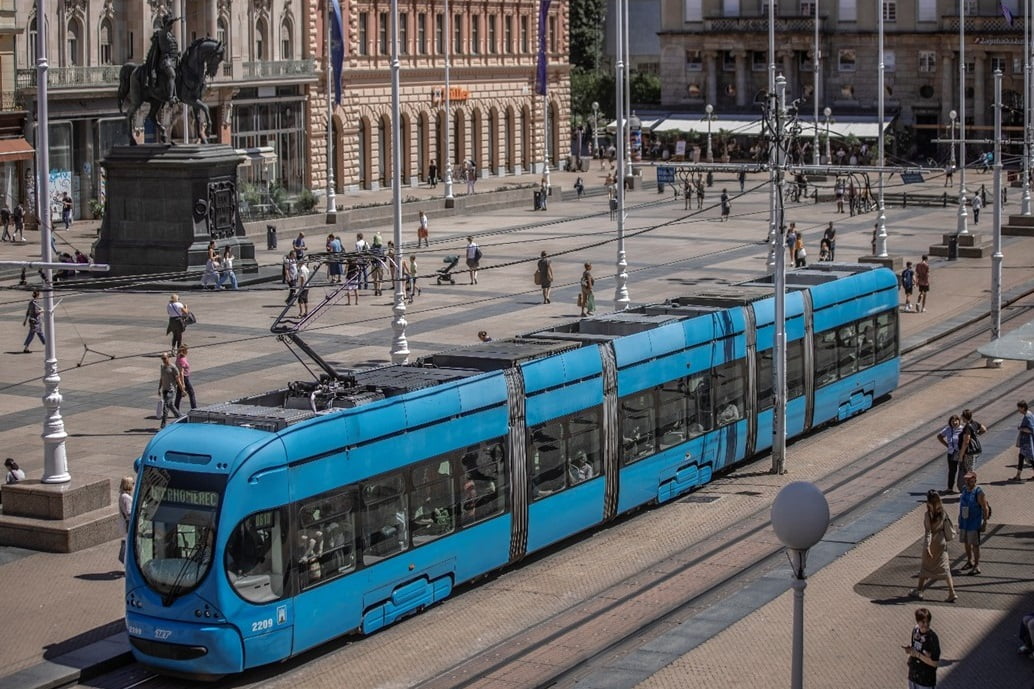
Zagreb has made strong, practical commitments to ensure its mobility services are inclusive and accessible to all, particularly for vulnerable and underrepresented groups. This includes continuous fleet modernisation, targeted social measures, and close cooperation with disability advocacy organisations. Indeed, the city has upgraded its public transport fleet with low-floor trams and buses, making boarding easier for people with disabilities, older adults, and families with young children. Moreover, all vehicles are equipped with audio-visual announcements to support passengers with visual or hearing impairments.
Specialised demand-responsive transport is also provided for persons with disabilities and children with developmental difficulties, offering flexible, personalised mobility beyond standard routes. Additionally, free transport passes are available for specific groups, including unemployed persons with disabilities, seniors, youth under 18, and women survivors of violence, reducing financial barriers and promoting mobility equity.
Zagreb also prioritises accessible infrastructure: in partnership with organisations representing people with disabilities, the city has installed tactile paving, audible signals, and elevators in key public transport underpasses, ensuring improvements are rooted in real user needs.
POLIS: The City of Zagreb is also implementing an Action Plan for the implementation of the European Charter for Equality of Women and Men in Local Life (2021–2025). Can you tell us more about what specific actions you are taking to address gender equality in mobility?
As part of its Gender Equality Action Plan (2021–2025), Zagreb is integrating a gender perspective into mobility through targeted research and inclusive planning. A key initiative was a pilot study conducted by ODRAZ on the travel habits of women and men, aiming to better understand how different groups use public and private transport and to inform future policy. The study involved 572 employees of the City Administration and revealed clear differences in mobility patterns. Women tend to rely more on public transport, yet systems are often designed without considering their specific needs, such as travel for caregiving, off-peak journeys, or safety concerns during night-time travel.
Based on these insights, the city identified a set of recommendations to make mobility more gender-responsive. These include improving the safety and accessibility of public transport stops, especially in outer areas; enhancing evening and weekend service frequency; expanding Park & Ride facilities; strengthening cycling infrastructure; and modernising the vehicle fleet and ticketing systems. Further actions include better passenger information systems, real-time travel apps, and improved accessibility for people with disabilities. The city also emphasises public engagement, raising awareness among passengers and transport staff, and encouraging sustainable travel for work, education, and caregiving.
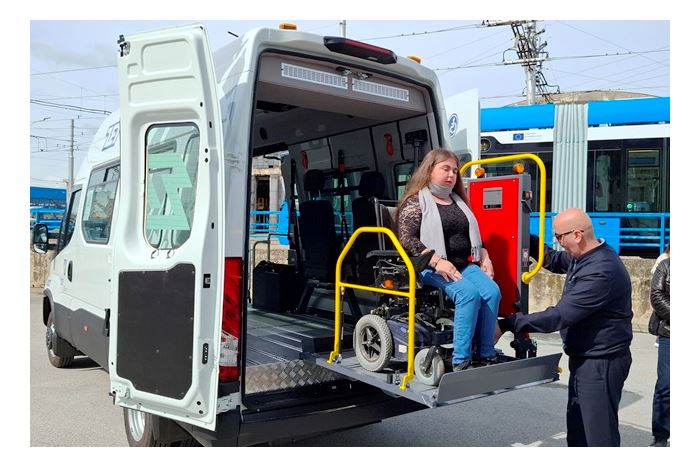
By incorporating accessible and gender-sensitive measures, Zagreb is working to ensure its mobility system is safer, more inclusive, and better aligned with the everyday needs of all its residents. Photo credit: City of Zagreb
POLIS: May marks the celebration of European Diversity Month. As this month wraps to a close, what message would you like to share with other cities and regions aiming to implement more inclusive and diverse sustainable mobility and urban planning initiatives? Any recommendations or advice you would like to share?
We would like to encourage cities and regions to approach sustainable mobility and urban planning with an inclusive perspective that considers the diverse needs of all citizens. Inclusive planning starts with meaningful community engagement. It is not just about working for the citizens but with them. Listening to different voices, ensuring broad representation throughout the decision-making process, and building trust are all essential for creating solutions that work in practice.
We see mobility and urban planning as more than just transport, land use, and infrastructure: it is about creating an environment where everyone can move freely, independently and live comfortably, regardless of ability, age, socioeconomic status or background. That is why we work closely with disability organisations, public institutions, mobility providers, and other partners to make sure that people have not only access to transport, but also to information, services, public spaces, and other basic rights that should be available to everyone.
Moreover, true inclusion means not developing separate services for certain groups, but rather involving all people in existing systems and structures from the start. This approach strengthens communities and ensures that solutions reflect real needs. When mobility and urban spaces are designed to be inclusive and accessible from the beginning, they work better for everyone.