Groningen’s fleet of electric cargo bikes grows
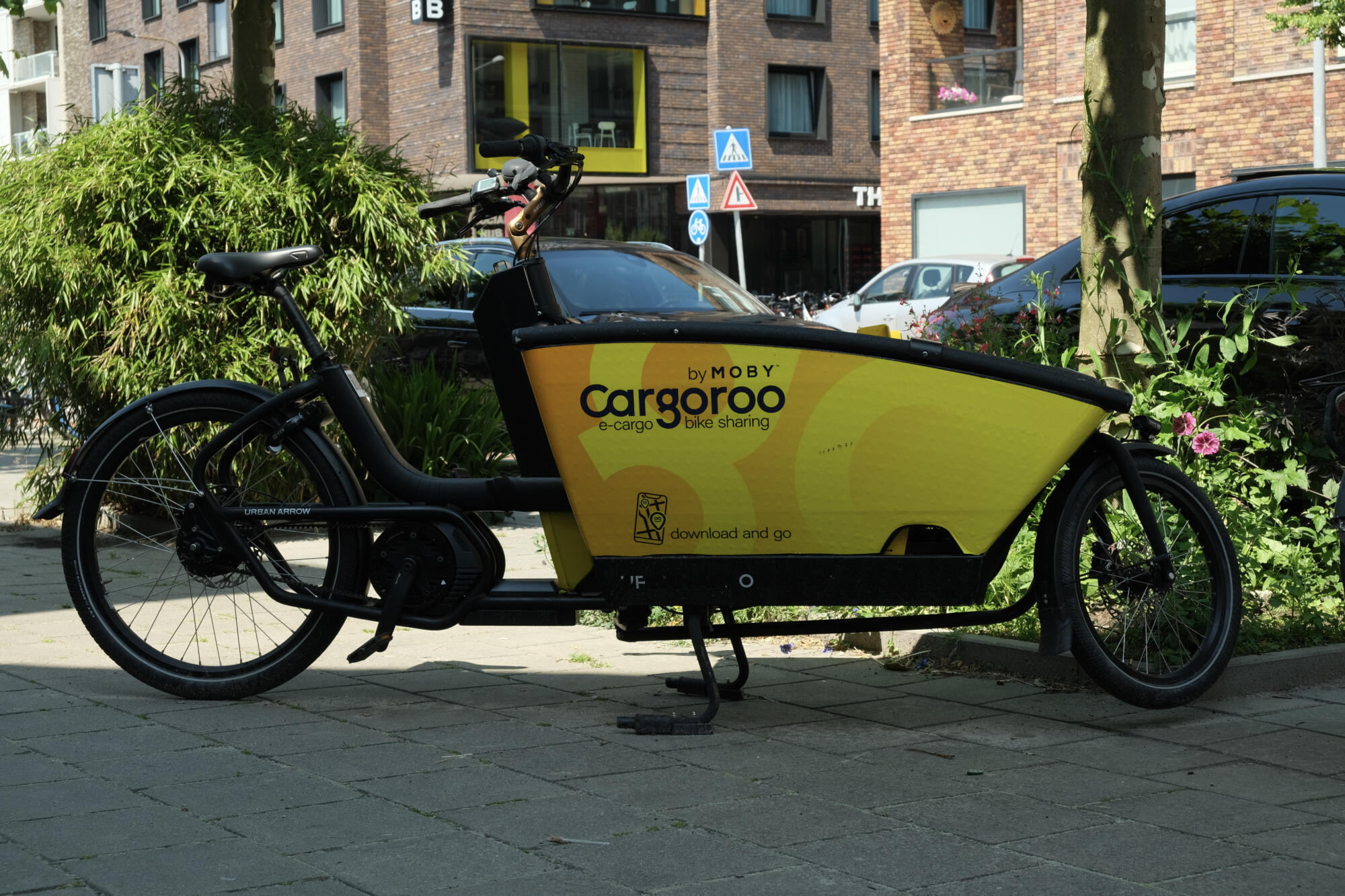
One of the world’s most bike-friendly cities has just seen 12 new shared electric cargo bikes take to the streets, bringing the total to 25. This will help keep the city centre an emission-free zone and keep Groningen more accessible and liveable.
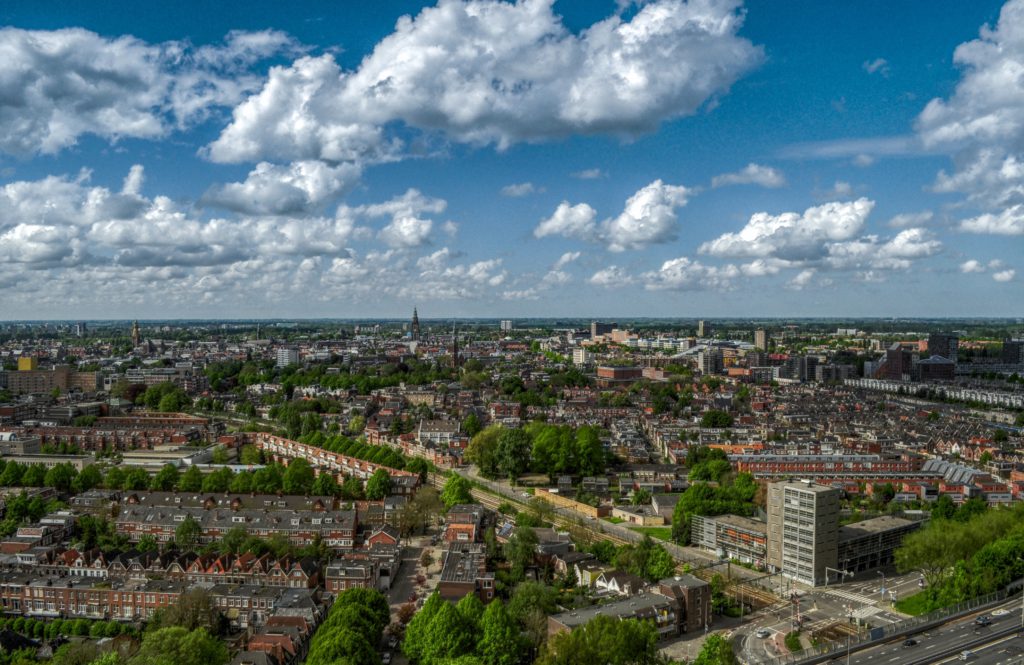
Often considered the capital of the north of the Netherlands, Groningen already has a reputation for being one of the most bike-friendly cities in Europe, if not the world. Over 60% of the city’s modal share—the share of trips made by each transport mode—is by bike.
Why shared cargo bikes?
In a city where decades of urban planning have focused on prioritising pedestrians and bikes, most trips in the city are made through these methods. Despite these positives, some trips are harder to make by bike: a big grocery run, bringing children to school, or taking large items home. For these trips, people have few options but to use a car, but Cargoroo’s new shared electric cargo bike gives people another option. ‘Streets as meeting places, not parking lots’ is the message which drove Cargoroo to make transport practical, sustainable, and convenient for everyone.
How does it work?
Groningen uses a station-based model where each cargo bike has a fixed home location in a public space. The Cargoroo app shows where the nearest cargo bike is, and users can reserve and unlock the bike through the app. Users start and end their trip in the same location, making the bikes easy to find while also keeping the street tidy, which is especially important in older neighbourhoods where streets are narrow and space is limited.
To encourage people to give these bikes a try, residents living in new locations receive a letter with a discount: the first hour free on each of their first three rides. In addition, residents with a low income can use the cargo bikes for free for their first 5 hours and receive a 30% discount on their rides afterwards. This makes cargo bikes accessible and affordable for everyone.
Groningen, a pioneer
Groningen is one of 112 cities that have joined the EU ‘100 Climate-Neutral and Smart Cities’ Mission, aiming to become climate neutral by 2030 and have adopted zero-emission policies to decarbonise urban transport moving forward, along with cities such as Brussels, Stockholm, and Amsterdam.
In 2023, Groningen won the Annual POLIS Award for its innovative ideas and dedication to a just and sustainable mobility transition, and it has only gotten better. In April 2025, the city officially became a zero-emission zone, allowing only electric, hydrogen, or human-powered vehicles in the city centre, reducing air pollution and CO2 emissions.
Decades of consistent policies favouring active mobility, bold regulatory measures and innovative solutions truly have made the city a pioneer in sustainable transport, and Cargoroo’s new electric cargo bike fleet is helping boost accessibility and liveability in the municipality. The cargo bikes are part of Groningen's broader shared mobility offer, which also includes shared bikes, shared e-mopeds, and shared cars. Together, these services help residents live comfortably without owning a car, or with one car fewer, and the city hopes to double its fleet of cargo bikes by 2027.