Streets2030
As climate change is exacerbating the frequency and intensity of extreme weather events, mobility infrastructures need to adapt and prepare for such events. The Streets2030 project aims to make active transport climate resilient.
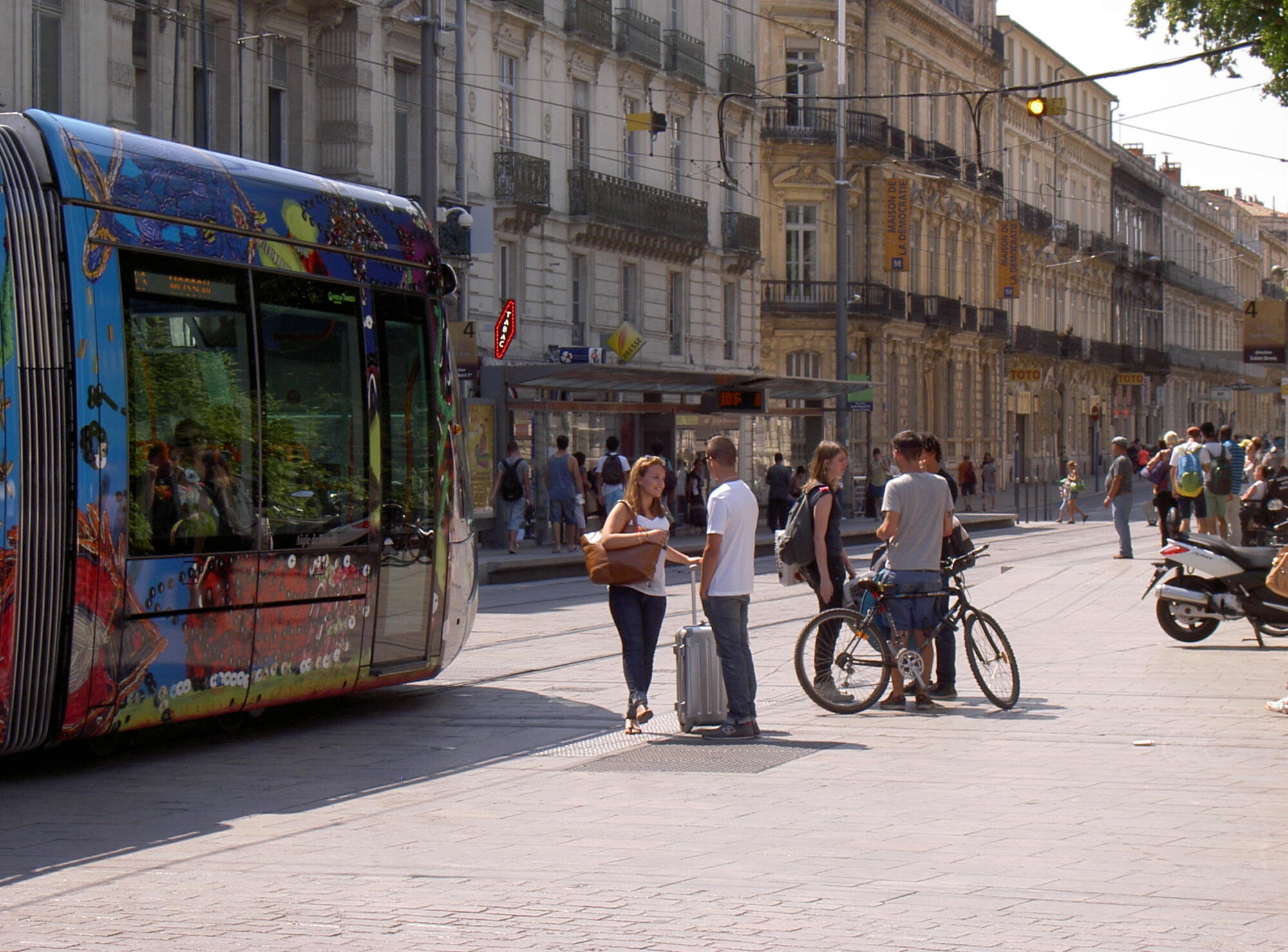
Climate change is a major threat to active travel. North-West Europe urban areas are investing in walking and cycling infrastructure, but as extreme weather events such as flooding and heatwaves become more frequent and dangerous, this is making streets unsafe and unattractive.
Streets2030 aims to tackle this challenge by making streets future-proof. To do so, it aims to equip city planners and wider practitioners with the tools and expertise necessary to build climate-resilience Active Travel Infrastructure (ATI).
 To achieve this goal, the project will:
- improve the assessment and planning of ATI's climatic resilience;
- implement real-life pilots to evaluate green and grey ATI innovations to mitigate the effects of key climatic events such as heat, heavy rain, and seasonal changes;
- enhance capacity-building in climate-resilient active travel, bridging climate adaptation and urban mobility.
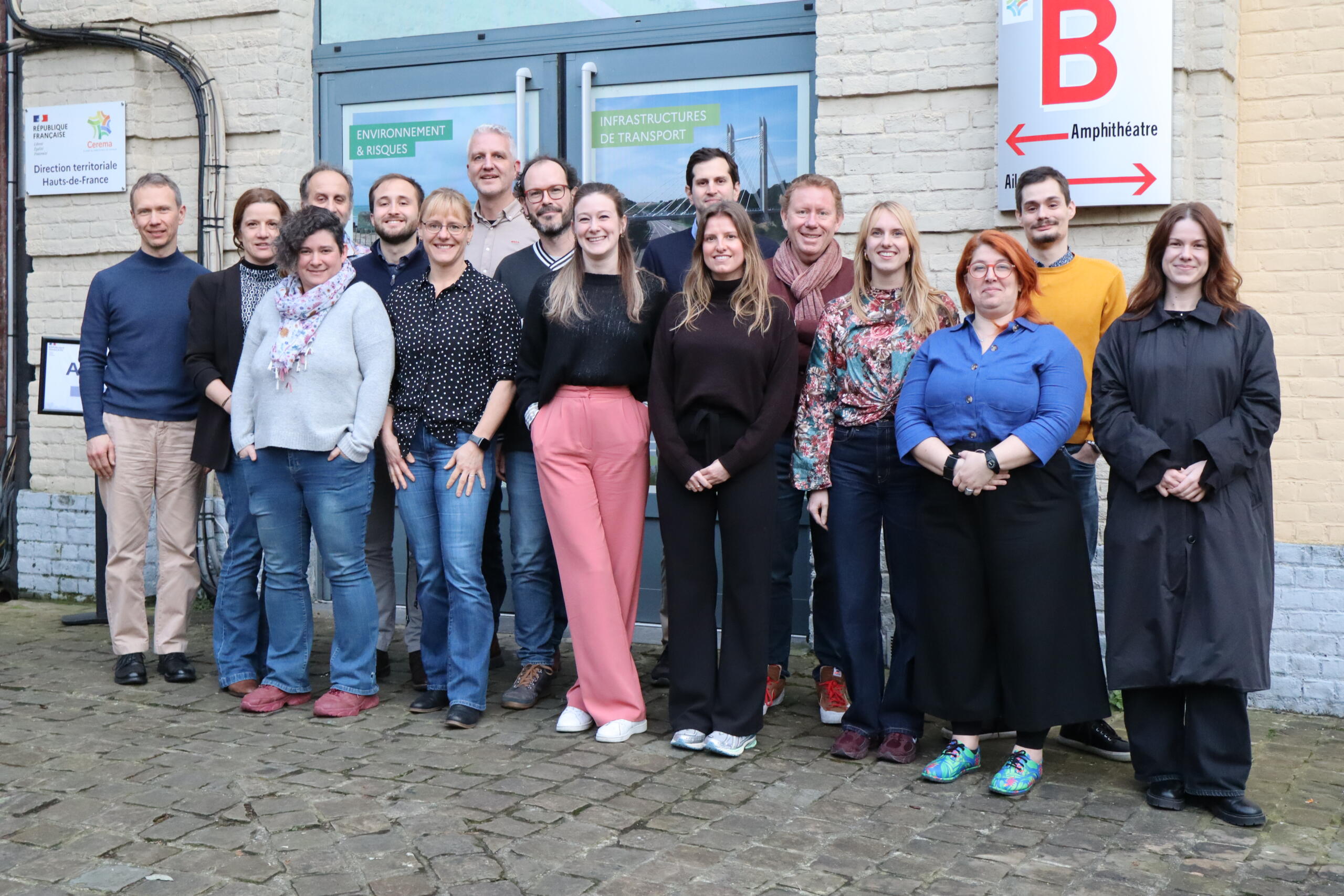
Nine partners join forces to share their complementary expertise and diverse climatic portfolios to develop robust, widely applicable solutions. The lead partner is POLIS member Cerema.
They will collaborate to deliver three main outputs:
- a Climatic Assessment Strategy for evaluation of ATI;
- a tool to assess and guide investments and solutions in green and grey ATI solutions and new resilient public space trends, the 'Streets2030 Resilient Kompass';
- a packaged Training Programme to build lasting technical capacity for professionals and urban planners.
Streets2030 is an Interreg North-West Europe project, running from January 2029 to May 2029.
Visit the Streets2030 website and follow the LinkedIn page to stay up-to-date.