POLIS keeps growing: Meet our new members!
Halfway through 2026, we are pleased to announce the latest additions to our ever-expanding network of cities, regions, and related entities. Meet them below!
As the transition towards safer, cleaner, and more inclusive mobility gathers pace, the value of collaboration has never been clearer. Cities and regions are tackling many of the same challenges, but are doing so in very different contexts, with their own unique approaches and experiences to share.
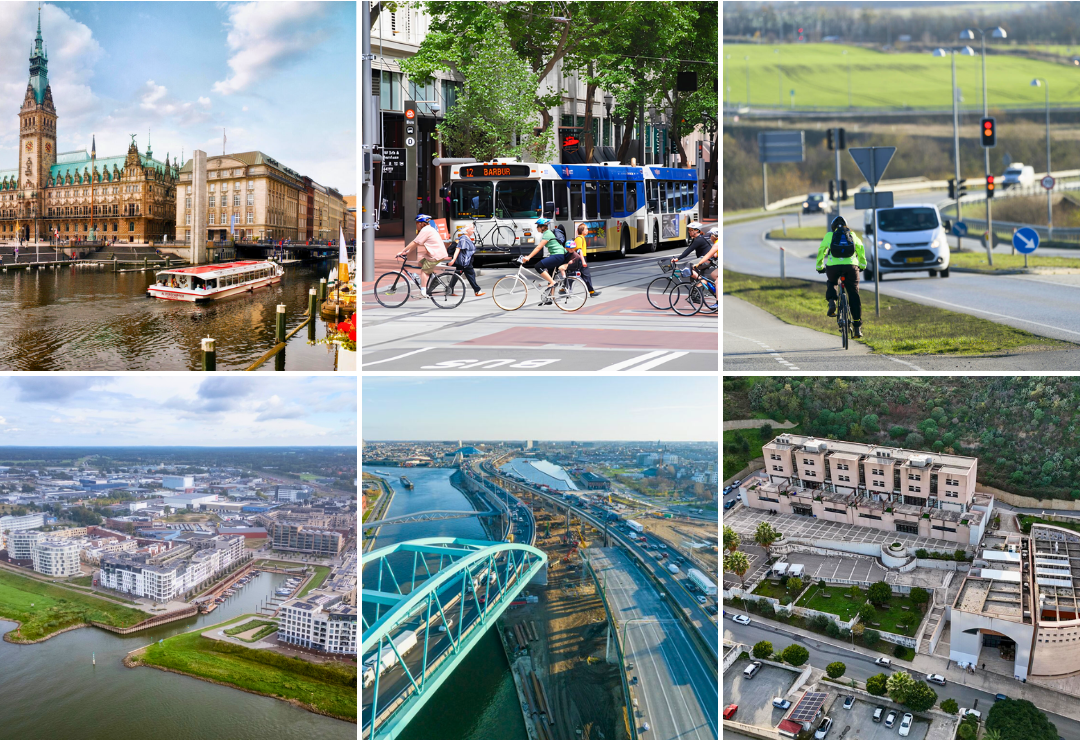
To further foster peer-to-peer exchange, this year we were delighted to welcome the cities of Hamburg and Portland, the regions of Central Denmark and Stedendriehoek, and associate members Lantis and DIIES – Mediterranea University of Reggio Calabria to our growing community of cities, regions, and related entities.
From infrastructure development and academic research to regional transport planning, road safety, and active mobility, our newest members bring a wealth of knowledge and experience to the network.
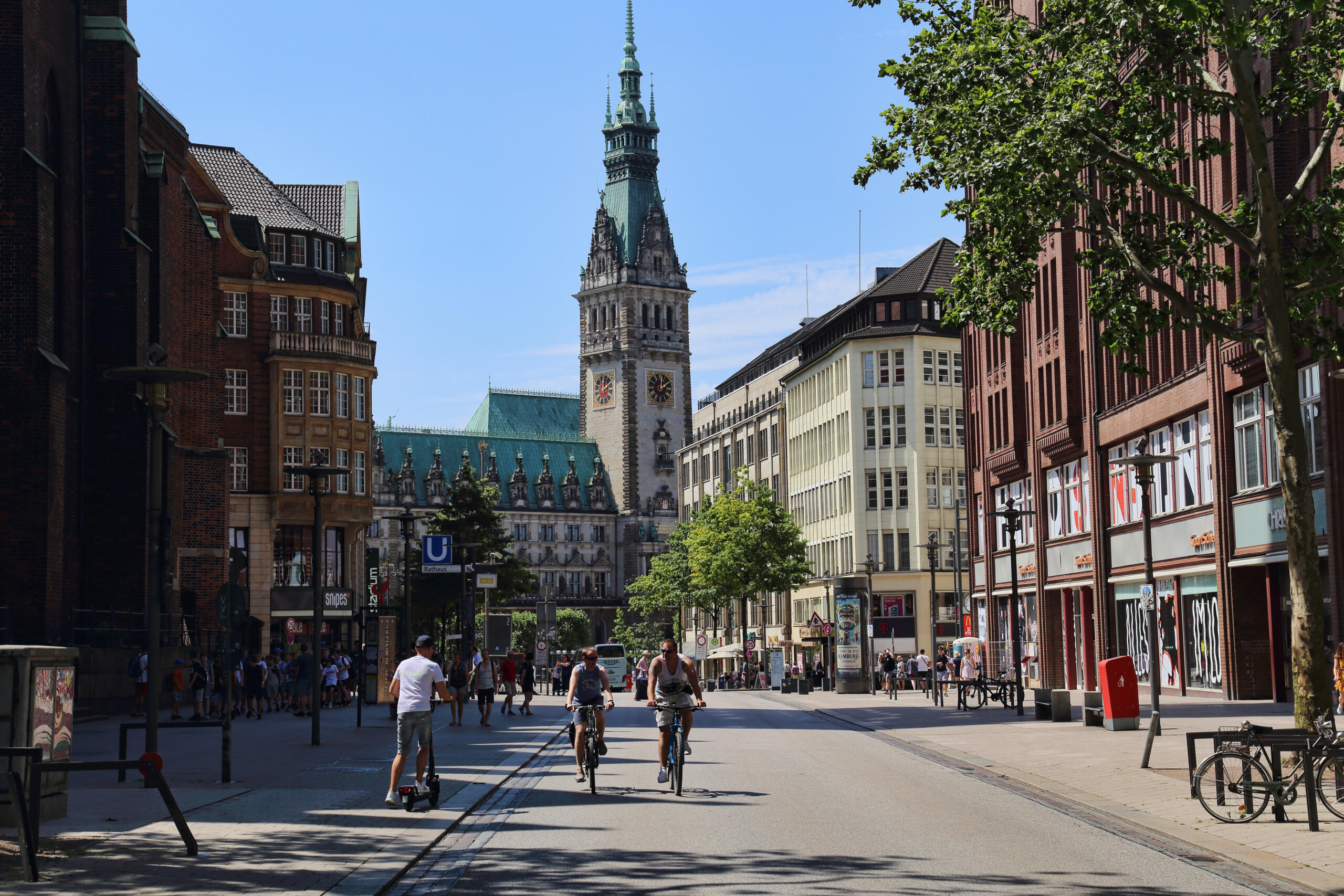
Cyclists in the main shopping street Monckebergstrasse of Hamburg, Germany — Credit: Shutterstock
Two cities and two continents: Hamburg and Portland
Hamburg joins POLIS with a wealth of experience in integrated and sustainable mobility planning. As one of Europe’s major transport hubs, Hamburg is working to balance accessibility and economic activity with climate, environmental, and quality-of-life objectives. Its Ministry of Transport and Mobility Transition (BVM) takes a broad approach to this challenge, combining traffic and infrastructure data, modelling, strategic planning, and digital solutions. Within POLIS, Hamburg actively contributes to several working groups and task forces, including those focused on parking, clean vehicles and air quality, active travel and health, governance and integration, smart mobility, and climate-neutral cities.
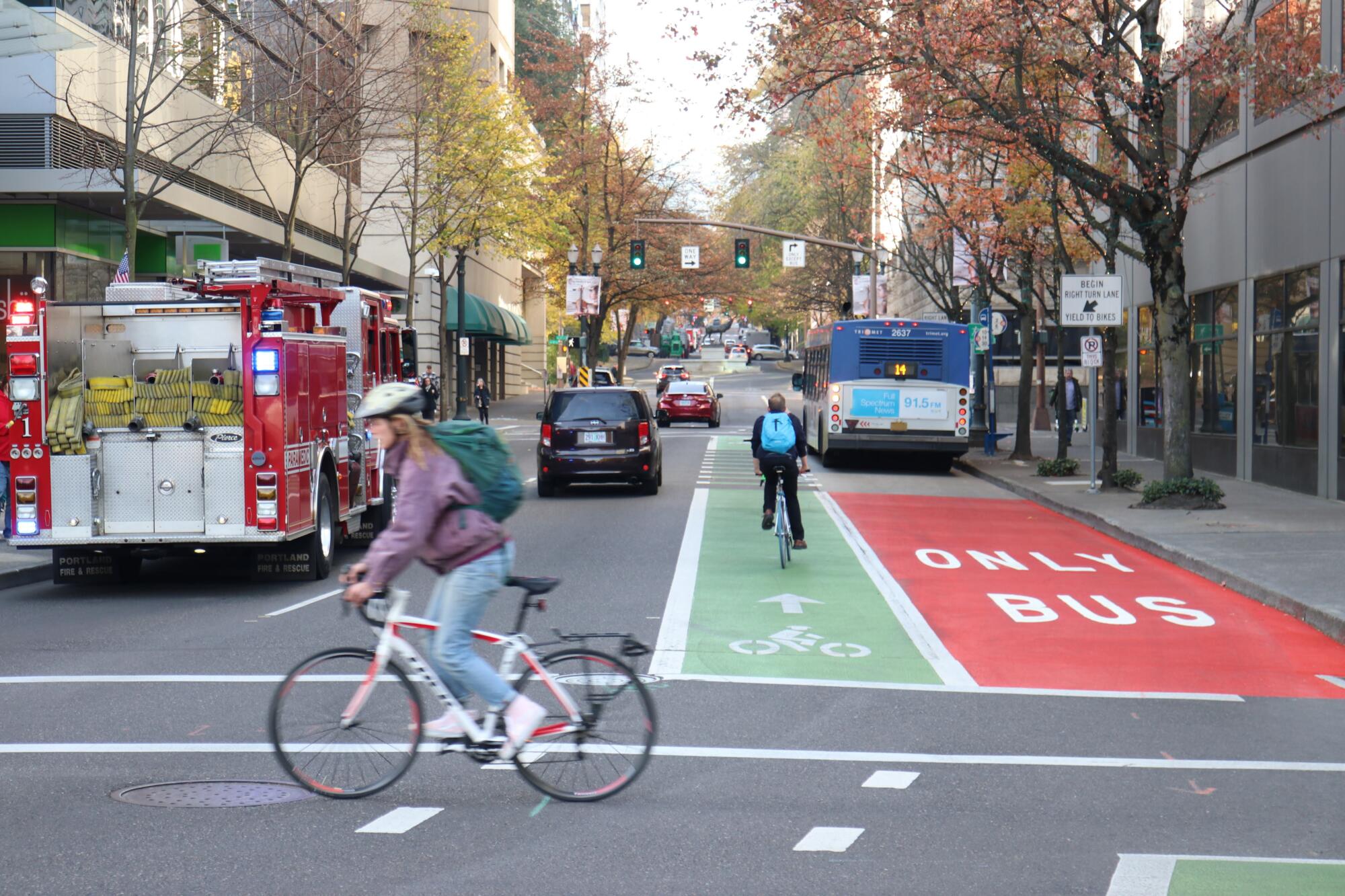
Portland, Oregon, joins POLIS as the network's first North American member city, with a long history of putting people at the centre of transport planning. The City of Portland’s Bureau of Transportation (PBOT) works across walking, cycling, public transport, road safety, freight, and climate action, with the aim of creating a transport system that is safer, more sustainable, and accessible to all. The city’s work on active mobility and its Vision Zero approach have helped establish Portland as an important voice in discussions around safe and sustainable urban mobility.
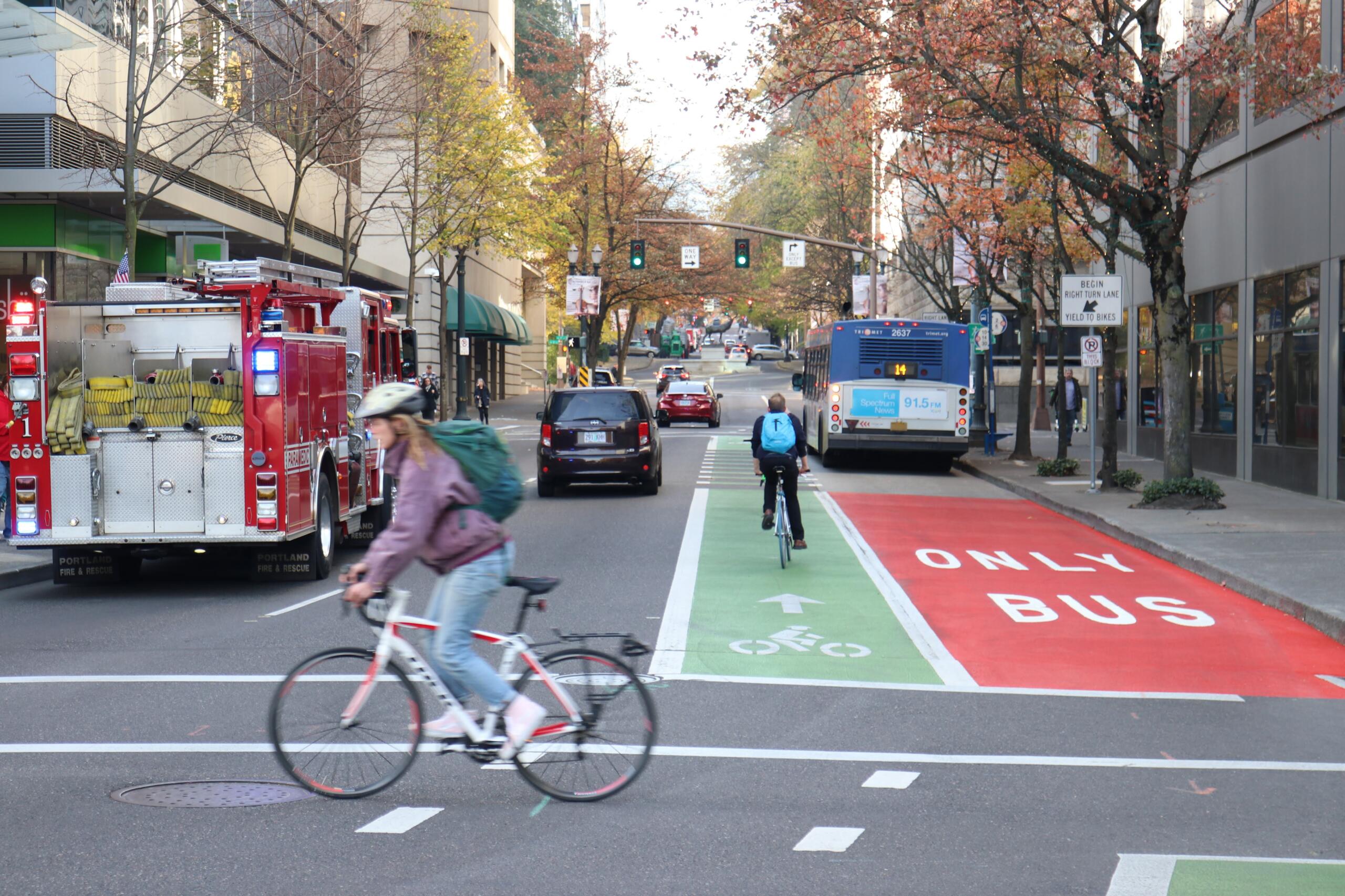
Cyclists passing by in Portland, Oregon — Credit: PBOT
Beyond borders: Central Denmark and Stedendriehoek regions
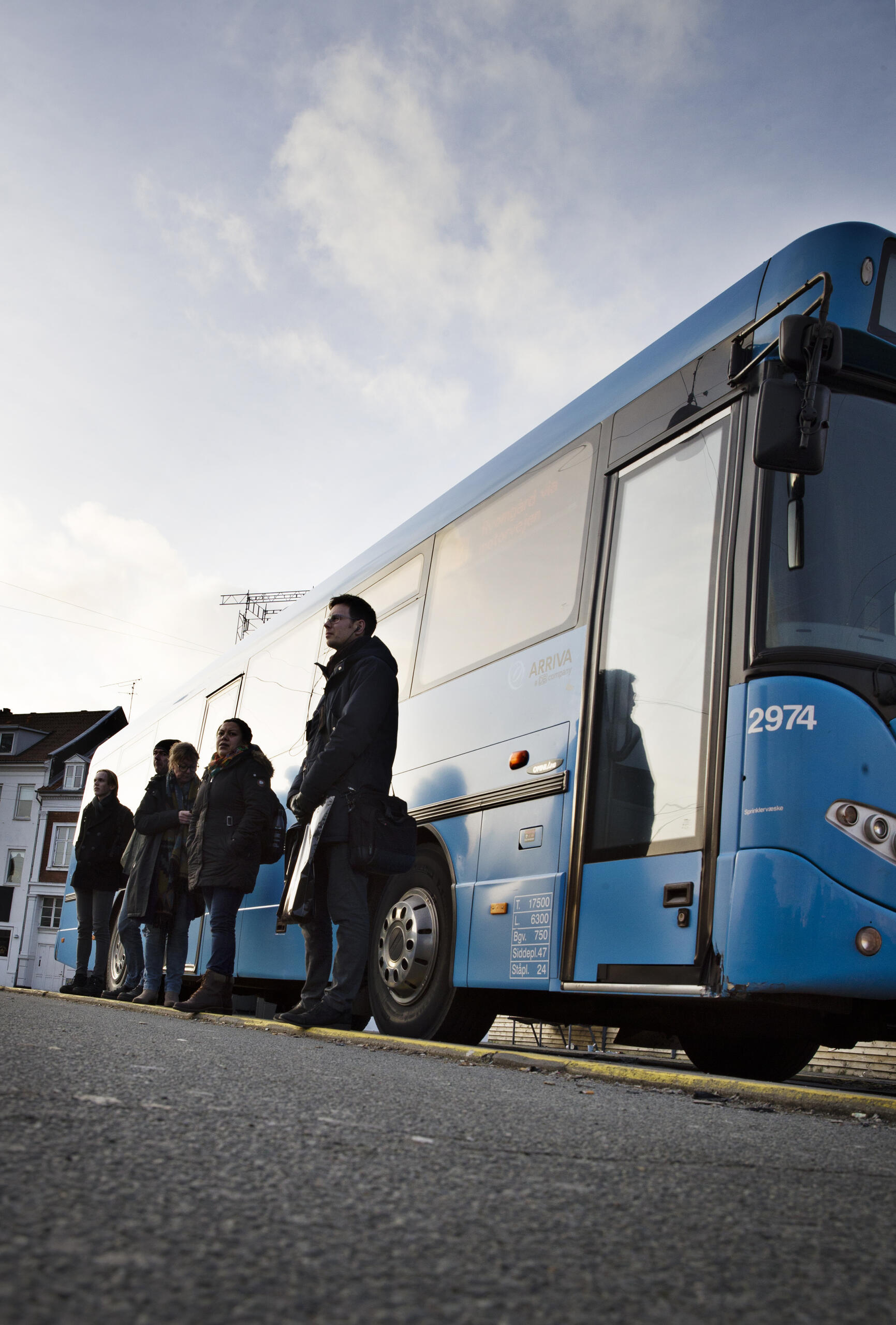
Midttrafik bus from Aarhus to Hadsten in Central Denmark — Credit: Niels Åge Skovbo
Sustainable mobility does not stop at city boundaries. Our member regions bring invaluable perspectives to the network, highlighting the importance of cooperation between municipalities and across administrative borders.
Central Denmark Region plays a key role in connecting cities, towns, and rural communities across the region. As a regional authority responsible for public transport across municipal boundaries, it works to provide accessible and sustainable mobility for residents, commuters, and visitors. Its work spans regional bus services, Aarhus Light Rail, cycling, carpooling, shared mobility, and the transition towards cleaner transport. The region also participates in national and European projects aimed at developing and scaling innovative mobility solutions.
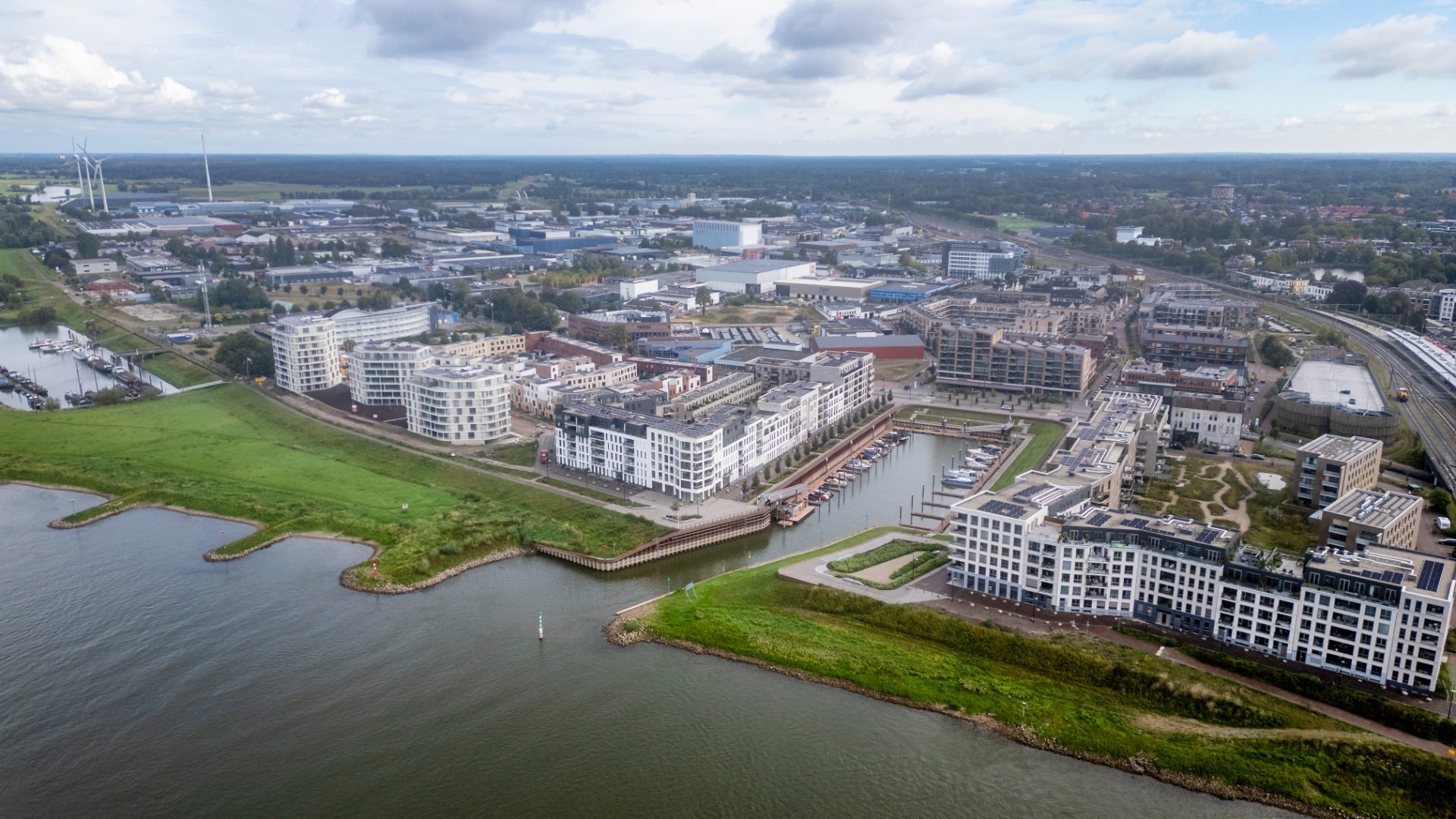
The Stedendriehoek region is a strategic partnership in the Netherlands spanning two provinces, Gelderland and Overijssel. The region brings together eight municipalities: Apeldoorn, Deventer, Zutphen, Brummen, Epe, Heerde, Lochem, and Voorst. With a population of more than 447,000 residents, the partnership aims to strengthen regional development by focusing on key priorities such as economic growth, housing, accessibility, and sustainability, including the energy transition. Mobility and logistics are among the region’s main priorities, particularly given its strategic location along the TEN-T North Sea–Baltic corridor.
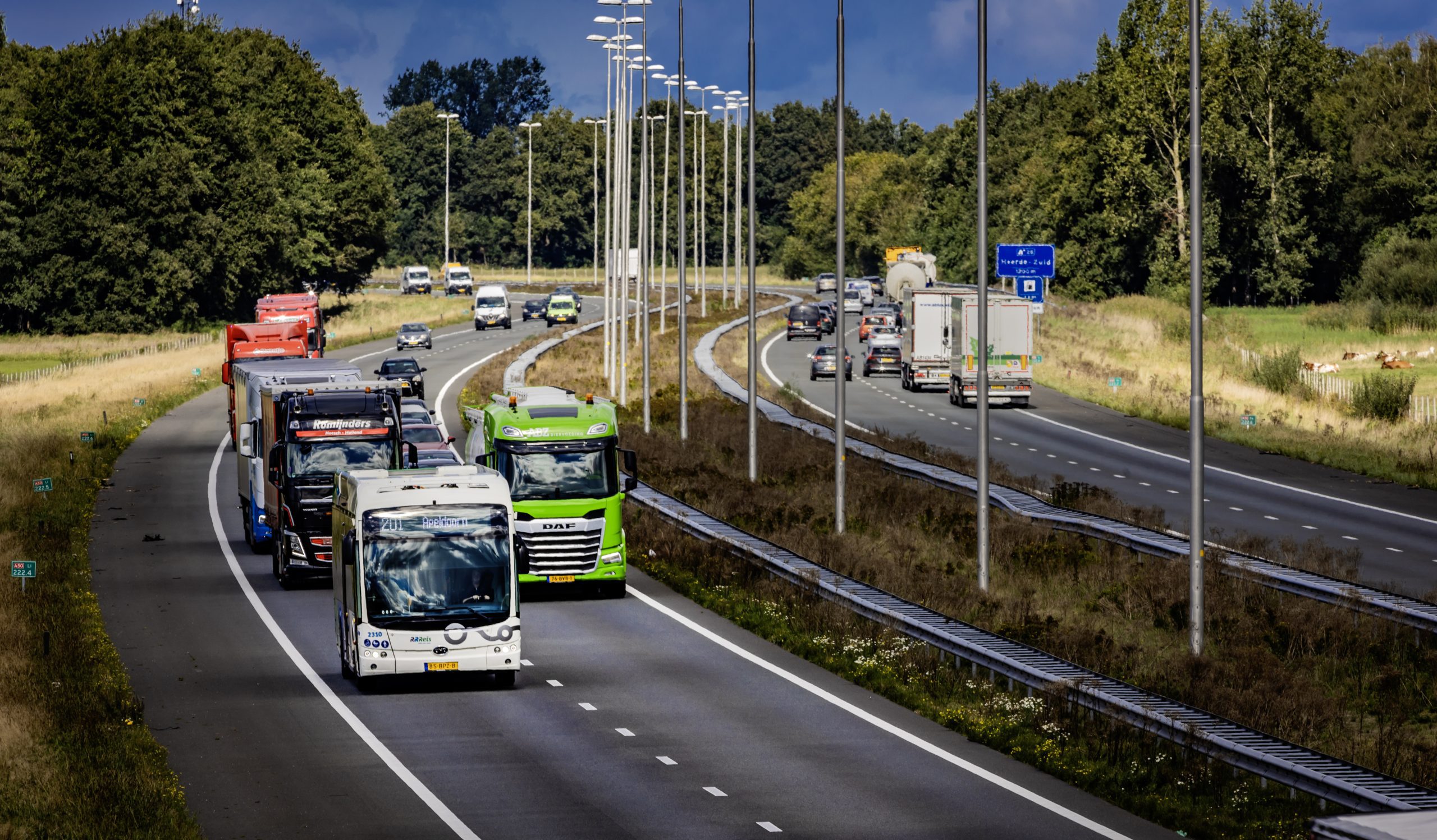
Public transport bus on the A50 motorway in Stedendriehoek — Credit: Stedendriehoek Region
Bridging research and action: DIIES and Lantis
Finally, we are delighted to welcome two new associate members, bringing additional expertise from research and infrastructure development into the POLIS community.
The Department of Information, Infrastructure and Sustainable Energy Engineering (DIIES) at Mediterranea University of Reggio Calabria brings a strong academic and multidisciplinary perspective. The department brings together expertise in civil, industrial, and information engineering, with research covering areas including smart systems, ICT infrastructure, transport, energy, and sustainability. This multidisciplinary approach is increasingly important as mobility becomes more closely connected to digitalisation, energy, data, and infrastructure. DIIES therefore offers valuable opportunities to strengthen the links between academic research and the practical challenges faced by cities and regions.
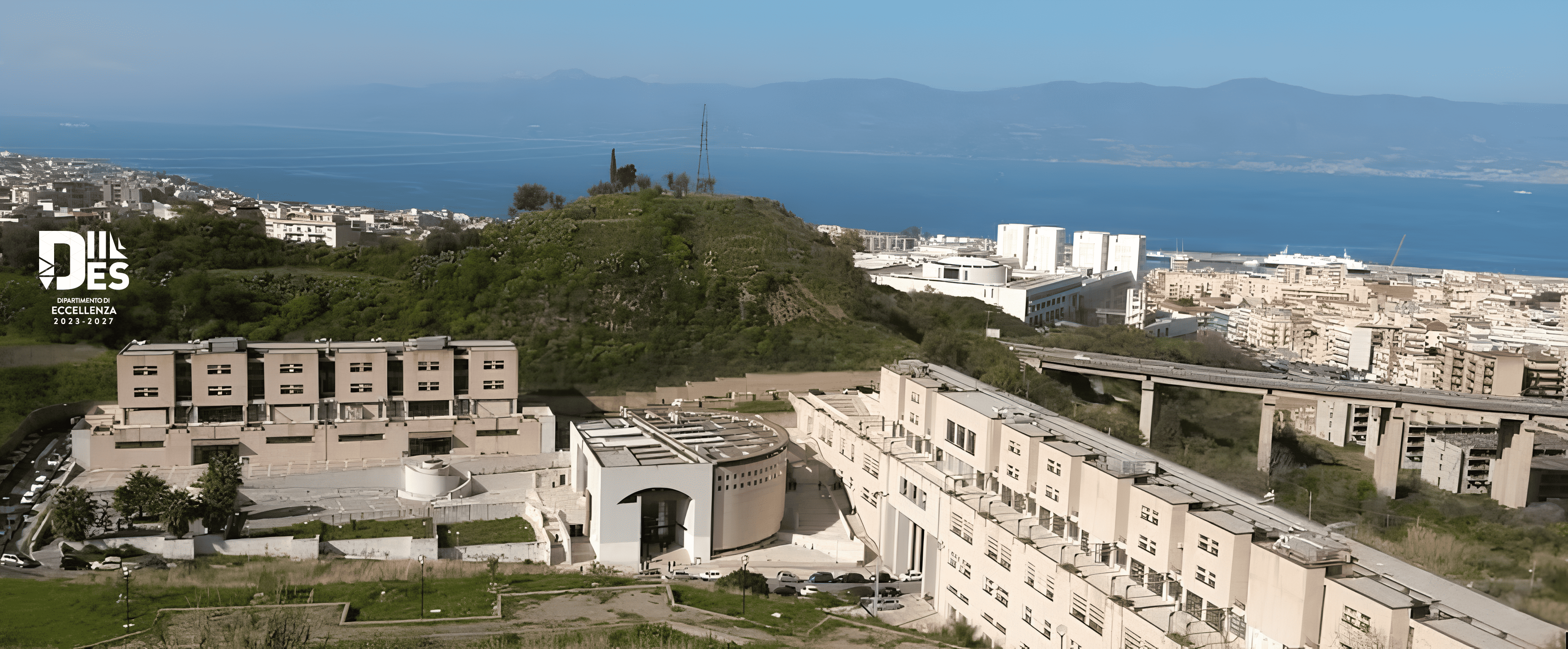
— Credit: DIIES
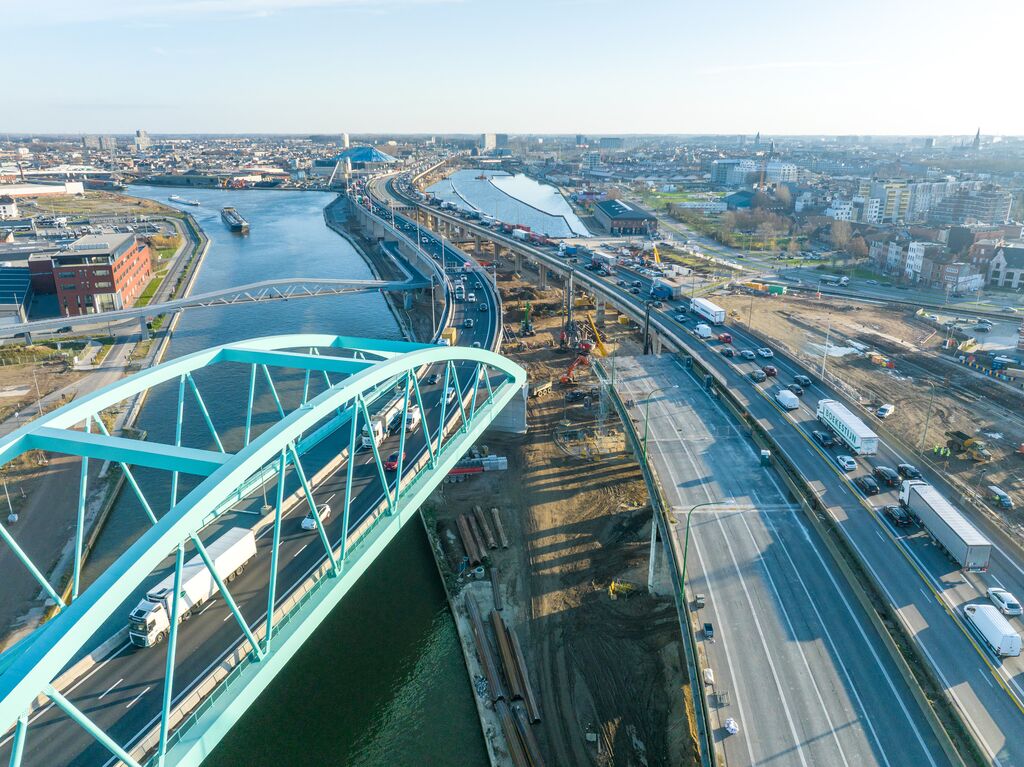
As a public infrastructure developer in the Antwerp Metropolitan Region, Lantis is involved in some of the region’s most ambitious mobility and infrastructure projects. Its work goes beyond the delivery of infrastructure, with a strong focus on creating a more connected, sustainable, and liveable region. Lantis is closely involved in the implementation of Routeplan 2030 and works on issues including multimodal mobility, infrastructure, digitalisation, and urban liveability. Its experience demonstrates the importance of considering infrastructure as part of a wider mobility system – and of ensuring that major projects contribute to broader sustainability and quality-of-life objectives.
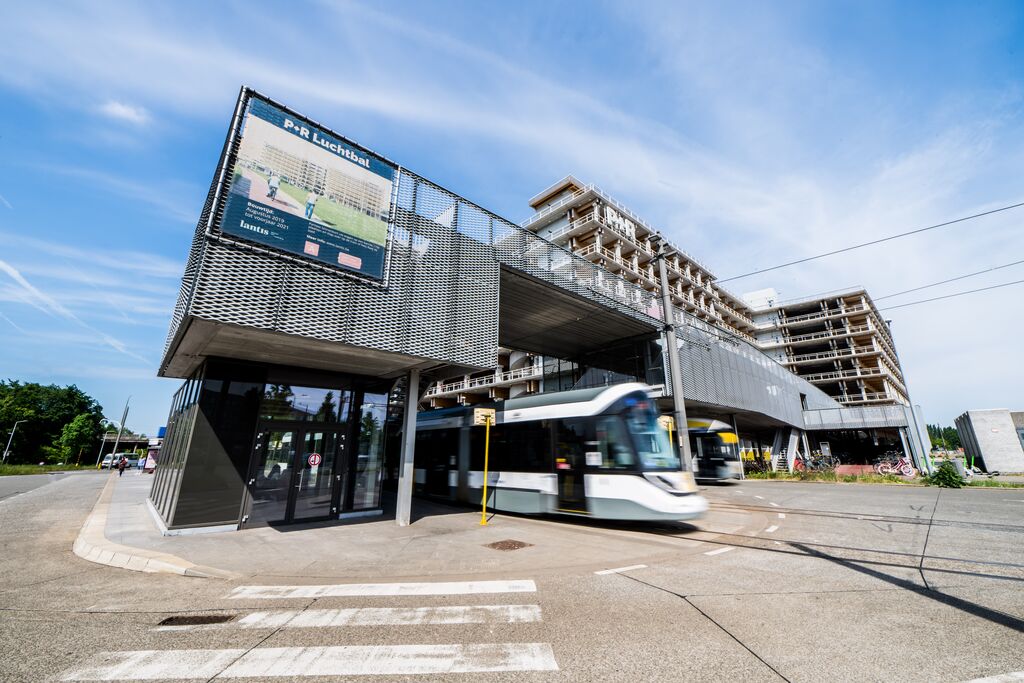
Ijzerlaan cycle bridge in Antwerp, Belgium — Credit: Lantis
About membership
POLIS Membership is open to all European (also non-EU) local and regional authorities including cities, provinces, and regions, as well as to their transport authorities, mobility agencies and local public transport organisations.
Associate Membership is open to entities which are not eligible for full membership such as associations, research centres and universities with an interest in local and regional transport. Associate members do not take part in the internal decision-making process of POLIS and do not vote in the General Assembly.
Non-European cities can become engaged in the network as associated members and link up with their European counterparts via the POLIS Global Platform.
Want to know more? Contact Carlotta Inserra, Membership & Communications Manager, at cinserra@polisnetwork.eu.
- Related Members
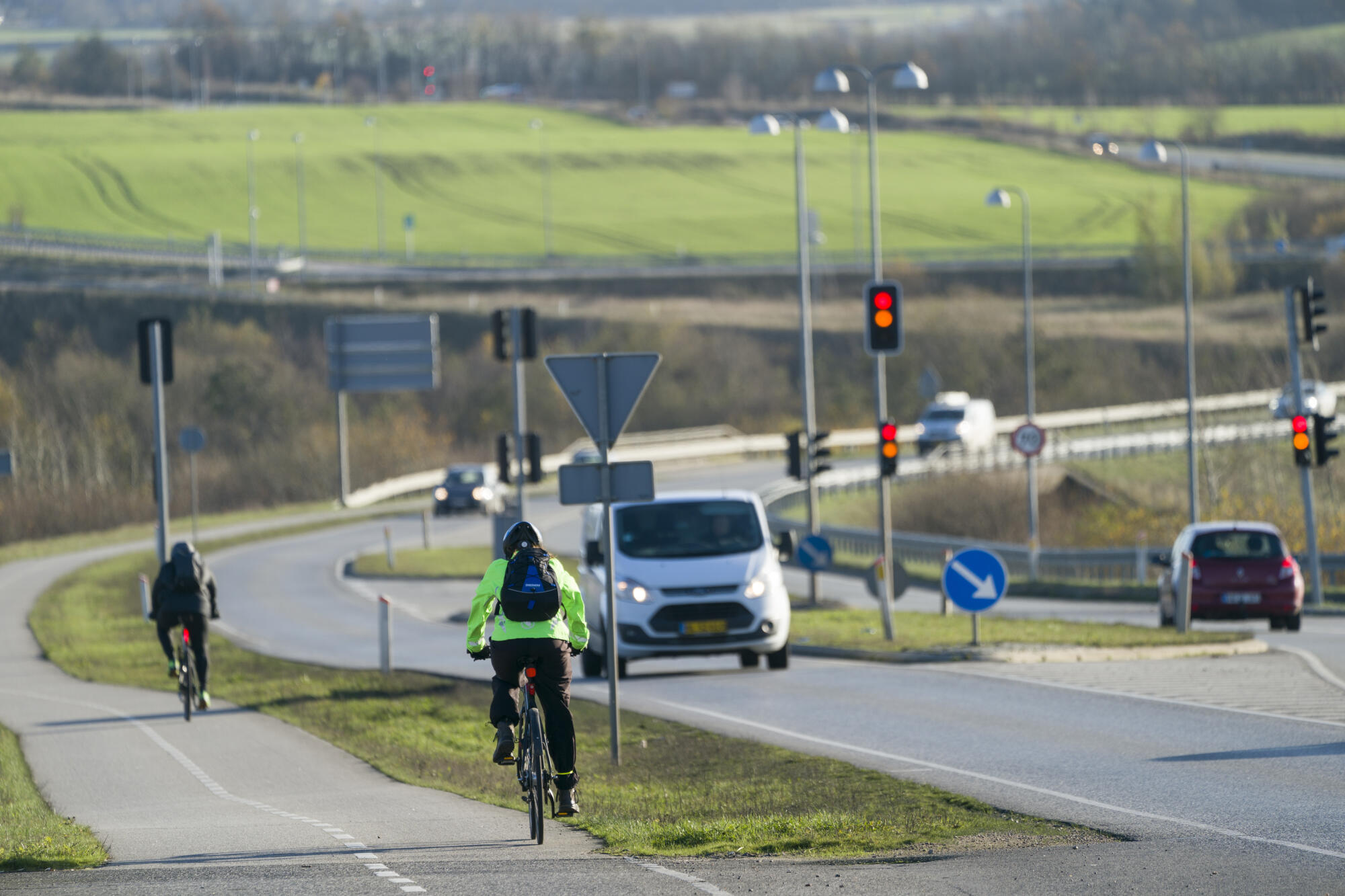
Central Denmark Region

DIIES – Mediterranea University of Reggio Calabria