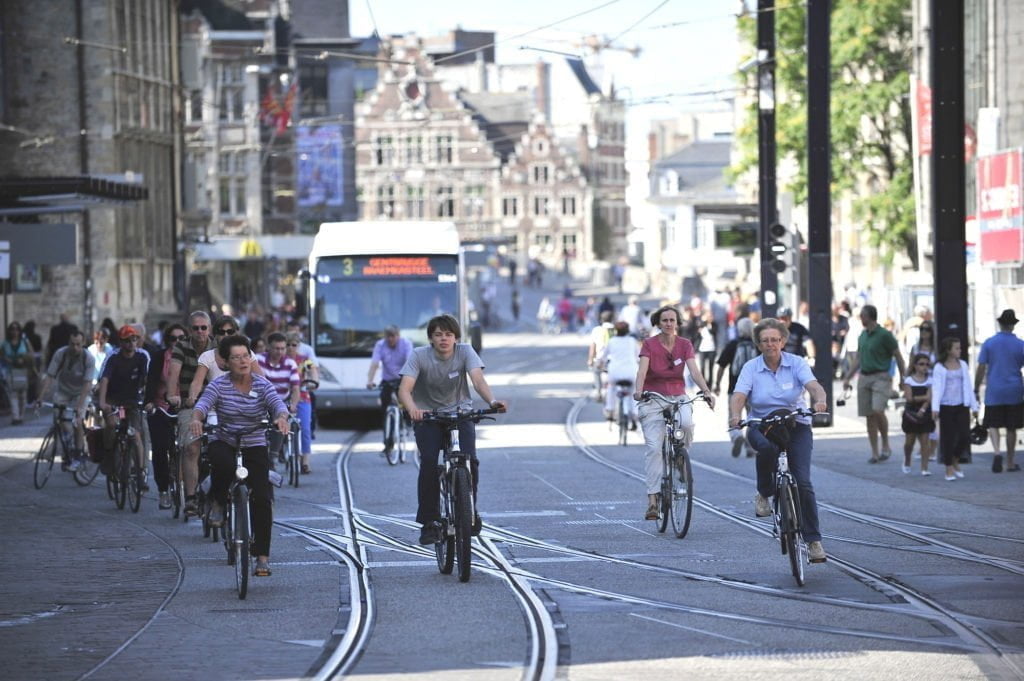
Reggio Emilia explores in-house parking management as part of an integrated mobility strategy
Reggio Emilia has launched a formal assessment into bringing parking management and related mobility services under direct public control, marking a strategic shift in how the municipality approaches urban transport governance.
Following approval by the City Council, the administration will now carry out a technical, economic, and legal evaluation to determine whether an in-house management model could improve coordination across parking, access regulation, shared mobility services, and broader sustainable transport policies.
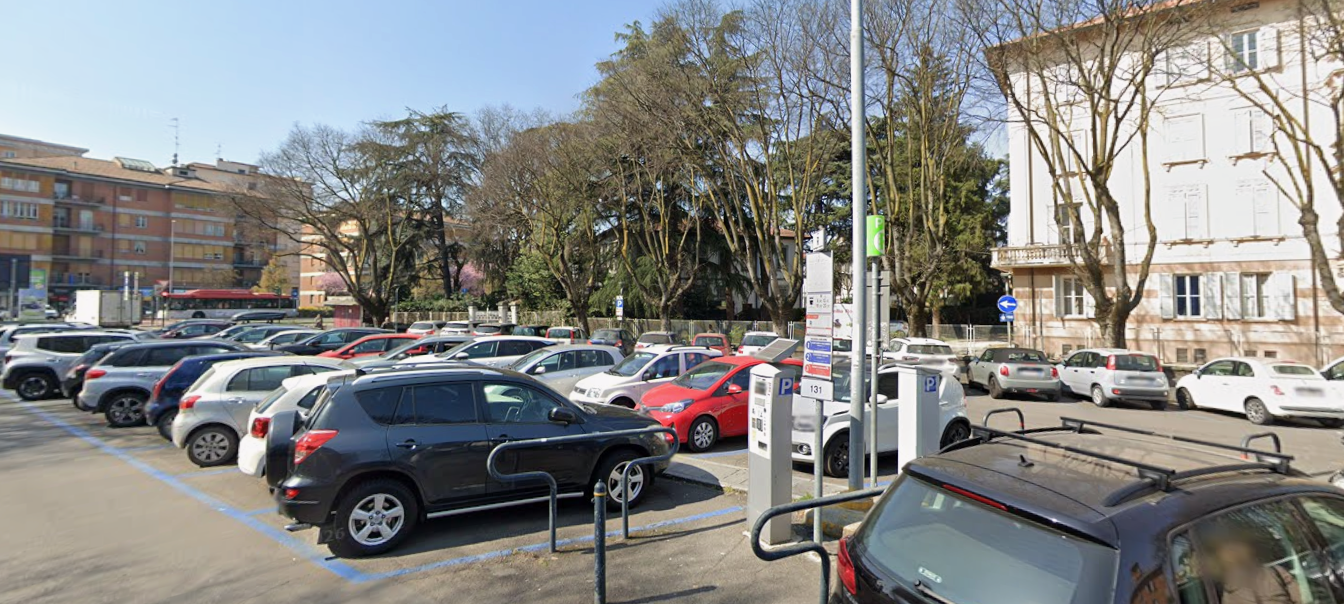
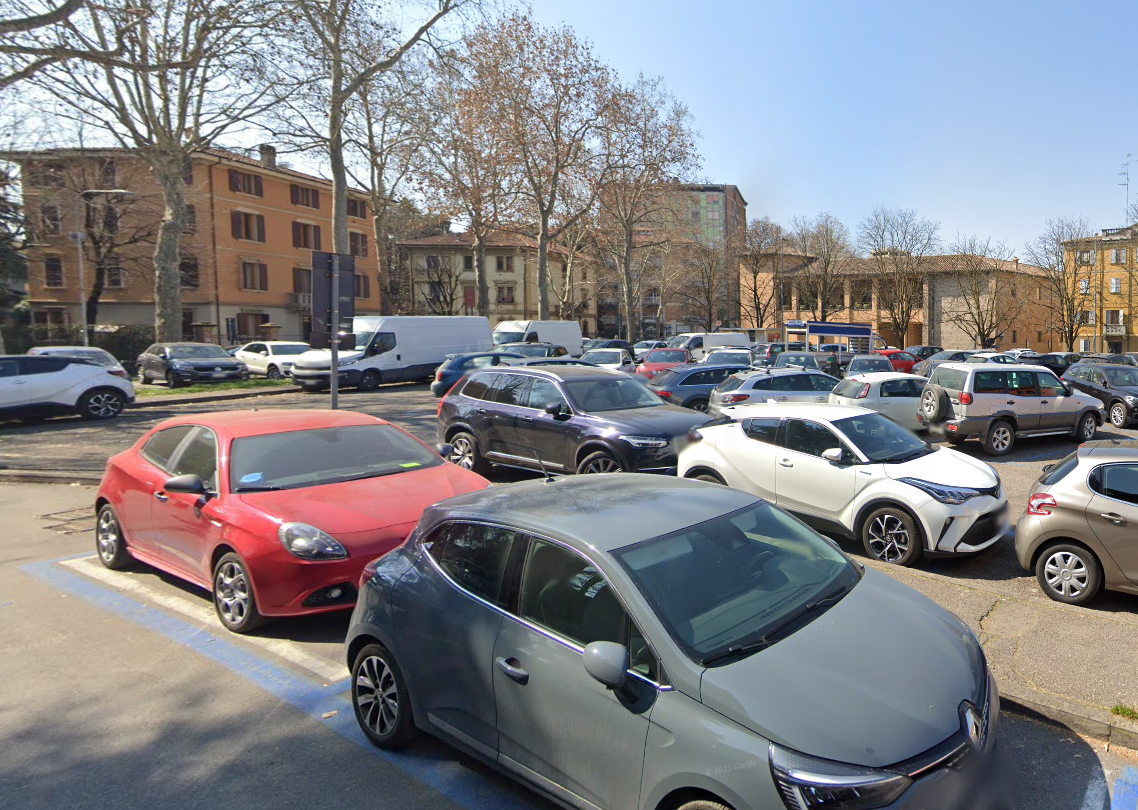
Parcheggio Piazzale Fiume — Credit: Google Maps
The initiative was presented by Deputy Mayor for Mobility Carlotta Bonvicini and reflects a growing view within the municipality that parking should be treated not merely as an operational service or revenue stream, but as a central instrument of urban policy.
'Parking is not only about spaces and tariffs', Bonvicini explained. 'It is a tool through which we manage accessibility, public space, sustainable mobility, the relationship with the historic centre and urban quality'.
From fragmented services to integrated governance
The proposed review comes as Reggio Emilia reconsiders the structure of its mobility services, many of which are currently managed through separate contracts and external arrangements. According to the municipality, this fragmented system has ensured basic functionality but increasingly limits the city’s ability to coordinate transport policy in a unified way.
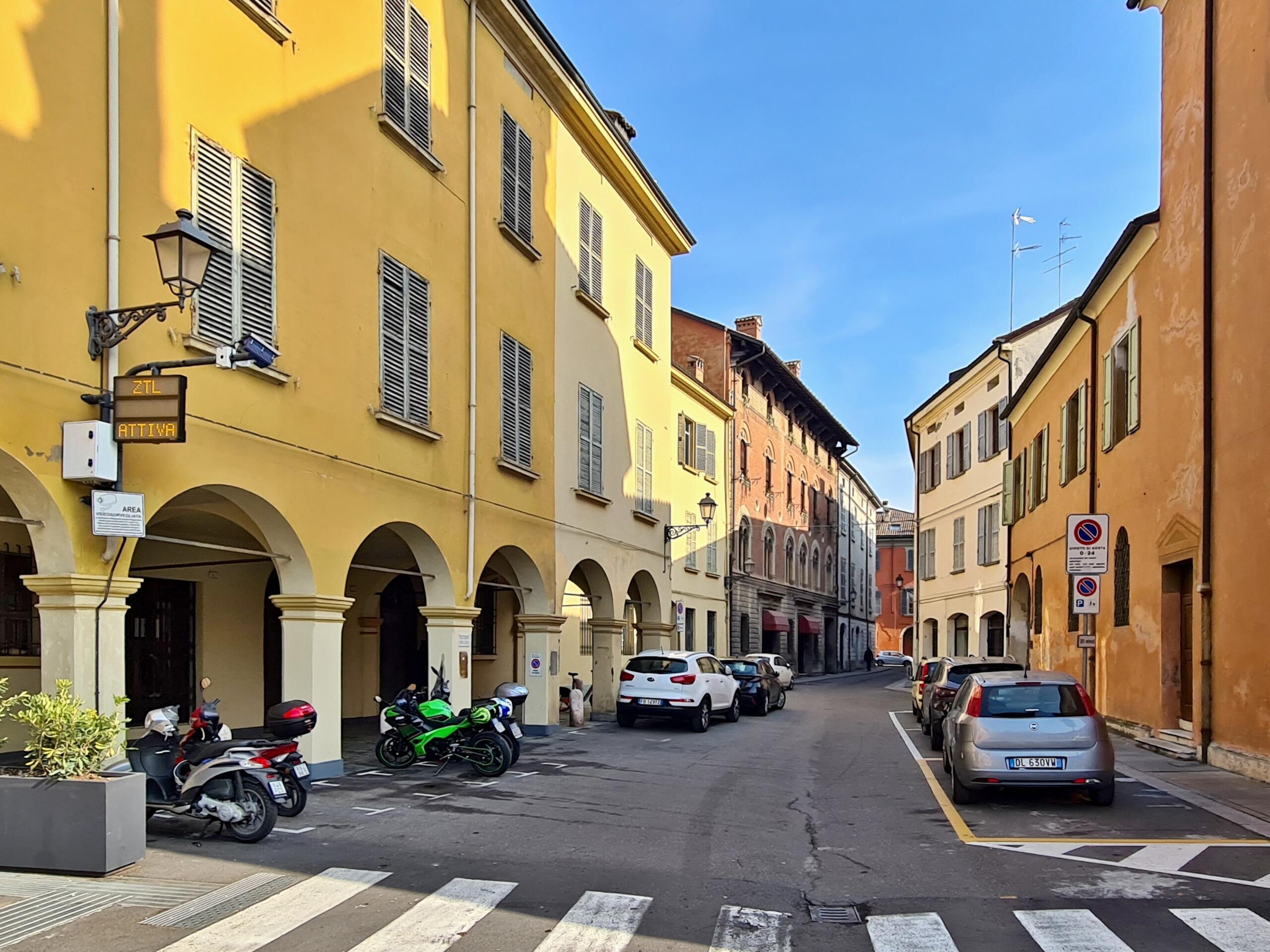
ZTL in Reggio Emilia — Credit: Jaroslav Hruska, Shutterstock
Under the proposed approach, parking management could be integrated with related services such as low-emission zone enforcement, shared mobility systems including bike and scooter sharing, car sharing initiatives, and connections with public transport planning. The municipal consortium ACT, which is publicly owned by local authorities in the Reggio Emilia area—the Municipality of Reggio Emilia holds 38% of the shares, the Province of Reggio Emilia holds 29%, and the remaining shares are distributed among other local municipalities—is among the entities being evaluated as a potential in-house operator.
City officials argue that such integration would provide greater flexibility to align mobility tools with the objectives of the city’s Sustainable Urban Mobility Plan, including reduced car dependency, improved access to the historic centre, and enhanced use of public and shared transport.
Parking as a policy instrument
The initiative reflects a broader shift in European urban mobility thinking, where parking is increasingly viewed as a strategic lever rather than a standalone municipal service. By influencing pricing, availability, and access conditions, parking policy can shape travel behaviour, support modal shift, and reinforce wider environmental goals.
In Reggio Emilia’s case, the municipality explicitly links parking governance to a wider set of urban priorities: improving accessibility to key destinations, managing demand between residents and commuters, supporting local commerce, and reallocating public space toward more sustainable forms of mobility.
Deputy Mayor Bonvicini emphasised that the objective is not simply administrative efficiency, but a stronger policy alignment across the city’s mobility system. The municipality argues that a more unified governance structure could better support long-term transitions in travel behaviour and urban design.
Legal and economic assessment ahead
The decision taken by the City Council initiates a structured assessment phase required under Italian public procurement rules. This process will examine the legal feasibility of an in-house model, its economic sustainability, and its comparative performance against market-based alternatives.
Key elements of the evaluation will include the identification of a suitable managing entity, verification of in-house compliance requirements, and the development of a detailed financial and operational plan. The assessment will also consider whether consolidating services under a publicly controlled structure would improve efficiency and policy coherence.
The current concession arrangements for parking management have been temporarily extended until the end of 2026 to allow sufficient time for the evaluation and potential transition.
Part of a wider European governance trend
Across Europe, the municipalisation of parking and mobility services has unfolded over several decades, with cities progressively shifting from fragmented or concession-based models toward consolidated public control. This evolution is best understood as a staged institutional transition rather than a single reform moment.
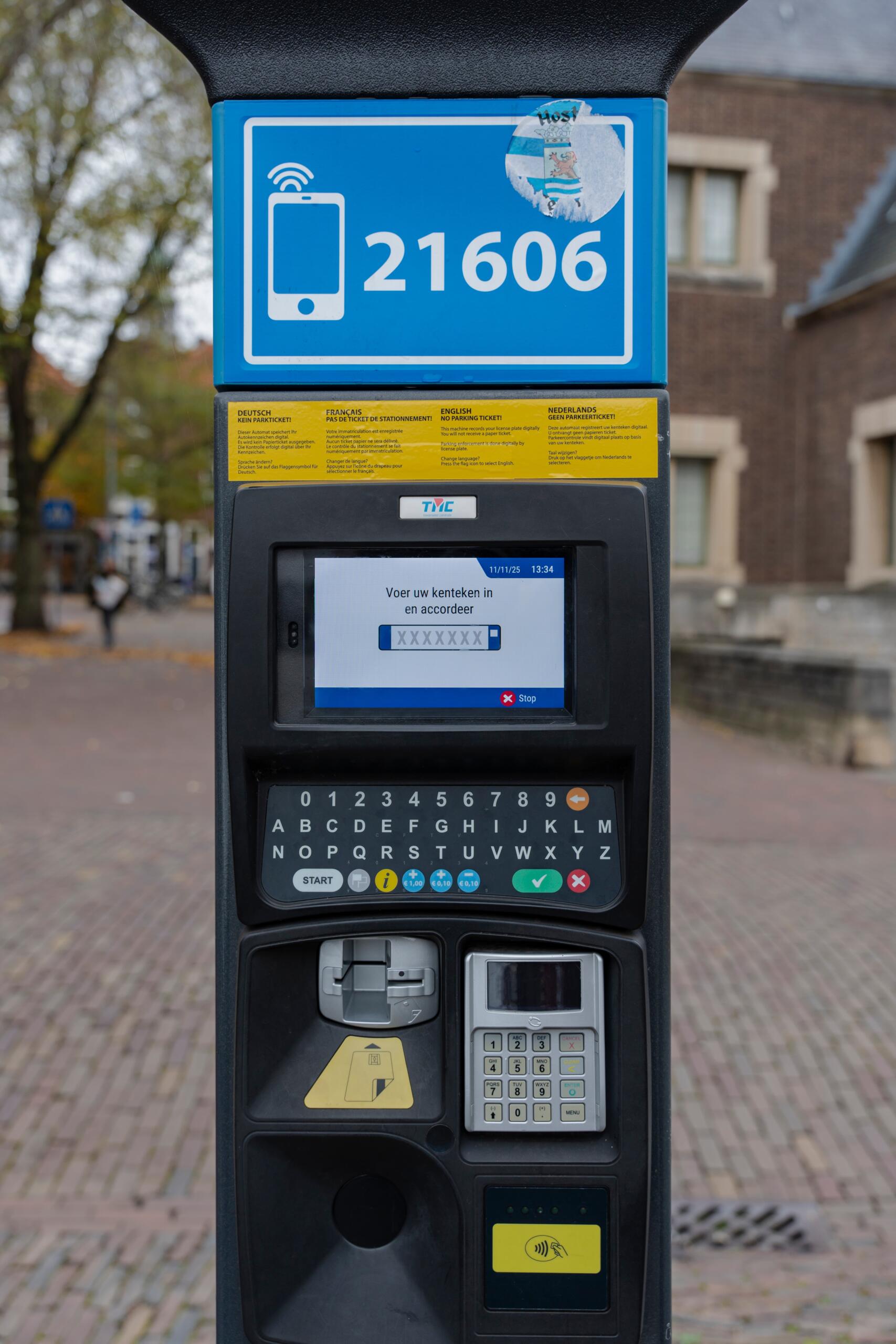
Public parking metre in Amsterdam — Credit: jhxfilm, Shutterstock
The earliest large-scale structural consolidation is visible in Barcelona, where the creation of B:SM in 1985 established a unified municipal holding structure for parking and related urban services. This model was progressively expanded in the early 2000s, when parking operations were fully centralised under public ownership and integrated with unified pricing and enforcement systems. This represents an early prototype of the 'single municipal operator' model that later cities would replicate in different forms.
In Amsterdam, a more technologically driven transition occurred between 2013 and 2016, when parking enforcement and permit systems were fully digitised and integrated into a single municipal database. This shift enabled direct public control over enforcement infrastructure, eliminating dependence on fragmented external operators and allowing parking policy to be dynamically aligned with cycling expansion and urban space reallocation.
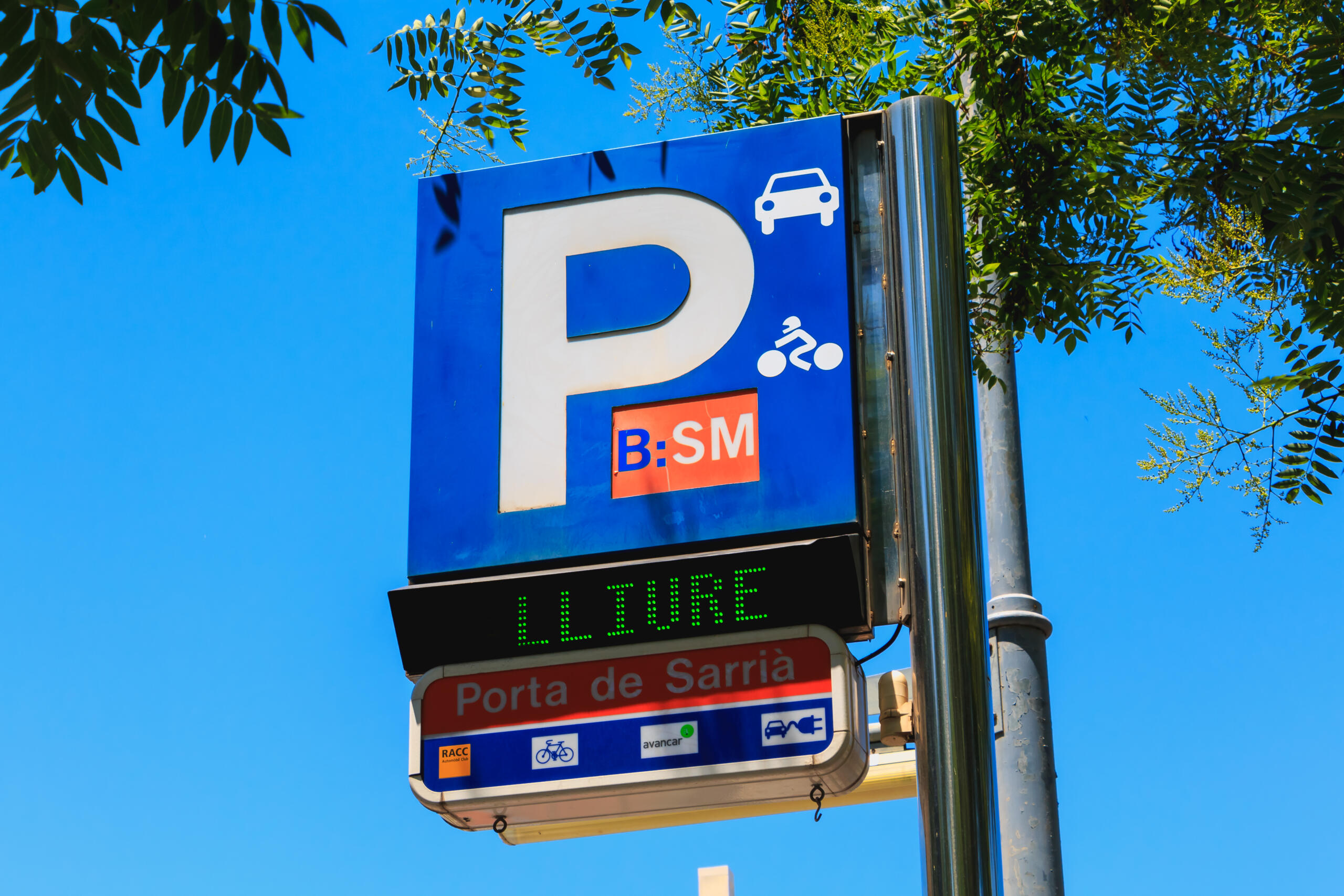
Car and motorbike parking in Barcelona — Credit: Pierre-Olivier, Shutterstock
Ghent represents a later governance-led transformation. Between 2016 and 2017, the city consolidated parking governance and implemented its circulation plan, reorganising access to the city centre into controlled zones. The key structural feature here was not only policy ambition, but institutional capacity: unified municipal control over parking enabled immediate reconfiguration of traffic flows without contractual constraints from private operators.
Paris followed in 2018 with a legal-administrative shift at the national level through the decriminalisation of parking enforcement. This reform transferred parking control from national judicial mechanisms to municipal administrations, significantly increasing local autonomy over pricing, enforcement intensity, and space allocation. It enabled cities like Paris to treat parking explicitly as a climate and spatial policy tool rather than a regulatory fine system.
More recent developments, such as Reggio Emilia’s current transition process, reflect the next phase of this trajectory: formal in-house feasibility assessments under public procurement law. Here, the focus is no longer on whether public control is desirable, but on how municipalities can legally and financially restructure service delivery within existing regulatory frameworks by consolidating parking, access regulation, and shared mobility under publicly governed entities.
- Related Members