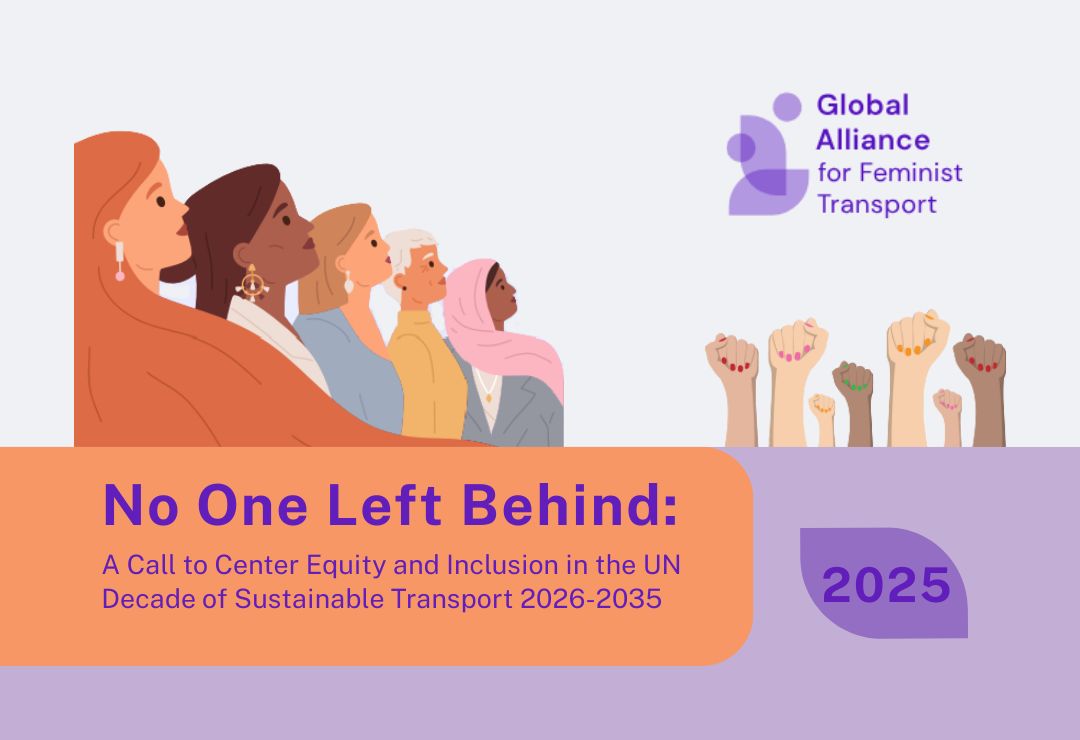
POLIS co-signs Call for Impact to Centre Equity & Inclusion in the UN Decade of Sustainable Transport
The Call for Impact to Centre Equity & Inclusion advocates for the involvement of women and marginalised groups in the upcoming UN Decade of Sustainable Transport (2026-2035), bringing social justice and inclusion to the forefront of transport policies. POLIS is proud to co-sign the call and join this growing alliance for gender-transformative mobility.
The UN Decade on Sustainable Transport, a global initiative led by the United Nations, aims to transform the transport sector into a more environmentally sustainable, socially just, and economically efficient system. It highlights the essential role of transport in achieving the Sustainable Development Goals (SDGs) and promotes collaboration on clean, inclusive, and resilient mobility systems.
However, to serve as a genuine driver of social transformation, the Decade must go beyond environmental objectives. It must ensure the meaningful inclusion of women, caregivers, and marginalised communities in the design of future mobility systems. Truly sustainable transport must also be equitable, safe, and inclusive. Embedding gender-transformative principles into transport policy, planning, implementation, and funding is essential to ensure no one is left behind.
In this context, the Global Alliance for Feminist Transport has issued a Call for Impact to Center Equity & Inclusion in the UN Decade of Sustainable Transport, urging concrete gender-transformative action across all future mobility efforts. POLIS stands in full support of this initiative, advocating for transport systems that prioritise dignity, safety, and fairness.
'No One Left Behind'
Current mobility systems often reinforce gender disparities, frequently neglecting the specific needs and concerns of women, children, the elderly, and people with disabilities. Addressing these gaps through gender-transformative measures not only promotes equity but also leads to more sustainable, efficient mobility outcomes.
The Call for Impact outlines ten strategic objectives to create transport systems that work for everyone:
- Institutionalise gender equity and mandate gender mainstreaming across transport governance, education, and professional training to enable transformative change.
- Ensure equitable and affordable access by removing physical and invisible barriers that hinder accessibility in transport, especially in low-income or rural areas.
- Recognise mobility of care and implement care infrastructure and inclusive mobility for all
- Guarantee safe mobility by recognising safety as a fundamental right for all users and implementing policies and technologies that can address gender-based violence
- Promote just and dignified jobs for transport workers by ensuring fair wages, decent working conditions, and inclusive hiring practices
- Build climate-resilient transport systems that are adaptive and ready for crisis, and safeguard vulnerable communities relying on public transport
- Foster female leadership and decision-making to support women’s advancement in the sector
- Use digitalisation and gender-disaggregated data to inform inclusive and evidence-based transport planning that reflects real and specific needs
- Involve marginalised voices in planning, implementation, and evaluation by establishing participatory planning models
- Secure dedicated financing of gender-transformative transport programs to promote gender equality and social inclusion and actively dismantle access barriers.
Working for inclusive transport
Sustainable transport must begin with inclusion and social equity. Centring those who have long been left behind is essential to achieve this.
POLIS acknowledges the persistent structural barriers and stereotypes that have shaped transport planning. As part of its longstanding commitment to gender-inclusive urban mobility, POLIS is proud to endorse the Call for Impact and continue advocating for gender mainstreaming in the transport sector.