New ILC report makes case for healthier, fairer transport systems in an ageing Europe
The International Longevity Centre (ILC) has released a new report, 'Going the distance: reimagining health across the 100-year life in Europe', which explores what it will take to support longer, healthier lives across the continent.
While the focus is broad—ranging from healthcare systems to workplace policies—the report also touches on the important, if sometimes overlooked, role of transport and mobility in achieving this vision.

ILC Conference in Brussels
Transport is one of the fastest-growing sources of emissions in Europe, with vehicle-related air pollution contributing to an estimated 300,000 premature deaths annually. Yet, as the ILC notes, transport can also be part of the solution. Enabling active mobility—such as walking and cycling—and improving access to affordable, clean public transport can significantly reduce chronic disease risk, improve mental health, and support environmental goals.
As Europe’s population ages, it will become increasingly important to ensure that people remain active, connected, and independent. The report points to strong evidence: individuals who walk or cycle to work face up to 45% lower risk of developing heart disease or cancer. At the same time, sedentary work—especially common in the transport and logistics sectors—is linked to high rates of work-related illness and early retirement, placing added strain on healthcare systems.
Mobility policies to benefit all
The ILC calls for greater integration between health, planning, and mobility policies, with a focus on inclusive and accessible transport systems that benefit all age groups and communities.
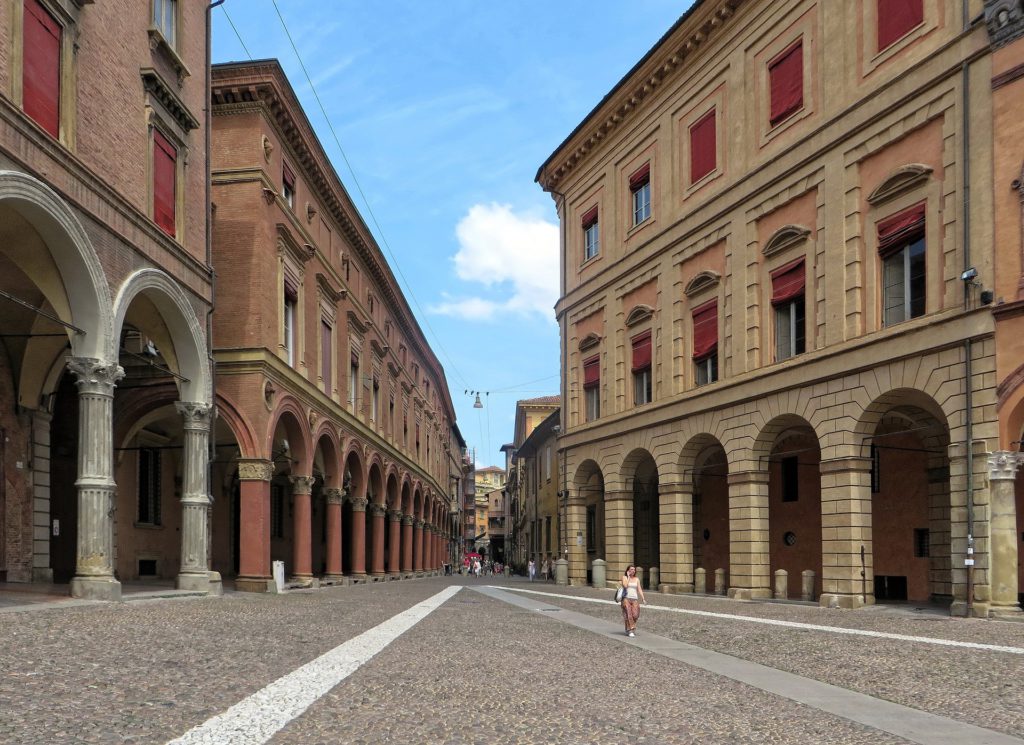
Cities across Europe are responding. POLIS members Lisbon and Bologna have introduced new cycling infrastructure and financial incentives for bike purchases, while Copenhagen’s Superkilen Park shows how urban design can integrate mobility with community, accessibility, and green space. However, the ILC warns that progress is uneven and that older people, women, and low-income groups still face disproportionate barriers to safe, sustainable transport.
To unlock the benefits of longer, healthier lives, the report calls for greater investment in:
- Active travel infrastructure, such as safe cycling lanes and walkable neighbourhoods
- Accessible, age- and disability-friendly public transport systems
- Policies that reduce car dependency and promote clean air
- Inclusive urban planning that connects mobility to housing, health, and wellbeing
As Europe prepares for an ageing population and increasing climate pressures, the message is clear: healthier mobility is not a luxury, but is a necessity!
Read 'Go the distance' now!

- Related Members