
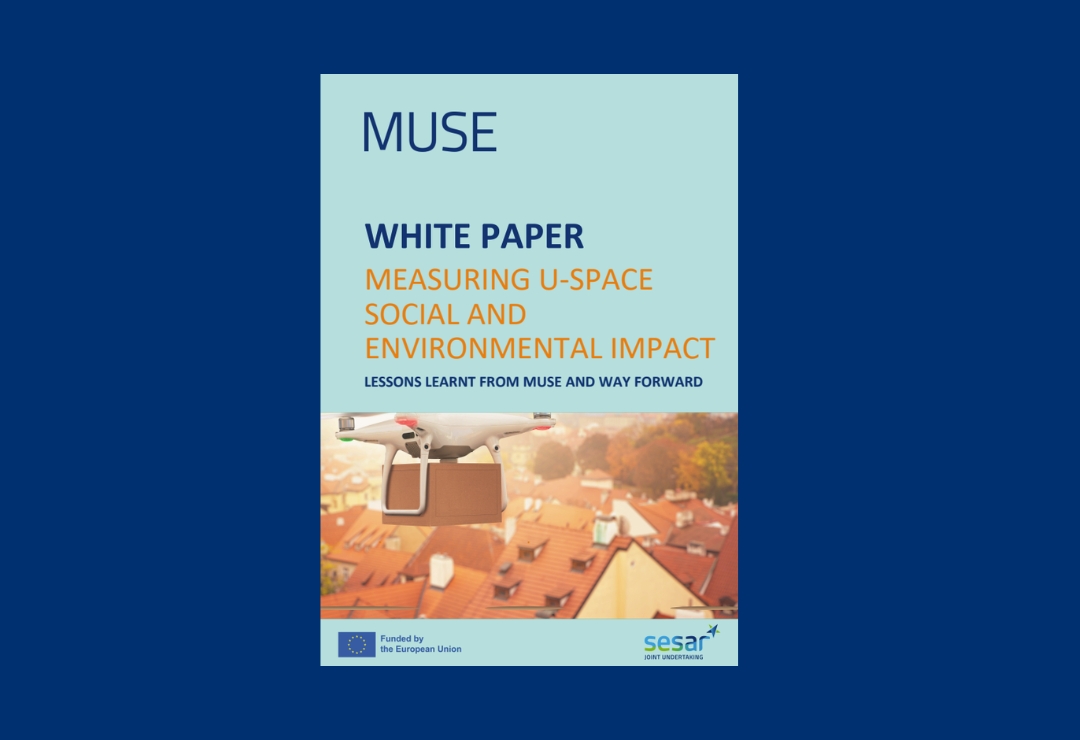
MUSE publishes its White Paper: Measuring U-space Social and Environmental impacts – Lessons learnt from MUSE and Way forward
The deployment of U-space promises to unlock the potential of the drone economy and enable urban air mobility (UAM) on a wide scale. A variety of use cases, such as medical and emergency transport, delivery of goods, and passenger transport services, will accelerate the development of new technologies and lead to the creation of high-quality jobs. But their impact on the quality of public spaces and citizens’ living conditions is still not well integrated in the technology development process. Building on existing generic indicators, the MUSE project advances understanding of the interplay between UAM’s concept of operations (e.g., geofencing, route design, allowed traffic density), drones’ visual and noise footprint, and citizens’ spatial behaviour and use of public space.
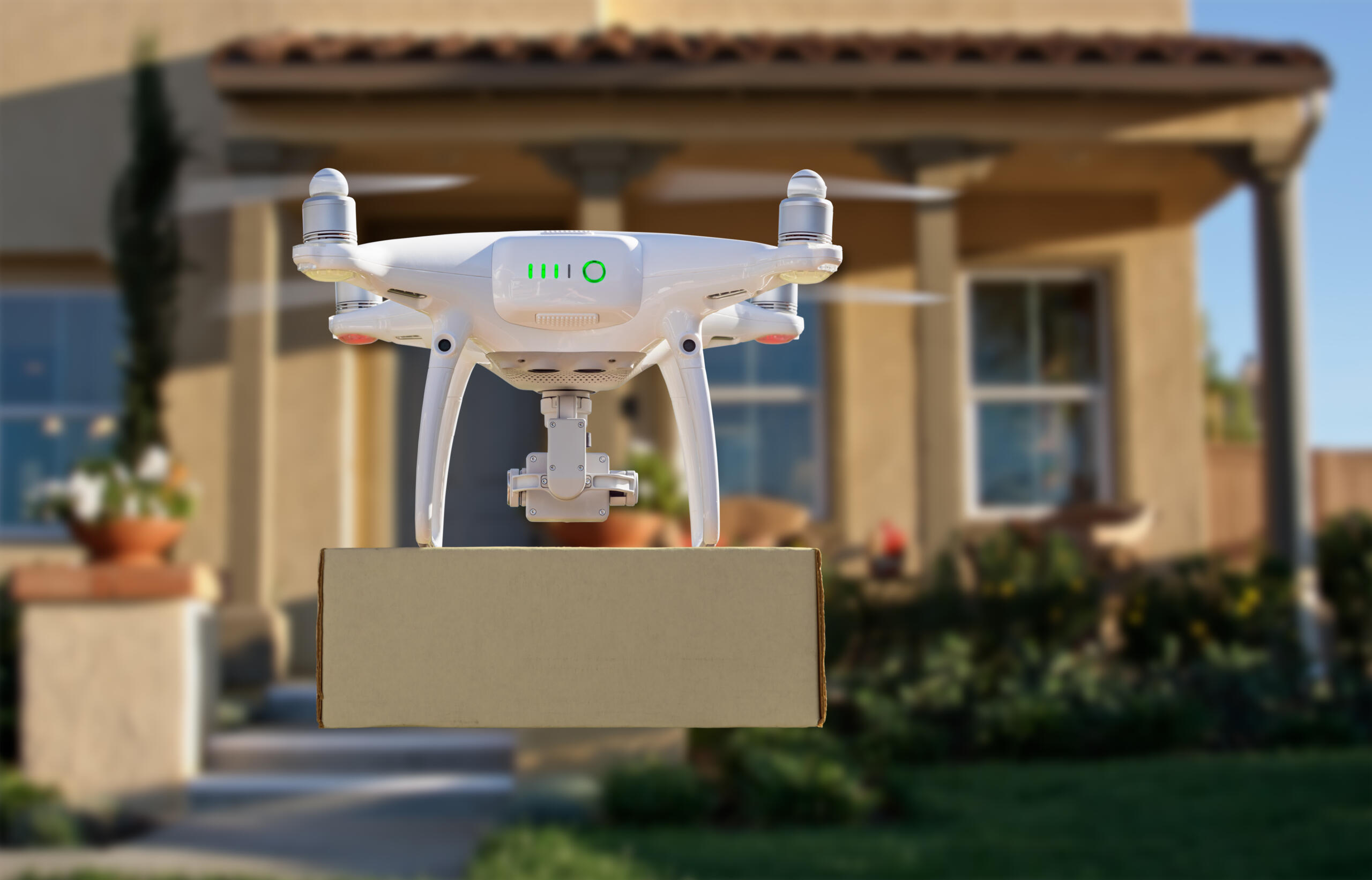
POLIS image bank
The MUSE White Paper provides a high-level view of the project’s main results and conclusions. It targets decision-makers at an executive level, to promote the project results and foster their adoption and further development. It also launches a debate on the impacts of aerial mobility in urban environments, bringing relevant inputs to assess use cases and define priorities.
The paper focuses firstly on the context around the development of the MUSE solutions, the objectives behind the work conducted, and the outcomes resulting from this, to be exploited further. Then, it investigates the assumptions used in the project to discuss the social and environmental role of unmanned aerial services in urban areas. Proposed flight routes and features are presented, their expected advantages and the risks anticipated in the project are highlighted, and the challenges for decision-makers are explained. Finally, concrete recommendations towards the defined target audiences are formulated, based on the conclusions of the project. In the conclusion, a future outlook is drafted in the perspective of exploiting the MUSE results in further research, aiming for later-stage implementation.
This is the last outcome of the MUSE project: it aims at reaching the widest possible audience to ensure the project’s long-lasting impact, facilitating a better alignment of technology development and urban life quality improvement. The project partners welcome any questions and follow-up initiatives. Help them spread the word!
- Related Projects
- Related Members