MAIA and MUSE held successful final conferences in Barcelona
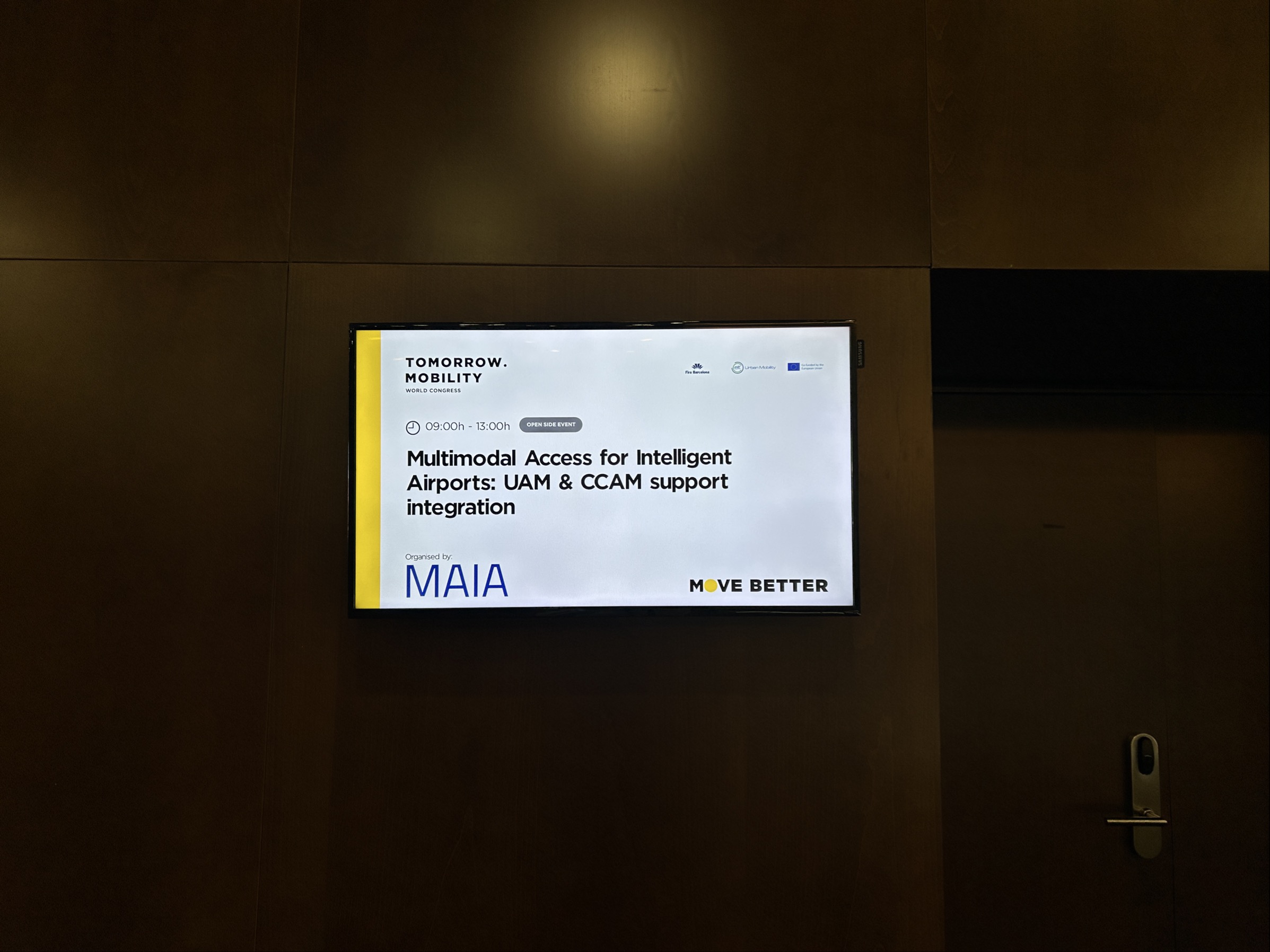
Over the past weeks, the MAIA and MUSE projects held their final conferences as a side event to the Tomorrow Mobility World Congress in Barcelona, bringing together project teams, city representatives, researchers, industry actors, and policymakers.
As communication and dissemination lead for both projects, POLIS was proud to organise and promote these events.
Both conferences were recorded and are now available on the projects' YouTube channels (MAIA and MUSE). Additionally, you can access all presentations on the MAIA and MUSE websites.
MAIA Final event - Connecting airports to city centres with smart and innovative multimodal solutions
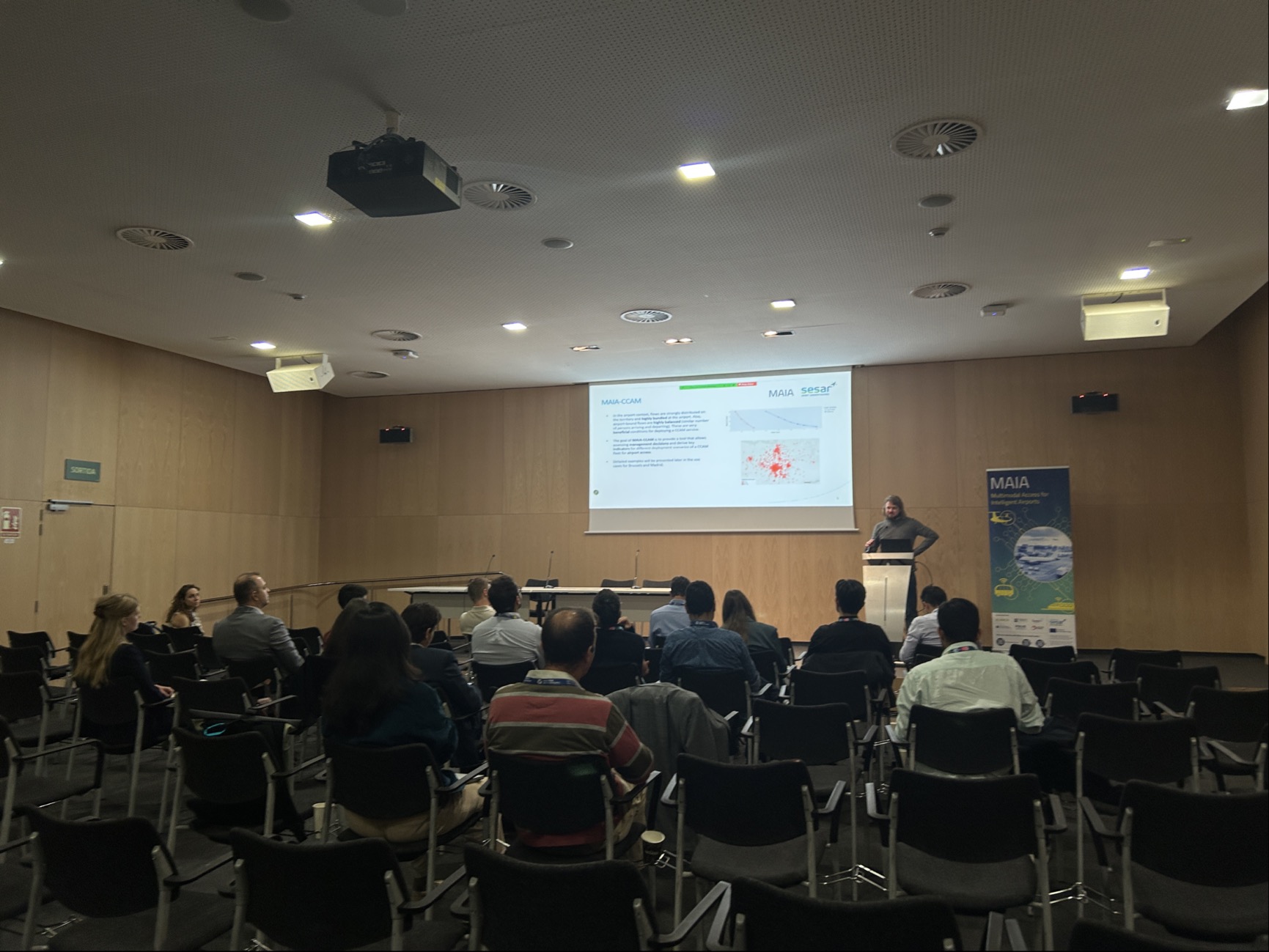
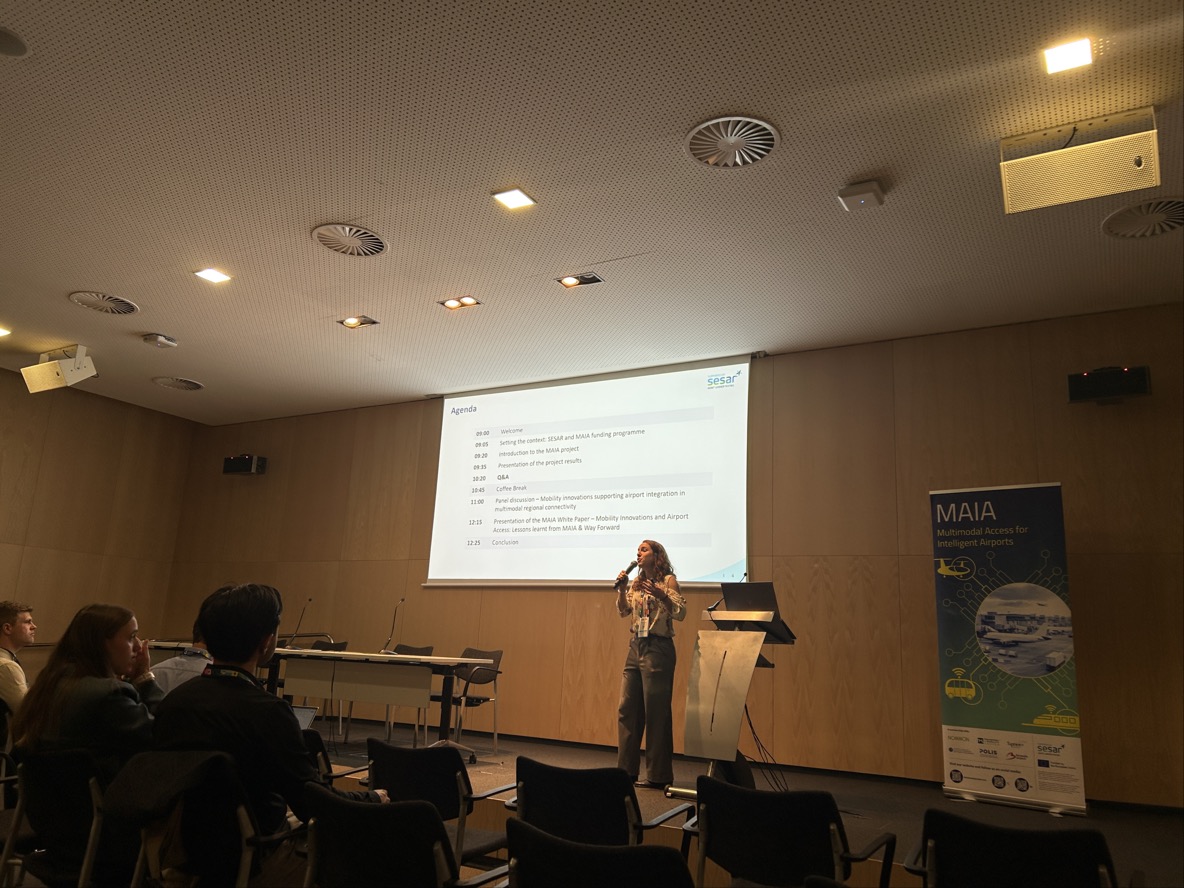
The morning session focused on MAIA, a project dedicated to improving multimodal access to airports through smarter, more sustainable mobility solutions. The event began with a welcome from POLIS and an introduction to the SESAR funding programme by the SESAR Joint Undertaking, followed by a presentation by the project coordinator Nommon.
Presenting MAIA’s Key Results
Partners shared the final outcomes of the project, structured in three core technical pillars:
- MAIA-ENGINE – AI-powered simulation tools for future multimodal mobility (presented by Transport & Mobility Leuven and Nommon)
- MAIA-CCAM – Advancing connected and automated mobility use cases linking airports with urban centres (presented by IRT System X)
- MAIA-UAM – Preparing cities for future integration of Urban Air Mobility (presented by the University of Belgrade's Faculty of Transport and Traffic Engineering)
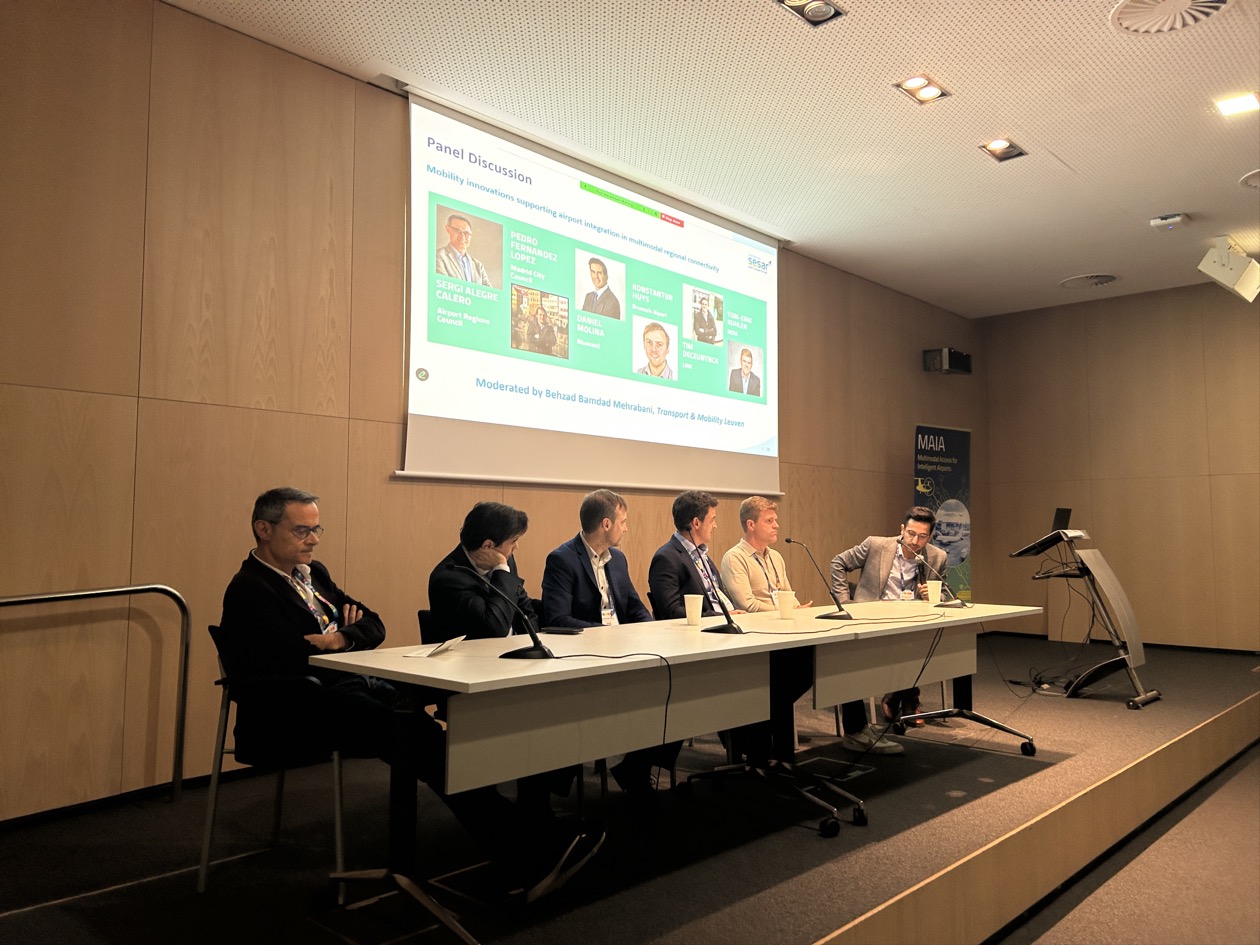
Panel Discussion: Innovations for Airport Integration
A diverse panel explored the societal, technological, and geopolitical implications of emerging mobility solutions:
- Sergi Alegre Calero, Airport Regions Council
- Daniel Molina, Bluenest
- Konstantinos Huys, Brussels Airport
- Tim Deceunynck, LRM
- Tom-Erik Kuhlen, MOIA
The discussion emphasised user acceptance of shared autonomous vehicles, the complex societal debate around UAM at airports, and Europe’s strategic choices regarding technological sovereignty versus rapid deployment.
Presentation of the MAIA White Paper
POLIS presented the structure of the upcoming White Paper 'Mobility Innovations and Airport Access: Lessons Learnt from MAIA and Way Forward', outlining policy recommendations and research priorities for the next steps in multimodal airport access.





MUSE Final Event - Measuring impacts to foster innovation: Criteria & support for Urban Air Mobility (UAM)
In the afternoon, the project hosted the final conference of MUSE, focused on defining and assessing the social and environmental impacts of U-space operations to support responsible UAM deployment.
Project Results Presented by Consortium Partners
- U-space Performance Framework – FTTE
- U-space Performance Assessment Toolset – Nommon
- Demonstration of Results – Nommon & UPC
The presentations highlighted an integrated methodology to help cities, regulators, and operators measure U-space performance holistically, from noise and emissions to public acceptance and operational efficiency.
Panel Discussion: Social & Environmental Needs for UAM
Experts from technical, regulatory, and societal domains joined to explore key challenges:
- Tobias Biehle, TU Berlin Luftlabor
- Kadri Bussov, Tartu Science Park
- Zoltán Bazsó, EUROCONTROL
- Christian Scheel Struwe, Altitude Angel
- Pablo Sánchez Escalonilla, CRIDA
Their discussion underscored the need for transparent environmental indicators, measurable social impact criteria, and early cooperation between cities and UAM industry players.
White Paper Presentation
POLIS presented the upcoming White Paper titled 'Measuring U-Space Social and Environmental Impact: Lessons Learnt from MUSE and Way Forward', which will summarise the project’s assessment framework and offer recommendations for future U-space implementation.




- Related Events
- Related Projects