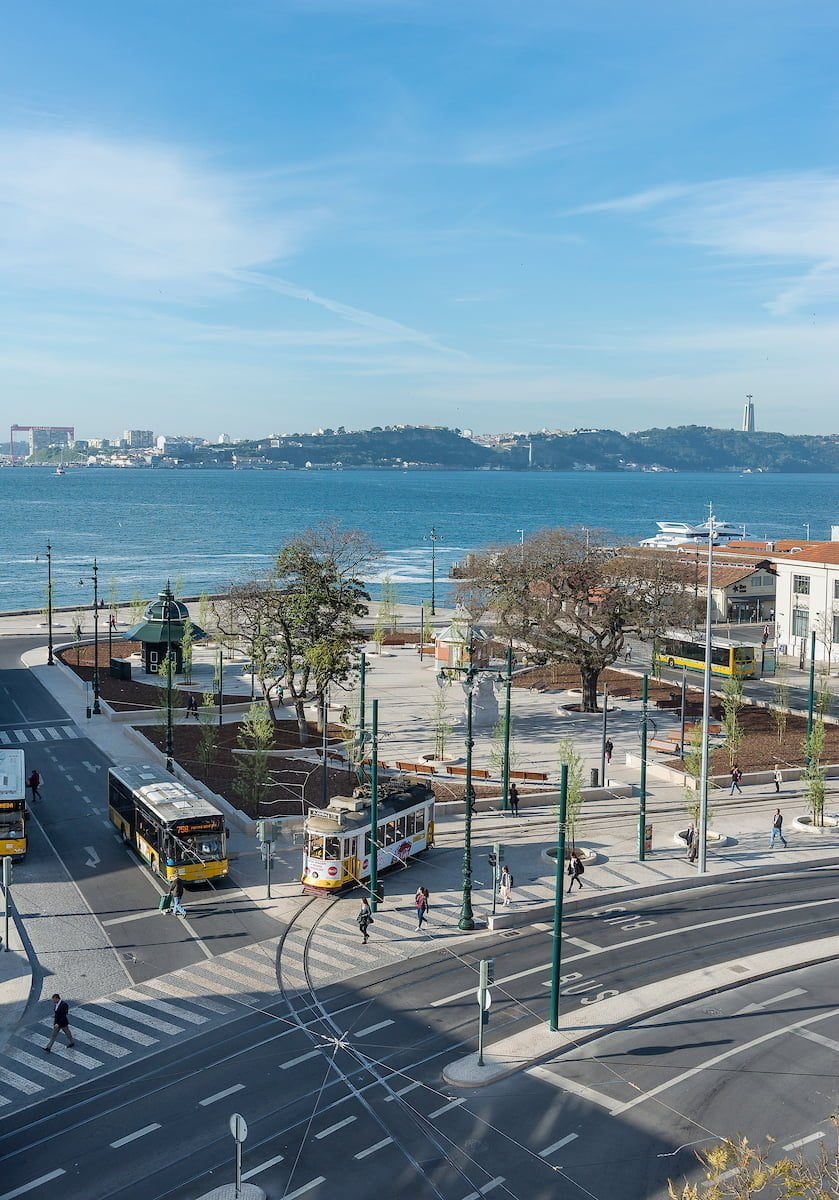
Lisbon extends free public transport for residents over 65 until 2029
Residents of Lisbon aged 65 and over will continue to benefit from free access to the city’s public transport network until at least 2029, following a municipal decision that reinforces the capital’s long-term mobility and climate strategy.
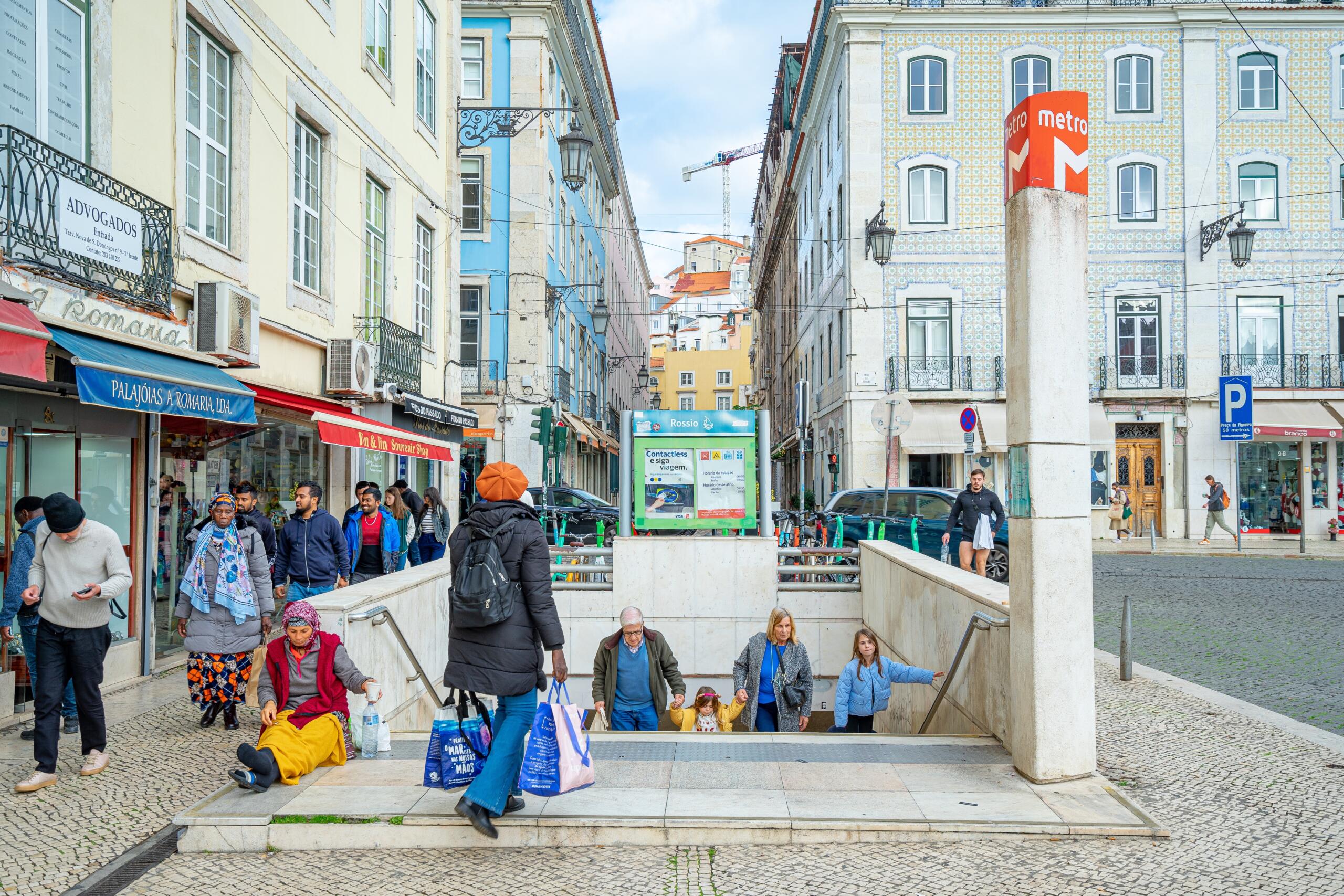
Rossio metro station in Praça da Figueira — Credit: Pedro Emanuel Pereira, Shutterstock
The scheme covers residents with fiscal residence in Lisbon and grants free travel on Carris buses, the Lisbon Metro, and CP urban rail services. To access the benefit, eligible users must hold a Navegante card and activate the 'Navegante Urbano 3ª Idade' pass, which requires monthly validation at designated service points.
Work-in-progress policy
First introduced in 2022, the policy placed Lisbon among a small number of European capitals offering targeted fare-free public transport for specific demographic groups. While the original framework included both seniors and young people, youth mobility support has since been partially absorbed into broader national and metropolitan transport policies (specifically, since December 2024, Portugal expanded free public transport for all youths, rendering the city-level scheme redundant), leaving the municipality to focus its scheme on older residents.
City officials describe the programme as part of a wider effort to promote sustainable mobility, reduce emissions, and improve accessibility in urban transport systems. The measure is intended to lower barriers to public transport use, particularly for older residents who may rely more heavily on public services for healthcare, social participation, and daily mobility.
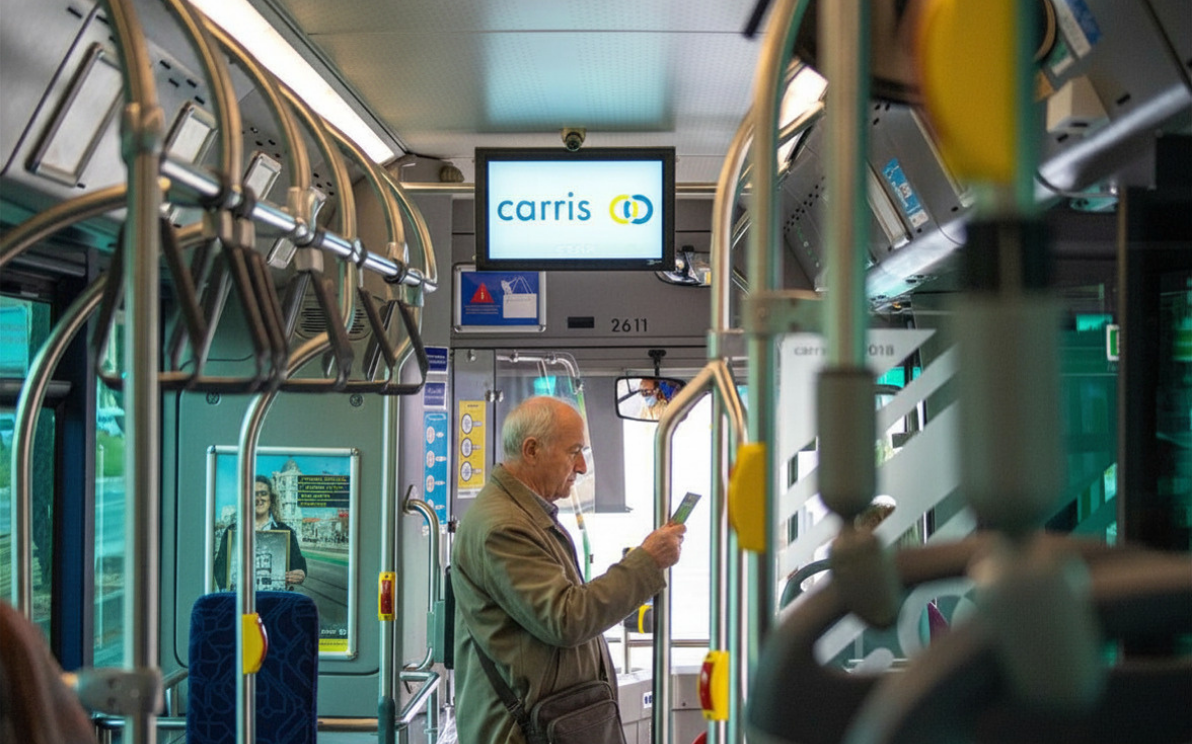
Inside the cabin of a Carris passenger bus — Credit: Pedro Emanuel Pereira, Shutterstock/Canva AI
Mayor Carlos Moedas has previously framed the policy as a key element of Lisbon’s climate agenda, linking it to goals of decarbonisation, improved air quality, and reduced traffic congestion. According to the municipality, usage among eligible seniors has remained strong and stable since its introduction, suggesting consistent demand for the measure.
The extention to 2029
The extension to 2029 is expected to cost up to €8.5 million per year and is formalised through an agreement with Transportes Metropolitanos de Lisboa (TML). It replaces an earlier funding framework that would have expired in 2025 and provides longer-term stability for the programme.
The decision was approved unanimously by the municipal executive, although debate within the Municipal Assembly reflected broader tensions over the future direction of mobility policy in the city. Some political groups have argued for expanding free transport to all residents, citing international examples where universal fare-free systems have been implemented. Others maintain that targeted subsidies offer a more financially sustainable model, allowing public funds to be concentrated on infrastructure investment and service improvements.
Supporters of the current approach argue that age-based eligibility remains a justified social policy tool, given the specific mobility needs and fixed-income profiles of many older residents. Critics, however, question whether broader income-based criteria would be a more equitable basis for support.
A Portoguese reckoning
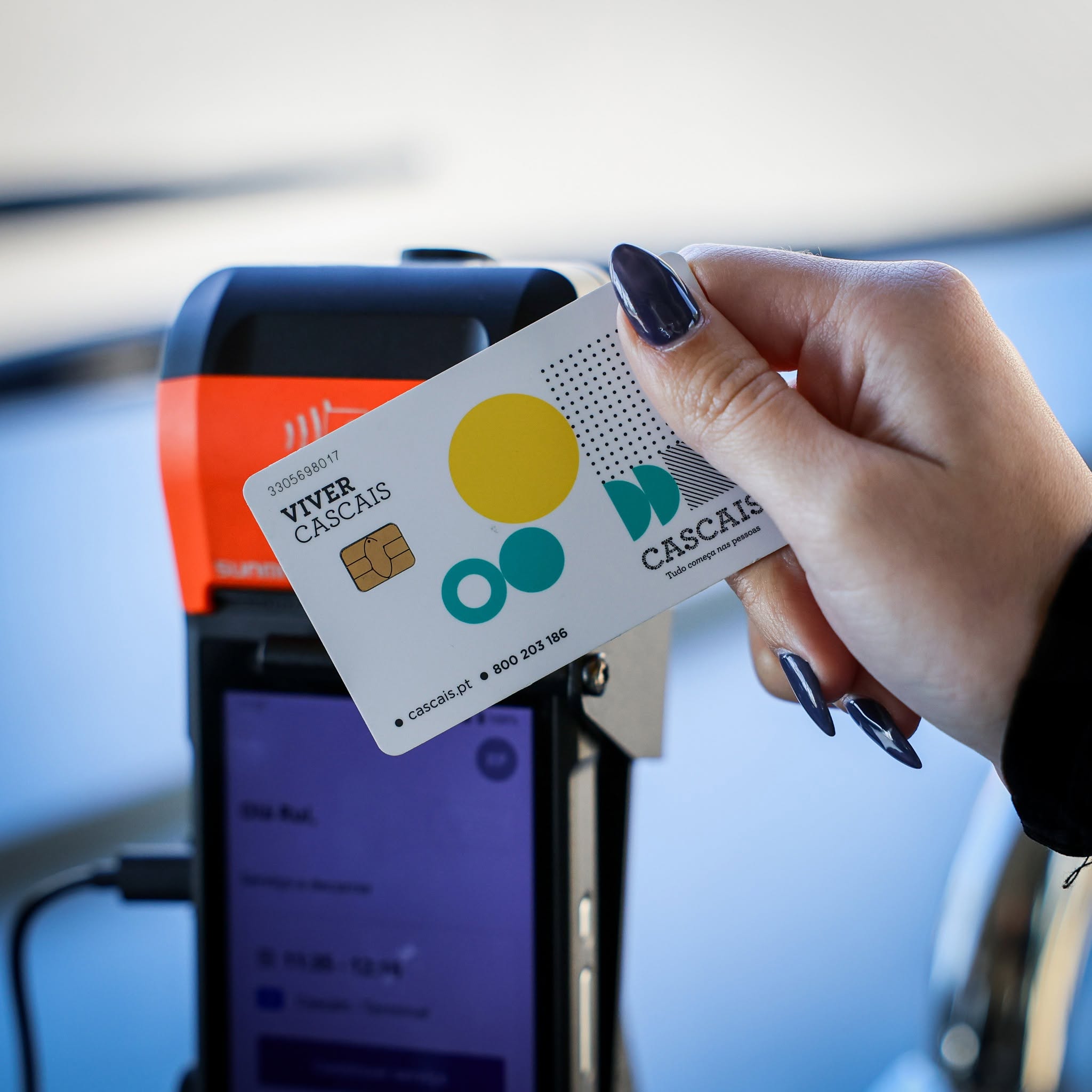
The Viver Cascais Card — Credit: Câmara Municipal de Cascais, Facebook
Lisbon’s approach sits within a wider national landscape where transport policy is increasingly shaped by environmental and social objectives. Across Portugal, municipalities and intermunicipal bodies have introduced varying models of fare reduction or elimination, ranging from Cascais’ universal resident scheme to the Oeste Intermunicipal Community’s region-wide free transport system covering twelve municipalities.
The national government has also expanded mobility subsidies, particularly for young people under 23, as part of a broader strategy to encourage public transport use and reduce reliance on private vehicles.
As these policies evolve, Lisbon’s decision reflects a more incremental approach: maintaining targeted free transport for seniors while aligning mobility policy with fiscal constraints and long-term sustainability goals. In practice, the measure reinforces public transport as a social support mechanism as much as a climate tool, balancing inclusion with budgetary discipline in one of Europe’s most closely watched urban mobility systems.