Green Living Areas launches Green Policy Lab
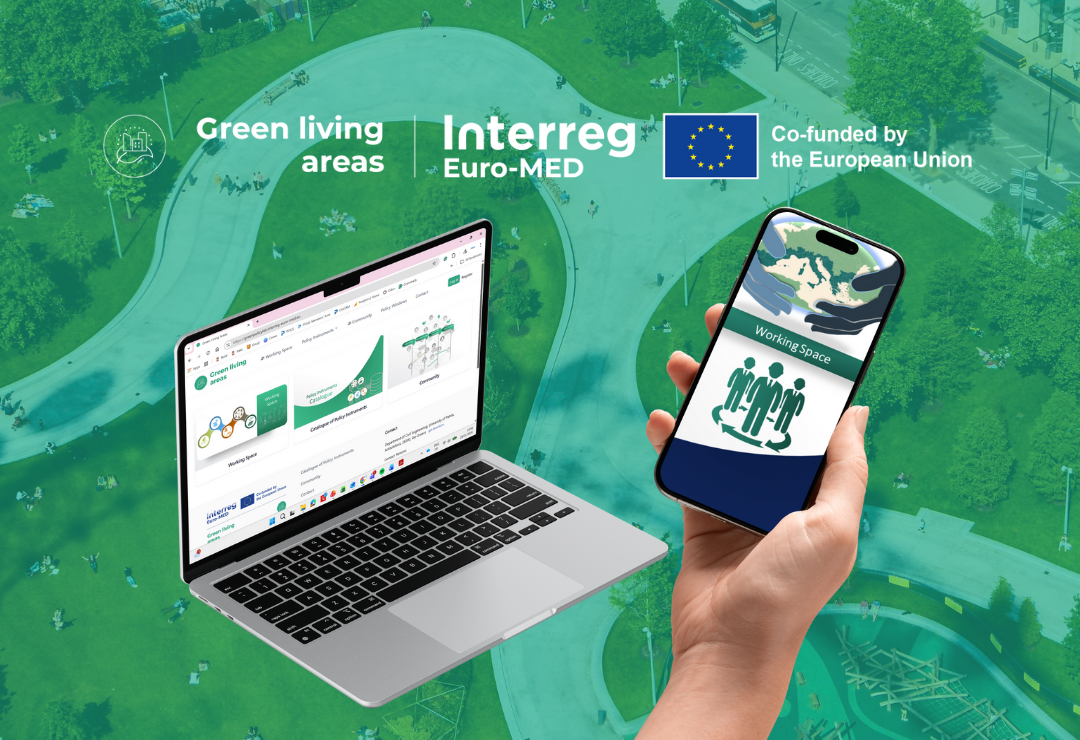
The Green Living Areas’ Green Policy Lab—a free, community-driven forum and policy repository designed to foster collaboration, innovation, and action among Mediterranean stakeholders, is a newly available integrated solution.
This initiative, part of the broader Green Living Areas Mission is a working space where policymakers, experts, and community members come together to tackle the most pressing issues in green mobility, energy, spatial planning, community engagement, and financing the green transition.
By identifying challenges, co-developing solutions, and advocating for policy uptake, the Green Policy Lab aims to turn ambition into action—ensuring that Mediterranean cities become models of sustainability, resilience, and inclusivity.
Ambition to action
The Green Policy Lab operates through five thematic working spaces, each focused on a critical aspect of sustainable urban development:
- Green Mobility (People/Goods)
- Green Energy Systems
- Green & Climate Change Resilient Spatial Planning
- Green Community Engagement
- Financing the Green Transition
Each working space serves as a collaborative platform for stakeholders to identify key policy challenges related to green living areas, analyse and discuss evidence-based solutions, develop policy recommendations tailored to the Mediterranean context, and advocate for the adoption of these recommendations through policy dialogues with decision-makers.
The goal is to establish a virtuous cycle of knowledge sharing, policy innovation, and on-the-ground implementation.
Seizing the moment for change
One of the most innovative features of the Green Policy Lab is its Policy Windows, which is a tool that helps stakeholders identify time-sensitive opportunities to adopt, scale, or improve public policies. Policy windows are moments when political, social, or economic conditions align, making it possible to introduce new ideas or reforms.
For example:
- A new mayoral administration might be open to bold mobility reforms;
- EU funding cycles could provide resources for green transitions;
- Public demand for cleaner air (e.g., after a pollution crisis) can create momentum for policy change.
By tracking these windows, the Green Policy Lab helps cities act at the right time, ensuring that good ideas don’t just stay on paper but become reality.
A complete catalogue of best practices for transferability
Another Green Policy Lab’s valuable resource is its Catalogue of Policy Instruments and Best Practices—an online library of proven policy solutions from across the Mediterranean and beyond. This catalogue works as a living repository of actionable ideas, designed to inspire and guide policymakers, urban planners, and community leaders. Moreover, it features a range of innovative policies from some brilliant POLIS members.
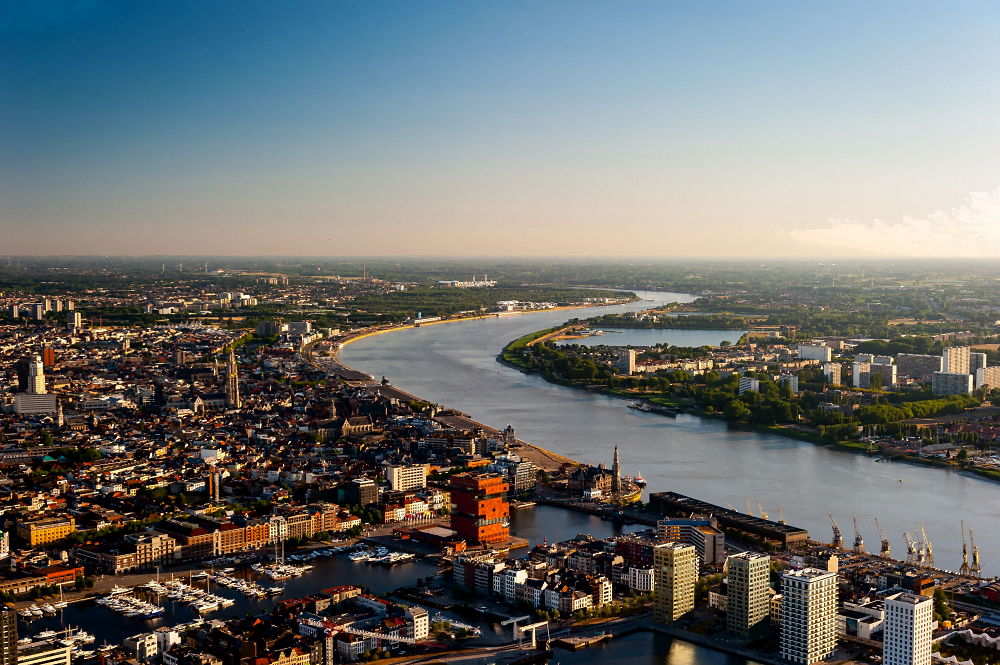
Antwerp's shared mobility and mobility hubs
Although Antwerp is not Mediterranean, it shares with its southern counterparts a history of car-dominated mobility, resulting in congestion, pollution, and inefficient land use.
The city has acknowledged the importance of smooth multimodal connections, aiming to make it easier for residents to transition between walking, cycling, public transport, and shared mobility options. One of its solutions? Rolling out 130 'Smart Links' mobility hubs by 2034, as part of the Flanders-wide HOPPIN network. These hubs strategically locate bike-sharing, e-scooters, car-sharing, and public transport stops in one place, reducing the need for private cars and encouraging sustainable travel.
Moreover, the city participated in the 2nd Institutional Policy Dialogue of the Mission, providing insights on this policy and exchanging directly with partners from the GREENMO project, which has created a framework to deploy mobility hubs concepts tailored to the Mediterranean.
Mediterranean cities where car dominance and fragmented transport systems are major issues could adapt Antwerp’s model to create their own mobility hub networks, tailored to local needs.
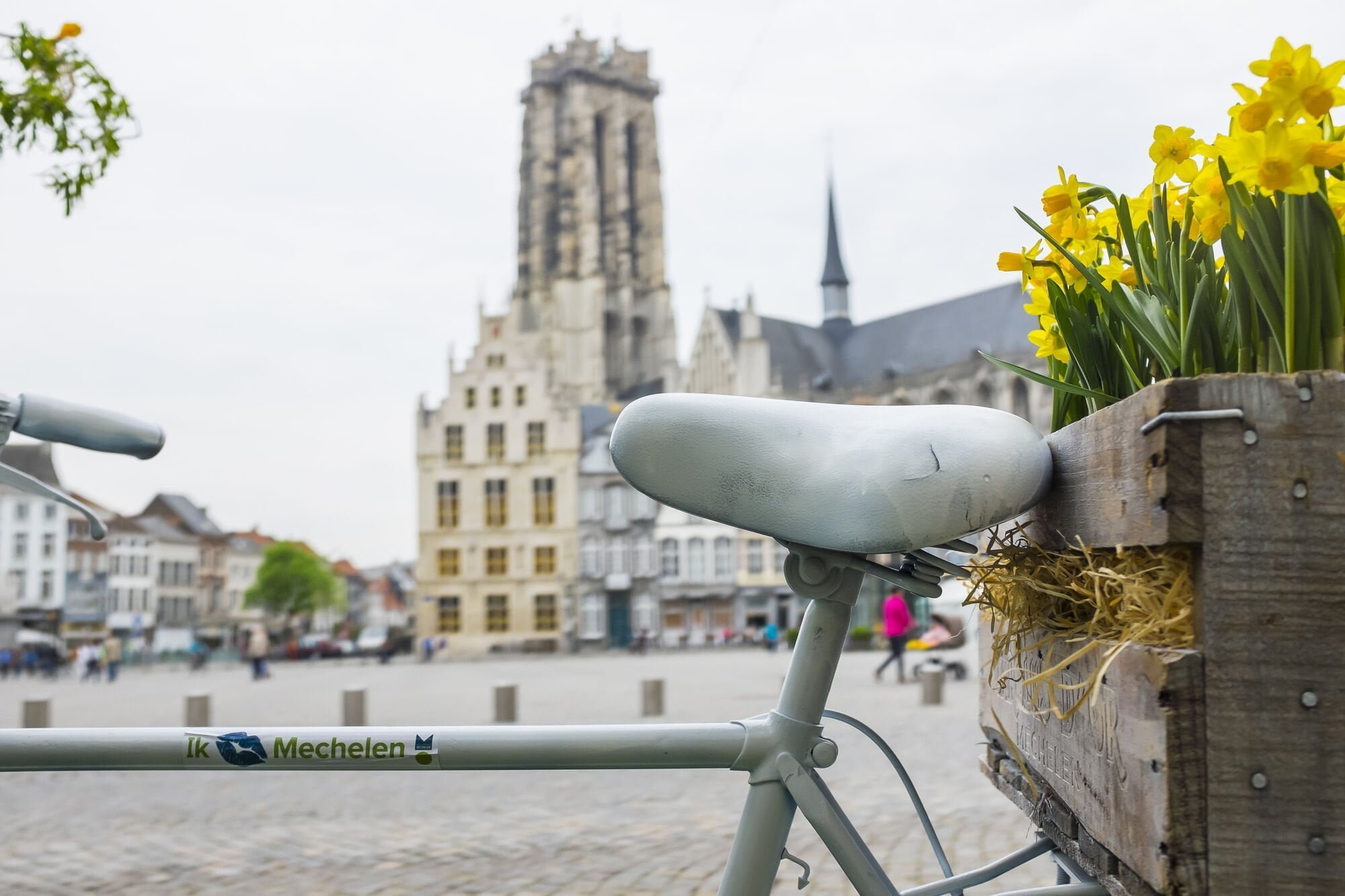
Mechelen's mobility hubs combined with logistics
Urban logistics—especially last-mile delivery—is a growing source of congestion and pollution. For this reason, Mechelen sought to integrate freight and passenger mobility by developing mobility hubs that combine the two, creating efficient transfer points for goods and people. This approach not only cuts down on delivery trucks but also supports local businesses and reduces urban sprawl.
Mediterranean cities with historic centres and narrow streets could easily benefit from integrated logistics hubs, reducing the chaos of delivery trucks and improving air quality.
Barcelona's superblocks
In the 80s and 90s, Barcelona faced high levels of air pollution, noise, and a lack of public space. The city needed a way to reclaim streets for people, not cars.
Barcelona’s superblocks (in Spanish, superilles) have transformed groups of city blocks into car-free or car-restricted zones, prioritising pedestrians, cyclists, and green spaces. Each superblock includes playgrounds, benches, and vegetation, creating mini-neighbourhoods where residents can socialise, play, and relax safely (for an in-depth look at Barcelona's superblocks, read this policy brief).
Mediterranean cities where public space is scarce and car traffic is heavy could adopt superblocks to revitalise neighbourhoods and improve quality of life.
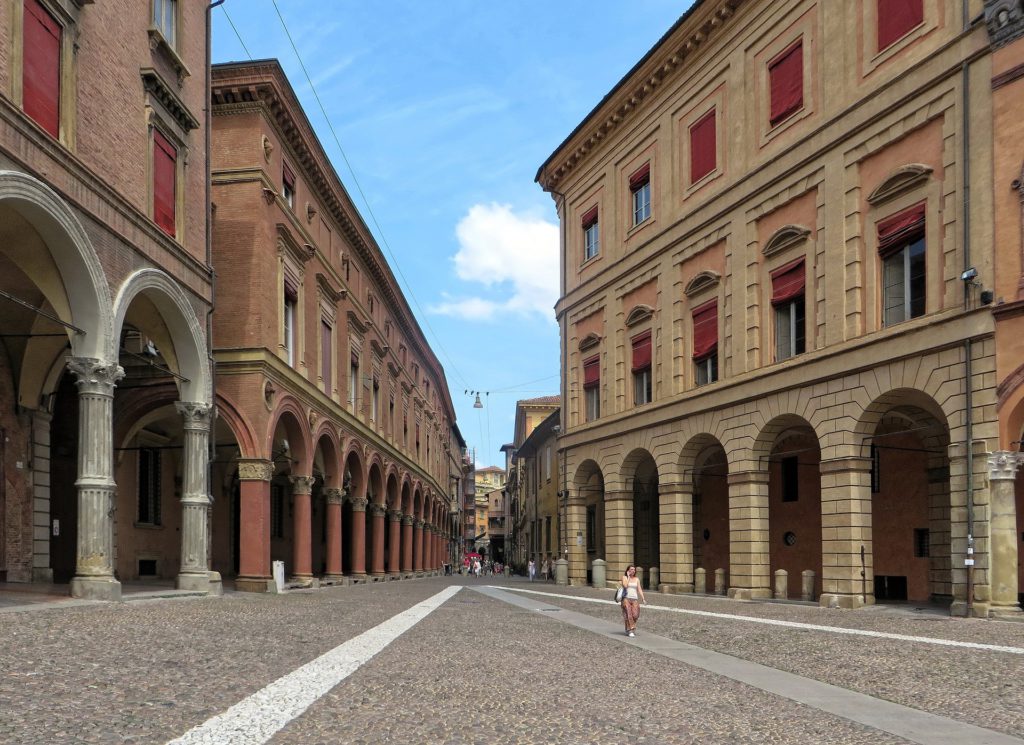
Bologna's Sustainable Urban Logistics Plan (SULP)
Bologna, like many Mediterranean cities, struggled with inefficient freight transport, leading to congestion, pollution, and high costs for businesses.
The city’s Sustainable Urban Logistics Plan (SULP) introduced measures like consolidation centres for deliveries, off-hour delivery schemes to reduce daytime traffic, and the promotion of cargo bikes and electric vehicles for last-mile logistics—all highlighted during the 1st Institutional Policy Dialogue of the Mission and summarised in this policy brief.
Cities with bustling historic centres could implement similar logistics plans to preserve their heritage while modernising their economies.
How to get involved
The Green Policy Lab is open to contributions from policymakers, researchers, NGOs, and community groups. If you have a policy instrument, best practice, or innovative idea, you can submit it to the Catalogue of Policy Instruments and Best Practices.
- Related Projects
- Related Members