News
25/05/2026

Barcelona approves roadmap to halve areas with poor public transport access

The Metropolitan Area of Barcelona (AMB) has approved the initial version of its 2025–2030 Metropolitan Urban Mobility Plan, with the objective of halving the number of residents living in areas with poor access to public transport by the end of the decade.
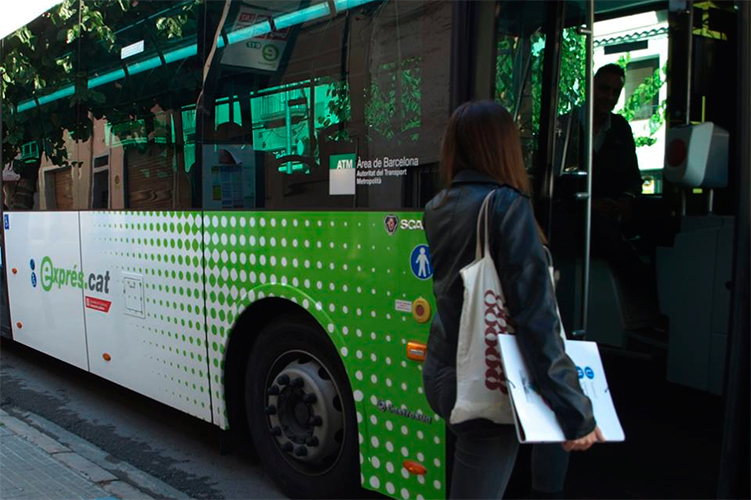
The strategy focuses on improving bus services in suburban and peripheral neighbourhoods, strengthening links to employment and industrial areas, and reducing dependence on private cars. According to AMB projections, the share of journeys made by car is expected to fall from 25% to 22% by 2030, while walking and cycling rates are set to increase.


Cleaner buses and tighter emissions rules

Environmental measures form a major part of the plan. Barcelona aims to cut carbon emissions from road and rail transport by 30% before 2030, while expanding low-emission zones and tightening restrictions on polluting vehicles.

From January 2028, vehicles with yellow environmental labels will face weekday restrictions in low-emission zones operating in municipalities with more than 50,000 inhabitants. By 2030, around 97% of the metropolitan bus fleet is expected to consist of low-emission vehicles.

The plan also includes the expansion of the AMBici public bicycle scheme into suburban municipalities, alongside further development of the Bicivia cycling network and Bicibox bicycle parking facilities.


Interurban buses remain a regional priority

The Barcelona strategy reflects a wider shift across Catalonia, where interurban bus services are taking on a growing role amid rising passenger demand and ongoing rail disruption.

In April 2026, the Catalan government approved a €21.5 million 'shock plan' covering more than 50 interurban bus corridors across the region. Passenger numbers on the network reached a record 90 million journeys in 2025, around 10% higher than the previous year.

The AMB’s mobility plan is expected to require direct investment of €1.7 billion, while total spending linked to associated infrastructure projects could eventually reach €22.4 billion. The proposal will now enter a public consultation phase before final approval later this year.

The proposal will now enter a public consultation phase before returning for final approval, which is expected after the summer.