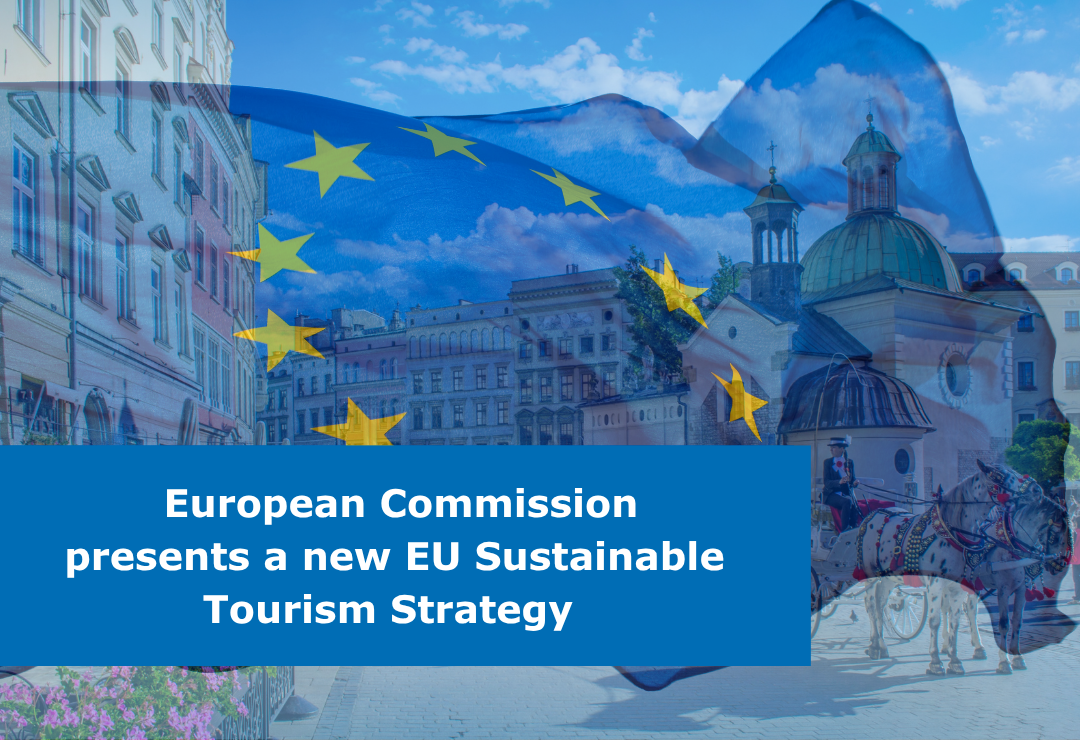
Europe's new tourism strategy puts mobility centre stage
The European Commission has unveiled a new Sustainable Tourism Strategy aimed at maintaining Europe's position as the world's leading tourism destination. While the strategy covers everything from competitiveness to resilience, one message is clear: sustainable tourism and sustainable mobility must go hand in hand.
Tourism remains a major economic force in Europe, contributing to around 10% of the EU’s Gross Value Added, supporting more than 20 million jobs, and encompassing approximately 5 million businesses, most of which are SME's. In 2025, the EU welcomed close to 600 million international visitors, accounting for nearly 40% of global tourist arrivals. Yet as visitor numbers continue to grow, destinations are increasingly being asked to balance economic benefits with residents' quality of life, environmental concerns, and pressure on local infrastructure.
The Commission's response is a strategy built around competitiveness, sustainability, and resilience. While it includes actions ranging from digitisation and skills development to climate adaptation and investment, mobility features throughout as a critical enabler of better tourism management and visitor experiences.
Making sustainable travel the easy choice
One of the most tangible proposals for cities and regions is the Commission's commitment to explore EU-wide interoperability of local public transport ticketing systems. Working with public transport authorities and transport associations, the initiative would make travel information, ticket purchasing, journey planning, and payment easier to access across Europe—potentially sparing visitors the stress and confusion of navigating unfamiliar public transport networks. For cities and transport authorities, it signals growing recognition that local mobility services play an important role in the overall tourism experience.
The strategy is also paying particular attention to multimodal travel. Building on proposed EU legislation on multimodal booking and rail ticketing, the Commission aims to make journeys across modes simpler and more attractive, supporting both tourism and broader climate objectives.
Rail and active mobility step into the spotlight
Sustainable connectivity is one of the clearest transport priorities in the strategy, with the Commission identifying high-speed rail as a key driver for improving sustainable connectivity between destinations and reducing dependence on more carbon-intensive travel options.
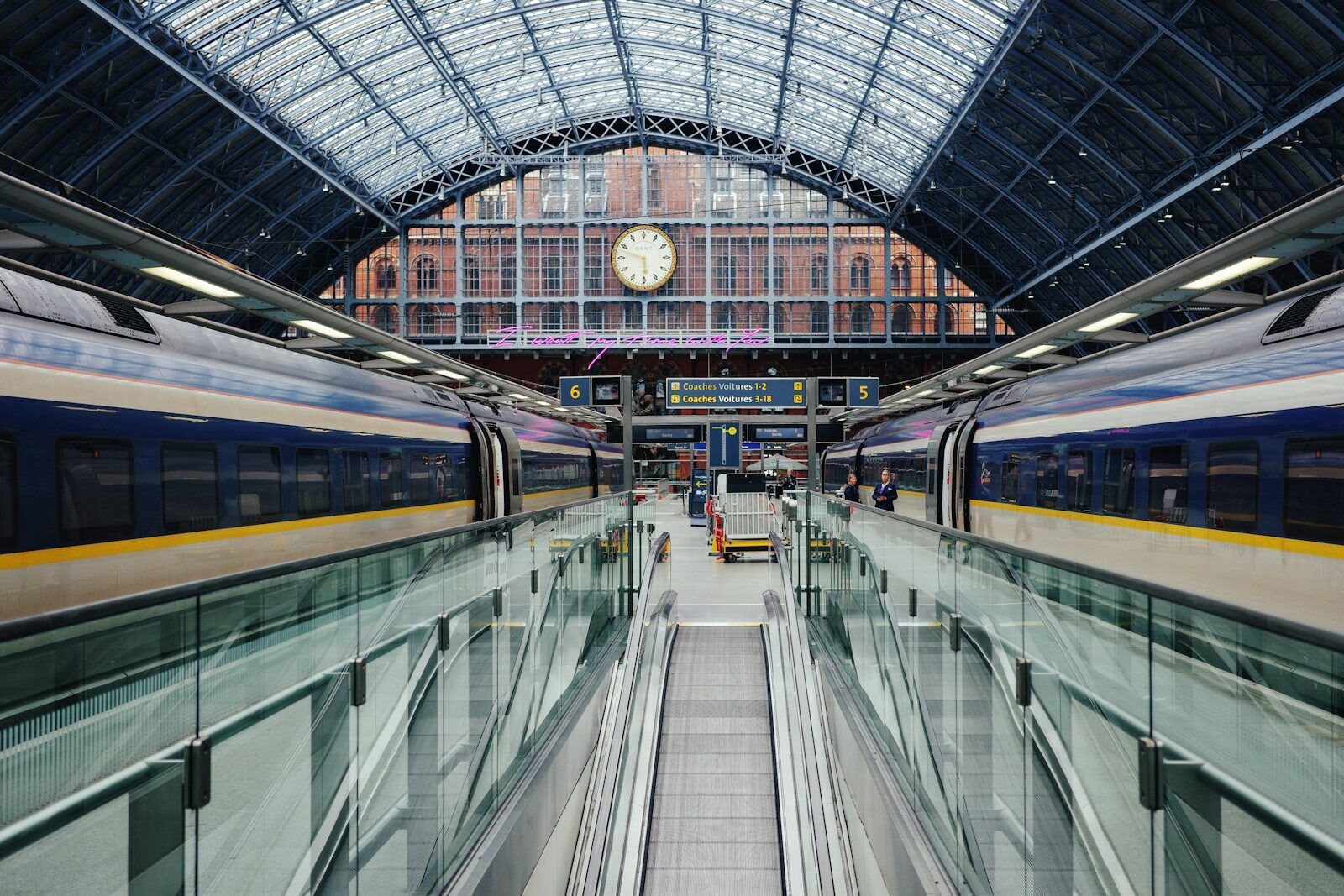
Eurostar at London St Pancras International Station — Credit: Frederic Köberl
The strategy builds on several ongoing EU rail initiatives, including the 2025 High-Speed Rail Action Plan. It also proposes connecting railway and tourism stakeholders in high-level events to enhance the attractiveness of rail travel, including night trains and rail tourism experiences.
Alongside rail, active mobility is presented as a central component of sustainable tourism. The strategy describes cycling as a zero-emission, healthy and affordable way for visitors to explore destinations, both in cities and rural areas. Building on the European Declaration on Cycling, the Commission intends to further support cycling tourism by improving links between cycling routes such as EuroVelo, public transport networks and bike-friendly services.
For cities investing in cycling infrastructure, the message is clear: cycling is no longer viewed solely as a transport policy objective but increasingly as part of the tourism offer itself.
Better connections between destinations
The strategy also seeks to address practical barriers that can often make travelling across Europe more complicated than it needs to be.
The Commission plans to propose legislation making rental cars easier and more affordable to use across borders and will work with the industry on digital solutions such as contactless check-in. It will also launch an initiative to make information on urban vehicle access restrictions more readily available, helping tourists and coach operators navigate different local rules between destinations.
At the same time, a study will assess the future role of taxis and private hire services, examining their potential contribution to multimodal mobility, decarbonisation and tourism.
From visitor growth to visitor management
Perhaps the most significant shift in the strategy is not about transport infrastructure, but about how destinations manage tourism itself.
Rather than focusing solely on visitor growth, the strategy places greater emphasis on balanced tourism, seeking to spread the benefits of tourism across regions and seasons while ensuring destinations can balance visitor demand with local capacity.
To support this approach, the strategy proposes an EU Model for Tourism Management, a Council Recommendation on Balanced Tourism Management and a new EU Toolbox for Balanced Tourism. Together, these aim to help destinations better manage visitor flows, promote year-round tourism, reduce seasonal pressures and improve connections to lesser-known destinations. This has a direct impact on mobility planning: transport networks are increasingly seen not just as tools for moving visitors efficiently, but as ways of shaping where and when tourism happens.
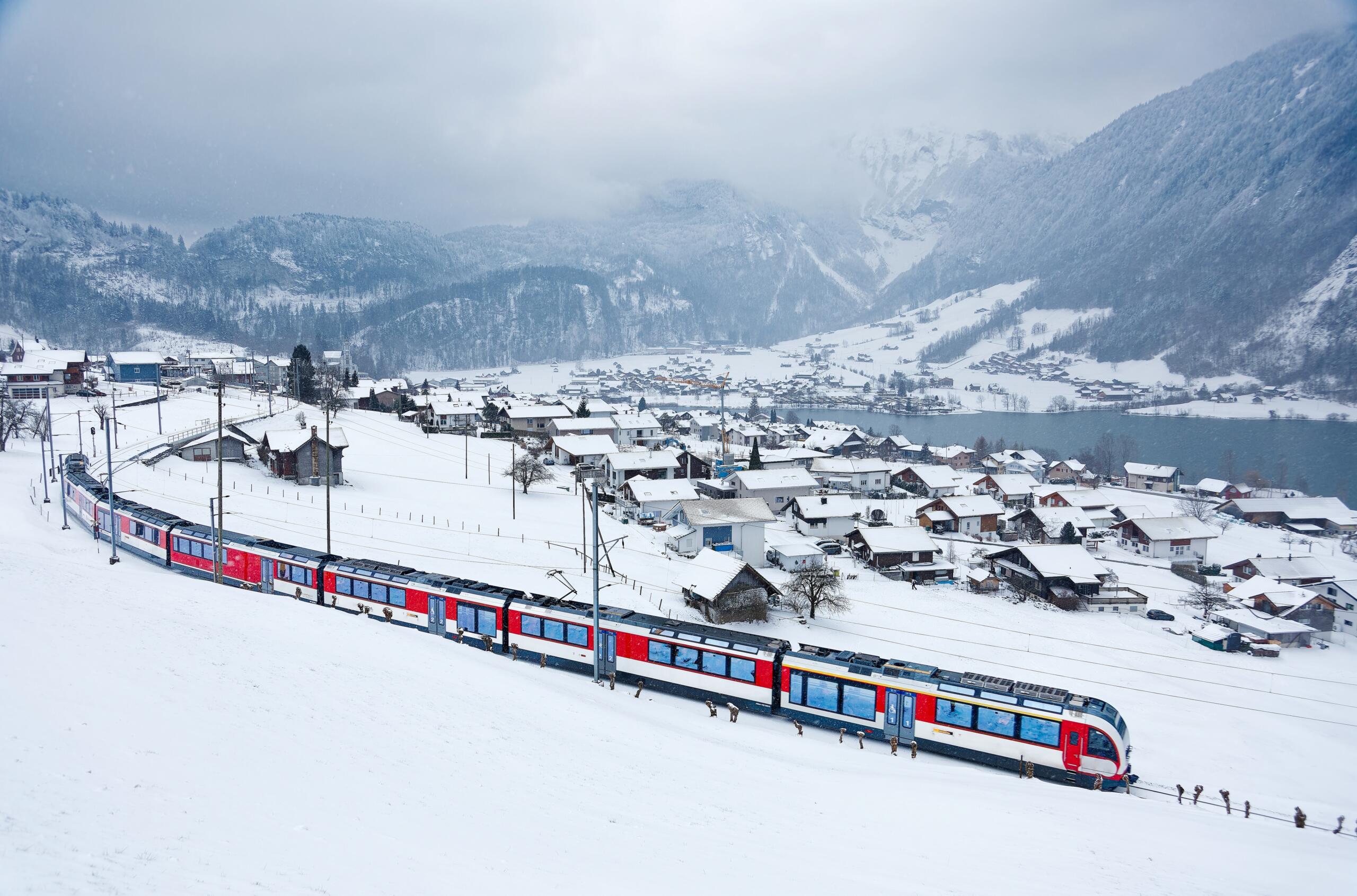
Luzern-Interlaken Express train — Credit: AaronChenPS2, Shutterstock
Accessibility and Inclusion
The strategy also places strong emphasis on making tourism more accessible and inclusive. The Commission plans a targeted revision of passenger rights legislation to improve accessibility for people with disabilities and reduced mobility, alongside a dedicated information point on accessible tourism through the EU Tourism Platform. It will also explore whether initiatives such as the Women in Transport Platform for Change and the #DiversityInTransport Ambassador Network could offer models for promoting greater equality within tourism.
These measures reflect a broader ambition to ensure that sustainable tourism is not only environmentally responsible, but also socially inclusive.
No sustainable tourism without sustainable mobility
The strategy's overarching goal is to maintain Europe's global leadership in tourism while helping destinations remain attractive places to live as well as visit. To achieve this, the Commission argues that tourism policy can no longer be developed in isolation from transport, climate, digitalisation and regional development.
As destinations across Europe grapple with rising visitor numbers and changing travel patterns, sustainable mobility may prove not just a support for tourism policy, but one of its most important foundations.