ALTHEA
By linking experimentation, learning and replication across territories, ALTHEA contributes to making peri-urban areas visible as key actors in Europe’s transition to climate neutrality. The project shows how these 'in-between' spaces can become drivers of innovation, cooperation and long-term transformation.
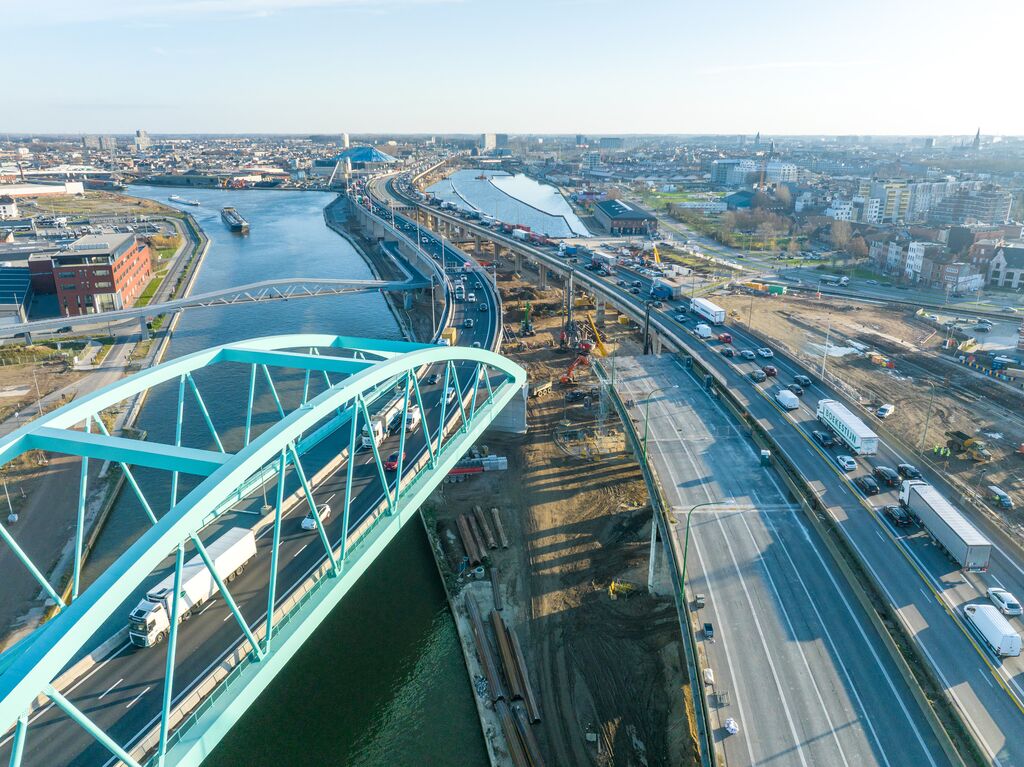
Peri-urban areas are where many of today’s transformations are most visible. They concentrate mobility flows, industrial activity, energy infrastructures, housing growth, and natural spaces, yet they often fall between urban and rural policies. This makes them both fragile and strategic for achieving climate neutrality.
ALTHEA focuses on these territories as places where the transition can be tested in practice. The project uses the Transition Super Living Lab (TSLL) approach to turn peri-urban areas into spaces of experimentation, where public authorities, businesses, researchers, civil society and citizens work together to explore new ways of organising change. Instead of applying ready-made solutions, ALTHEA supports learning by doing, adaptation to local realities and continuous adjustment through real-life testing.
The project, running from November 2025 to October 2028, works in close connection with the EU Mission Cities and their Climate City Contracts. It supports cities and regions in developing solutions that link urban and peri-urban areas in a more balanced way, through shared strategies and Local Green Deals. These processes connect key sectors such as mobility, energy, industry and governance, helping territories move away from fragmented action towards more integrated transition pathways.
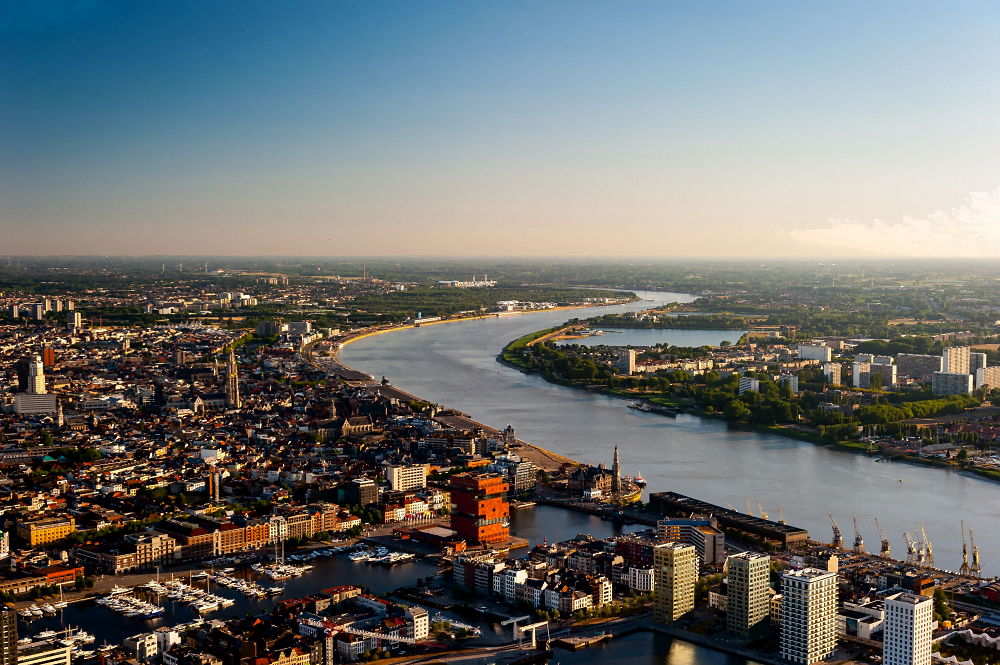
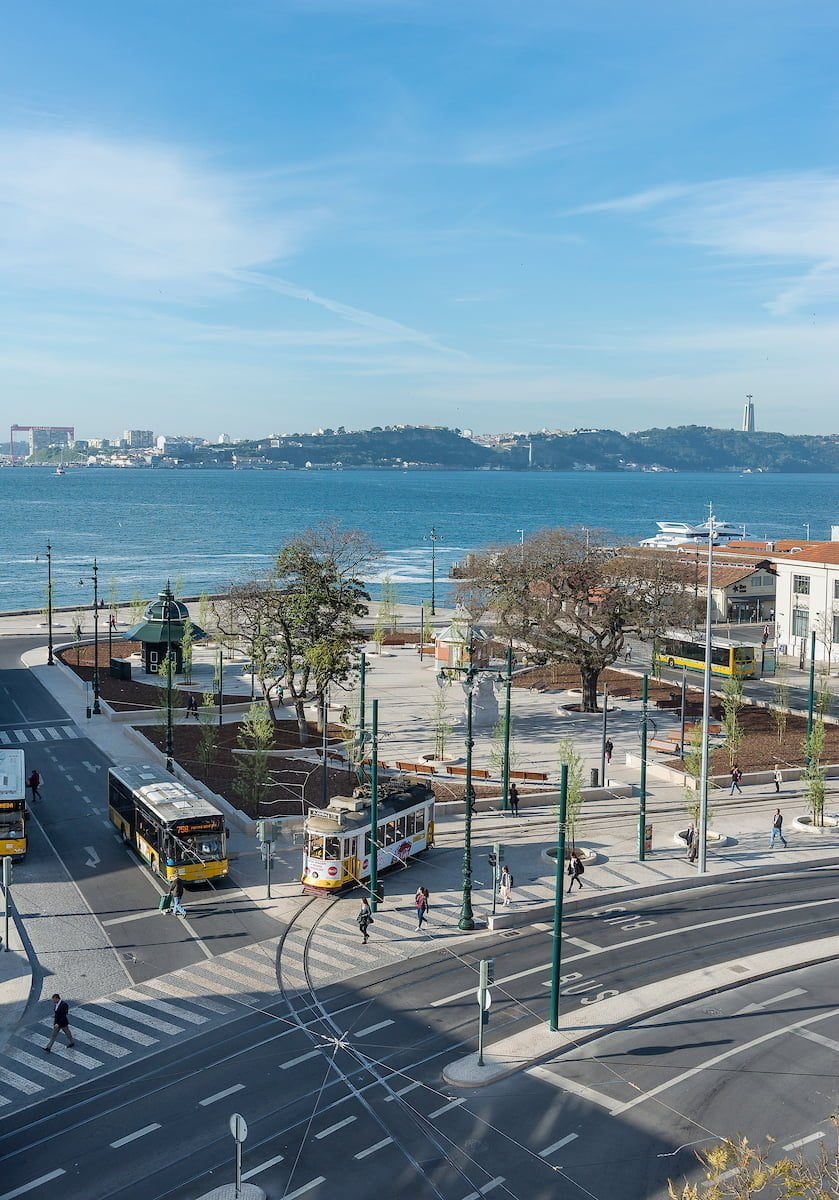
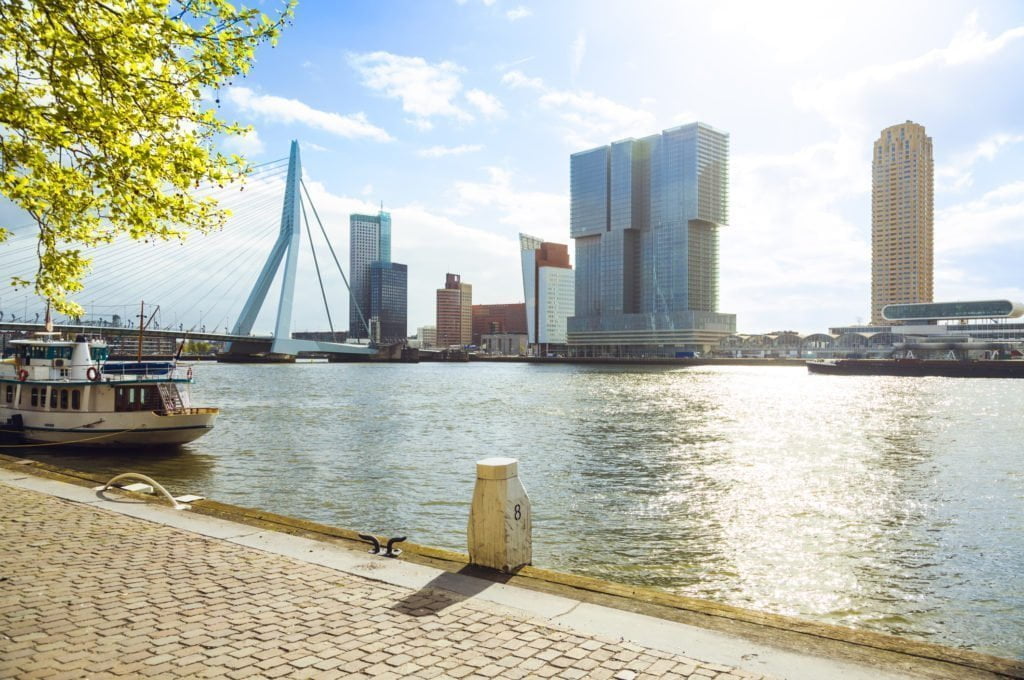
ALTHEA is implemented in five main Transition Super Living Lab territories:
- Antwerp–Rotterdam,
- Milan metropolitan region,
- Alicante–Elche functional area,
- Epirus–Ioannina region,
- Lisbon metropolitan region.
In parallel, three additional territories – Greater Copenhagen, Gdynia, and Aachen – act as replication areas, adapting and reusing what is learned in the main labs. Together, these territories reflect different geographical, social, and institutional contexts across Europe.
Across all sites, ALTHEA supports concrete actions structured around four main transition themes: sustainable and inclusive mobility, low-carbon energy systems, environmentally responsible industry, and collaborative governance. These actions are not isolated pilots, but part of broader local and regional strategies that connect policies, investments and everyday practices.
To support this work, ALTHEA is developing a set of practical and data-informed solutions gathered in the ALTHEA Innovations Toolkit. This Toolkit brings together tools, methods and digital solutions that help improve transport systems, reduce emissions from energy and industry, strengthen governance and support cooperation between sectors. Its purpose is not only to serve the project territories, but also to make tested approaches available to other regions interested in similar transitions.
For further information about ALTHEA, visit the project's website and LinkedIn page.
- Related Members