STIB donates 36 Brussels buses to support public transport resilience in Ukraine
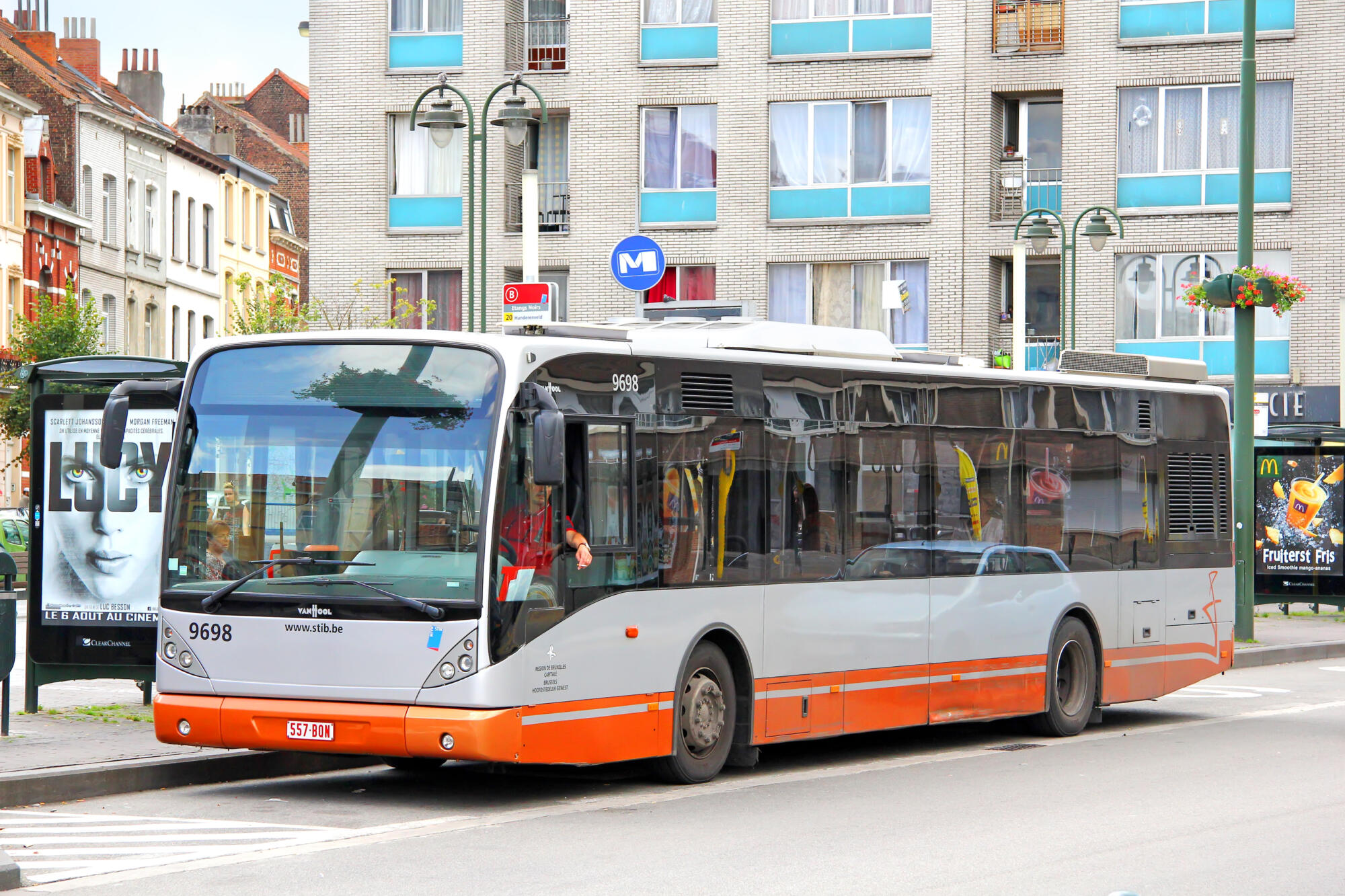
Brussels public transport operator STIB-MIVB is donating 36 retired diesel buses to Ukraine as part of the ongoing renewal and electrification of its fleet.
The initiative is part of the operator’s transition towards a fully renewed and increasingly electrified fleet, while contributing to wider European solidarity efforts to maintain essential mobility services.
As Brussels continues replacing conventional diesel buses with electric vehicles, vehicles that are no longer required for local operations can continue contributing to mobility elsewhere. Indeed, the operator plans to progressively renew its fleet of around 800 buses by 2035, potentially opening the door to further vehicle transfers in the future.
For now, the plan is as follows: the buses—36 12-metre Van Hool A330 vehicles that entered service in Brussels between 2010 and 2011—will be delivered to Ukraine in several convoys, with STIB-MIVB staff driving the vehicles to the Polish-Ukrainian border before their onward journey. Having travelled approximately 700,000 kilometres each, the buses will undergo technical inspections before being transferred to Ukraine, and while most remain operational, some vehicles may be used for spare parts depending on their condition.
A second life for Belgian buses
The donation was announced during a ceremony at the Brussels Tram Museum, attended by Brussels-Capital Region Minister-President Boris Dilliès, STIB-MIVB CEO Brieuc de Meeûs, and Ukrainian Ambassador to Belgium Yaroslav Melnyk.
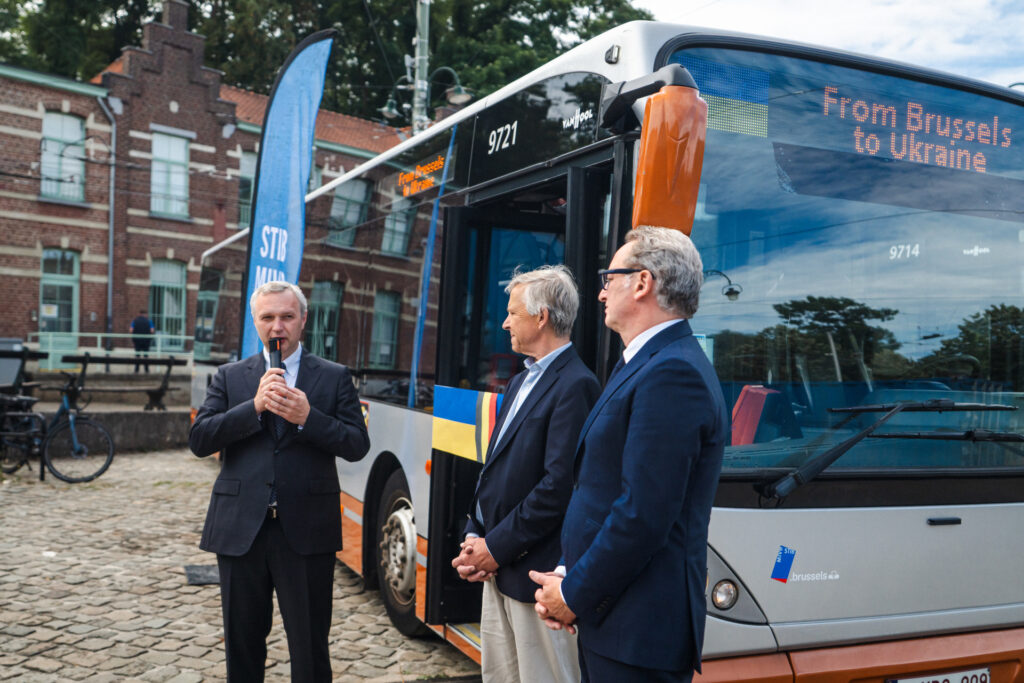
The ceremony celebrating the donation — Credit: STIB/MIVB
According to Euractiv’s coverage of the ceremony, Ukrainian Ambassador to Belgium Yaroslav Melnyk highlighted the scale of the challenge facing the country’s transport sector, noting that Ukraine has lost more than 14,000 buses, trams, and trolleybuses since the beginning of the full-scale invasion.
The buses are expected to support communities in regions such as Chernihiv and Sumy, where reliable transport connections are crucial and can help residents access workplaces, schools, hospitals, and essential services, while also strengthening local public transport networks.
Beyond passenger transport, the donated vehicles could also serve additional humanitarian purposes: similar initiatives have seen buses transformed into mobile support units providing warmth, electricity, connectivity, and other essential services in emergency situations.
A growing movement of European mobility solidarity
STIB-MIVB’s initiative follows similar actions by other POLIS members, demonstrating how public transport assets can support communities beyond their original operating contexts.
In 2023, the City of Madrid and EMT Madrid donated 32 buses to Ukraine, providing additional transport capacity through vehicles previously operating in the Spanish capital. The donation included different bus models, such as MAN, Iveco, and Mercedes vehicles, and aimed to support citizens facing mobility challenges following the Russian invasion.
Earlier, in 2022, Prague Public Transit Company, in cooperation with POLIS member City of Prague and the organisation People in Need, donated 20 trams and 2 buses to Ukrainian cities, including Kharkiv and Khmelnytskyi: the vehicles helped support the restoration of public transport services after significant damage to urban infrastructure.
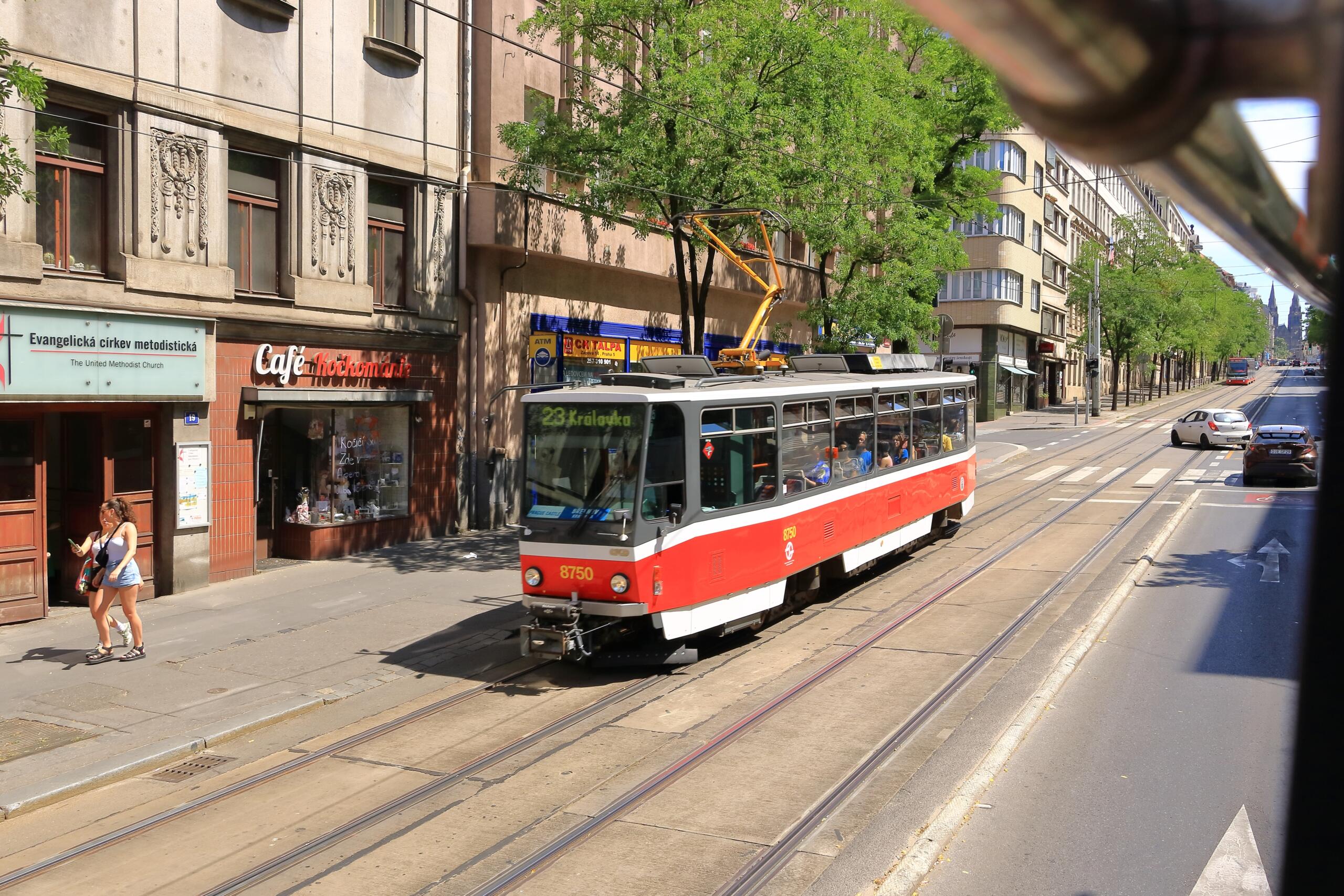
In 2022, Prague donated buses and trams to Ukraine — Credit: Dynamoland, Shutterstock
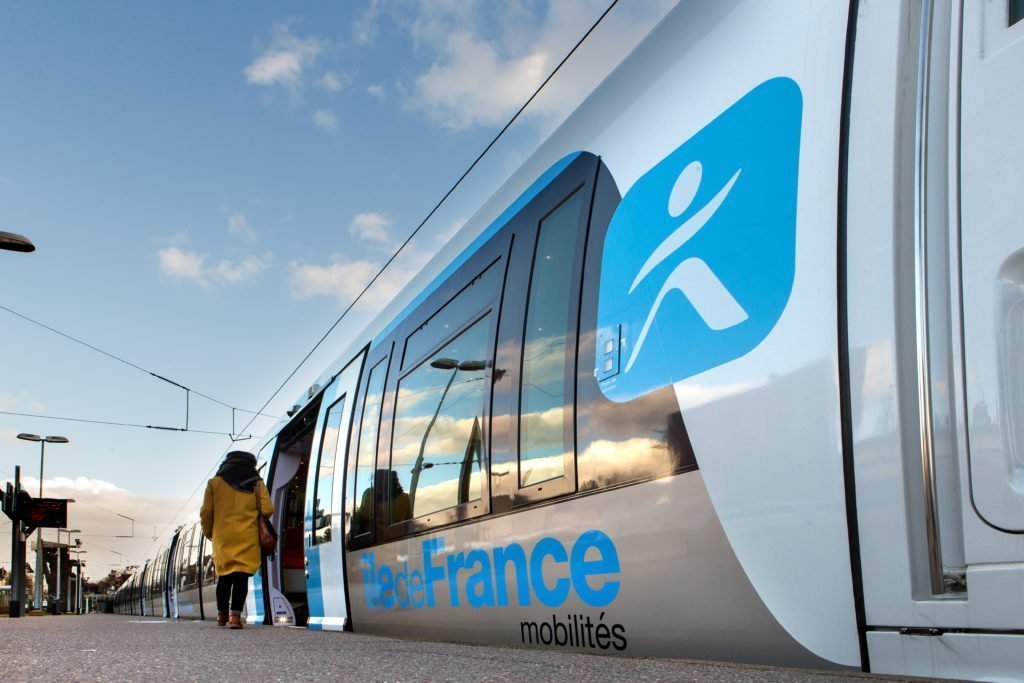
Other European regions and cities have also contributed to this collective effort. The Île-de-France region announced in 2025 the donation of hundreds of buses to Ukraine as part of its fleet renewal process, with some vehicles adapted to provide additional humanitarian functions.
These examples highlight how fleet renewal and sustainable mobility transitions can generate wider social value. By repurposing vehicles and sharing resources, cities and regions are demonstrating that public transport can play a role not only in everyday mobility but also in strengthening resilience, solidarity and recovery.
- Related Members