Mobility leaders go back to the fundamentals at the POLIS Leadership Summit in Zagreb
As Europe faces growing geopolitical uncertainty, economic pressures, and increasing demands on its transport systems, leaders from across the mobility sector gathered in Zagreb on 26 May for the fifth edition of the POLIS Leadership Summit.
Hosted by POLIS and the City of Zagreb, the POLIS Leadership Summit brought together decision-makers from local and regional governments, industry, research, and civil society to explore how Europe can stay the course towards sustainable, safe, and equitable mobility. Structured around three core themes, namely fixing the basics, governing emerging technologies, and strengthening cooperation, the discussions highlighted the importance of leadership, implementation, and partnership in navigating a rapidly changing and often disruptive mobility landscape.
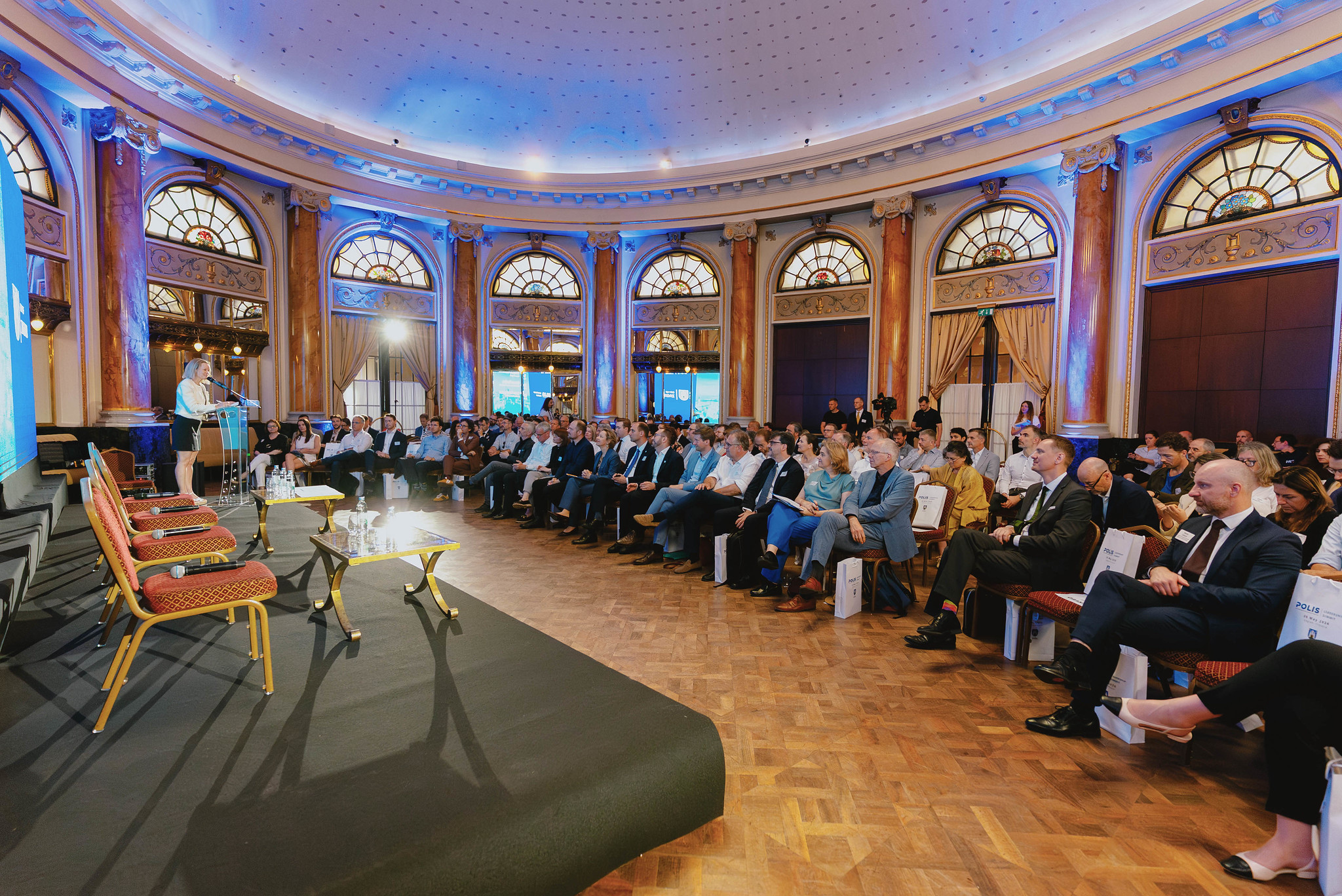
Karen Vancluysen (POLIS), welcomes attendees at the POLIS Leadership Summit — Credit: Hrvoje Baudoin
‘Cities and regions are delivering sustainable mobility measures under increasingly complex conditions. At the POLIS Leadership Summit, we bring together leaders from the public and private sector in an action-oriented setting where focused discussions and meaningful networking reinforce each other, turning ideas into practical cooperation. As part of POLIS, we see every day that progress depends on getting the fundamentals right: stronger governance, better collaboration, and transport systems that truly serve public goals and are supported by policy-responsive innovation. In times of turmoil, hesitation is not an option. We need steady, practical moves that help cities and regions continue to build sustainable, safe, and equitable mobility for all.’ – Karen Vancluysen, Secretary General, POLIS.
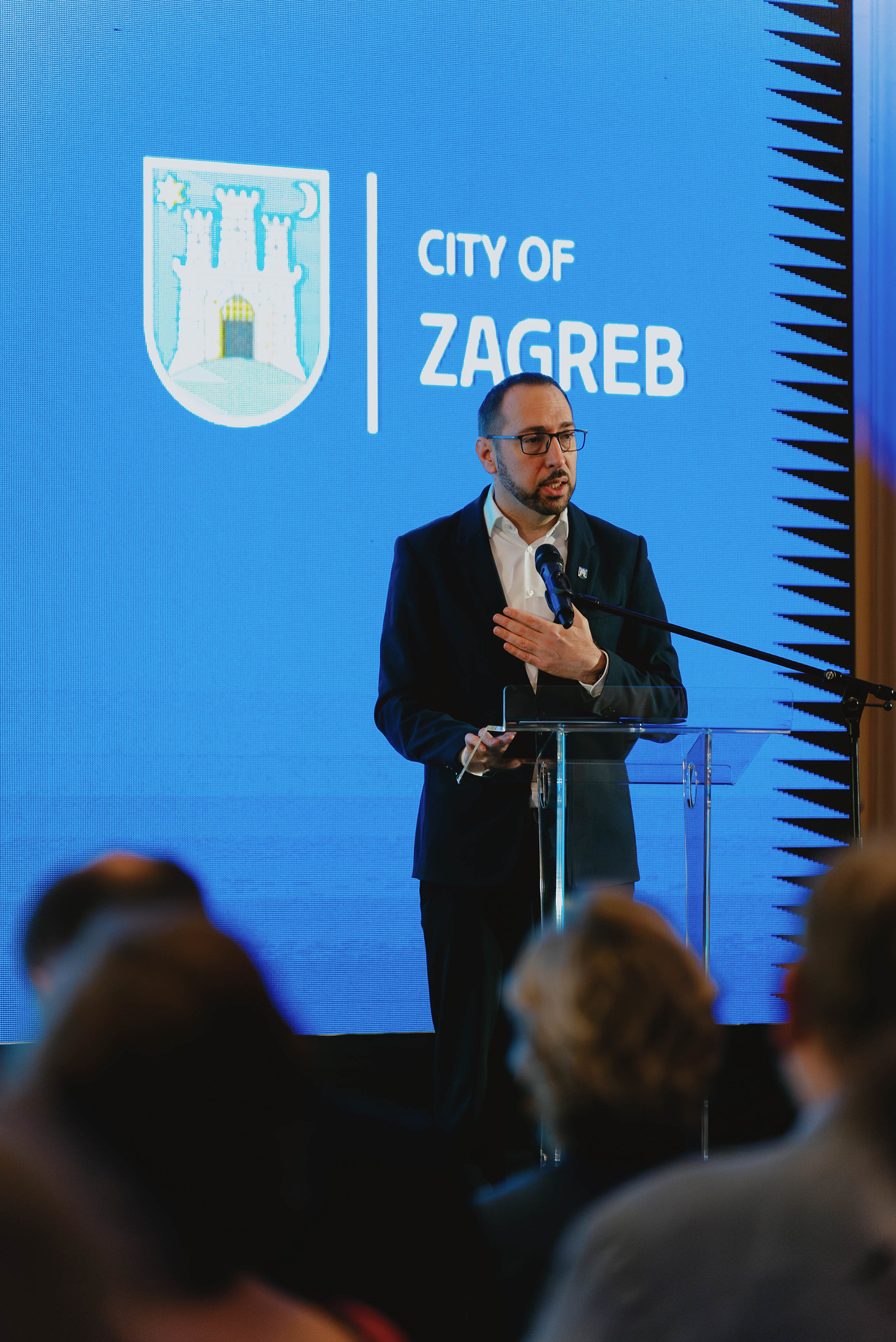
Zagreb Mayor Tomislav Tomašević gives the opening speech at the POLIS Leadership Summit — Credit: Hrvoje Baudoin
Welcoming participants to Zagreb, Mayor Tomislav Tomašević highlighted the city's commitment to sustainable mobility and underlined the importance of transport as a foundation for economic development, environmental protection, and quality of life. He described mobility as a fundamental enabler of access to services and opportunities, while emphasising the value of learning from both successes and setbacks as cities navigate complex transitions.
‘It is an honour for the City of Zagreb to host the 2026 edition of the POLIS Leadership Summit. Over the past five years, we have been working to modernise Zagreb’s transport policies and advance a more sustainable approach to urban mobility. This is a complex challenge, and that is why cooperation with other European cities is so valuable: to share successes, but also to openly share challenges and lessons learned.’ said Tomislav Tomašević, Mayor, City of Zagreb.
Delivered by Deputy Mayor Luka Korlaet, the Summit's keynote address outlined Zagreb's mobility challenges and ambitions. As the city prepares its first Sustainable Urban Mobility Plan (SUMP), he highlighted efforts to strengthen public transport, better integrate rail into the wider mobility network, expand cycling infrastructure, and create more attractive public spaces for residents.
Find out more about Zagreb’s sustainable mobility journey in the inaugural episode of the POLIS podcast, available here.
Going back to the basics
The first session focused on a challenge familiar to every city: transforming mobility systems in a way that goes beyond ambitious plans and instead delivers consistent implementation, starting with fixing the very basics of good infrastructure and high-quality transport options.
In her opening pitch, Skye Duncan from the Global Designing Cities Initiative (GDCI) argued that mobility systems must be designed around people rather than vehicles. She highlighted the need to prioritise children, older people, caregivers, and vulnerable users in street design, while stressing that cities should not only create the conditions for people to move safely, but also to thrive through healthier, more comfortable, and more inspiring urban environments.
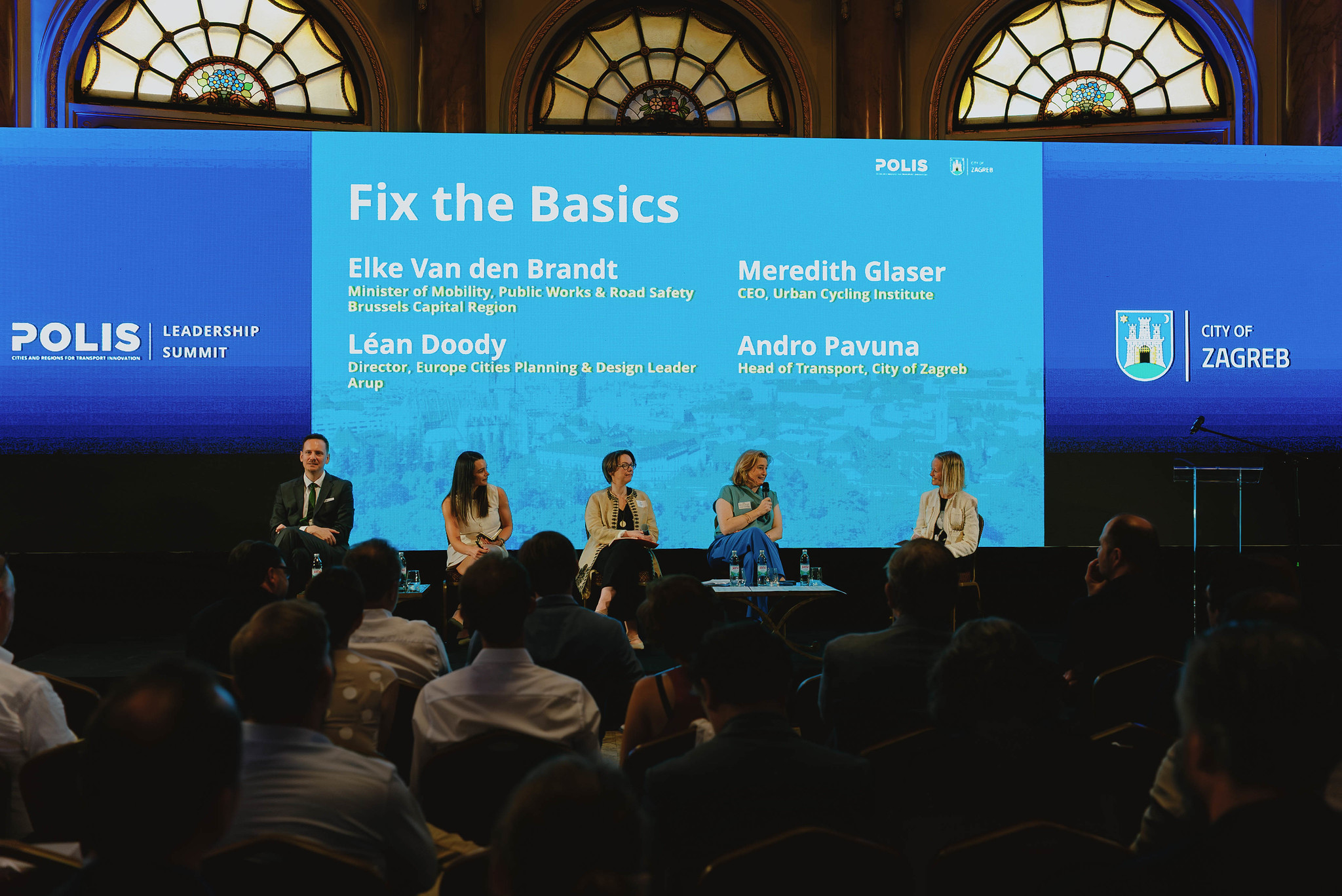
From left to right: Andro Pavuna (City of Zagreb), Meredith Glaser (Urban Cycling Institute), Léan Doody (Arup), Elke Van den Brandt (Brussels Capital Region), and Karen Vancluysen (POLIS) — Credit: Hrvoje Baudoin
The panel discussion that followed explored what it takes to turn long-term visions into tangible change. Panellists from Brussels Capital Region, Arup, Urban Cycling Institute, and the City of Zagreb reflected on the challenge of overcoming decades of car-oriented planning while delivering safer streets, better public transport, and more attractive environments for walking and cycling. Drawing on experiences from Brussels and Zagreb, speakers emphasised that one of the most important changes is often a shift in mindset. Sustainable mobility measures can transform cities, but implementation takes time and requires persistence.
The conversation also highlighted the importance of integrated planning. Mobility cannot be considered in isolation from housing, land use, public space, and environmental resilience. Panellists discussed how walking, cycling, public transport, and nature-based solutions can work together to create greener and therefore more liveable and inclusive cities.
Throughout the session, it was acknowledged that progress is rarely linear, but maintaining momentum, testing new approaches, and demonstrating the benefits of change remain essential to building public support for sustainable mobility policies.
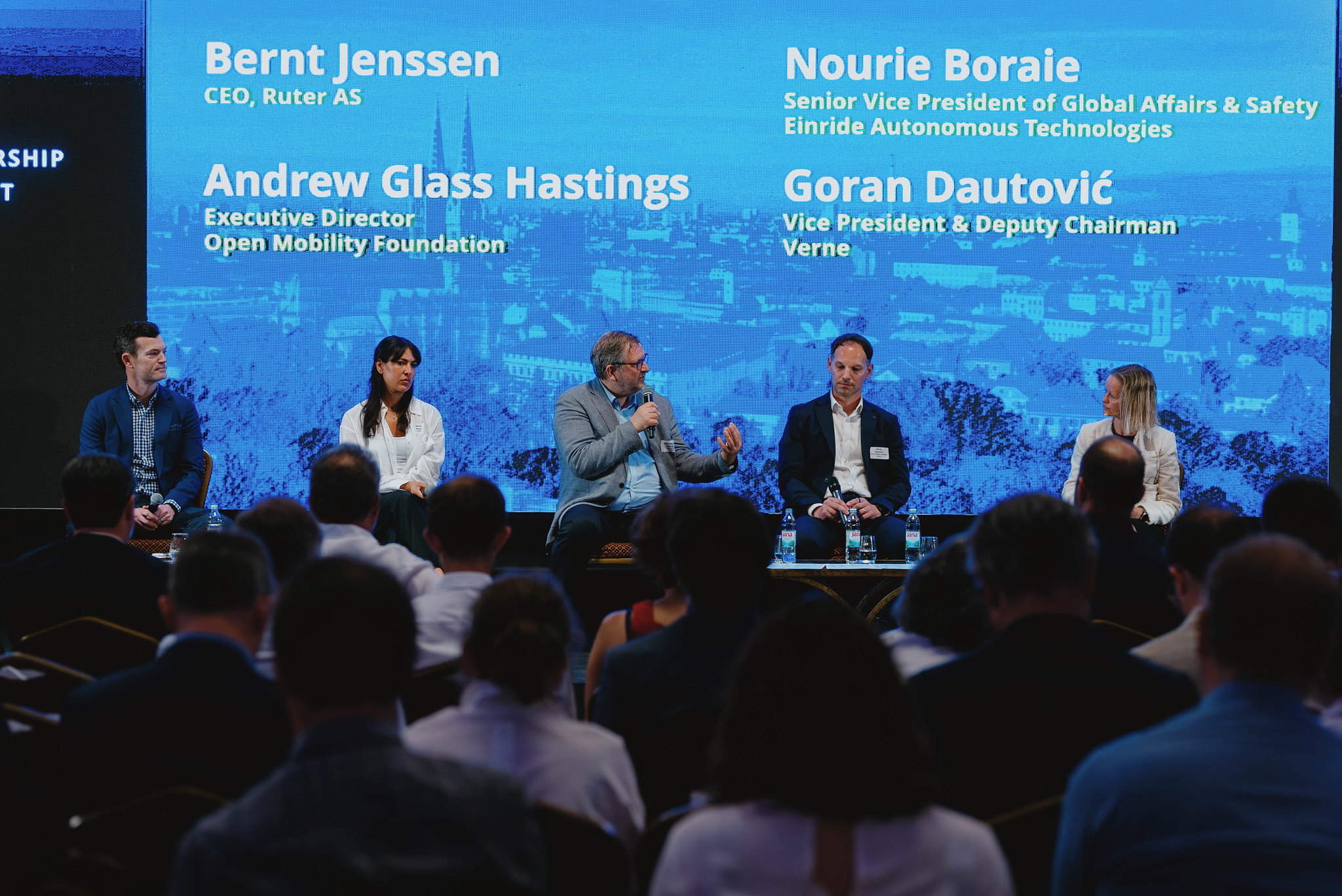
From left to right: Andrew Glass Hastings (Open Mobility Foundation), Nourie Boraie (Einride Autonomous Technologies), Bernt Jenssen (Ruter AS), Goran Dautović (Verne), and Karen Vancluysen (POLIS) — Credit: Hrvoje Baudoin
Shaping the future of automated mobility
The Summit's second session turned to one of the most strategic questions facing Europe's mobility sector: how should autonomous mobility be governed and shaped?
Tim Asperges from the City of Leuven opened the debate, arguing that automation should be guided by public objectives rather than technological enthusiasm alone. If autonomous vehicles are to create value for cities and regions, they must contribute to broader goals such as reducing unnecessary vehicle kilometres, strengthening shared and collective transport, and making better use of public space.
The panel that followed explored how Europe can develop its own approach to connected, cooperative, and automated mobility. Rather than simply replicating models emerging elsewhere, speakers called for a distinctly European vision, one that places public value, multimodality, and local governance at its centre and prioritises public-transport related use cases.
Representatives from Ruter, Open Mobility Foundation, Einride Autonomous Technologies, and Verne highlighted the importance of ensuring that local and regional governments remain actively involved in shaping deployment models, regulatory frameworks, and operational practices. Several speakers warned that introducing automated services without meaningful engagement with cities risks undermining their contribution to wider mobility objectives, up to even further aggravating the current mobility challenges we face.
The discussion also examined questions relating to safety, business models, digital infrastructure, and data governance. While it was agreed that innovation should not be unnecessarily slowed down, panellists stressed that it must be accompanied by clear rules, public oversight, and a shared understanding of the outcomes it is intended to achieve.
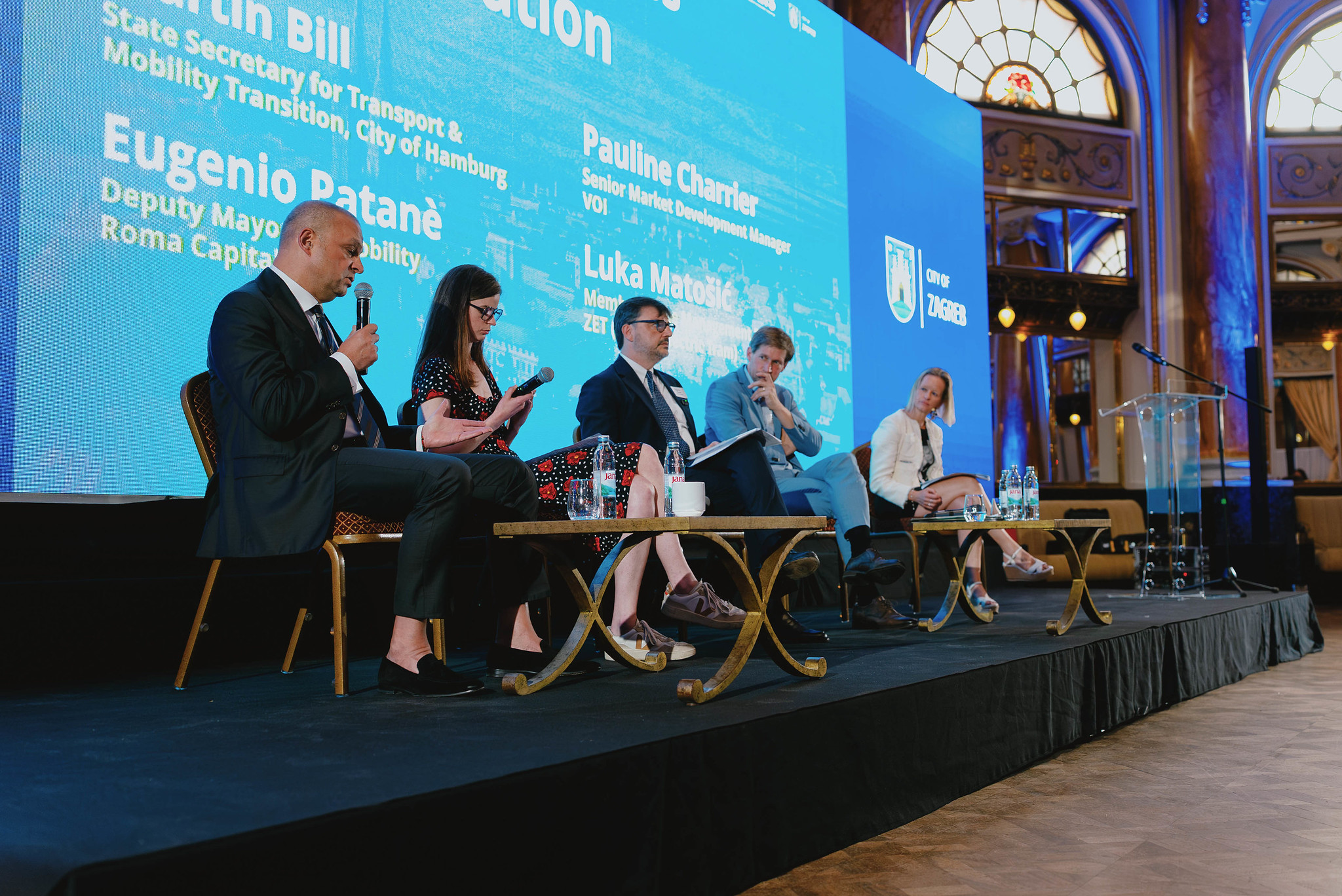
From left to right: Luka Matošić (Zagreb Electric Tram), Pauline Charrier (Voi), Eugenio Patanè (Roma Capitale), Martin Bill (City of Hamburg), and Karen Vancluysen (POLIS) — Credit: Hrvoje Baudoin
Building trust across the mobility ecosystem
The final session focused on cooperation, a recurring theme throughout each Summit. As cities face increasingly complex mobility challenges, effective collaboration between public authorities, operators, industry, and other stakeholders is becoming more important than ever.
Setting the scene, Erdem Ovacik from Impact Market challenged participants to rethink how mobility innovation is funded and procured. While services such as bike sharing, cargo bikes, car sharing, and future automated mobility solutions can generate significant social benefits, he argued that procurement systems often prioritise predefined solutions and risk avoidance over outcomes and innovation.
The ensuing panel discussion examined challenges relating to procurement, funding, regulation, data sharing, and institutional capacity. Panellists highlighted that while cities are often expected to take on new responsibilities, they do not always have the resources, expertise, or support needed to deliver them effectively.
Trust once again emerged as a central theme. Panellists argued that successful cooperation depends on transparency, realistic expectations, and ongoing dialogue between the public and private sectors. Creating stable regulatory environments, improving procurement processes, and fostering better data-sharing practices were identified as key steps towards building stronger partnerships.
Speakers also stressed the value of learning from experience. Whether discussing shared mobility services, mobility data management, or innovative business models, the conversation repeatedly returned to the importance of experimentation, adaptation, and mutual learning.
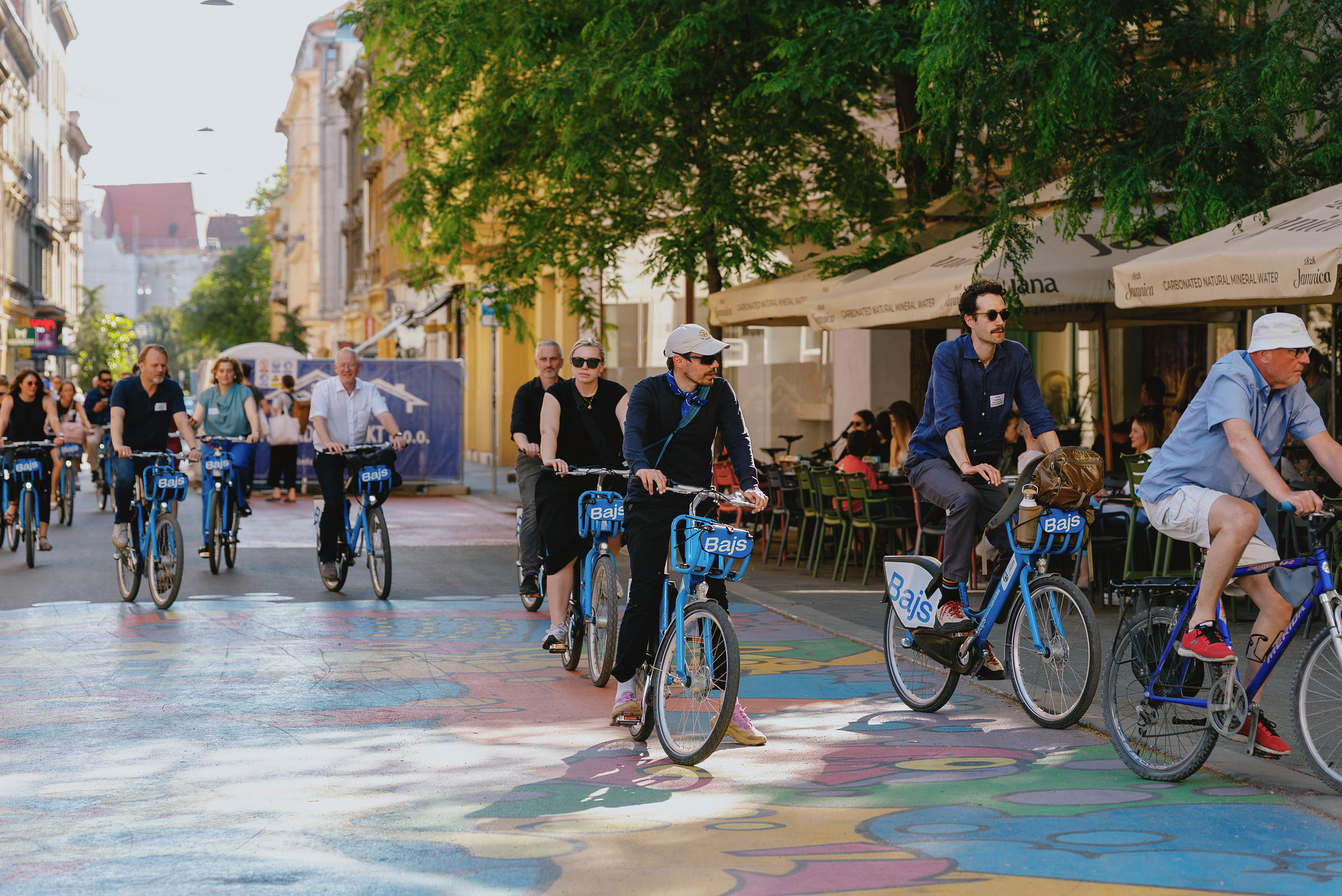
Summit participants during the Zagreb cycling tour — Credit: Hrvoje Baudoin
Stronger foundations for the mobility transition
From safer streets and inclusive mobility systems to automated vehicles and public-private partnerships, a clear message emerged during the Summit: sustainable mobility requires strong foundations. Fixing the basics is not about returning to the past, but rather, it is about ensuring that mobility systems are designed to serve people, support communities, and respond to future challenges. The Summit also reinforced the importance of strong cooperation and better alignment between cities and regions on the one hand and national governments on the other hand, particularly as European transport policy continues to evolve and new demands are placed on local authorities.
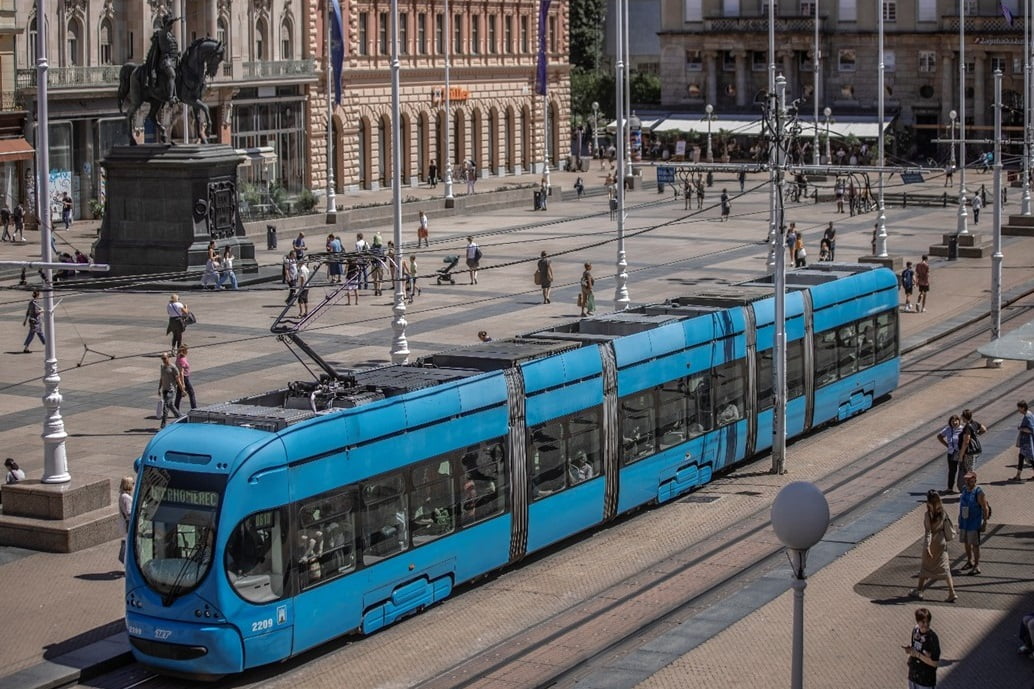
The day closed with a series of technical visits showcasing Zagreb's mobility offer and urban development, where participants had the opportunity to discover the city through guided walking, cycling, and tram tours, as well as a visit to the Verne showroom for a presentation of the company's robotaxi project and its latest vehicle prototype.
As Europe continues its journey towards more sustainable, safe, and equitable mobility, the Leadership Summit in Zagreb reiterated the value of bringing together leaders from across sectors to exchange experiences, challenge assumptions, and work collectively towards shared goals.
______
MORE

- Related Events
- Related Members