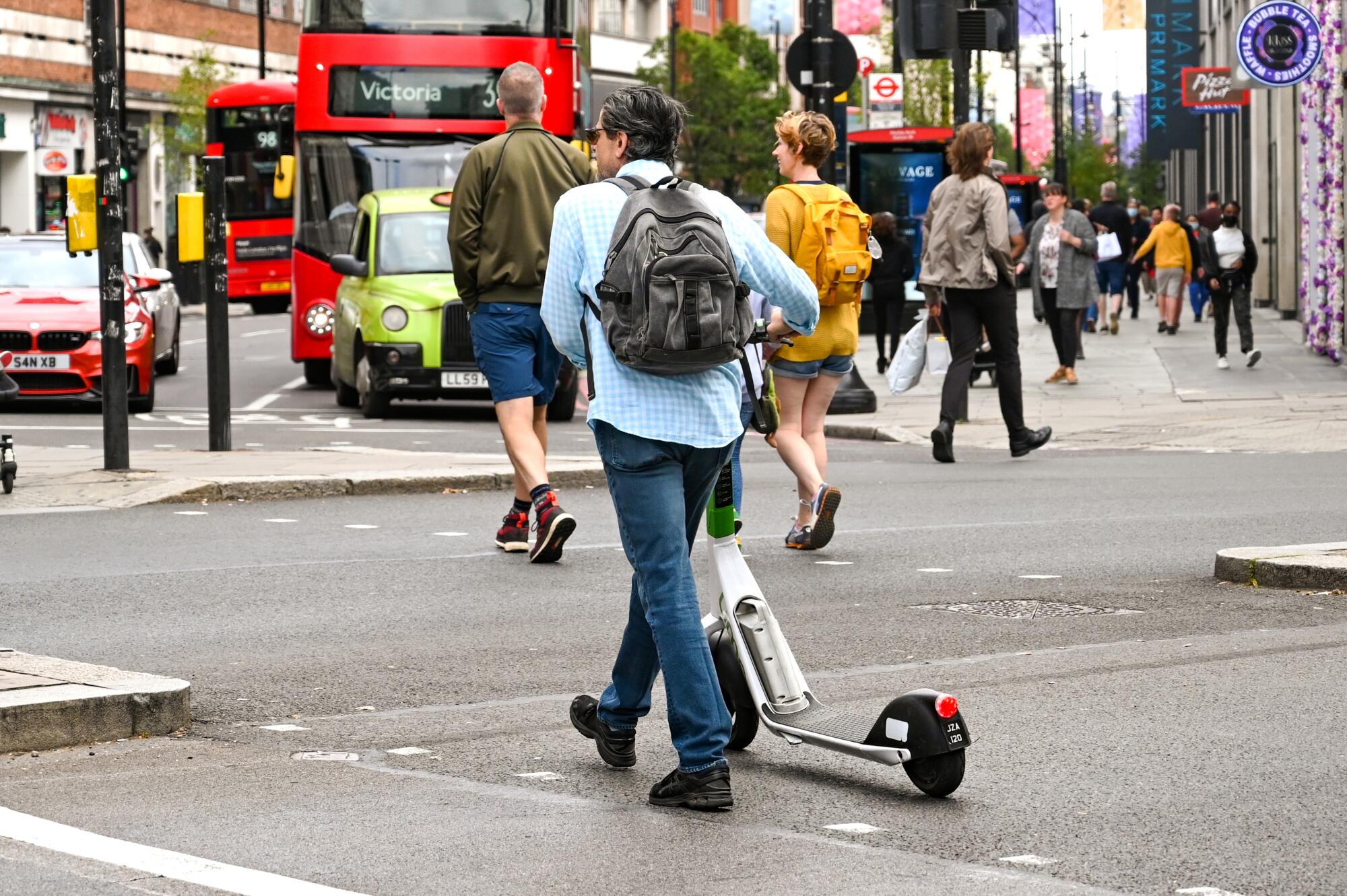
London’s e-scooter trial enters Phase 3
London’s e-scooter trial is set to move into Phase 3, marking a new milestone in one of the UK’s most ambitious shared micromobility schemes.
Since its launch in 2021, the trial has expanded significantly and now operates across 11 boroughs, covering around 300 km² and supported by more than 1,600 designated parking bays.
A Phase 3 relying on data
New data from Transport for London (TfL) highlights strong growth and performance. Between September 2024 and September 2025, trips increased by 54%, rising from 1.3 million to over 2 million. Usage has also intensified, with average trips per vehicle increasing and peaking during the summer months.
Safety outcomes remain a central strength of the scheme: serious injuries occurred in just 0.0007% of trips, with no fatalities recorded during the reporting period. In parallel, 95% of rides ended in designated parking bays, demonstrating a high level of compliance.
London's concession model
The trial is structured as a concession model, meaning it operates without public subsidy: operators, which currently are Lime and Voi, pay fees to TfL, covering administration and parking infrastructure. This approach positions the scheme as financially self-sustaining while allowing public authorities to retain oversight and regulatory control.
Beyond performance metrics, the trial is contributing to broader mobility goals. Around 20% of parking bays are located in areas with limited public transport access, reinforcing the role of e-scooters as a first- and last-mile solution. Access schemes offering reduced pricing for lower-income users and people with disabilities have also been introduced, indicating early steps toward more inclusive micromobility.
Looking forward
Phase 3, expected to begin in September 2026, will be delivered through a new competitive procurement process for up to two operators. The initial contract will run for 24 months, with the possibility of extension until 2032. Safety will remain the primary evaluation criterion, accounting for 45% of the total score, alongside operational performance, environmental considerations, and community impact.
While privately owned e-scooters remain illegal on public roads in the UK, London’s trial continues to provide a controlled environment for testing their integration into the transport system. As discussions on national legislation progress, Phase 3 will play a key role in informing future policy and the potential transition toward a permanent, regulated scheme.