Global Tourism Resilience Day 2026: Foster resilient tourism development
Global Tourism Resilience Day, celebrated on 17 February, highlights the importance of developing a tourism sector that can withstand shocks and recover from crises.
Tourism is a major economic driver, closely linked to economic growth, employment, and well-being. Worldwide, the revenue generated by tourism is comparable to, or even exceeds, that of oil exports, food products, or cars. In the European Union, nearly 1 in 13 enterprises is connected to tourism, employing over 12.3 million people.
Despite its crucial role in many economies, the tourism sector is highly vulnerable to various threats, including pandemics, natural disasters, climate change, economic downturns, and political instability, as highlighted during the COVID-19 pandemic.
The establishment of Global Tourism Resilience Day highlights the importance of tourism being both environmentally sustainable and resilient to global shocks. Sustainable tourism aligns with the Sustainable Development Goals by empowering local communities, promoting conservation, and encouraging responsible consumption.
Additionally, 2027 will be the International Year of Sustainable and Resilient Tourism. This initiative encourages all countries to take action at all levels and to support sustainable and resilient tourism as a means to promote and accelerate sustainable development.
Respecting the communities...
Tourism destinations face different realities. While some struggle with overtourism and unbalanced developments, others actively seek to attract more visitors to gain economic and social benefits.
After the COVID-19 pandemic, unbalanced tourism growth has once again become a pressing issue in Europe. Major cities and capitals such as Barcelona, Amsterdam, or Paris, just to name a few, are facing challenges in managing overtourism. The high and concentrated influx of visitors puts pressure on housing, water supplies, and other essential resources.
In addition, tourist coaches, such as hop-on/hop-off buses and privately chartered vehicles, contribute to problems in these urban areas. The current lack of regulations around coach traffic management has led to safety risks for pedestrians, increased congestion (particularly in bus lanes), and issues with illegal parking. This is especially concerning in Île-de-France, where the liberalisation of the long-distance coach market in 2015 has led to a surge in tourist coaches, underscoring the need for authorities to develop effective solutions.
Besides major cities and capitals, nature-based tourism has gained significant popularity in recent years. However, this increased interest in nature reserves has intensified the pressure on park resources, such as traffic congestion, air and noise pollution, and parking problems. These issues not only detract from the visitor experience but also threaten local habitats. The MONA project tackles these challenges by promoting a transition to more sustainable modes of transport in natural destinations, encouraging alternative travel methods and testing innovative solutions.
...and the environment
Transport is the main source of emissions in tourism. Reaching a destination is a fundamental aspect of travel, and different modes of transport, such as planes, cars, trains, and boats, each generate their own carbon footprint.
Travelling by plane is by far the most climate-intensive form of transport. Aviation alone accounts for around 2.5% of annual global CO2 emissions, and as air travel becomes more affordable, aviation emissions continue to rise.
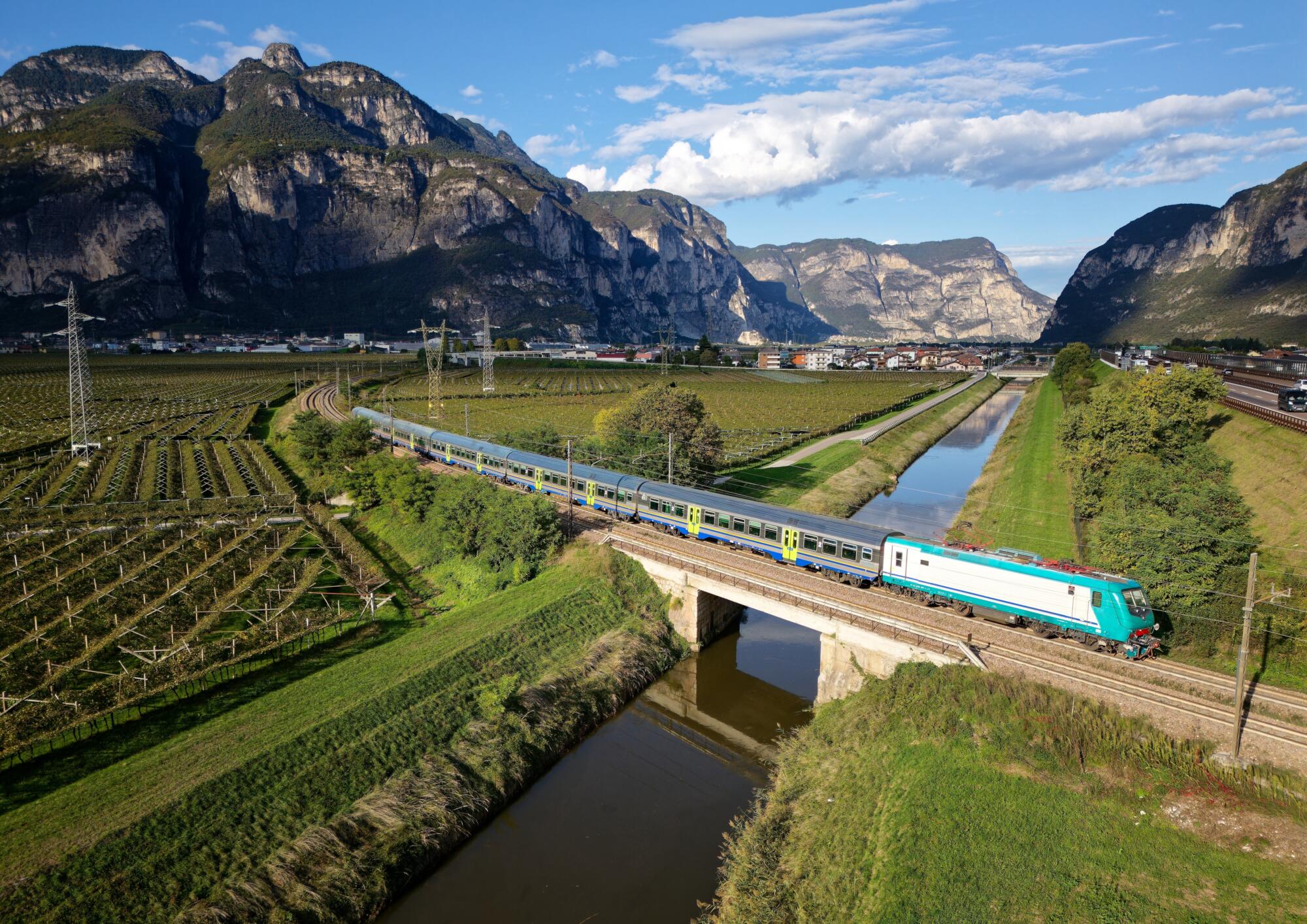
Choosing to travel by train or bus is a much more environmentally friendly option—that is, when the option is available to begin with. In Europe, for most cross-border trips, travelling by train is often more expensive than flying—a report by Greenpeace analysed 142 routes across 31 countries and found that, for most cross-border journeys, flying is significantly cheaper than taking the train.
This pricing disparity is primarily due to heavy subsidies that airlines receive and the low-cost airlines that offer tickets at prices that do not reflect their environmental or social costs. With flights being so cheap compared to trains, it is clear that citizens would tend to choose flying over train travel, even when viable train options are available.
Joining forces
Citizens deserve access to clean, affordable, and fair transport options for leisure and tourism mobility. As 2027 will be the International Year of Sustainable and Resilient Tourism, authorities need to step up. Strategic planning, stakeholder engagement, and effective governance at national, regional, and local levels are essential for building resilient mobility and tourism strategies, ensuring that both continue to drive prosperity while withstanding future shocks.
At POLIS, tourism is a priority topic for both our Access and Capitals Working Groups. It will also be the focus of an in-person meeting taking place during the European Sustainable Tourism Mobility Forum 2026, happening in Breda on 9 June 2026. The meeting will explore tourism from various angles, including leisure tourism mobility and the specific challenges of transport in capitals and small- and medium-sized cities.
- Related Projects