Zagreb reaches 20% electric bus fleet milestone
In just three years, one-fifth of Zagreb’s city buses have become fully electric, with 62 electric buses now in operation and a new charging depot supporting their deployment.
POLIS member Zagreb currently operates 62 electric buses out of around 300 buses running daily. The new vehicles include 30 standard buses, 26 articulated buses, and six midibuses, procured as part of a programme launched in 2025 following the introduction of Zagreb’s first electric bus in April of that year.
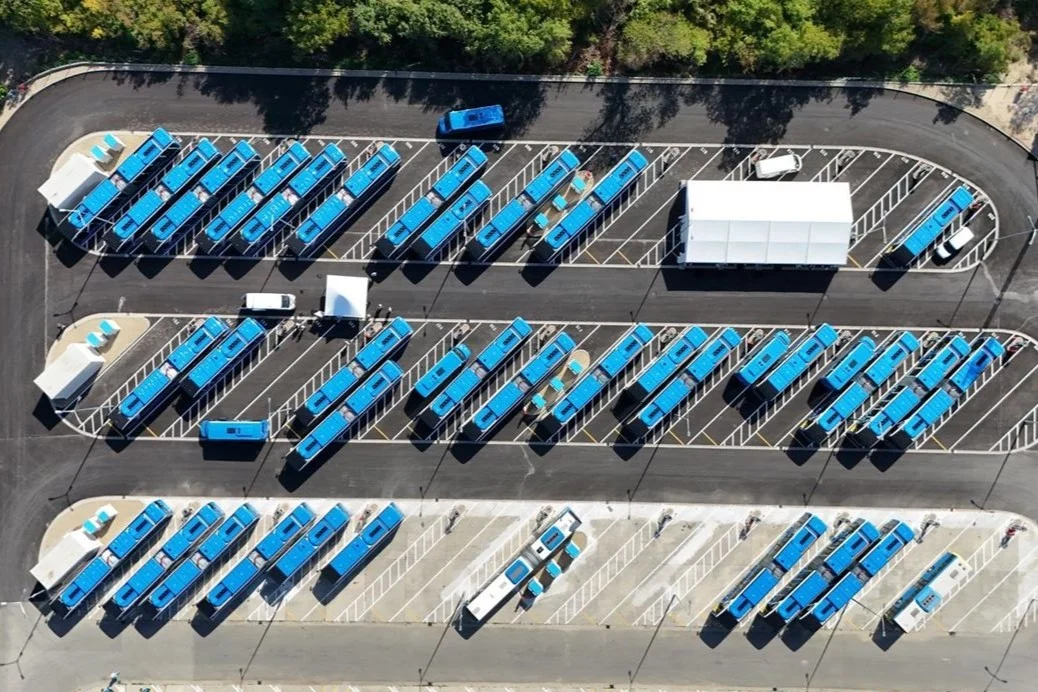
Alongside the new vehicles, the City of Zagreb has inaugurated a dedicated electric bus charging depot in Podsused. The facility is equipped with 67 dual chargers, providing 134 charging points, and can serve the current fleet while allowing for future expansion.
The investment in the 62 electric buses amounts to €56.8 million. Of this, €45.4 million was secured through EU funding under Croatia’s National Recovery and Resilience Plan, with the remainder covered by the City of Zagreb. The charging infrastructure represents a further investment of €9.8 million, including €7.8 million in EU funding.
According to the City of Zagreb, the new buses will contribute to reducing noise and local air pollution, while also improving passenger comfort and accessibility. The vehicles are equipped with air conditioning, modern safety systems, CCTV, USB charging ports, and automated passenger counting systems, and are fully accessible to passengers with reduced mobility. The buses have an estimated range of at least 500 kilometres for standard models, 450 kilometres for articulated buses and 260 kilometres for midibuses under optimal conditions. This is expected to allow them to complete a full working shift without recharging.
Mayor Tomislav Tomašević said that two additional charging locations will be needed as the electrification programme progresses. The city’s longer-term objective is to fully electrify ZET’s bus fleet within the next seven to eight years, making charging infrastructure an increasingly important part of Zagreb’s public transport transition.