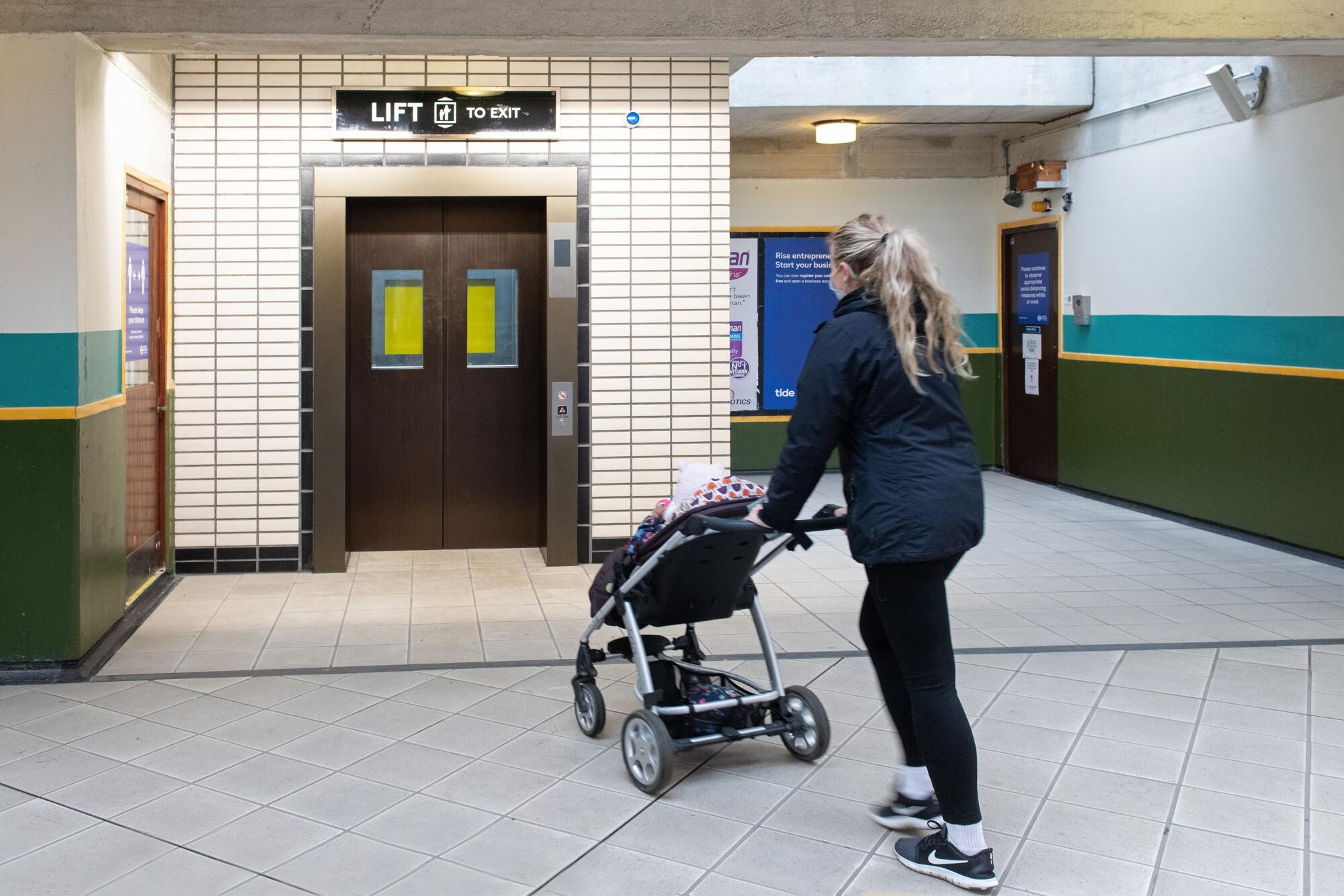
Transport for London introduces self-reporting lift technology
Transport for London (TfL) has introduced a new technology that automatically notifies when lifts are out of service, providing real-time information for passengers with accessibility needs.
Announcing this upgrade on International Day of Persons with Disabilities on 3 December, TfL highlights the technology as a key component of its ongoing customer inclusion strategy and its commitment to making the network more accessible.
This upgrade involved about one-third of lifts across the network, precisely 93 lifts at 28 underground stations. The real-time updates will be visible in the TfL Go App and Journey Planner, allowing passengers to see immediately whether a lift is operational and plan their journeys with greater certainty. The system also gives maintenance teams earlier visibility of issues, allowing repairs to be initiated more quickly.
Step-free access is crucial for many users, including people with disabilities, with prams or pushchairs, and travellers carrying luggage. A single lift failure can force individuals to find an alternative at short notice or abandon a trip.
The first phase of the rollout focuses on busy stations in central London such as Bond Street, London Bridge, and Tottenham Court Road, as well as key terminal stations including Cockfosters and Morden. More than 20 further lifts are expected to receive the upgrade by March 2026. A second phase, beginning later in 2026, will extend the technology across the wider network.
TfL states that the initiative forms part of its broader commitment to improving accessibility, as set out in its Equity in Motion programme. Since its launch in 2024, the programme has boosted accessible measures. Thanks to there efforts, there are currently 93 step-free Underground stations, with additional projects underway, and feasibility studies are being conducted to identify future stations for upgrades. Self-reporting lift systems will become standard in all new step-free stations.