
Second CCAM urban deployment roadmap workshop explores key building blocks
On 27 November, POLIS and the CCAM Association hosted the second CCAM Urban Deployment Roadmap workshop as a side event of the POLIS Conference, under the CCAMbassador project.
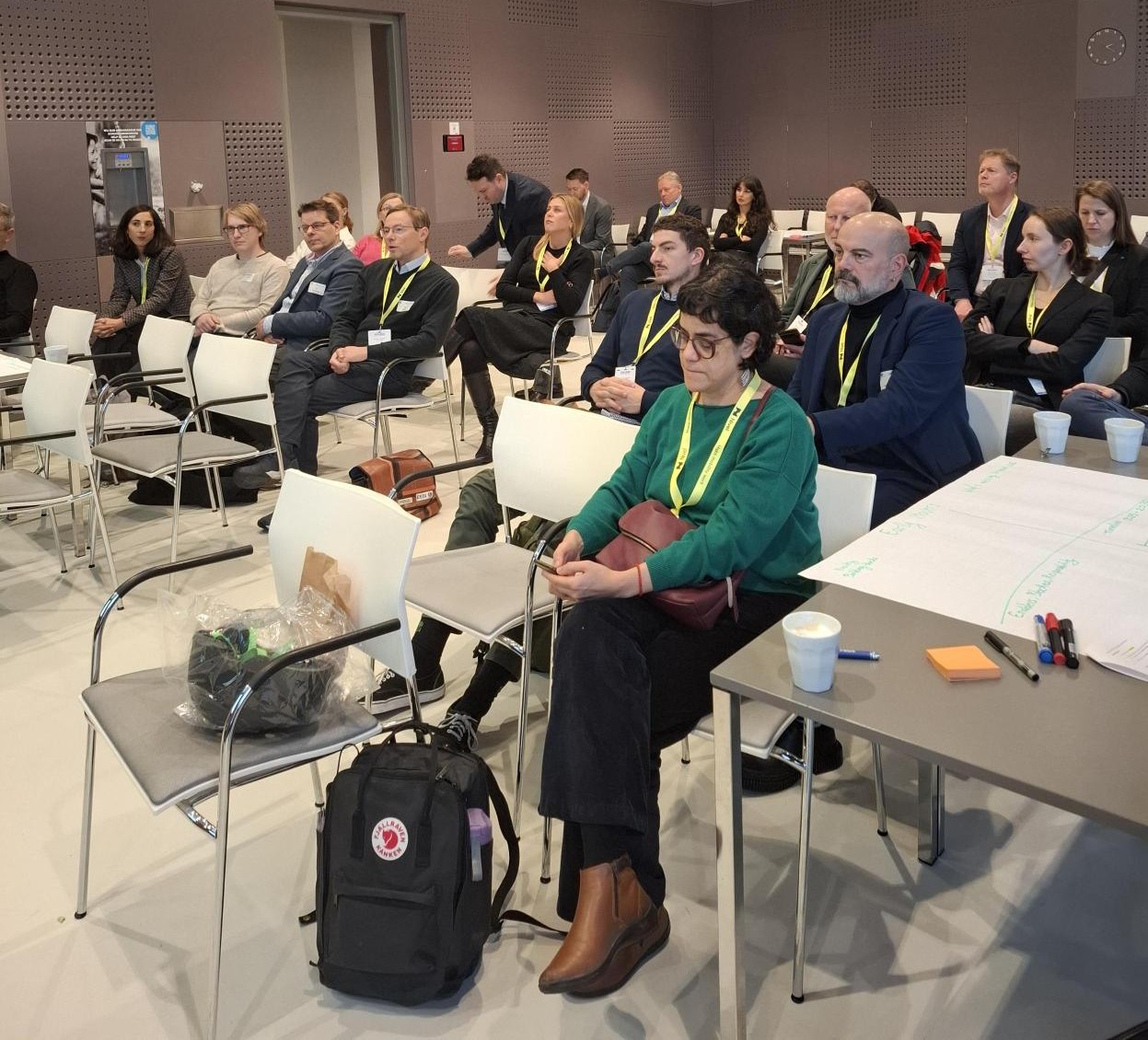
Building on the first workshop held in October, the November workshop brought together over 40 participants from local and regional authorities, research organisations, and industry, to refine a shared vision for CCAM deployment in urban areas and dig deeper into the building blocks needed to make it a reality.
Refining the 2035 vision
The session began by revisiting the draft 2035 vision developed during the first workshop. Participants reaffirmed the importance of placing local authorities at the centre of deployment strategies, with CCAM serving as a tool to enhance—rather than replace—public transport and promote more inclusive mobility. Discussions stressed the need for a flexible, city-driven approach to deployment, guided by real-world use cases and aligned with local mobility goals.
Prioritising the building blocks and defining the key development actions
The core of the session was dedicated to a deep dive into the seven building blocks identified by the CCAMbassador project. The CCAM building blocks are the essential components that must be established to enable the ecosystem to transition from small-scale testing to large-scale, sustainable deployment of automated mobility solutions. Each building block represents a critical area of action, investment, or coordination needed to support the real-world integration of CCAM. Participants assessed each building block through a world café format, identifying current gaps, critical stakeholders, and priority actions.
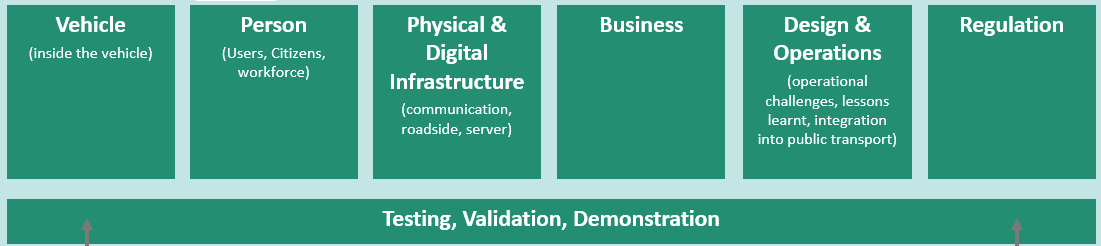
Key differences emerged depending on the cities’ deployment profiles. Cities identified as early movers or proactive pilot champions highlighted the need for regulatory and business model support to expand existing initiatives. Others, including those just beginning to explore CCAM, expressed the need for tailored guidance and capacity-building to launch local pilots.
Participants also stressed that regulation is about more than licensing. It must include harmonised standards, guidance on procurement, and clear frameworks that empower cities to align CCAM deployment with their mobility goals.

The workshop offered a valuable opportunity to continue bridging research, innovation, and real urban needs. The outcomes will feed directly into the CCAM Urban Deployment Roadmap, with further activities and co-creation sessions planned in the months ahead.
- Related Projects
