EU road deaths decline in 2025, but progress remains slow
The European Commission has released its preliminary road safety figures for 2025, reporting approximately 19,400 fatalities across the EU. This represents a 3% decrease compared to 2024, with around 580 fewer lives lost.
While this marks continued progress, the overall pace of improvement remains insufficient to meet the EU’s long-term targets, namely halving road deaths and serious injuries by 2030 and achieving zero fatalities by 2050 under the Vision Zero framework.
A mixed bag at a national level
The data shows a mixed picture across Member States. Some countries recorded significant improvements, with Estonia and Greece standing out for substantial reductions. Others, including Belgium, Bulgaria, Denmark, Poland, and Romania, are currently on track to meet the 2030 target.
However, Romania, Bulgaria, and Croatia still report some of the highest fatality rates in the EU, while Sweden and Denmark continue to rank among the safest, with consistently low deaths per million inhabitants.
Challenges that stick
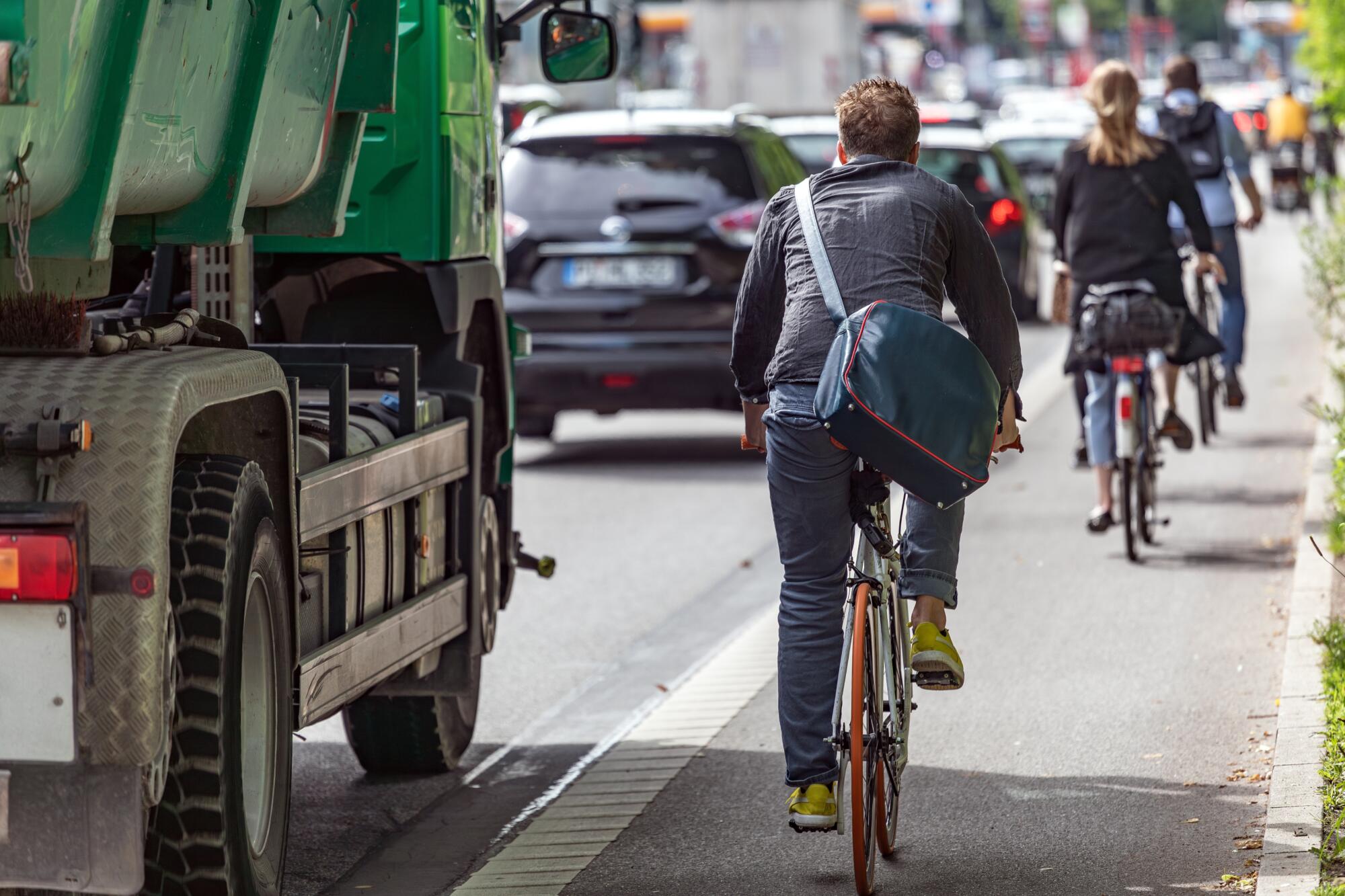
Beyond national differences, the data highlight persistent structural challenges. Rural roads remain the most dangerous part of the network, accounting for more than half of all fatalities, while urban areas represent a growing concern due to the high share of vulnerable road users. Pedestrians, cyclists, and users of powered two-wheelers now account for around 70% of urban road deaths, often in collisions involving cars or heavy vehicles.
Demographic patterns also remain striking. Men represent the vast majority of fatalities, and both young adults and older people are disproportionately affected. At the same time, emerging mobility trends are beginning to show an impact, with fatalities involving personal mobility devices such as e-scooters increasing in recent years, even if they still represent a small share overall.
Despite the challenges, the continued reduction in fatalities suggests that coordinated action at the EU, national, and local levels is having an effect. Measures ranging from updated requirements for driving licences, better cross-border enforcement of road traffic rules, and a proposal to enhance the roadworthiness of vehicles are contributing to incremental gains.
With around 100,000 people still seriously injured each year in road crashes, the need to accelerate efforts remains clear. The final, consolidated figures for 2025 will be published in autumn 2026.